
The Rialto, Venice — History & Facts
Could beauty survive in a century of chaos? Otto Henry Bacher’s The Rialto, Venice captures an enduring splendor amidst a world on the brink of change. Look to the left at the elegant archways of the Rialto Bridge, their intricate details rendered with a deft brushstroke that channels the vibrancy of Venetian life. The warm hues of ochre and terracotta contrast with the cool blues of the water below, drawing our gaze outward toward the bustling scene of merchants and gondolas that greet the eye. Each figure, though small, is imbued with purpose, their gestures hinting at conversations that echo through the canal’s gentle waves. Yet, even amid the lively activity, there lies an undercurrent of tension.
The calm surface of the water belies the chaos of the bustling city; the juxtaposition of tranquil reflection against the frenetic energy of commerce speaks to the delicate balance of life in Venice. Notice the figures lost in their own worlds — some are animated in trade, while others appear contemplative, perhaps pondering the fragile nature of this beauty that surrounds them. In 1880, Bacher was living in Venice, a city that symbolized both artistic brilliance and the looming specter of change. This period saw a shift in the art world, as Impressionism began to dominate the scene, challenging traditional representation.
Bacher’s work reflects this transition, capturing the historic essence of Venice while navigating the evolving definitions of beauty and chaos in art.
More Artworks by Otto Henry Bacher
Browse all →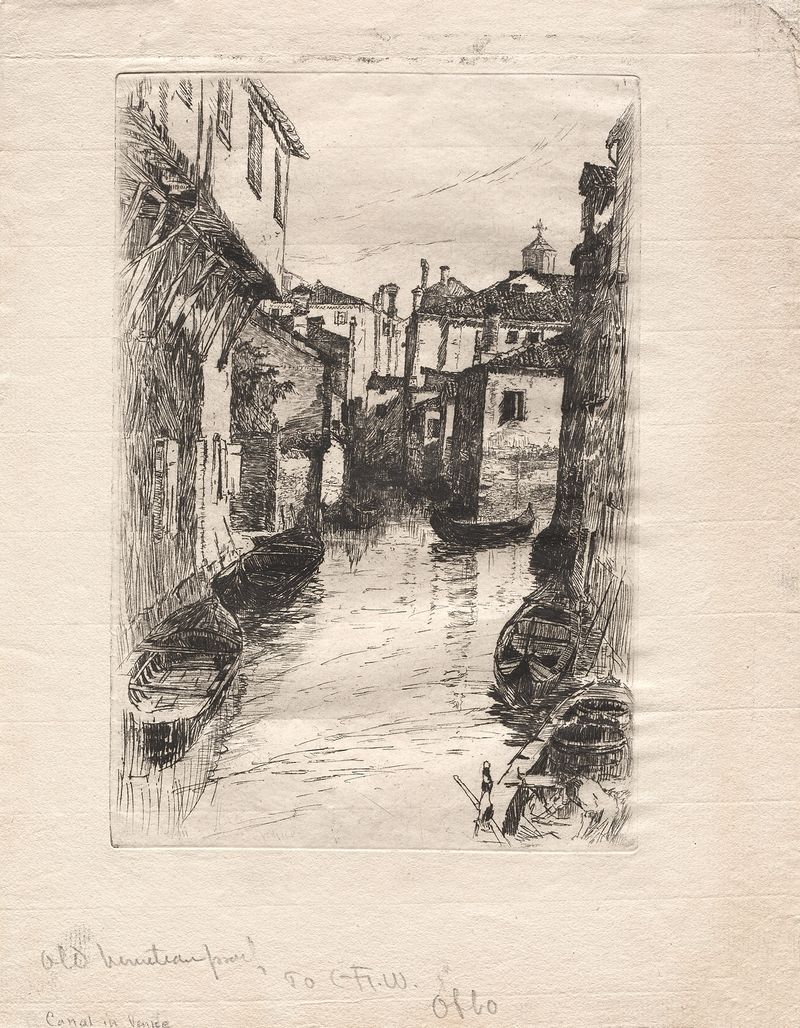
Canal in Venice
Otto Henry Bacher
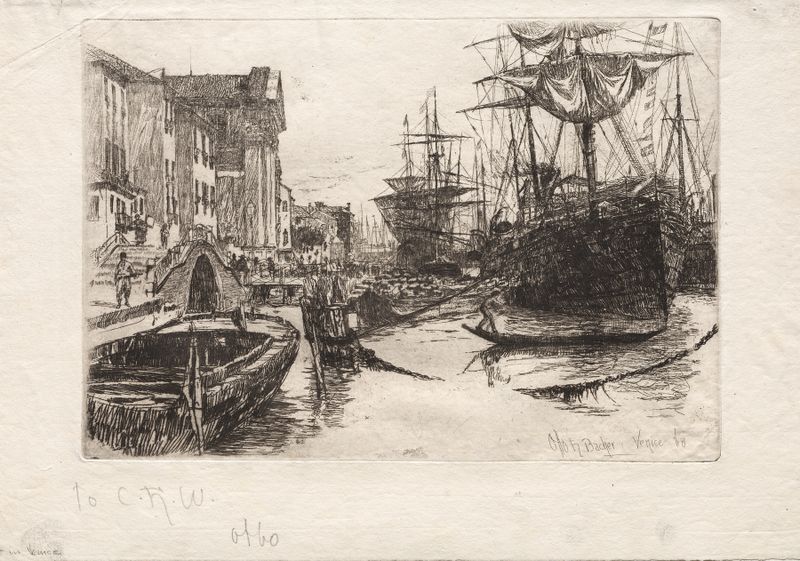
View in Venice
Otto Henry Bacher
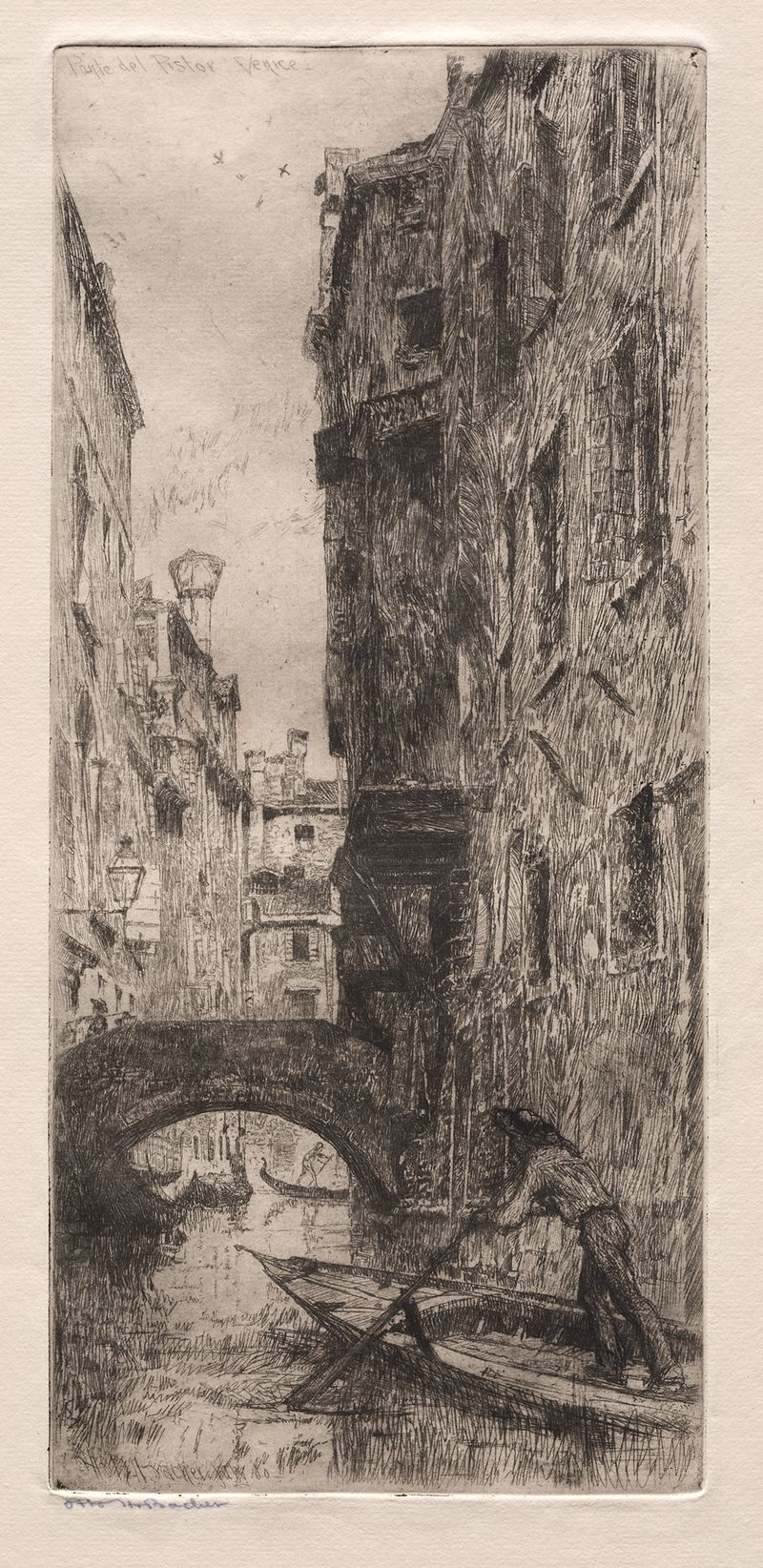
Ponte del Pistor, Venice
Otto Henry Bacher
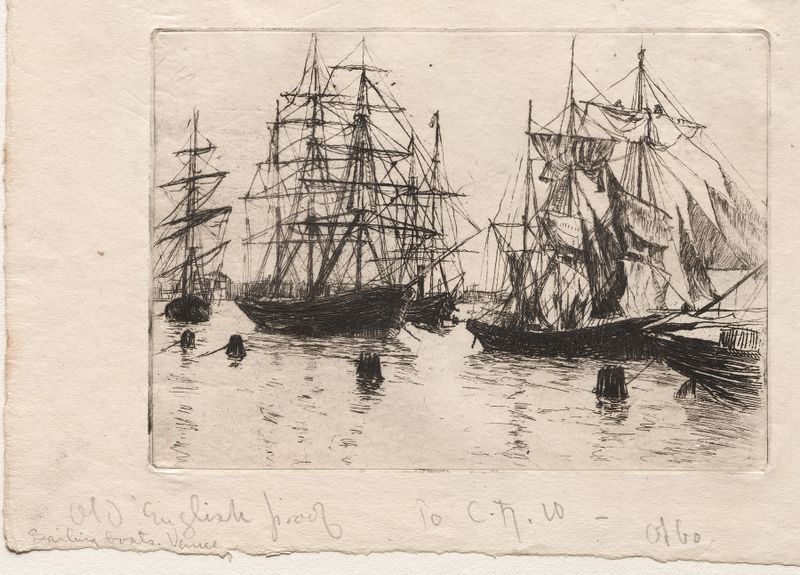
Sailing Boats, Venice
Otto Henry Bacher
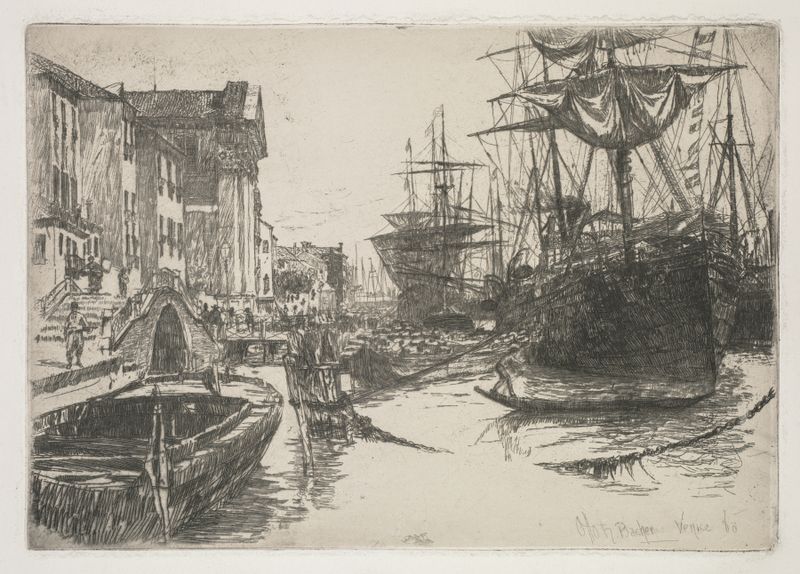
Fondamenta della Zattere
Otto Henry Bacher
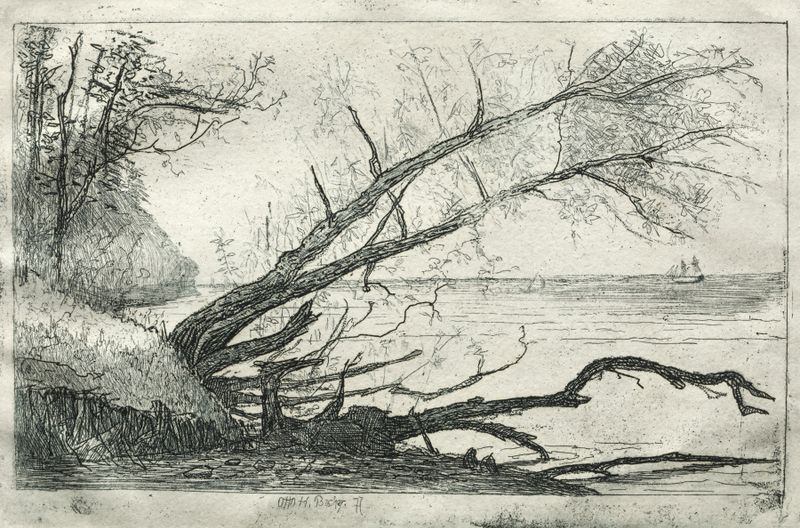
Old Sycamore
Otto Henry Bacher
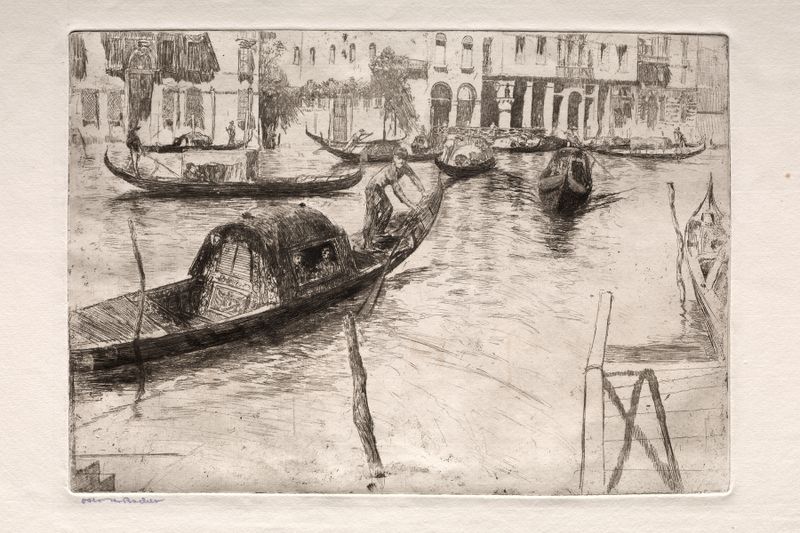
Traghetto San Felice
Otto Henry Bacher
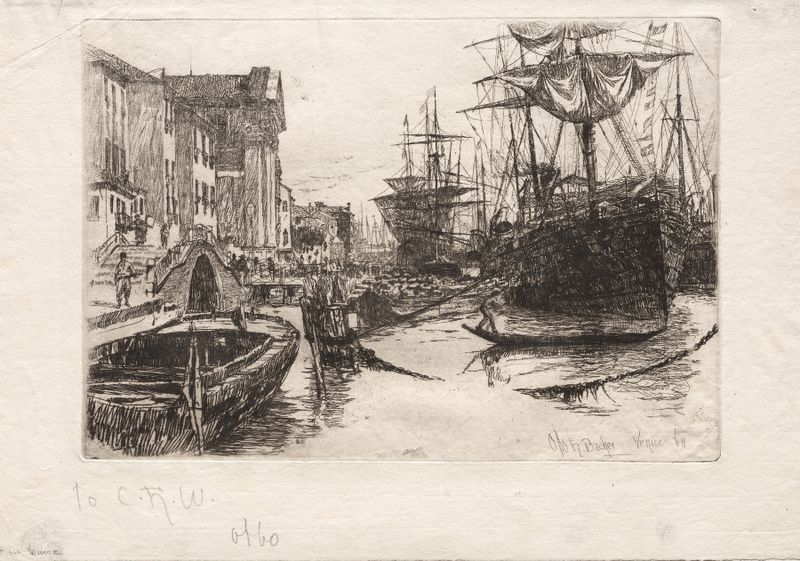
View in Venice
Otto Henry Bacher
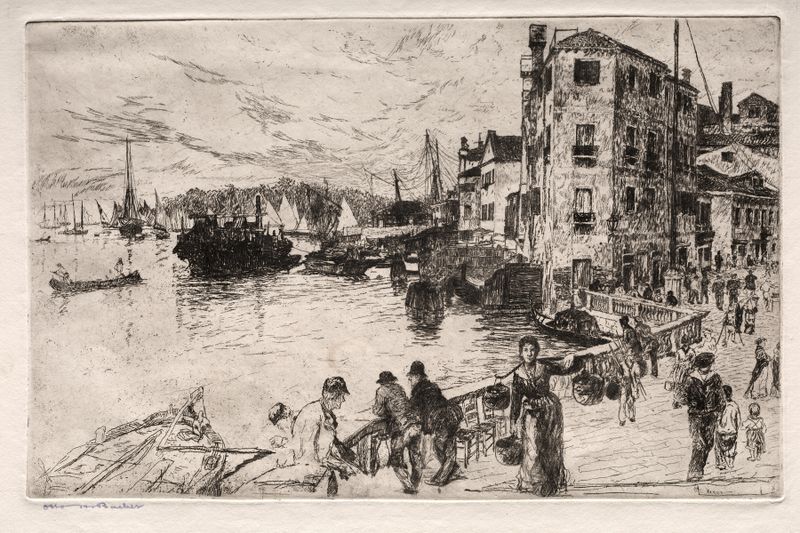
Castello Quarters, Riva
Otto Henry Bacher
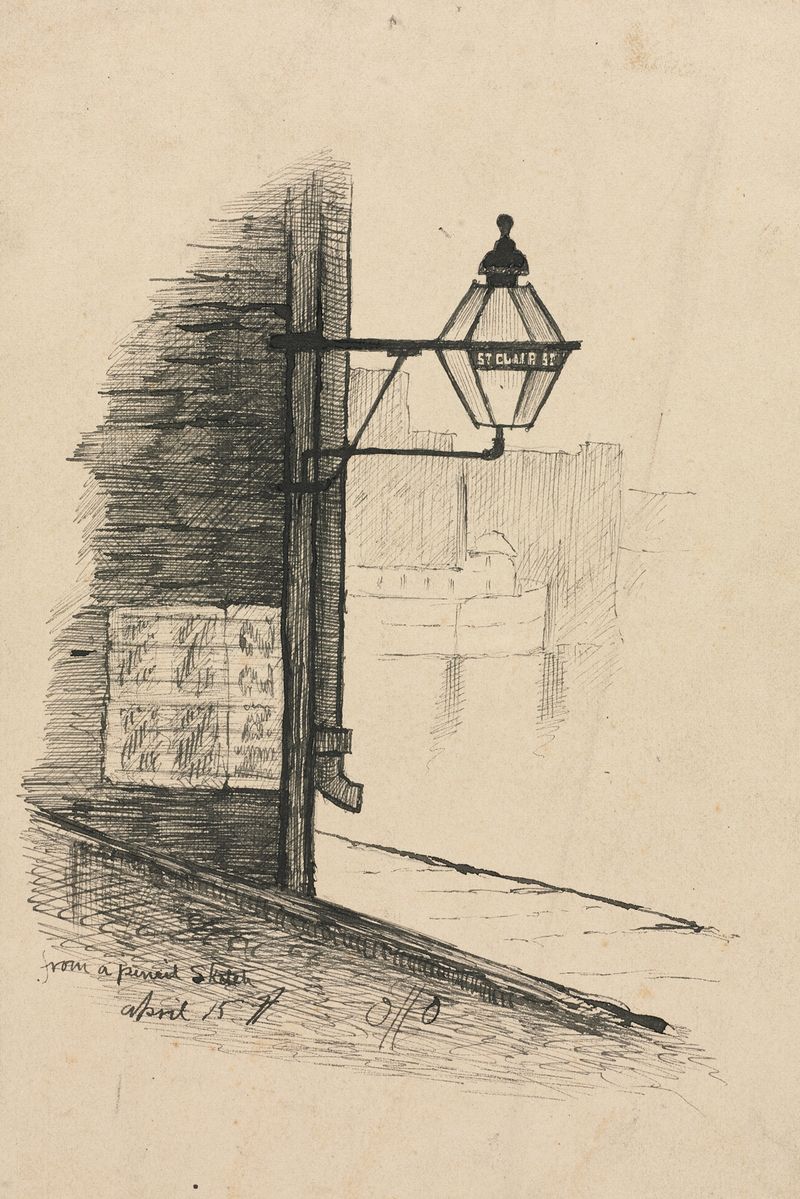
St. Clair Street, Cleveland
Otto Henry Bacher
More Architecture Art
Browse all →
The statue of Liberty
Frédéric Auguste Bartholdi

View of Houses in Delft, Known as ‘The Little Street’
Johannes Vermeer

View of Houses in Delft, Known as ‘The Little Street’
Johannes Vermeer

The Cathedral in Rouen. The portal, Grey Weather
Claude Monet

The yellow house
Vincent van Gogh

The Church in Auvers-sur-Oise, View from the Chevet
Vincent van Gogh