
The Road to Versailles, Louveciennes,Morning Frost — History & Facts
When did color learn to lie? In a world where hues dance in chaos, the brush strokes of a master weave a tapestry of morning light and frost, hinting at truths beyond mere representation. Focus on the central path winding through the landscape, where the earth meets the soft pallor of frost-kissed grass. Examine how the cool tones of blue and gray envelop the scene, while flashes of sunlight gently illuminate the edges of the foliage. Pissarro's technique reveals an enchanting balance between realism and impressionism; the brushwork is both deliberate and spontaneous, capturing a fleeting moment in time that feels alive. The contrast between the tranquil beauty of the landscape and the impending chaos of change resonates deeply.
The stillness of the scene belies the tumultuous year of 1871, as the backdrop of the Franco-Prussian War loomed over France, forever altering its social fabric. Within this simplicity lies an underlying tension; winter’s icy grip is slowly releasing, yet the memories of conflict linger in the cool air, suggesting a world caught between nostalgia and uncertainty. Painted in Louveciennes, a serene suburb of Paris, this piece emerged during a pivotal moment in Pissarro's life. Having recently relocated to this tranquil area, he sought refuge from the upheaval of war, embracing the landscape as a source of inspiration.
This work encapsulates the essence of impressionism's evolution, as artists sought to capture not just visual truths but the emotional resonance of their surroundings amidst the chaos of a changing world.
More Artworks by Camille Pissarro
Browse all →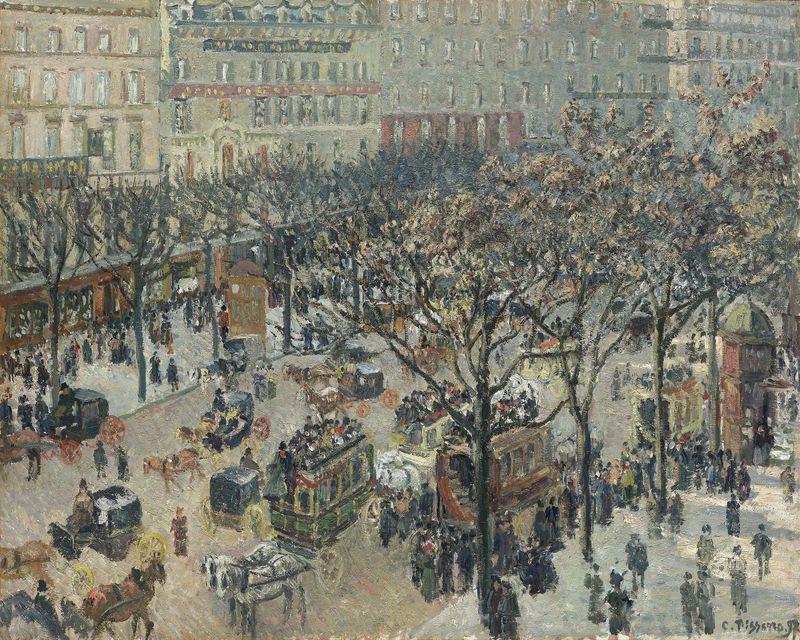
Boulevard des Italiens,Morning_Sunlight
Camille Pissarro
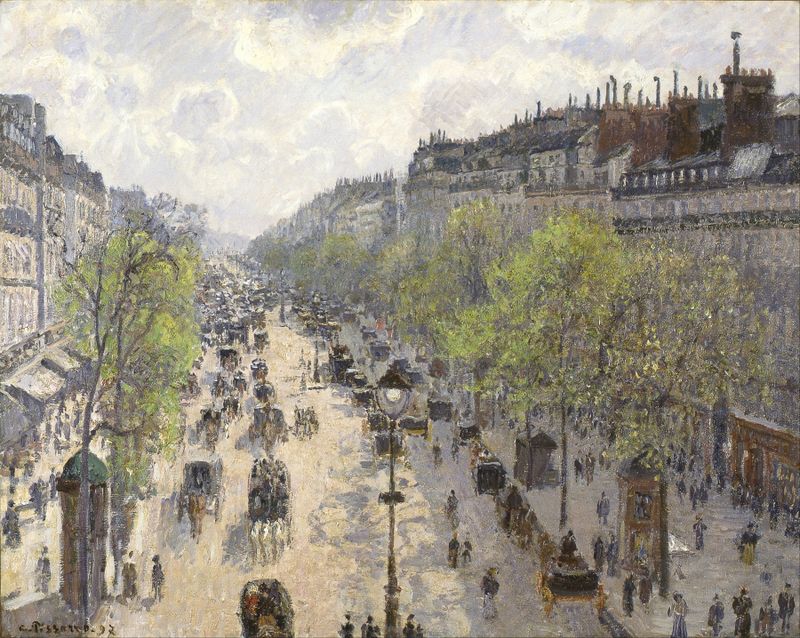
Boulevard Montmartre, Spring
Camille Pissarro
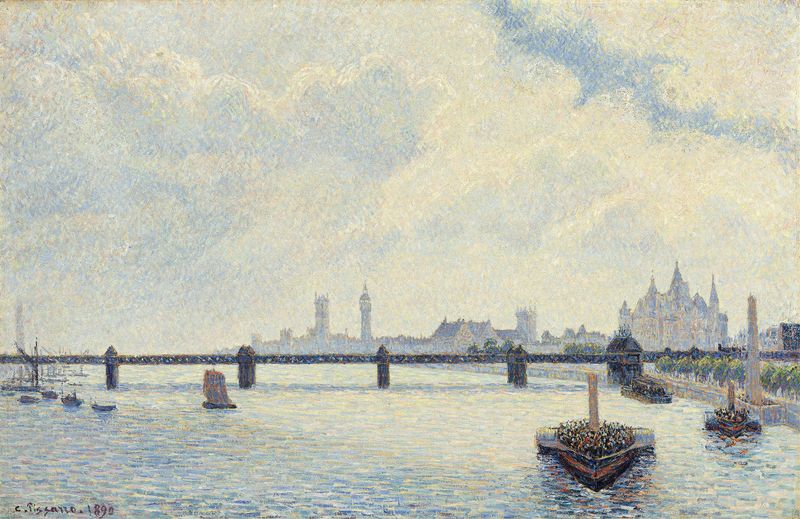
Charing Cross Bridge,London
Camille Pissarro
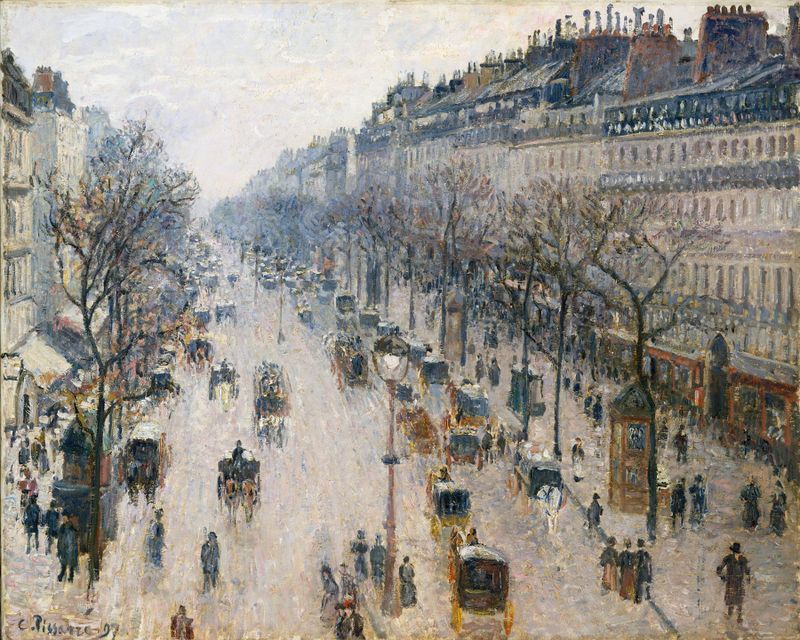
The Boulevard Montmartre on a Winter Morning
Camille Pissarro
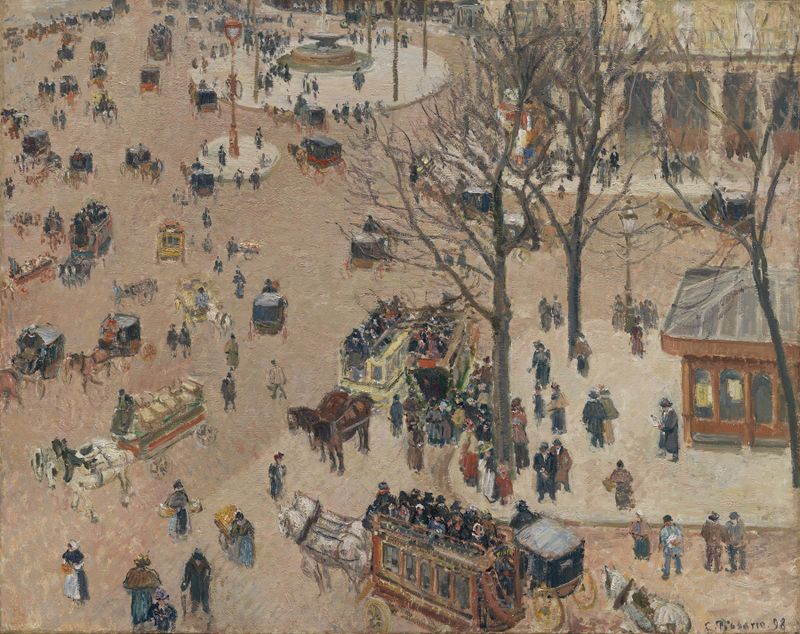
La Place du Théâtre Français
Camille Pissarro

Rue Saint-Lazare, Paris
Camille Pissarro
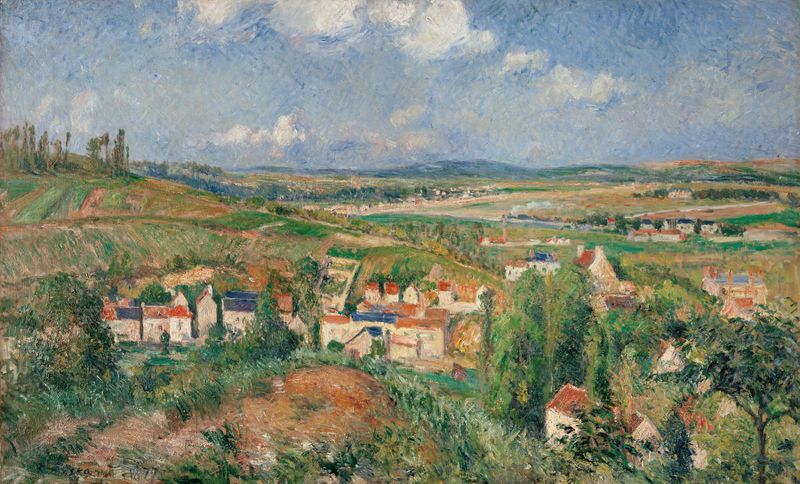
L’hermitage En Été, Pontoise
Camille Pissarro

Place du Theatre Francais,Fog Effect
Camille Pissarro
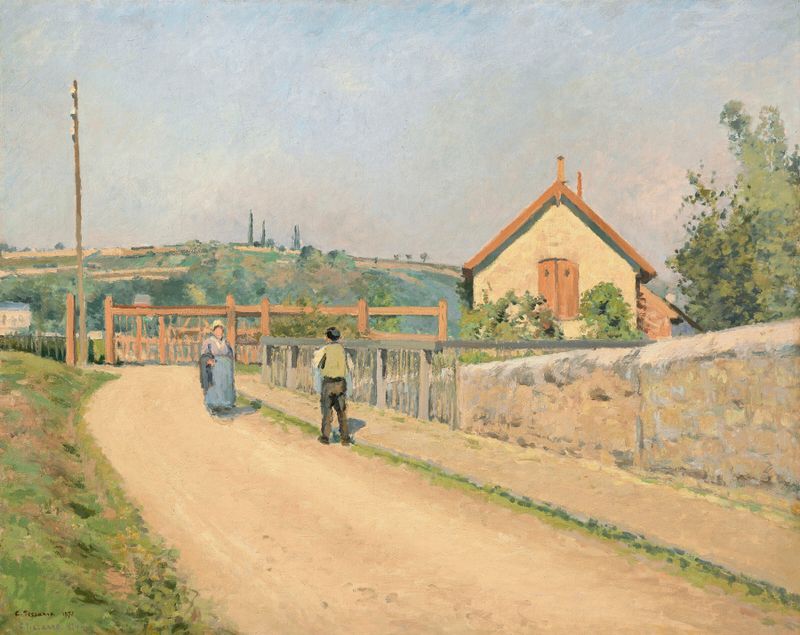
La barrière du chemin de fer, aux Pâtis près Pontoise
Camille Pissarro
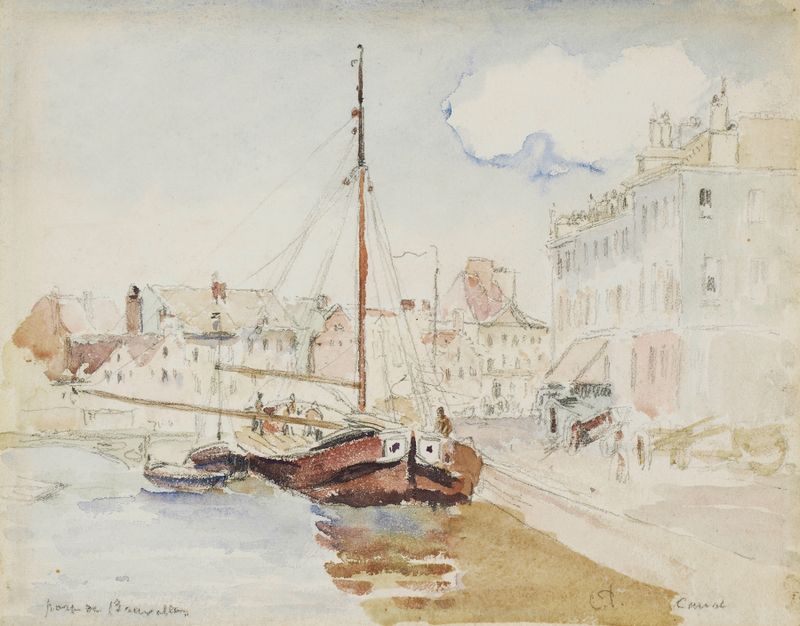
Port de Bruxelles
Camille Pissarro





