The Rose Garden — History & Facts
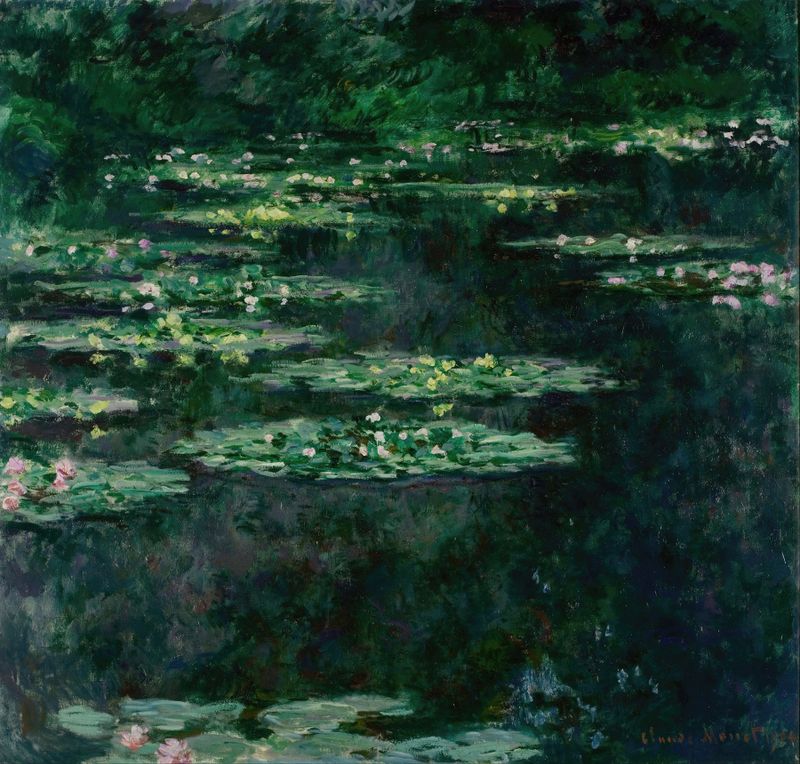
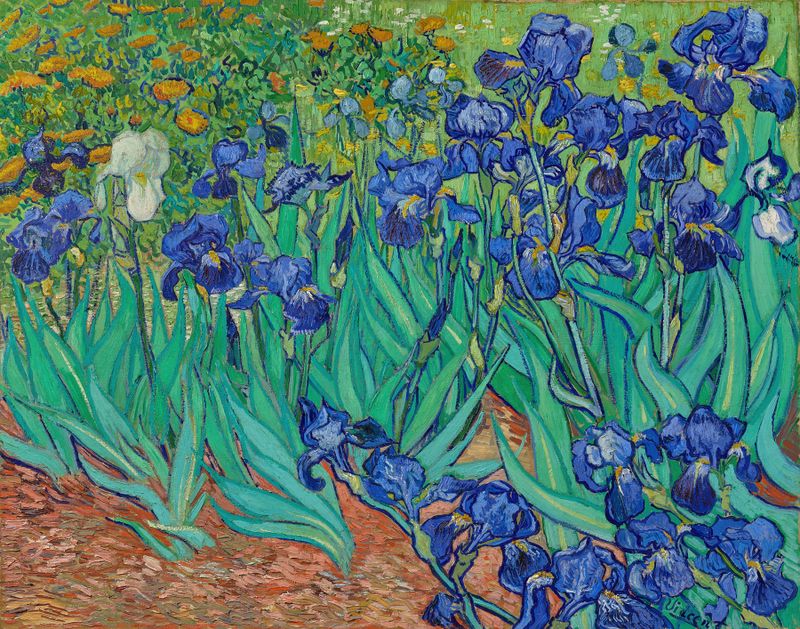
In the heart of a lush garden, petals tremble in the breeze while shadows stretch across the cobblestone path. A woman, draped in soft pastels, kneels beside a bloom, her fingers gently brushing the delicate petals as if they were a cherished memory. The sun filters through the leaves above, casting dappled light that dances upon her serene yet wistful expression, capturing the bittersweet essence of remembrance. Look to the right at the vibrant roses bursting with color, their deep reds and soft pinks contrasting with the muted greens around them.
Notice how the light falls upon the woman's hand—its careful, almost reverent gesture draws the viewer's eye, suggesting a connection between the figure and the flowers. The composition is intimate; the softness of her attire and the overall palette evoke a sense of nostalgia, enveloping the scene in both beauty and sorrow. Delve deeper, and you’ll find the interplay between the roses and the woman's grief. Each flower can be seen as a metaphor for lost love—radiant yet transient, highlighting life's fleeting nature.
The quietude of the moment conveys a profound emotional tension, where beauty and sadness coexist, suggesting that in the embrace of nature, one may find solace amid loss. The juxtaposition of vibrant life and lingering sorrow leaves a powerful resonance long after one has stepped away. Emil Czech painted The Rose Garden in 1904 during a time when he was grappling with personal loss, a theme that would deeply influence his work. Living in a rapidly changing world, where traditional art forms were being challenged by new movements, Czech sought to create pieces that resonated with emotional depth.
His exploration of grief within the tender embrace of nature speaks to universal human experiences, creating a dialogue that transcends time.