
The Royal Opera, Unter den Linden, Berlin — History & Facts
Under the shadows of history, how do we honor the delicate interplay between light and dark in a moment captured on canvas? Look to the left at the intricate façade of the opera house, its grandeur defined by layers of soft ochre and rich umber. The painstaking detail in the architecture beckons your gaze – each window reflects the life bustling below. Notice how the artist uses luminescent highlights to contrast against the deep shadows, creating a sense of drama and vibrancy that brings the scene to life.
The figures in the foreground, swathed in tones of muted earth, contrast sharply with the bright daytime sky, guiding you deeper into the narrative of daily existence. Yet, within this seemingly straightforward depiction lies a tapestry of deeper meanings. The shadows that dominate the lower half signify the weight of culture and tradition, while the joyful activity of the crowd above suggests a celebration of art and community. Gaertner's choice to emphasize contrast not only brings forth the physical structure but also hints at the complexities of societal roles and the ephemeral nature of performance, as shadows signify both presence and absence in this lively scene. Eduard Gaertner painted this work in 1845 during a time of burgeoning cultural identity in Berlin.
As the city blossomed into a hub of artistic and social movements, he found himself at the intersection of tradition and modernity. This painting reflects his keen observation of urban life and the architectural beauty surrounding him, capturing a moment when the opera was not just a place of performance but a symbol of civic pride and community connection.
More Artworks by Eduard Gaertner
Browse all →
View of Berlin with the Ephraim Palais at Left
Eduard Gaertner
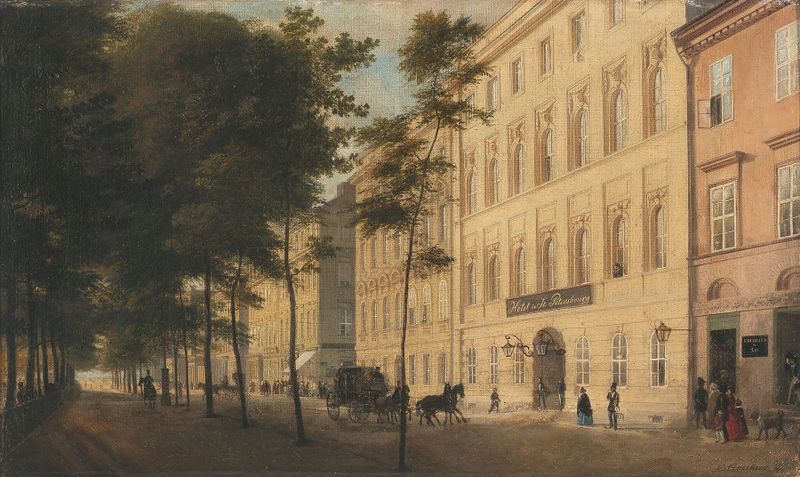
Blick in die Straße Unter den Linden, Ecke Charlottenstraße, mit dem Hôtel de St. Petersbourg
Eduard Gaertner
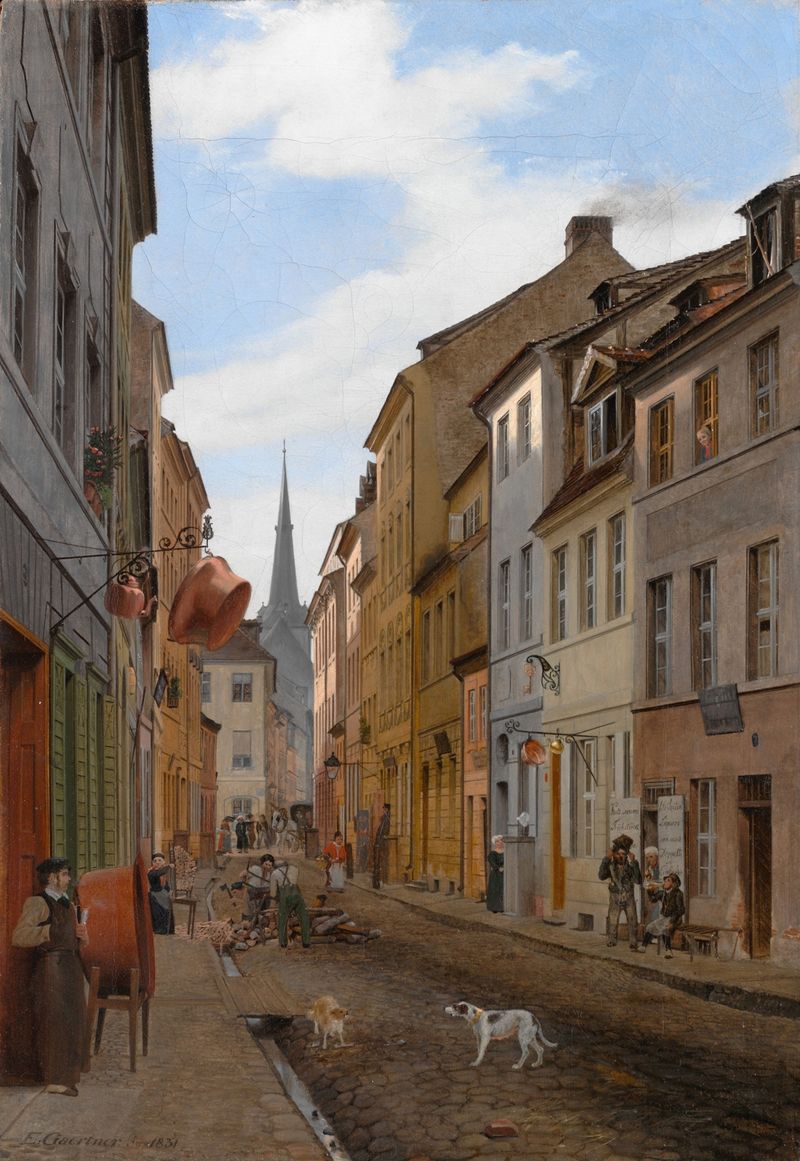
Parochialstrasse in Berlin
Eduard Gaertner
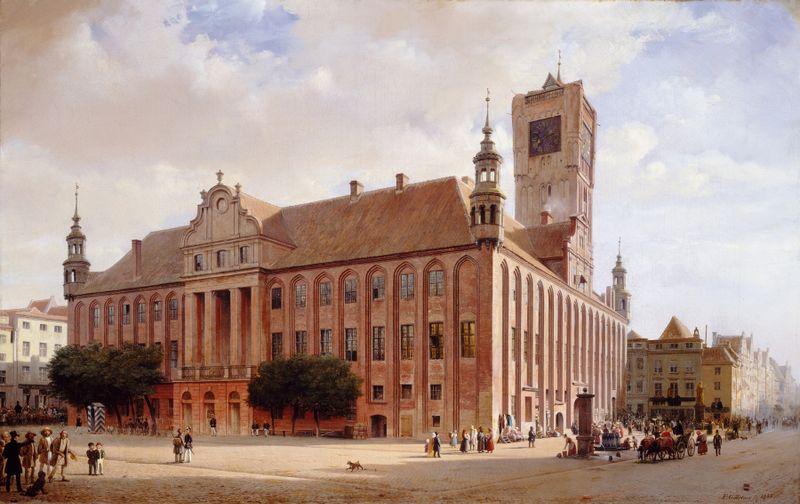
City Hall at Thorn
Eduard Gaertner
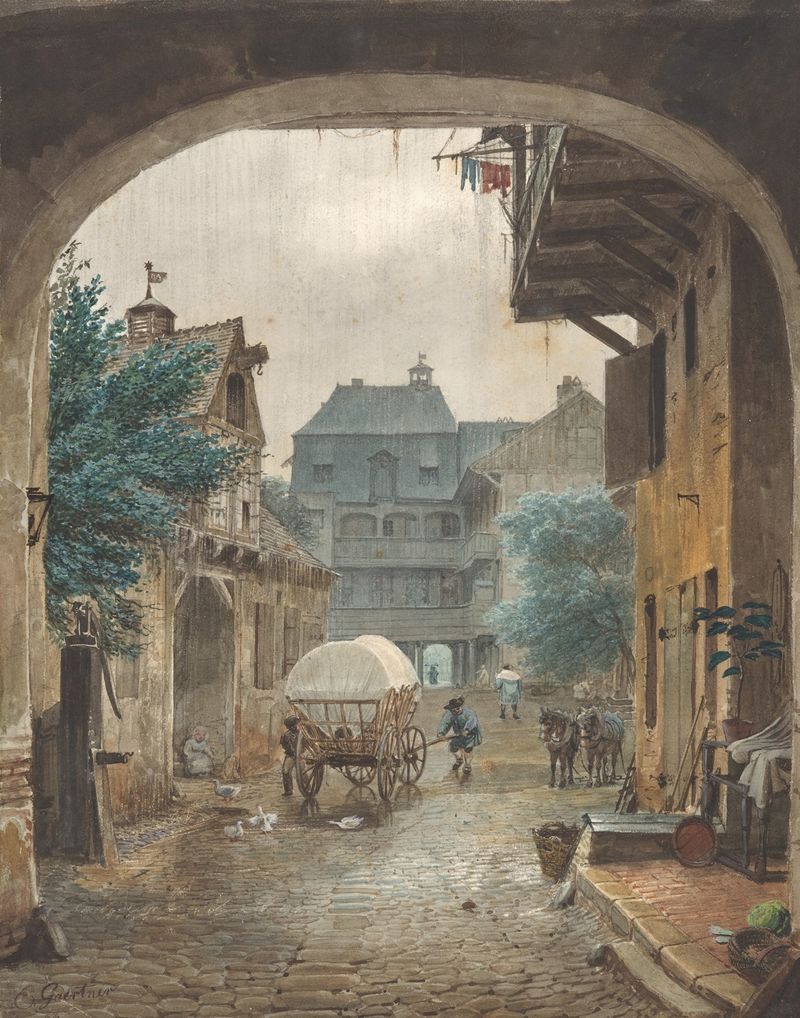
View into the Courtyard of an Inn at Colmar
Eduard Gaertner
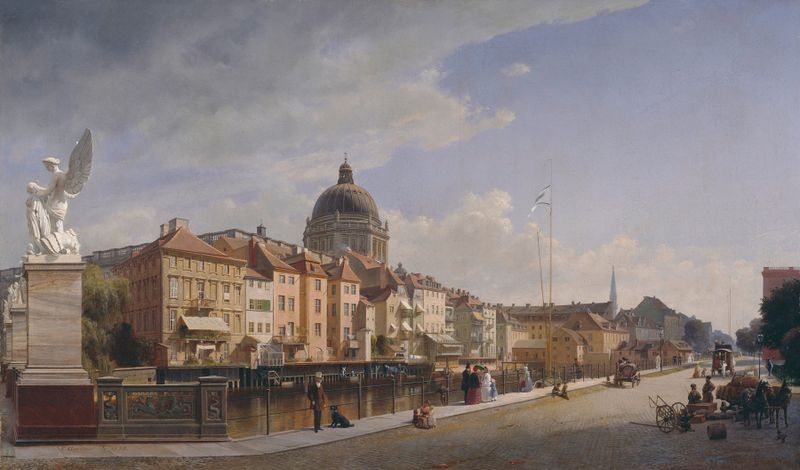
Rear view of the Houses at Schloßfreiheit
Eduard Gaertner
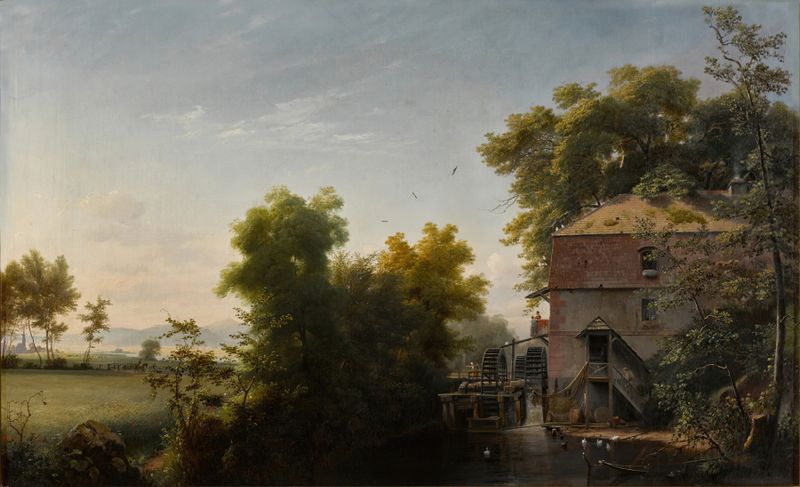
The Water Mill at Heilsberg
Eduard Gaertner

The Egyptian Temple Court in the Neues Museum, Berlin
Eduard Gaertner
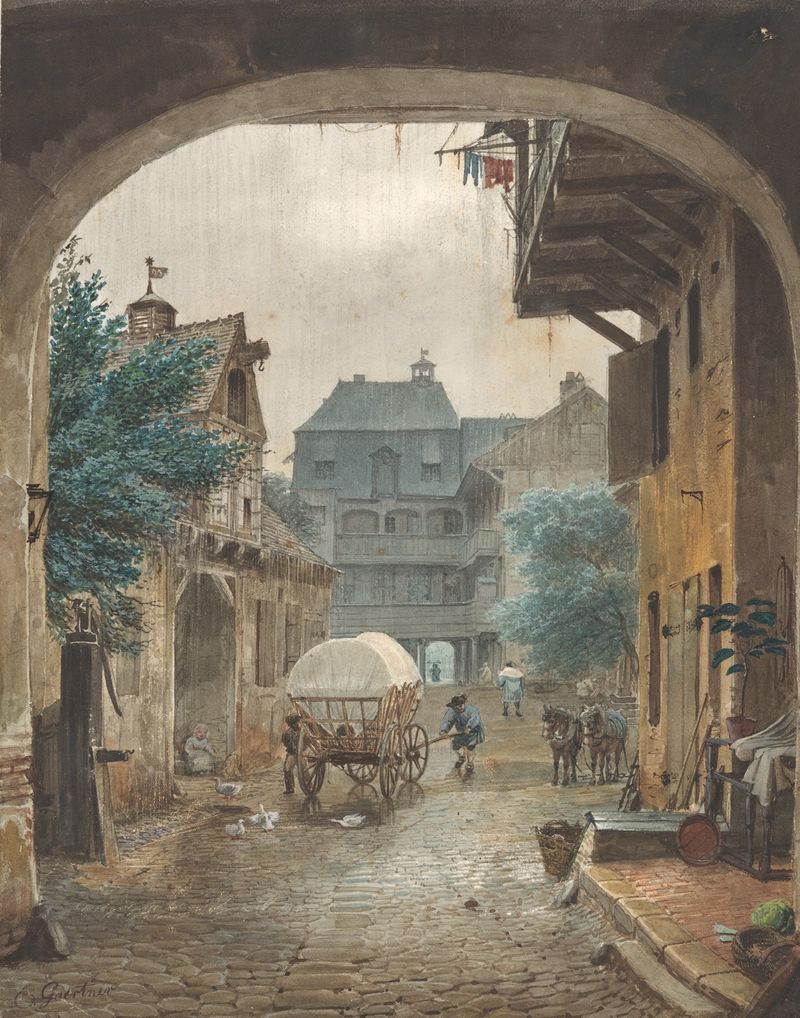
View into the Courtyard of an Inn at Colmar
Eduard Gaertner
More Architecture Art
Browse all →
The statue of Liberty
Frédéric Auguste Bartholdi

View of Houses in Delft, Known as ‘The Little Street’
Johannes Vermeer

View of Houses in Delft, Known as ‘The Little Street’
Johannes Vermeer

The Cathedral in Rouen. The portal, Grey Weather
Claude Monet

The yellow house
Vincent van Gogh

The Church in Auvers-sur-Oise, View from the Chevet
Vincent van Gogh