
The Sabine Mountains — History & Facts
In the tranquil repose of nature, the Sabine Mountains offer a striking testament to the duality of existence — where splendor masks the weight of solitude. Focus on the vast expanse of the mountains, their rugged peaks rising dramatically against a cerulean sky. Light filters through the clouds, casting ethereal shadows over the valleys below, creating a sense of depth and grandeur. Notice the rich greens and browns of the foliage, punctuated by the delicate interplay of warm sunlight, which breaths life into the landscape.
The composition is masterful, drawing the viewer’s eye toward the horizon, where the mountains appear both inviting and formidable. Within this serene vista lies a profound contrast. The idyllic beauty of the landscape juxtaposes with an underlying sense of isolation, as if the mountains bear witness to the passage of time and the weight of human ambition. Each brushstroke seems to whisper stories of dreams unfulfilled, as the grandeur of the peaks serves both as a refuge and a reminder of life's challenges.
The lush vegetation, while vibrant, hints at the fragility of beauty, suggesting that even in nature’s embrace, there is an undercurrent of unspoken sorrow. Created in the late 18th or early 19th century, this work reflects the Romantic movement’s fascination with nature’s sublime power. At this time, Jean-Joseph-Xavier Bidauld was immersed in the picturesque landscapes of Italy, where he sought to capture the raw emotion of the natural world. The period was marked by a yearning for emotional expression and a rediscovery of beauty through nature, a testament to the turbulent yet transformative era in which he painted.
More Artworks by Jean-Joseph-Xavier Bidauld
Browse all →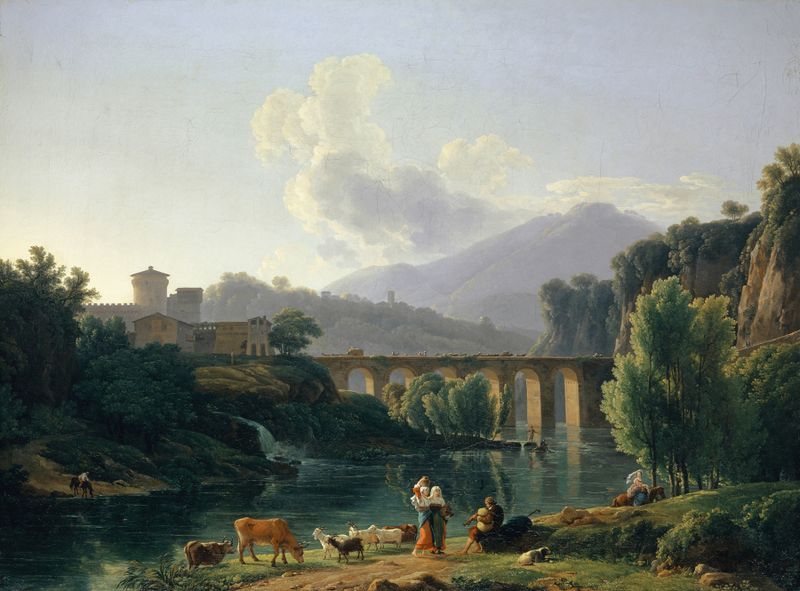
Roman Landscape with Viaduct
Jean-Joseph-Xavier Bidauld
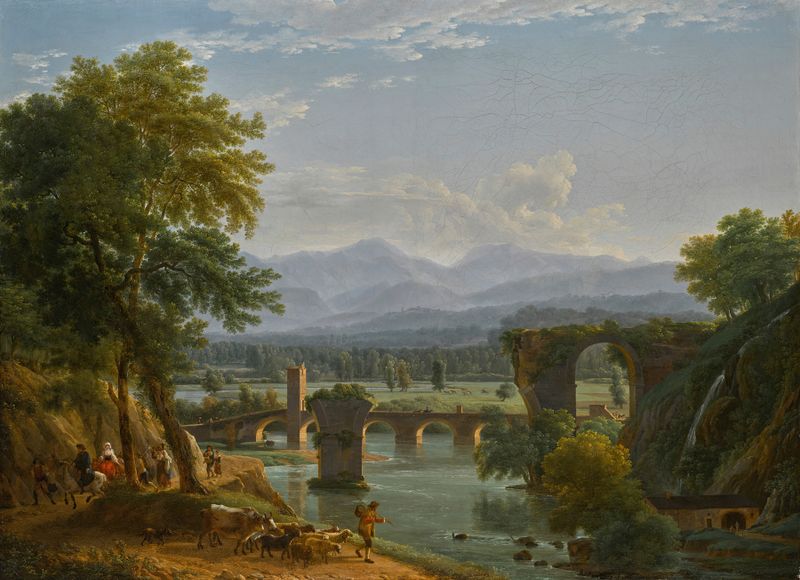
The Augustus Bridge Over The River Nera, Near The City Of Narni, Italy
Jean-Joseph-Xavier Bidauld

La baie de Naples
Jean-Joseph-Xavier Bidauld
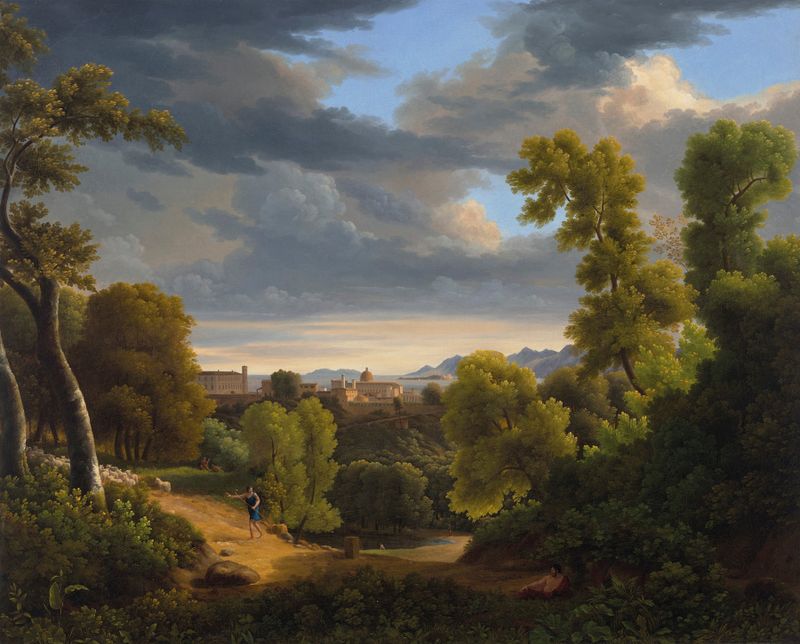
A view of Vietri near the sea in the Gulf of Salerno with Capri in the background
Jean-Joseph-Xavier Bidauld
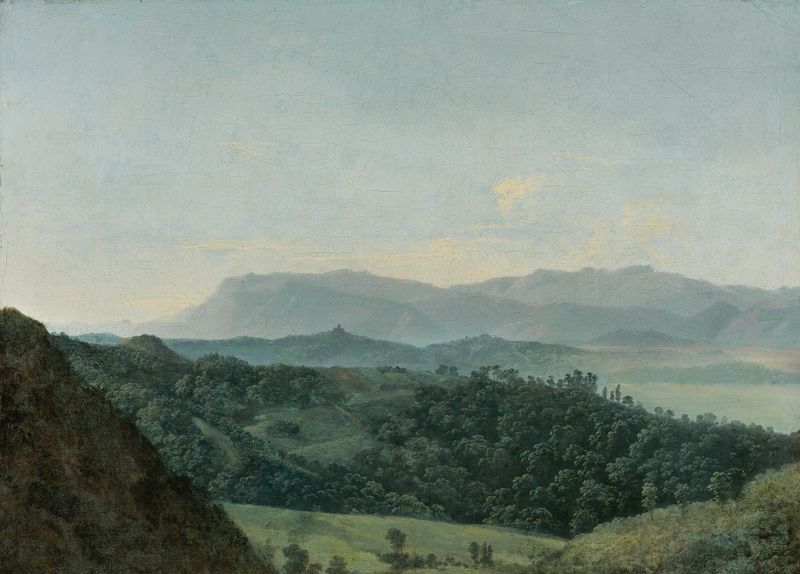
Extensive Mountainous Landscape
Jean-Joseph-Xavier Bidauld
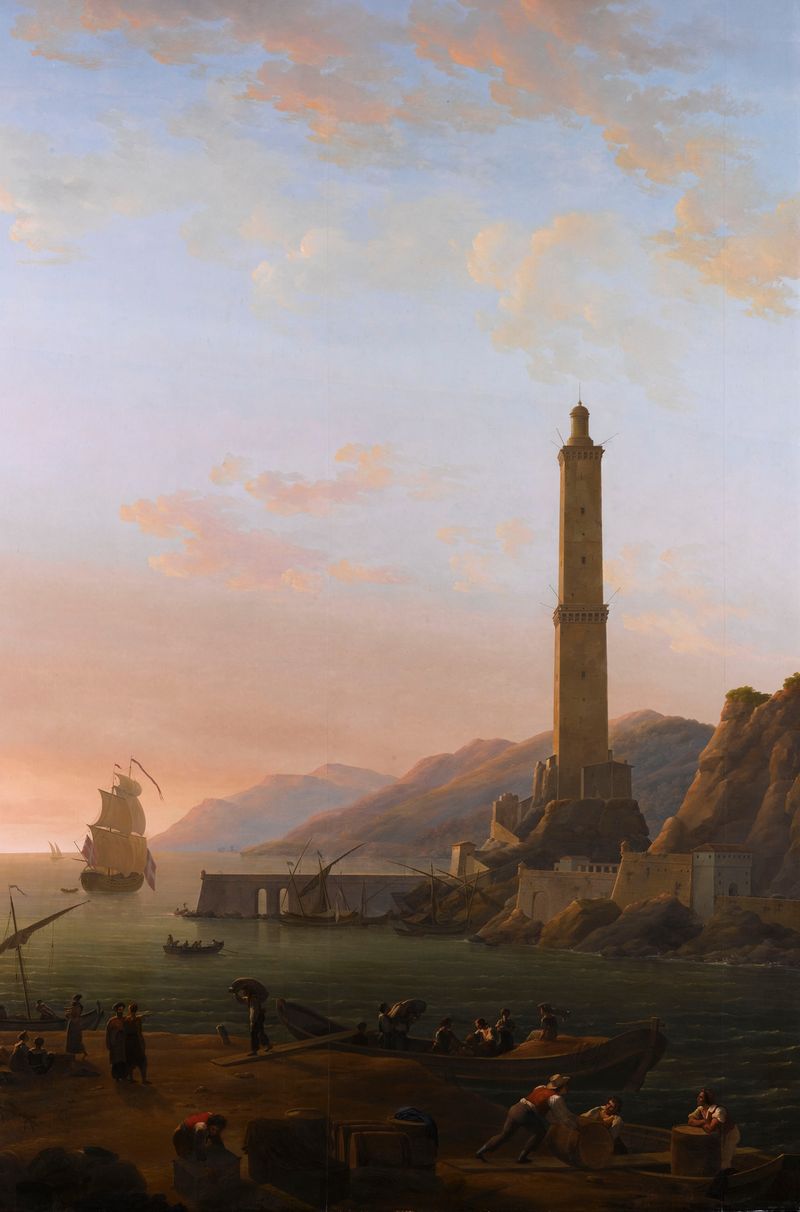
Le phare de Gênes
Jean-Joseph-Xavier Bidauld

Extensive Italian landscape with a town
Jean-Joseph-Xavier Bidauld

View of Bridge and the Town of Cava, Kingdom of Naples
Jean-Joseph-Xavier Bidauld
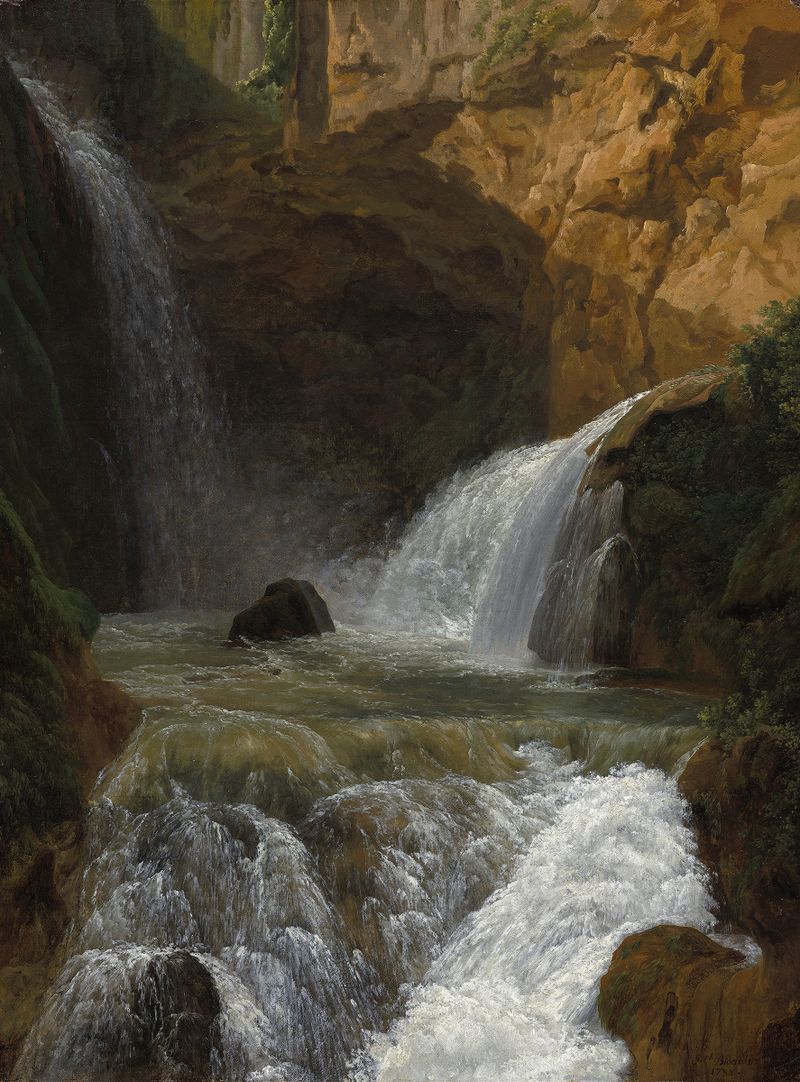
View of the Waterfalls at Tivoli
Jean-Joseph-Xavier Bidauld

Gorge at Cività Castellana
Jean-Joseph-Xavier Bidauld





