
View of the Waterfalls at Tivoli — History & Facts
Can beauty exist without sorrow? In View of the Waterfalls at Tivoli, the shimmering cascade is a powerful reminder of nature's duality, an invitation to reflect on the harmony found within contrasts. Look to the left, where the water descends in a flurry of white foam, the vivid blues and greens enveloping it in a cloak of life. The artist’s delicate brushstrokes convey the texture of the rocks, each crevice catching light differently, while a gentle mist rises, blurring the line between earth and sky. Notice how the sun filters through the lush trees, casting dappled shadows that dance over the scene, infusing the painting with a sense of tranquility amidst the chaotic flow of water. Yet, beneath this idyllic portrayal lies a deeper tension.
The sheer power of the waterfall suggests a relentless force, symbolizing nature's beauty intertwined with its potentially destructive might. The placid figure of a shepherd watching from the corner amplifies this contrast—he seems both at peace and vulnerable, reminding us of humanity's smallness against nature's grandeur. This duality invites viewers to ponder their relationship with the world around them, where joy coexists with the weight of existence. In 1788, Jean-Joseph-Xavier Bidauld was painting in France, a period marked by burgeoning Romanticism that celebrated nature’s majesty.
He sought to capture the sublime beauty of landscapes, influenced by his travels and the artistic conversations of his time. As political and social tensions simmered in Europe, his work reflected a longing for beauty, offering solace amidst uncertainty.
More Artworks by Jean-Joseph-Xavier Bidauld
Browse all →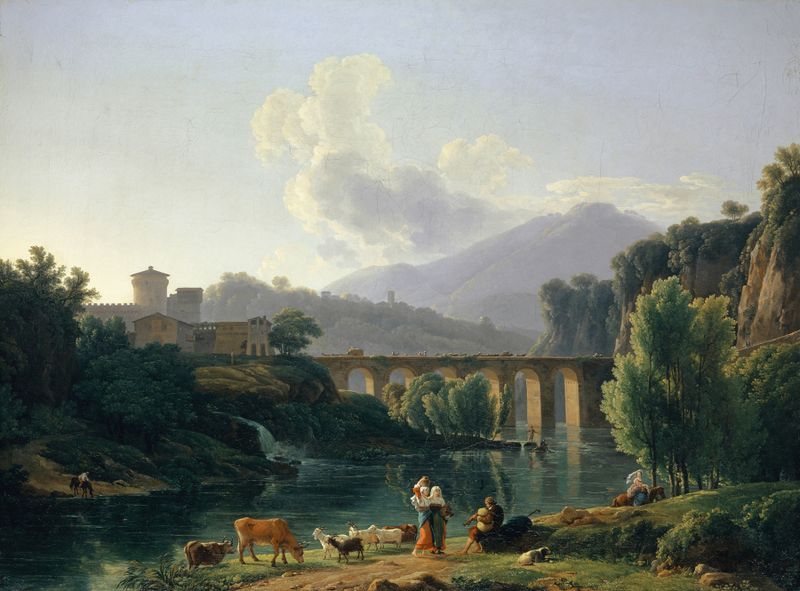
Roman Landscape with Viaduct
Jean-Joseph-Xavier Bidauld
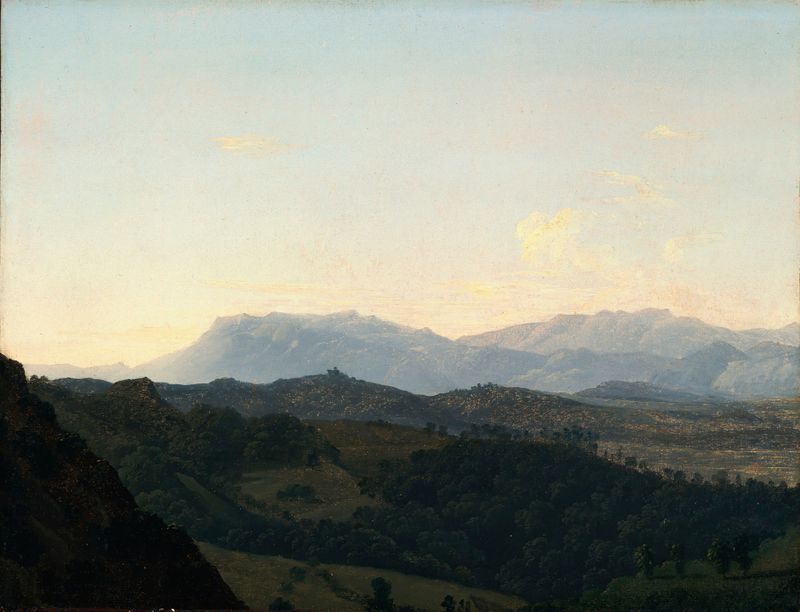
The Sabine Mountains
Jean-Joseph-Xavier Bidauld
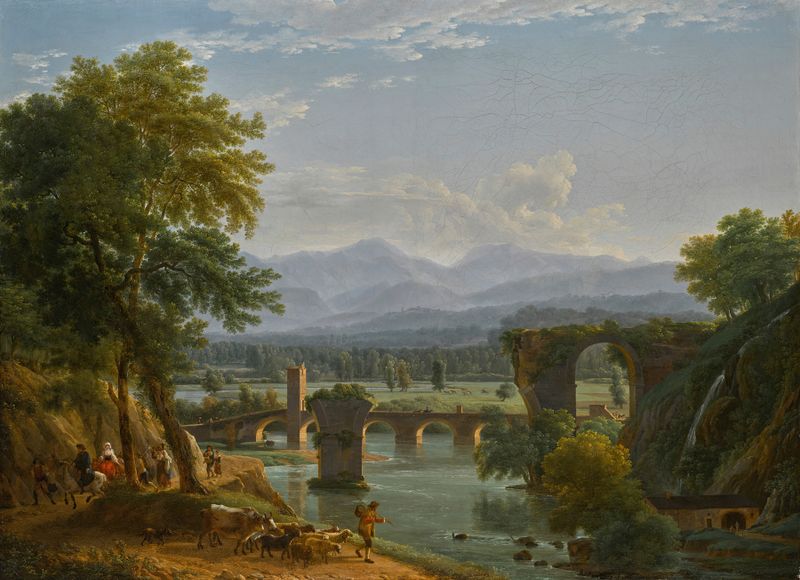
The Augustus Bridge Over The River Nera, Near The City Of Narni, Italy
Jean-Joseph-Xavier Bidauld

La baie de Naples
Jean-Joseph-Xavier Bidauld
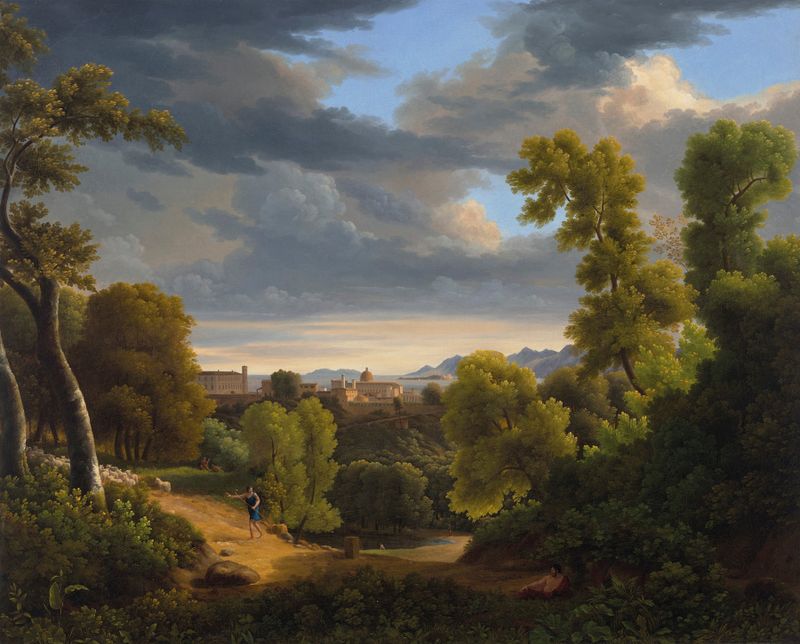
A view of Vietri near the sea in the Gulf of Salerno with Capri in the background
Jean-Joseph-Xavier Bidauld
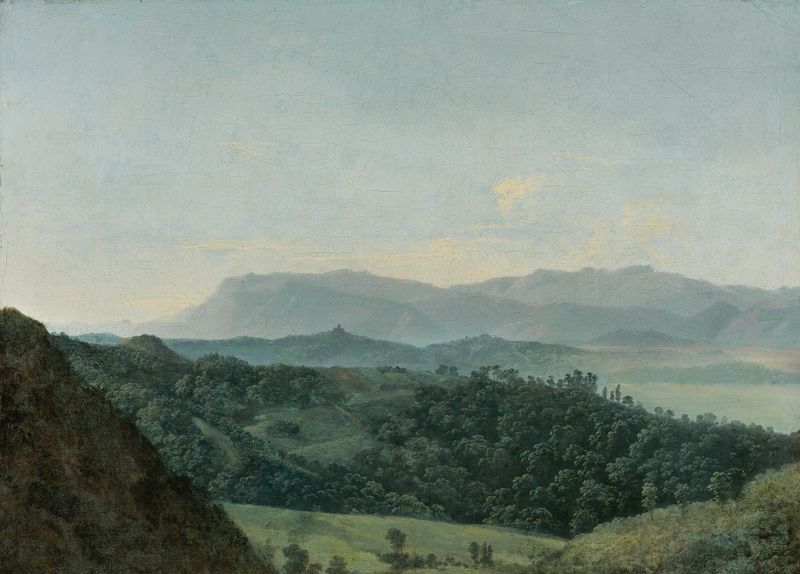
Extensive Mountainous Landscape
Jean-Joseph-Xavier Bidauld
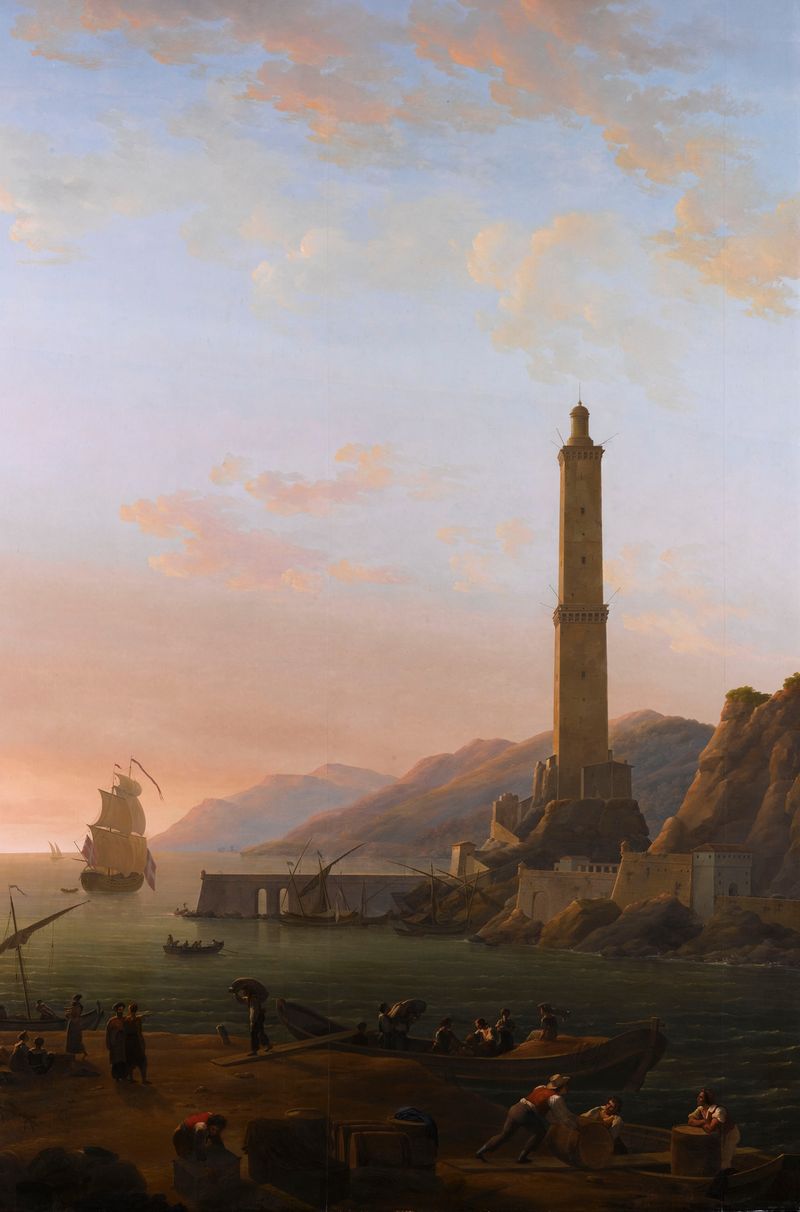
Le phare de Gênes
Jean-Joseph-Xavier Bidauld

Extensive Italian landscape with a town
Jean-Joseph-Xavier Bidauld

View of Bridge and the Town of Cava, Kingdom of Naples
Jean-Joseph-Xavier Bidauld

Gorge at Cività Castellana
Jean-Joseph-Xavier Bidauld





