
Le phare de Gênes — History & Facts
Could beauty survive in a century of chaos? The question lingers, feeling both urgent and timeless. Look to the horizon, where the towering lighthouse stands resolute against a tumultuous sea, framed by a canvas of soft, smoky blues and ochres. The warm light of the setting sun bathes the structure in a golden glow, hinting at the promise of sanctuary amidst the crashing waves below. Focus on the gentle brushstrokes that form the clouds, evoking a sense of movement and transition, while the sharp vertical lines of the lighthouse contrast with the fluidity around it, emphasizing its permanence. Within this serene yet dynamic seascape lies a deeper narrative of transformation.
The lighthouse, a beacon of hope, stands firm, signifying guidance and safety in the face of nature's fury. Yet, the turbulent waters below speak to the volatility of existence, suggesting that beauty is often forged through struggle. The interplay of light and shadow not only highlights the architectural marvel but also reflects the duality of stability and chaos that defines the human condition. Created during a period marked by shifting artistic movements, the artist crafted this piece at an unspecified time, likely amidst the rise of Romanticism in late 18th to early 19th-century France.
This era saw a burgeoning appreciation for nature’s sublime beauty and emotional depth, a counterstatement to the industrial revolution's encroachment. In this work, the artist not only solidifies his place in the art world but also captures the essence of an age grappling with profound transformations.
More Artworks by Jean-Joseph-Xavier Bidauld
Browse all →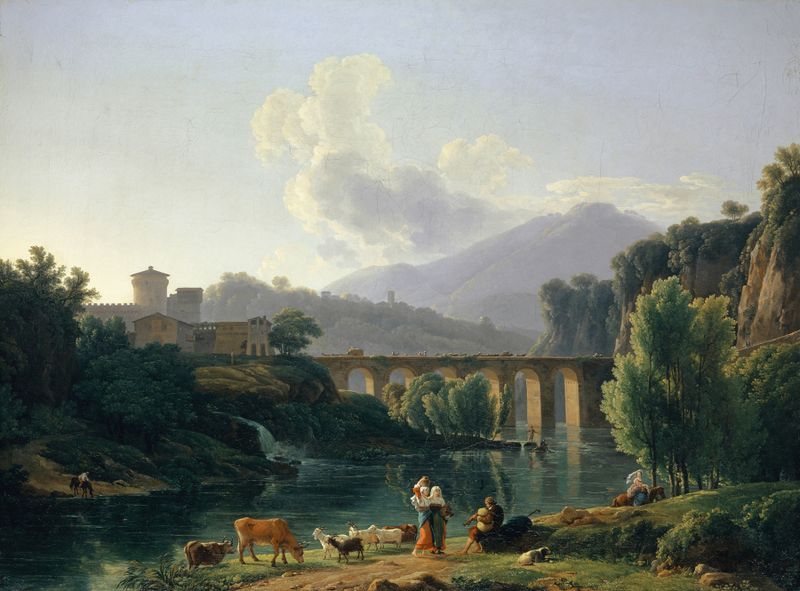
Roman Landscape with Viaduct
Jean-Joseph-Xavier Bidauld
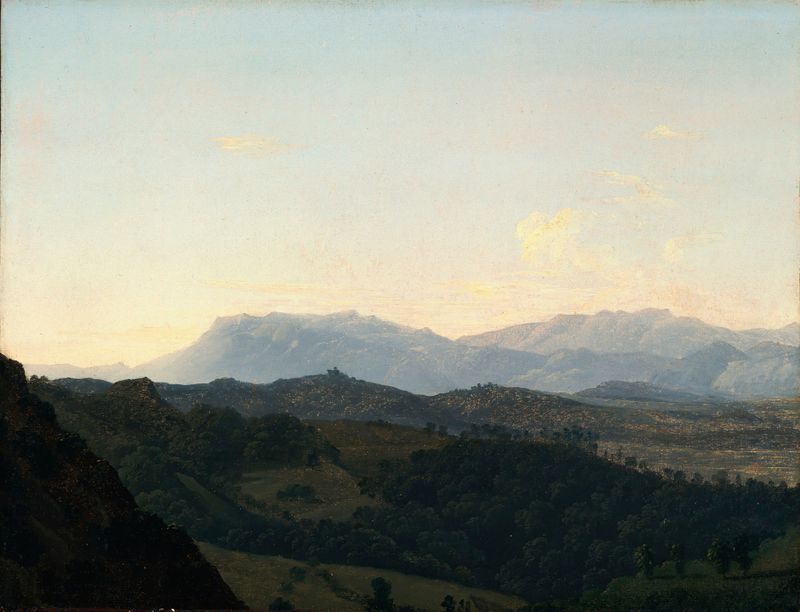
The Sabine Mountains
Jean-Joseph-Xavier Bidauld
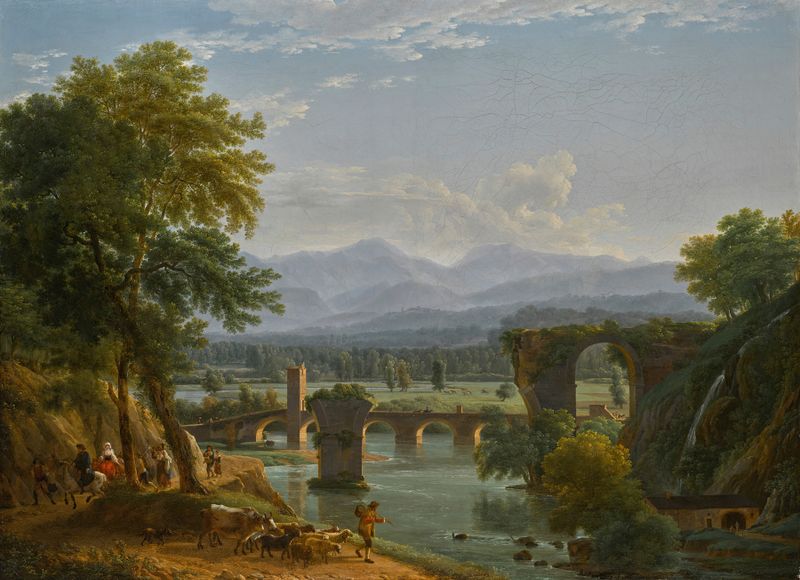
The Augustus Bridge Over The River Nera, Near The City Of Narni, Italy
Jean-Joseph-Xavier Bidauld

La baie de Naples
Jean-Joseph-Xavier Bidauld
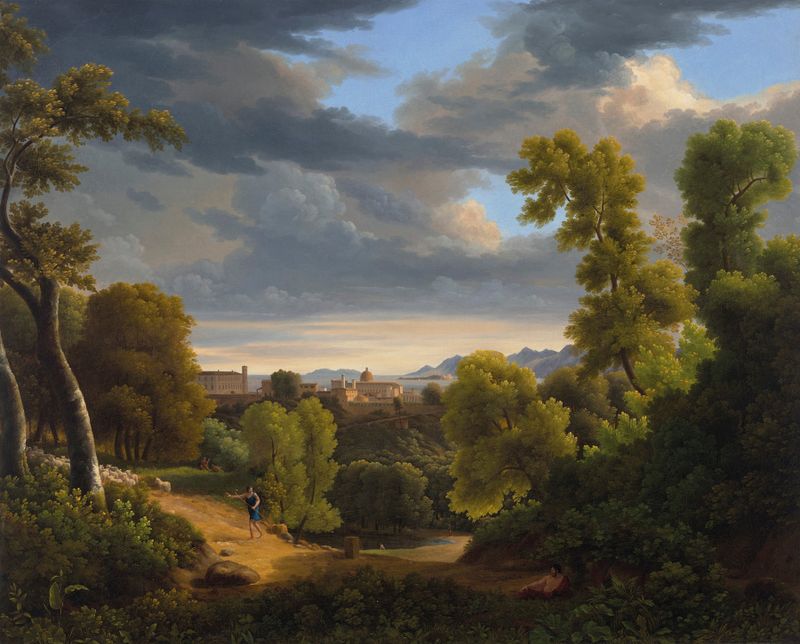
A view of Vietri near the sea in the Gulf of Salerno with Capri in the background
Jean-Joseph-Xavier Bidauld
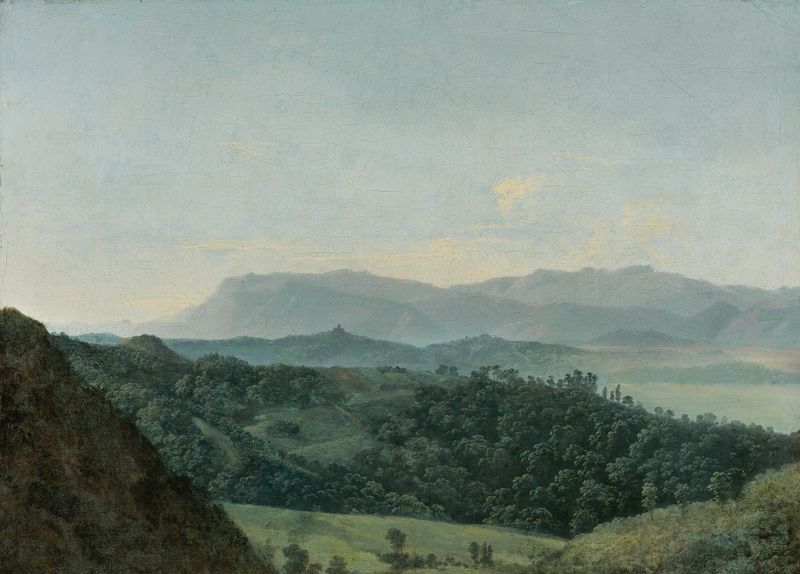
Extensive Mountainous Landscape
Jean-Joseph-Xavier Bidauld

Extensive Italian landscape with a town
Jean-Joseph-Xavier Bidauld

View of Bridge and the Town of Cava, Kingdom of Naples
Jean-Joseph-Xavier Bidauld
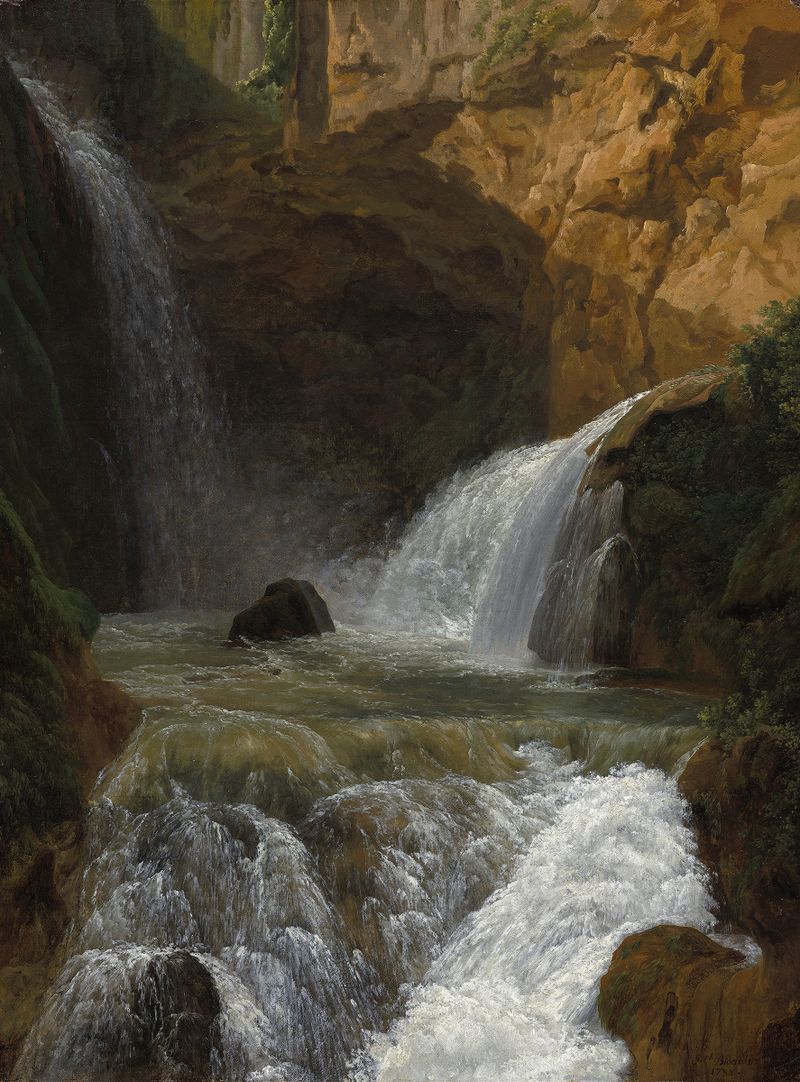
View of the Waterfalls at Tivoli
Jean-Joseph-Xavier Bidauld

Gorge at Cività Castellana
Jean-Joseph-Xavier Bidauld





