
The Sakrah, The Sacred Rock, Jerusalem — History & Facts
Within the heart of Jerusalem lies The Sakrah, The Sacred Rock, a moment frozen in time, awakening the viewer to the layers of history and emotion embedded in its stone. Look closely at the foreground, where the sacred rock commands attention, its textured surface inviting exploration. The artist employs a rich palette of earthy ochres and deep shadows, creating a sense of gravity and reverence. Notice how the light spills softly over the edges, illuminating the contours while casting long shadows that hint at the weight of centuries.
The figures, small and reverent, position themselves around the rock, their gestures echoing a collective breath, suspended in awe. The interplay of light and shadow reveals a deeper narrative—the juxtaposition of the sacred and the ordinary. Each figure embodies different aspects of devotion and uncertainty, their presence suggesting a longing that transcends the physical space. The sacred rock, both a place of worship and a historical witness, becomes a symbol of resilience against the backdrop of tumultuous change.
This tension between serenity and the passage of time resonates throughout the composition, inviting contemplation of what it means to be both human and sacred. In 1889, William Simpson, known for his detailed depictions of the Middle East, painted this work during a period of political and social upheaval. The vibrant world of art was shifting, with European artists increasingly drawn to exotic locales and their histories. Simpson's choice to capture the Sacred Rock reflects not only his personal experiences but also the broader fascination with the sacred spaces that define our collective identity.
More Artworks by William Simpson
Browse all →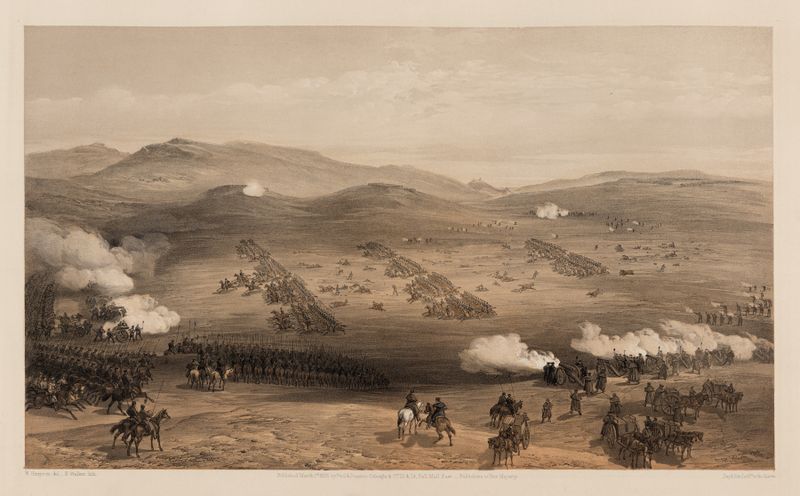
Charge of the light cavalry brigade, 25th Oct. 1854, under Major General the Earl of Cardigan
William Simpson

Charge of the heavy cavalry brigade, 25th Octr. 1854
William Simpson
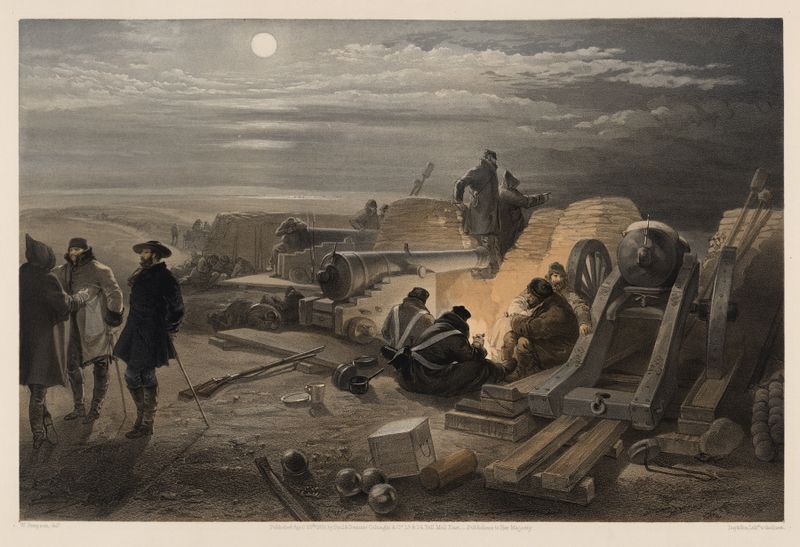
A quiet night in the batteries – a sketch in the Greenhill battery (Major Chapman’s), 29th Jany. 1855
William Simpson

The Great Wall of China
William Simpson
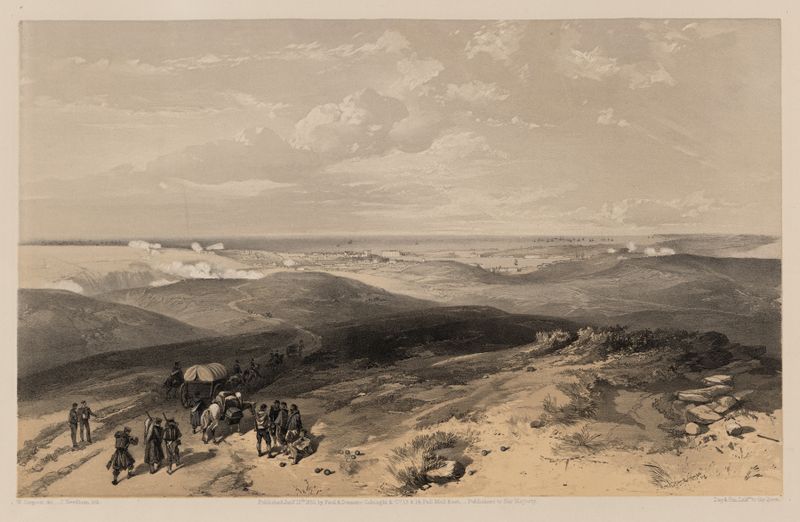
Sebastopol from the rear of the English batteries
William Simpson
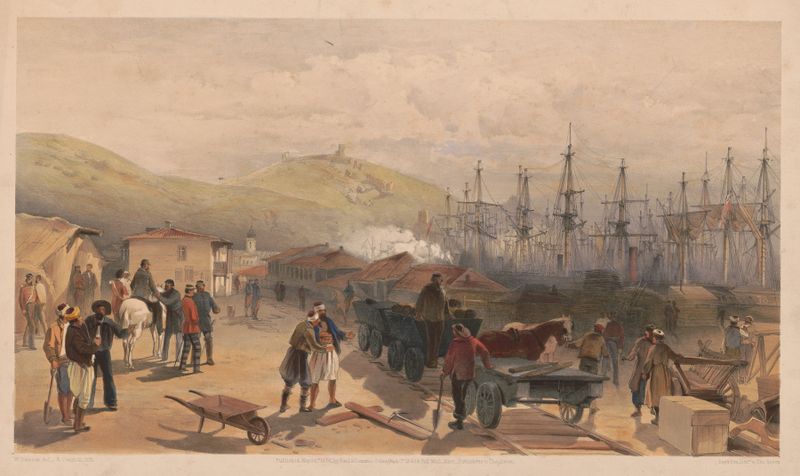
The railway at Balaklava, looking south
William Simpson

The Governor-General’s and Commander-in-Chief’s Camp at Jalandhar, 1 Febuary 1860
William Simpson
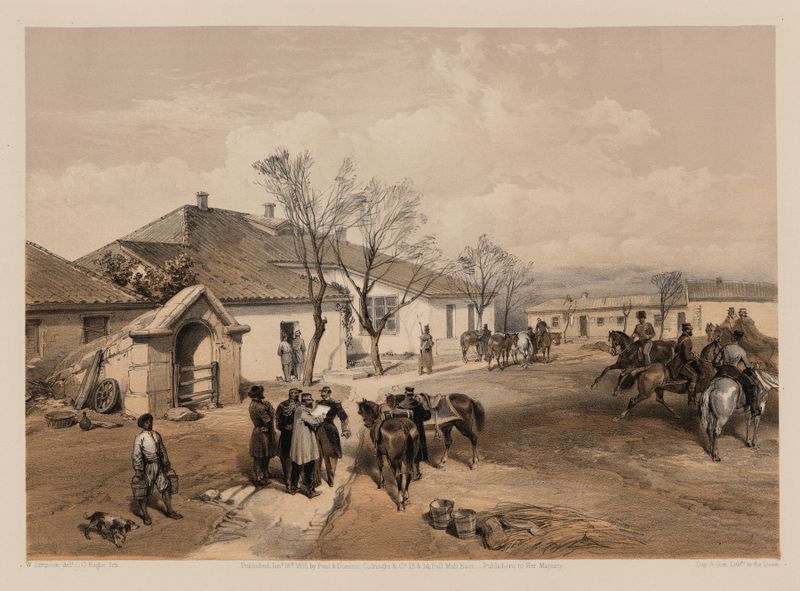
Lord Raglan’s head quarters at Khutor-Karagatch
William Simpson
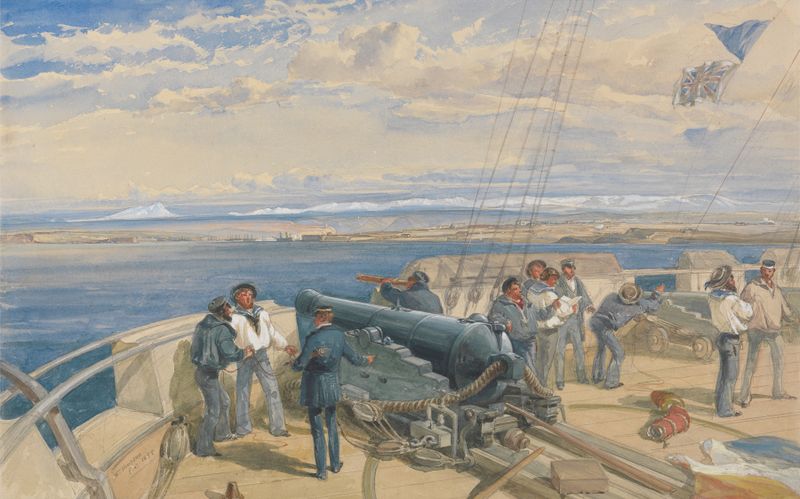
Sebastopol from the Sea, Sketched from the Deck of H. M. S. Sidon, Feb. 1855
William Simpson
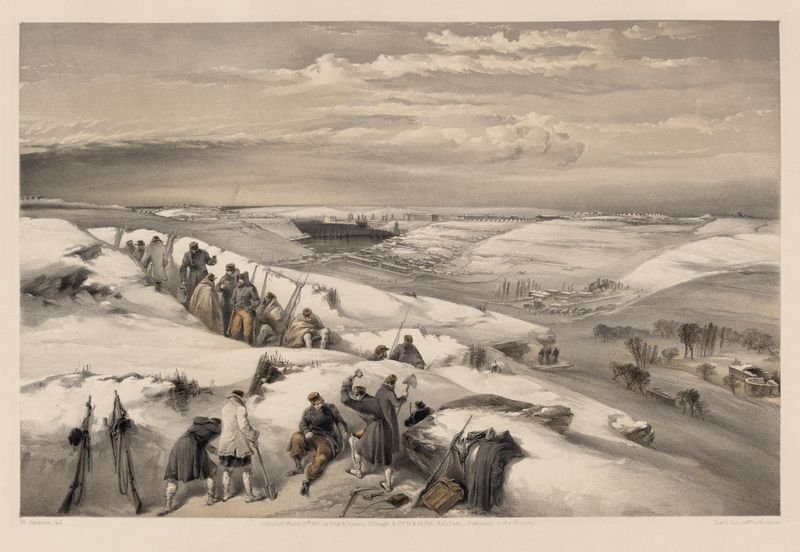
Sebastobol from the 26 gun battery on the extreme right of French attack
William Simpson
More Religious Art
Browse all →
The Return of the Prodigal Son
Rembrandt van Rijn

The Garden of Earthly Delights
El Bosco

Count Orgaz’ funeral
El Greco

The Hundred Guilder Print: the central piece with Christ preaching, the plate arched
Rembrandt van Rijn

The Descent from the Cross
Rogier van der Weyden

The return of the prodigal son
Rembrandt van Rijn