
The Seven Pagodas, Mamallapuram — History & Facts
Here, in a moment captured by the brush, truth emerges, beckoning us to explore the depths of its narrative. Look to the foreground, where rugged stone formations rise like ancient sentinels against a backdrop of vibrant blues and ochres. The artist's delicate strokes breathe life into the scene, inviting the viewer to trace the contours of the pagodas that stand solemnly, yet with grace. Notice how the light subtly dances across the textured surfaces, accentuating the play of shadow and illumination, creating a dialogue between the earthly and the divine. Beneath the surface, this artwork speaks of contrasts — the enduring strength of the stone against the ephemeral nature of sunlight, the stillness of history juxtaposed with the movement of time.
Each pagoda whispers stories of devotion and craftsmanship, hinting at the spirituality that once thrummed through Mamallapuram. In these details, we uncover a sense of reverence, a connection to the past that resonates deeply with our contemporary experience. The artwork emerged during a pivotal time for Samuel Davis, who painted it in the early 19th century while traveling through India. This was an era marked by a burgeoning fascination with Eastern cultures among Western artists.
As Davis explored the subcontinent, he found inspiration not only in its landscapes but also in the architectural marvels that stood resilient against the tides of time, reflecting a world rich in history and narrative.
More Artworks by Samuel Davis
Browse all →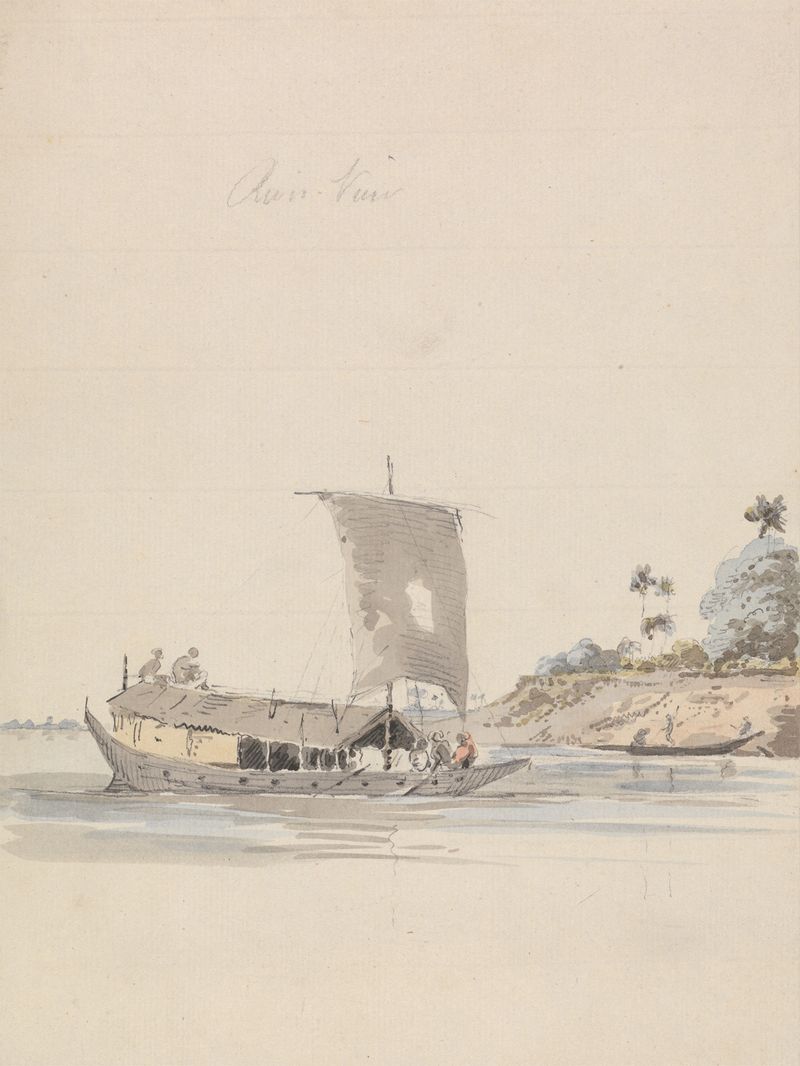
River View with a Junk (near Rajmahal)
Samuel Davis
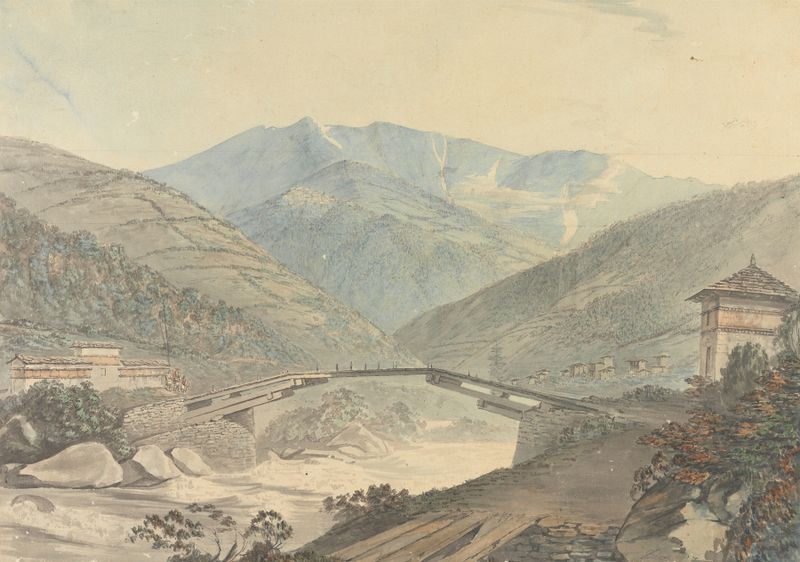
View near Tassisudon [Tashicho Dzong] in Bhutan
Samuel Davis
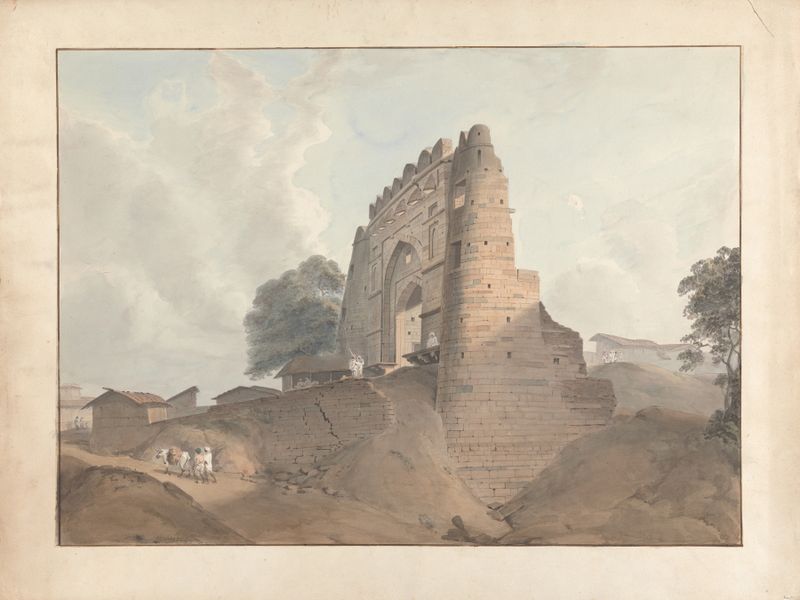
Gate of the Old Fort at Old Benares
Samuel Davis
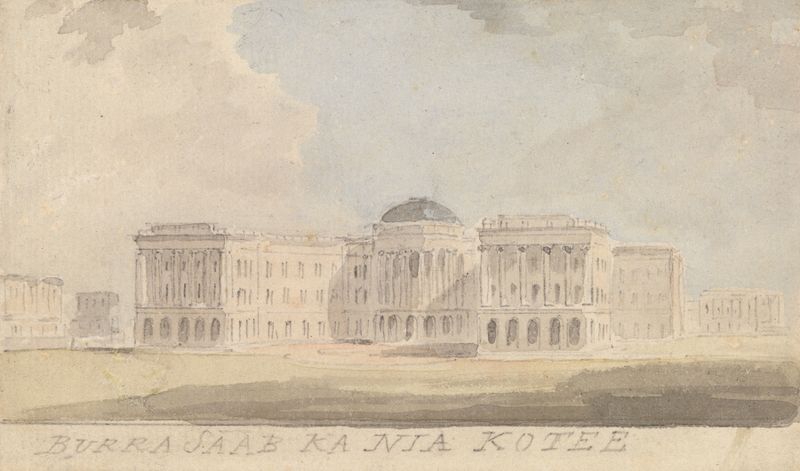
New Government House at Calcutta
Samuel Davis
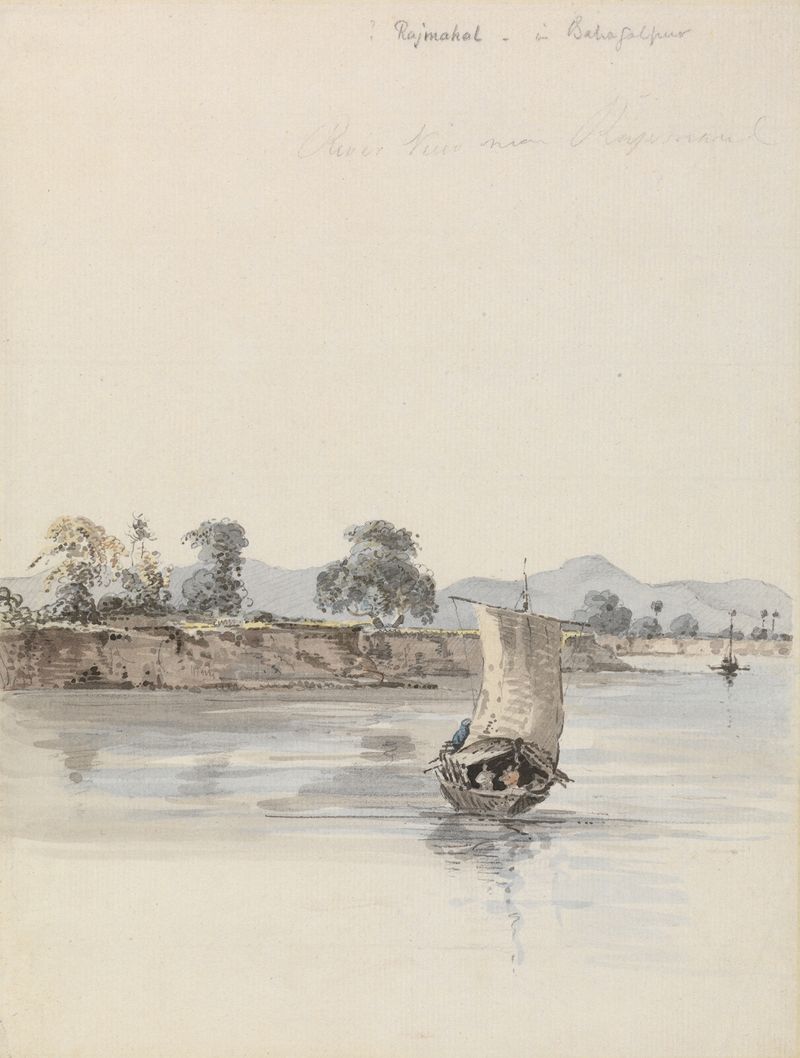
River View near Rajmahal
Samuel Davis
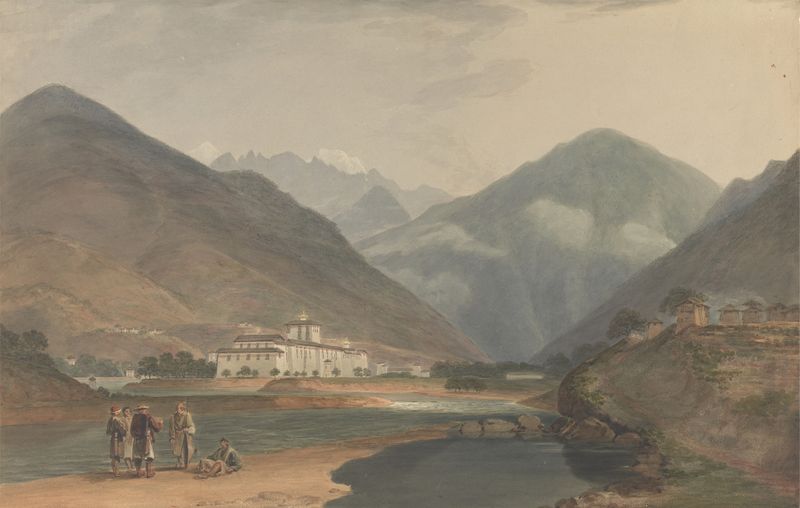
The Former Winter Capital of Bhutan at Punakha Dzong
Samuel Davis
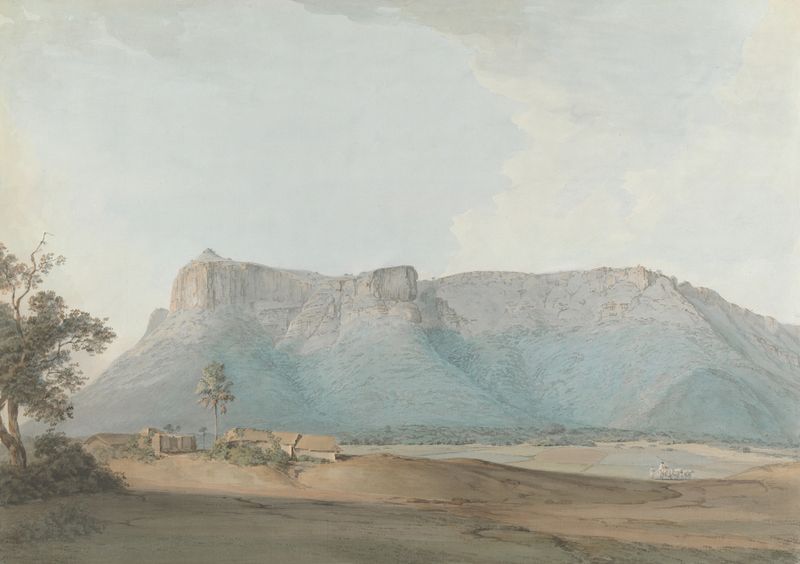
Rhotas from Akberpore
Samuel Davis
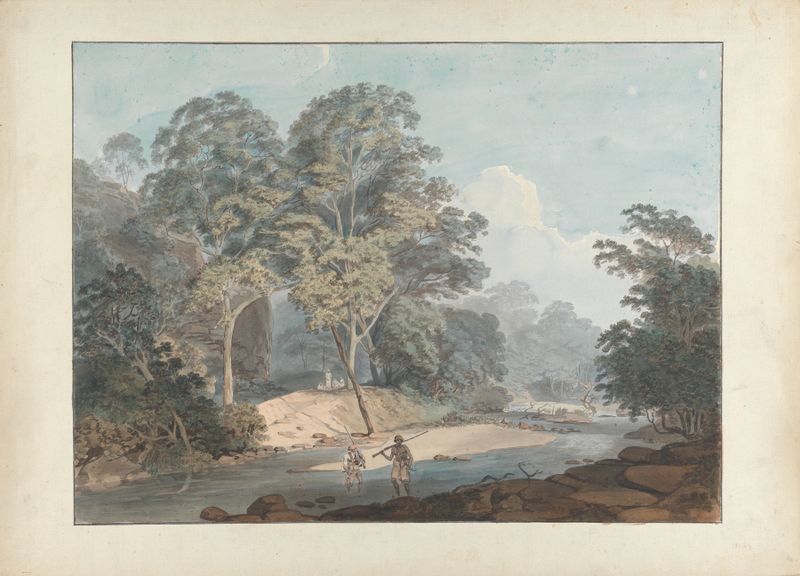
Rocky River Scene with Sepoys
Samuel Davis
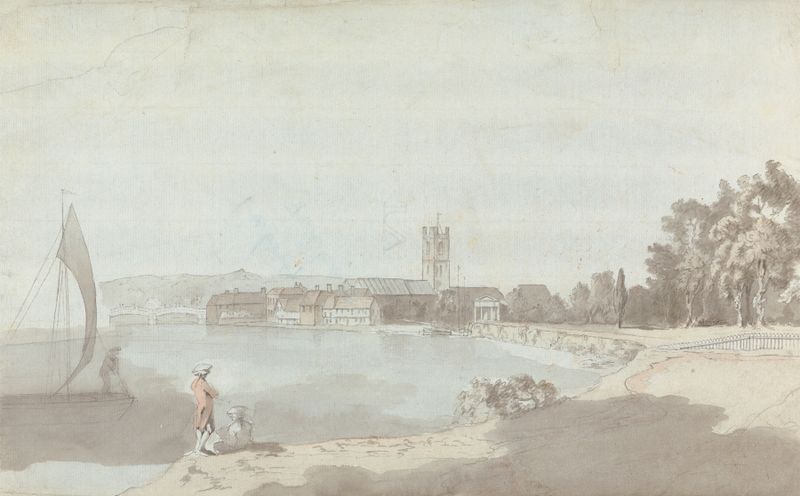
West Country Town by a River
Samuel Davis
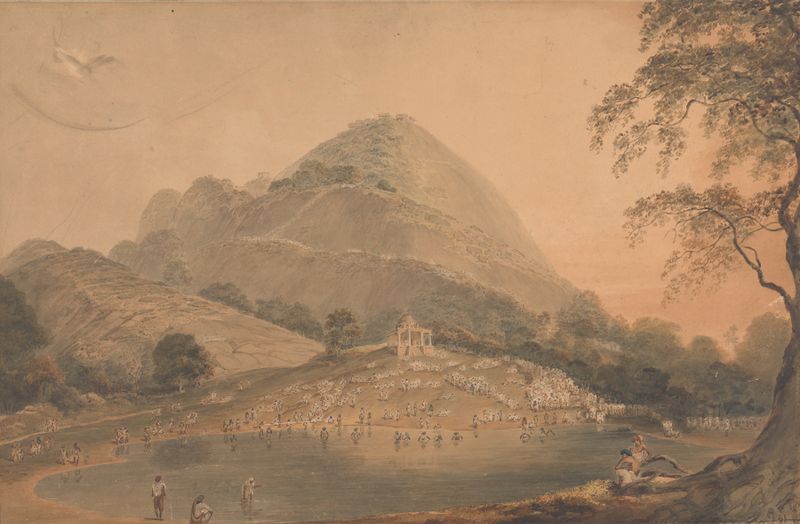
The Annual Resort of Hindoos to Mundar Hill near Bhagulpore [Bhagalpur]
Samuel Davis
More Architecture Art
Browse all →
The statue of Liberty
Frédéric Auguste Bartholdi

View of Houses in Delft, Known as ‘The Little Street’
Johannes Vermeer

View of Houses in Delft, Known as ‘The Little Street’
Johannes Vermeer

The Cathedral in Rouen. The portal, Grey Weather
Claude Monet

The yellow house
Vincent van Gogh

The Church in Auvers-sur-Oise, View from the Chevet
Vincent van Gogh