
The Shah Nujeef — History & Facts
Can beauty exist without sorrow? This question lingers in the air, much like the serene presence captured in the delicate brushstrokes of the piece. The interplay of tranquility and tension invites contemplation, inviting the viewer to explore the depths of emotion within this artistic narrative. Look closely at the central figure, where the artist’s skillful hand brings forth an aura of calm. Notice how the soft hues of blue and gold envelop the subject, creating a harmonious balance that draws you in.
The intricate patterns of the surrounding architecture guide your gaze, framing the figure in a way that emphasizes both solitude and dignity. Each detail, from the ornate fabric to the gentle expression, speaks to a serene strength, evoking a moment suspended in time. Yet beneath this surface calm lies an undercurrent of melancholy. The isolation of the figure suggests a deeper story, one of longing or loss.
The muted palette hints at shadows of the past, inviting the viewer to reflect on the dichotomy of joy and despair. This emotional tension gives the work a profound weight, transforming the serene scene into a poignant meditation on life’s complexities. In 1861, during a time of personal and political upheaval, the artist created this work while immersed in the rich cultural tapestry of the East. Simpson was exploring the art of Orientalism, capturing the essence of distant lands through his travels.
His experiences and observations during this period informed his artistic vision, allowing him to infuse the painting with both beauty and an unspoken sense of yearning, resonating across time and space.
More Artworks by William Simpson
Browse all →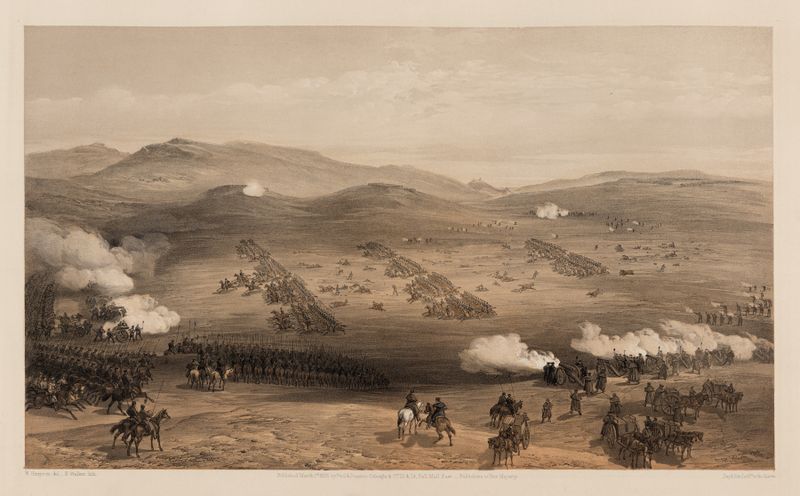
Charge of the light cavalry brigade, 25th Oct. 1854, under Major General the Earl of Cardigan
William Simpson

Charge of the heavy cavalry brigade, 25th Octr. 1854
William Simpson
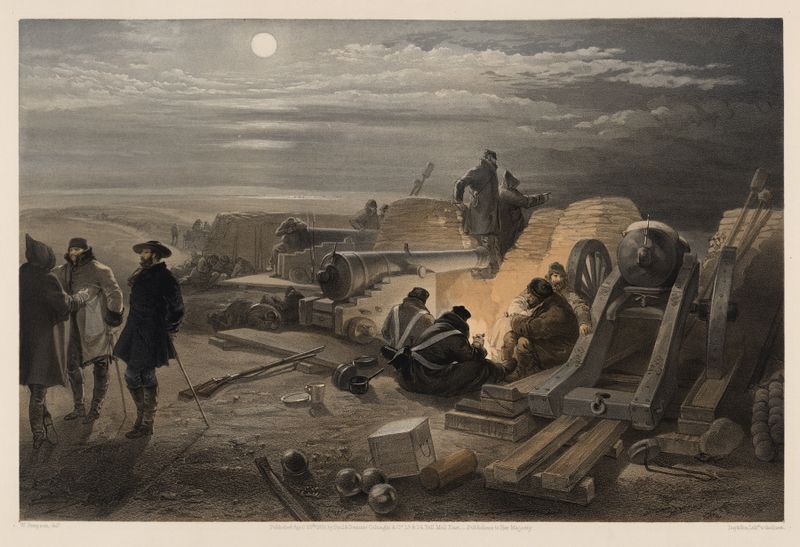
A quiet night in the batteries – a sketch in the Greenhill battery (Major Chapman’s), 29th Jany. 1855
William Simpson

The Great Wall of China
William Simpson
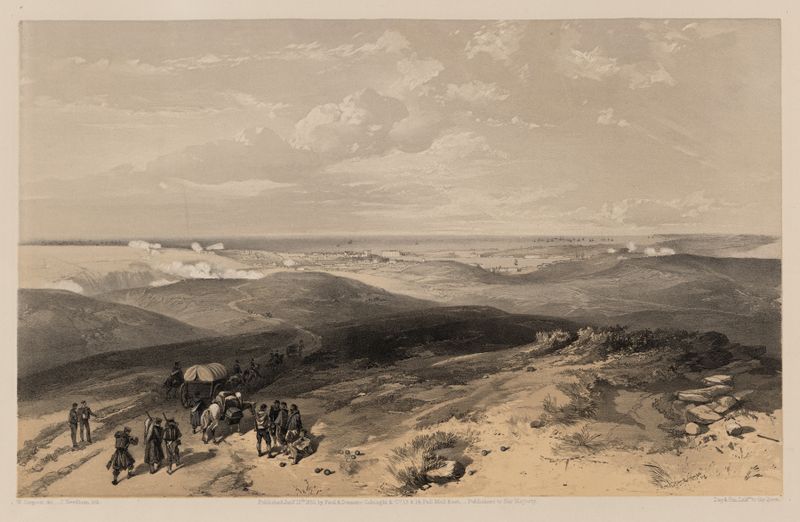
Sebastopol from the rear of the English batteries
William Simpson
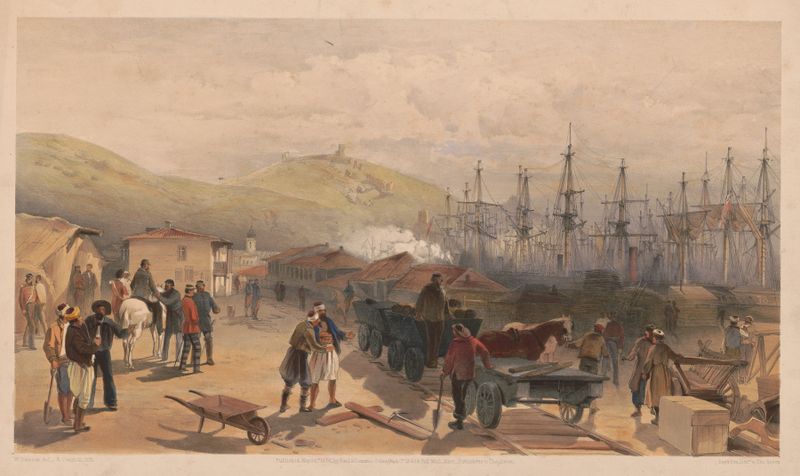
The railway at Balaklava, looking south
William Simpson

The Governor-General’s and Commander-in-Chief’s Camp at Jalandhar, 1 Febuary 1860
William Simpson
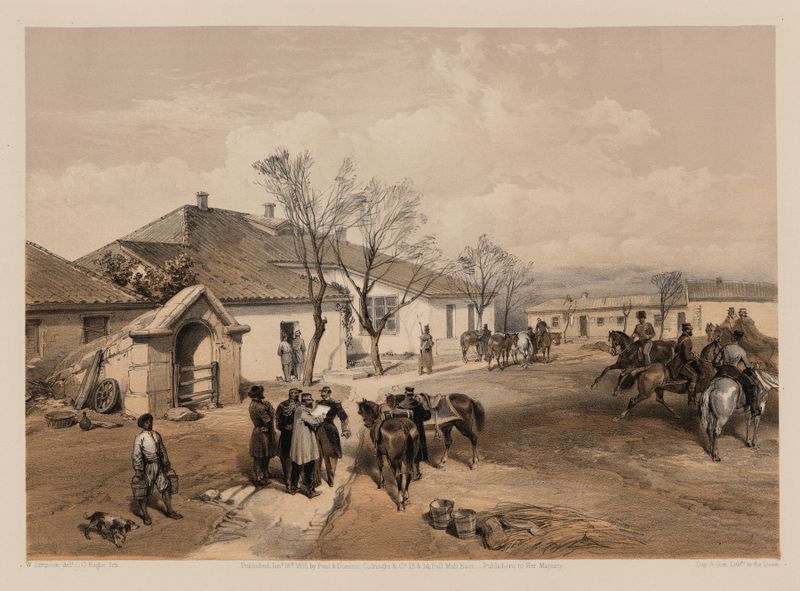
Lord Raglan’s head quarters at Khutor-Karagatch
William Simpson
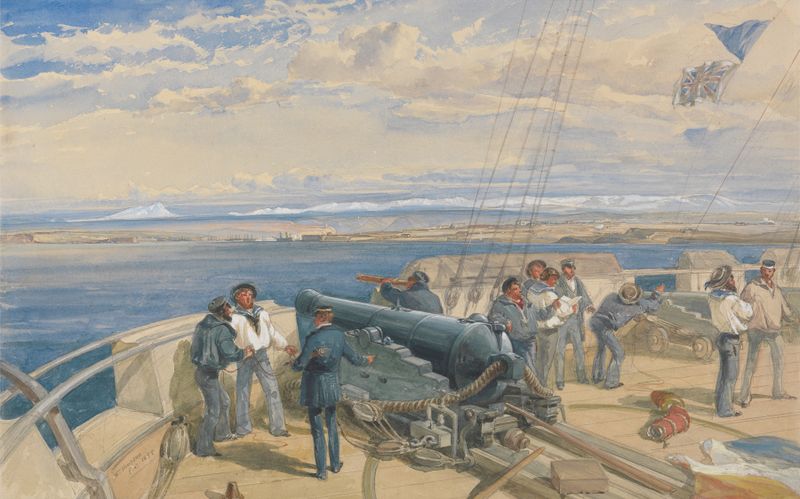
Sebastopol from the Sea, Sketched from the Deck of H. M. S. Sidon, Feb. 1855
William Simpson
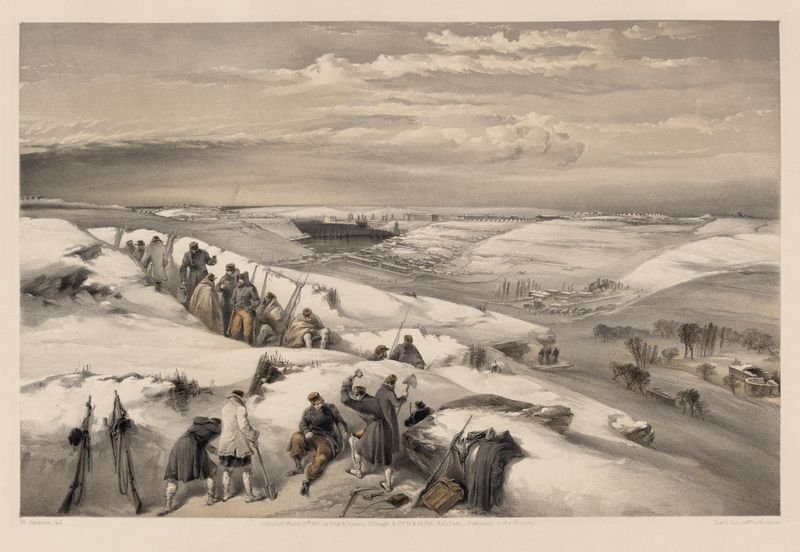
Sebastobol from the 26 gun battery on the extreme right of French attack
William Simpson
More Portrait Art
Browse all →
Las meninas
Diego Velázquez

Self-portrait with a Bandaged Ear and Pipe
Unidentified artist

Girl with a Pearl Earring
Johannes Vermeer

The Sampling Officials of the Amsterdam Drapers’ Guild, Known as ‘The Syndics’
Rembrandt van Rijn

The Hundred Guilder Print: the man seen on the back in the lower left corner
Rembrandt van Rijn

Portrait of Dr Gachet
Vincent van Gogh