Discover insights about this artwork
The Ship of Fortune — History & Facts
In The Ship of Fortune, Rembrandt van Rijn captures a dramatic maritime scene filled with turbulent waves and a stormy sky. The ship, a symbol of adventure and risk, is depicted with sails billowing as it navigates through the chaos. Dark blues and grays dominate the palette, contrasting with the bright highlights that illuminate the ship.
Figures on board appear tense, reflecting the uncertainty of their journey. This painting is executed in oil on canvas, a common medium for Rembrandt during the Dutch Golden Age. The artist employs a dynamic composition, using diagonal lines to create a sense of movement and urgency. The brushwork is expressive, with visible strokes that enhance the emotional intensity of the scene.
The play of light and shadow is characteristic of Rembrandt's style, adding depth and drama. Created in the 1660s, The Ship of Fortune reflects Rembrandt's fascination with themes of fate and human struggle. This work is notable for its dramatic portrayal of maritime life, a departure from his more traditional subjects. Interestingly, Rembrandt often explored the concept of fortune in his works, linking it to the unpredictability of life.
This painting stands as a testament to his ability to convey complex narratives through visual art.
More Artworks by Rembrandt van Rijn
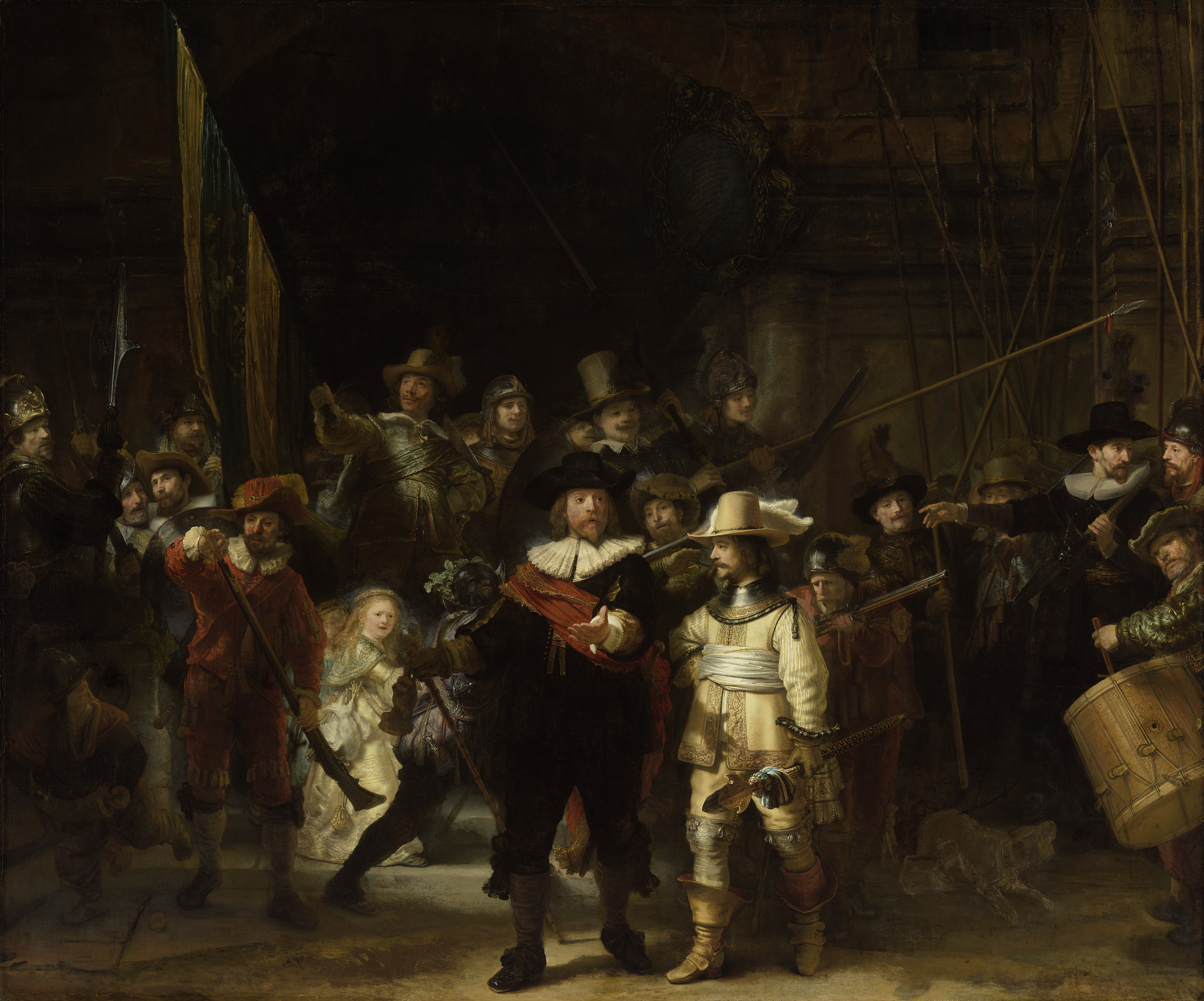
The Night Watch Militia Company of District II under the Command of Captain Frans Banninck Cocq
Rembrandt van Rijn
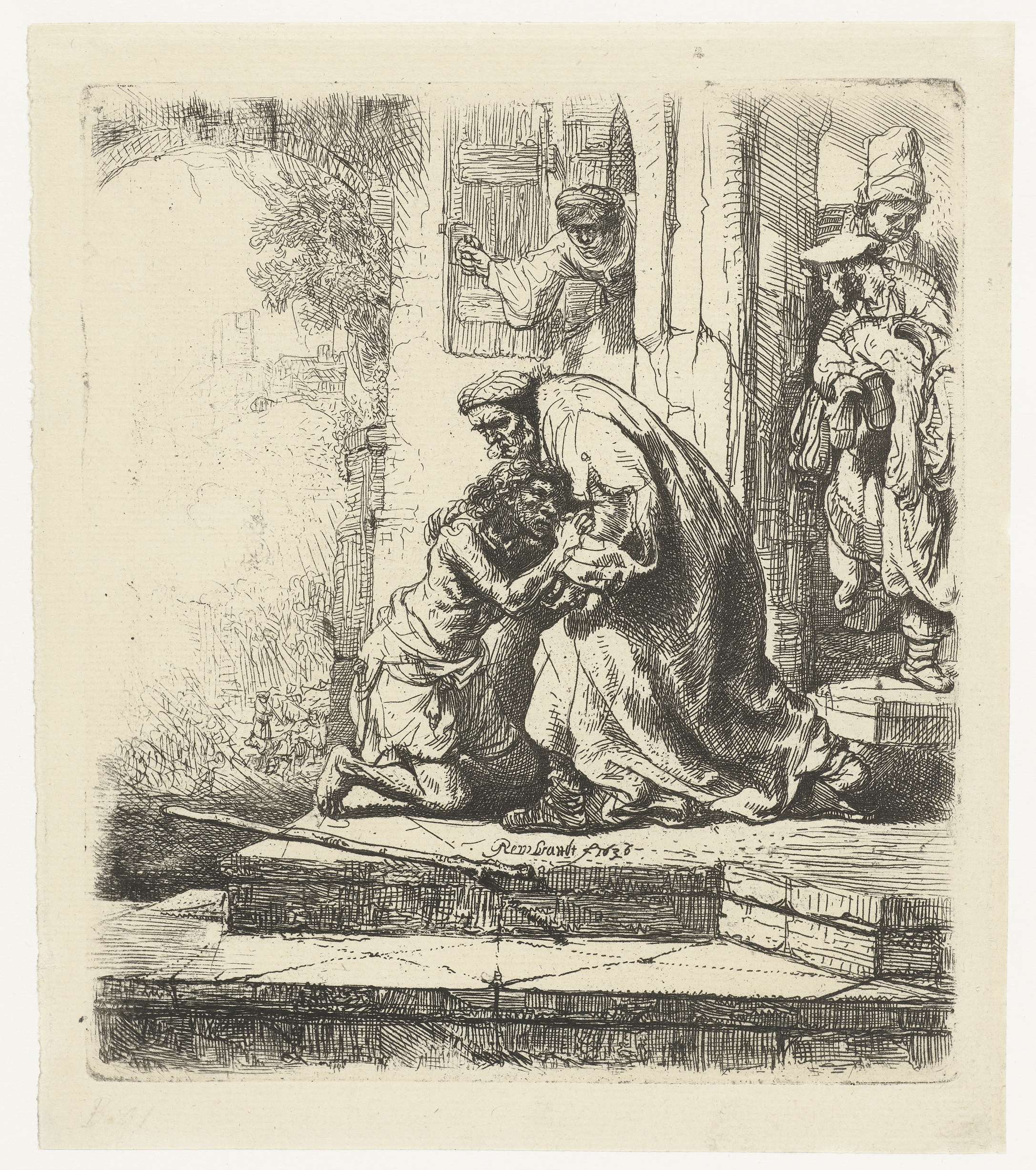
The Return of the Prodigal Son
Rembrandt van Rijn
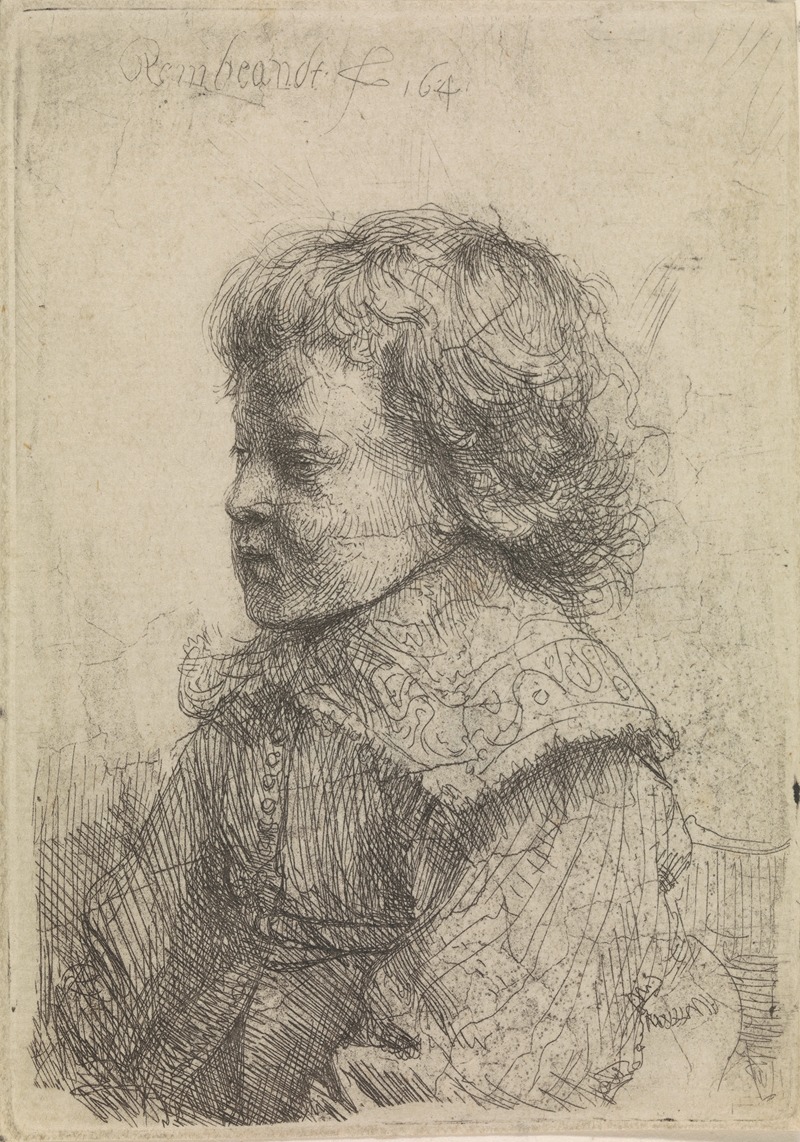
Portrait of a boy in profile
Rembrandt van Rijn
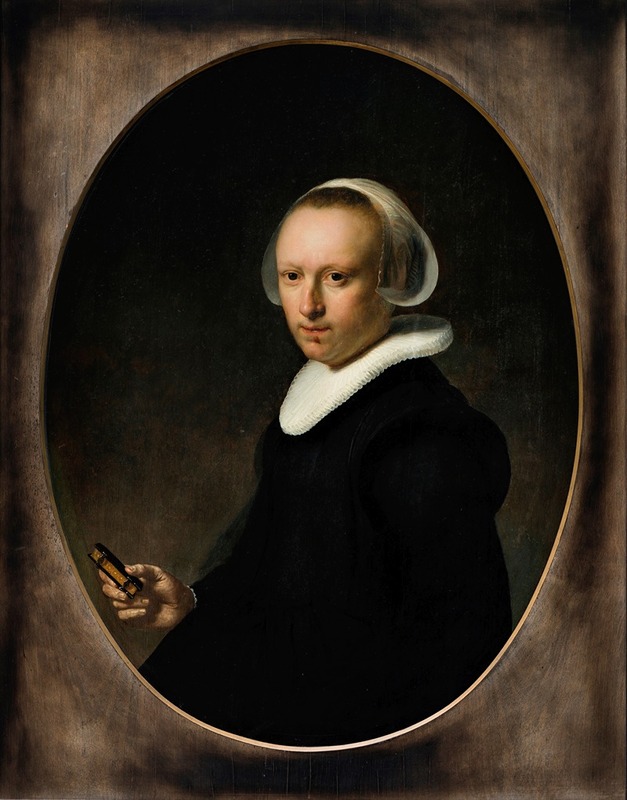
Portrait of a 39-year-old Woman
Rembrandt van Rijn
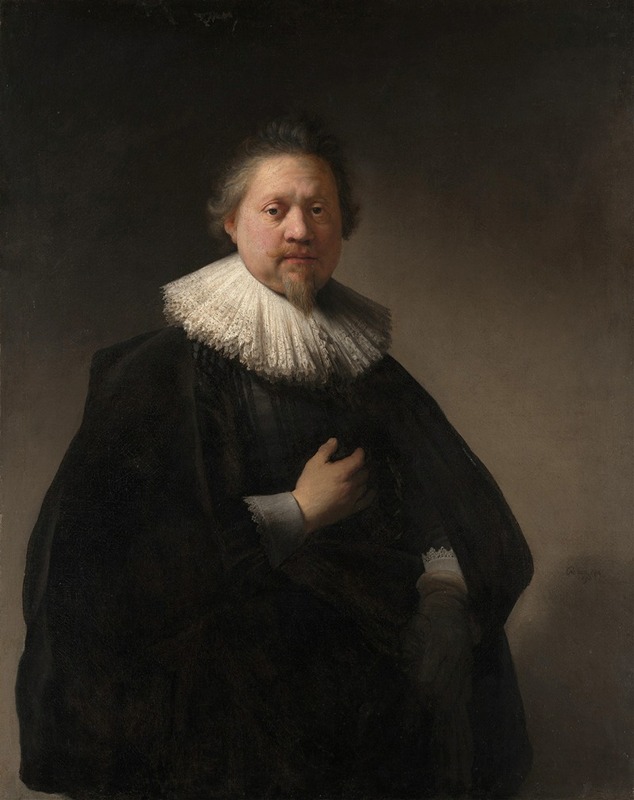
Portrait of a Man
Rembrandt van Rijn
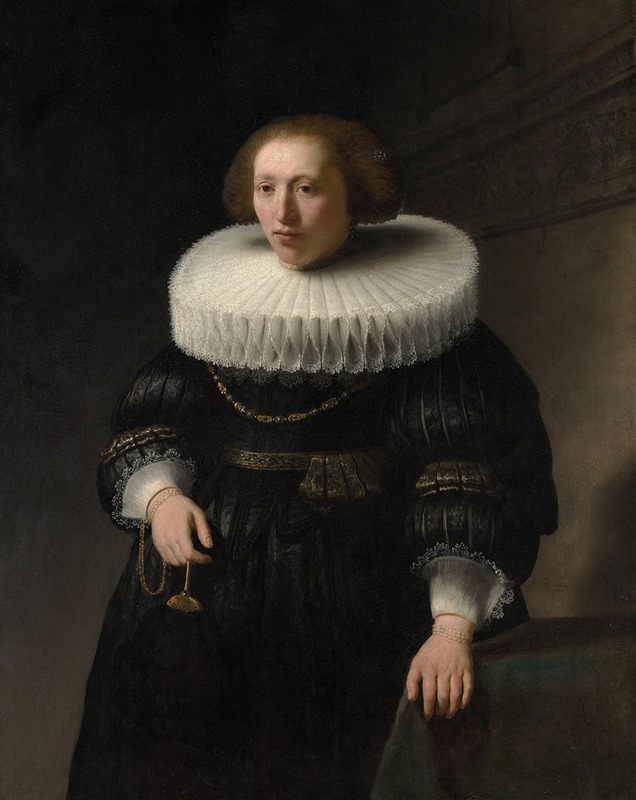
Portrait of a Woman
Rembrandt van Rijn
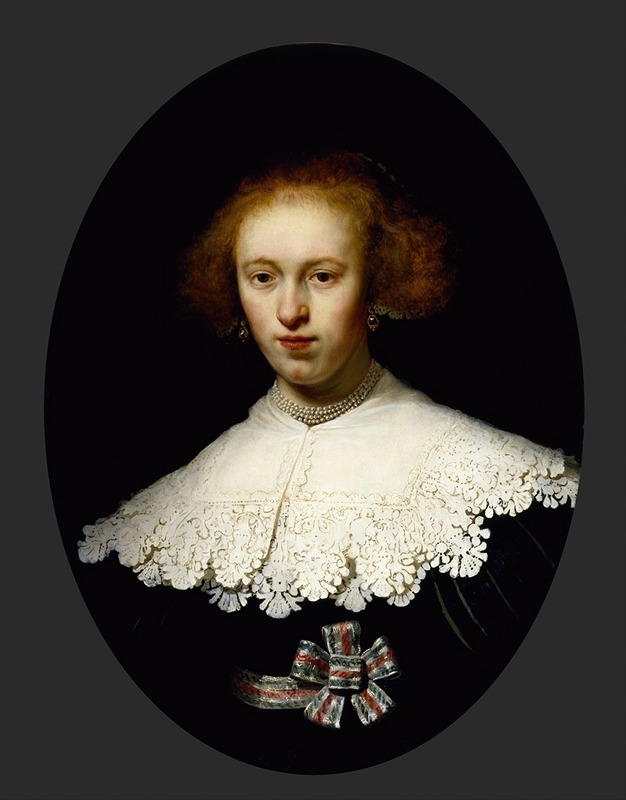
Portrait of a Young Woman
Rembrandt van Rijn
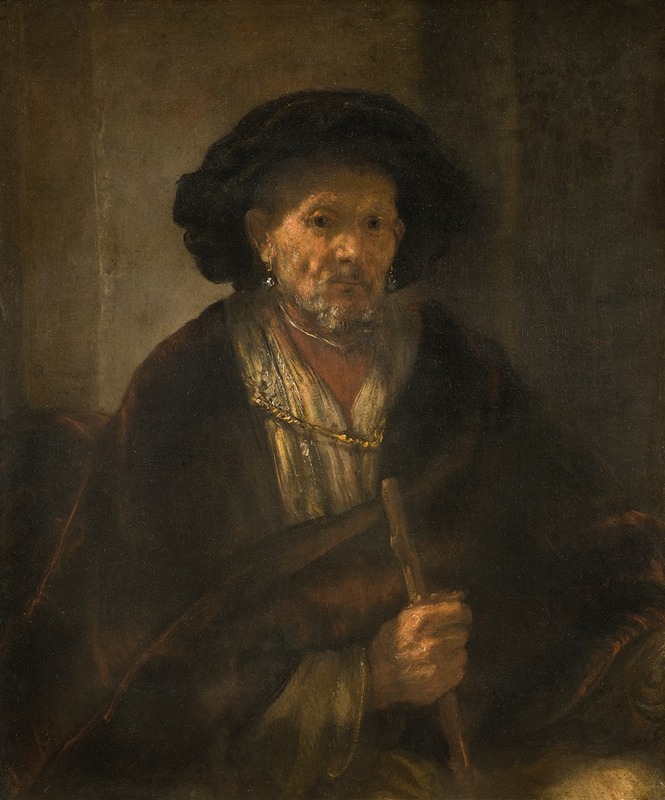
Portrait of an Old Man
Rembrandt van Rijn

Portrait of Maertgen van Bilderbeecq
Rembrandt van Rijn
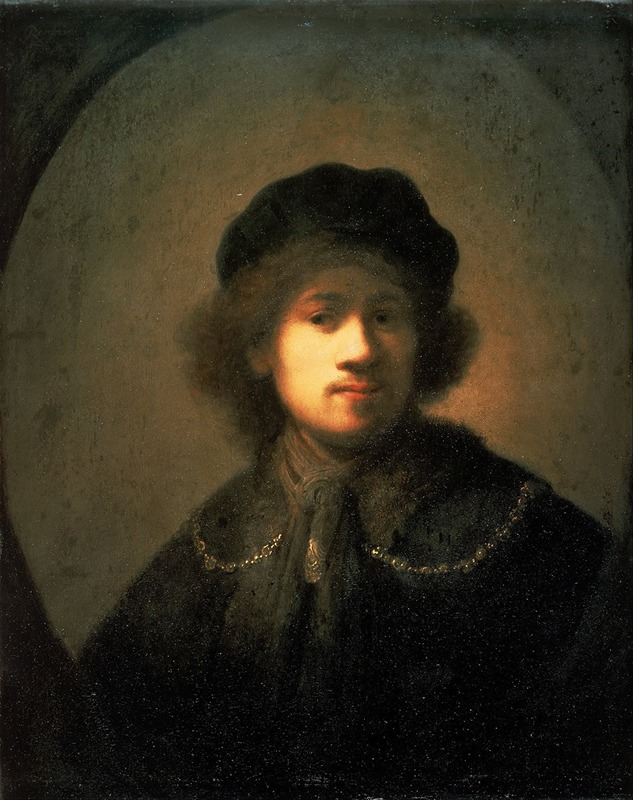
Portrait of the Artist as a Young Man
Rembrandt van Rijn