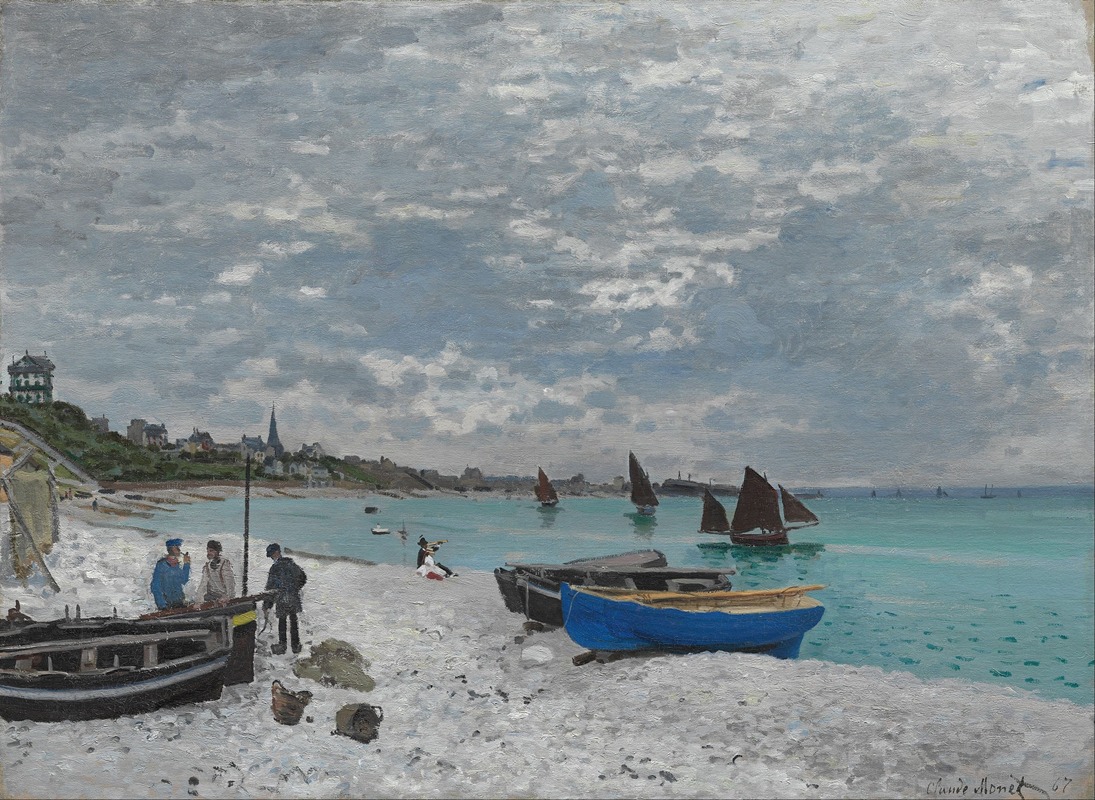
Discover insights about this artwork
The Bay of Marseilles, Seen from L’Estaque — History & Facts
The Bay of Marseilles, Seen from L’Estaque presents a vibrant coastal scene filled with rich blues and greens. The water sparkles under the sunlight, reflecting the sky's hues. In the foreground, the rocky landscape adds texture and depth to the composition.
The overall atmosphere is lively and dynamic, characteristic of Cézanne's unique style. This painting is an example of Post-Impressionism, where Cézanne employs bold brushstrokes and a vivid color palette. The use of color and form creates a sense of movement and depth, drawing the viewer into the scene. The dimensions of the painting are 73.7 x 92.1 cm, making it a substantial work that commands attention.
The oil on canvas medium allows for rich layering and texture. Paul Cézanne painted The Bay of Marseilles, Seen from L’Estaque during the late 19th century, a time when he was exploring the relationship between color and form. This work is significant as it reflects his transition towards a more abstract approach in art. Interestingly, this painting was created while he was influenced by the natural beauty of the French landscape.
It remains a key piece in understanding the evolution of modern art.
More Artworks by Paul Cézanne
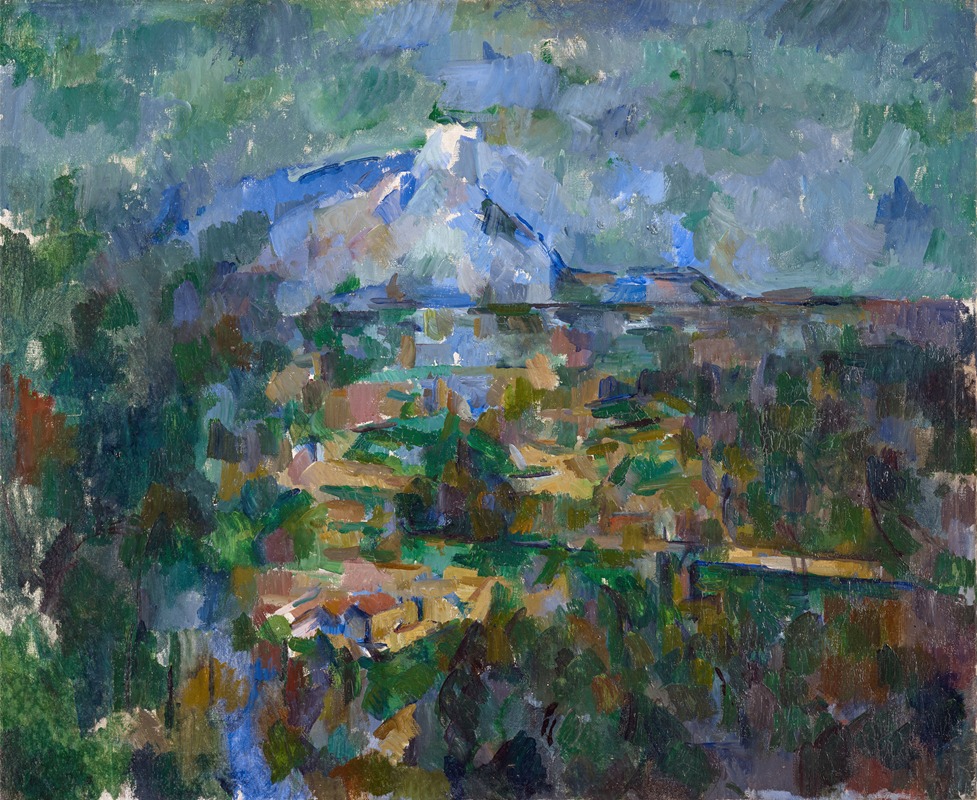
The Mont Sainte-Victoire Seen From Les Lauves
Paul Cézanne
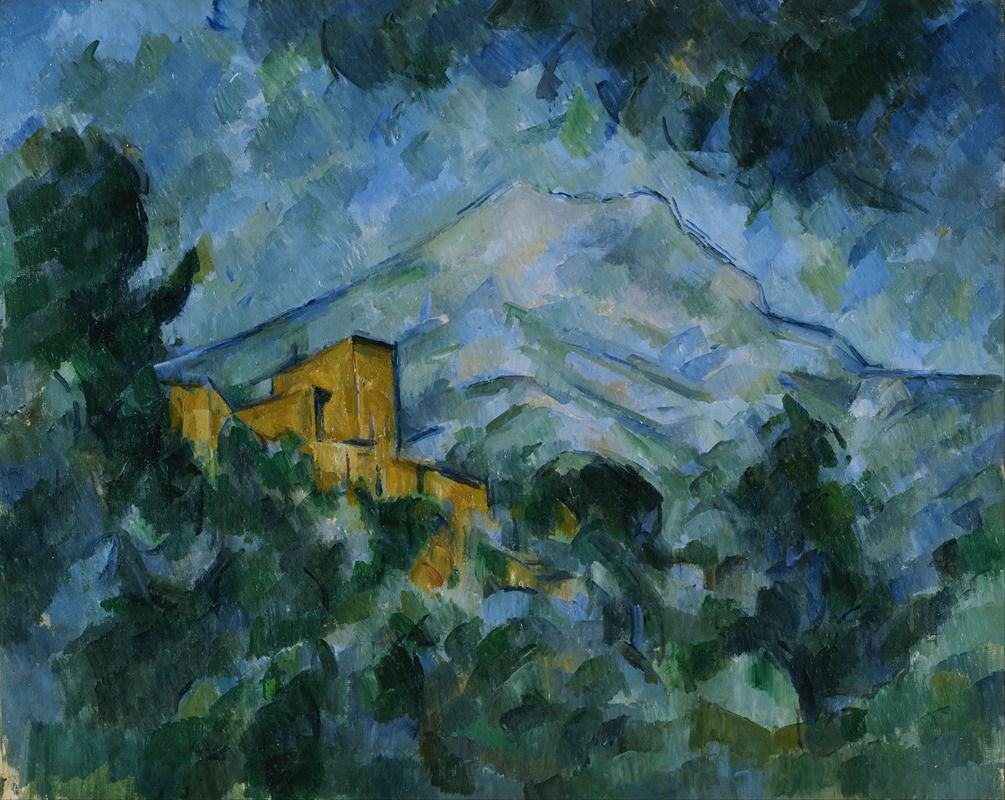
Mont Sainte-Victoire and Château Noir
Paul Cézanne
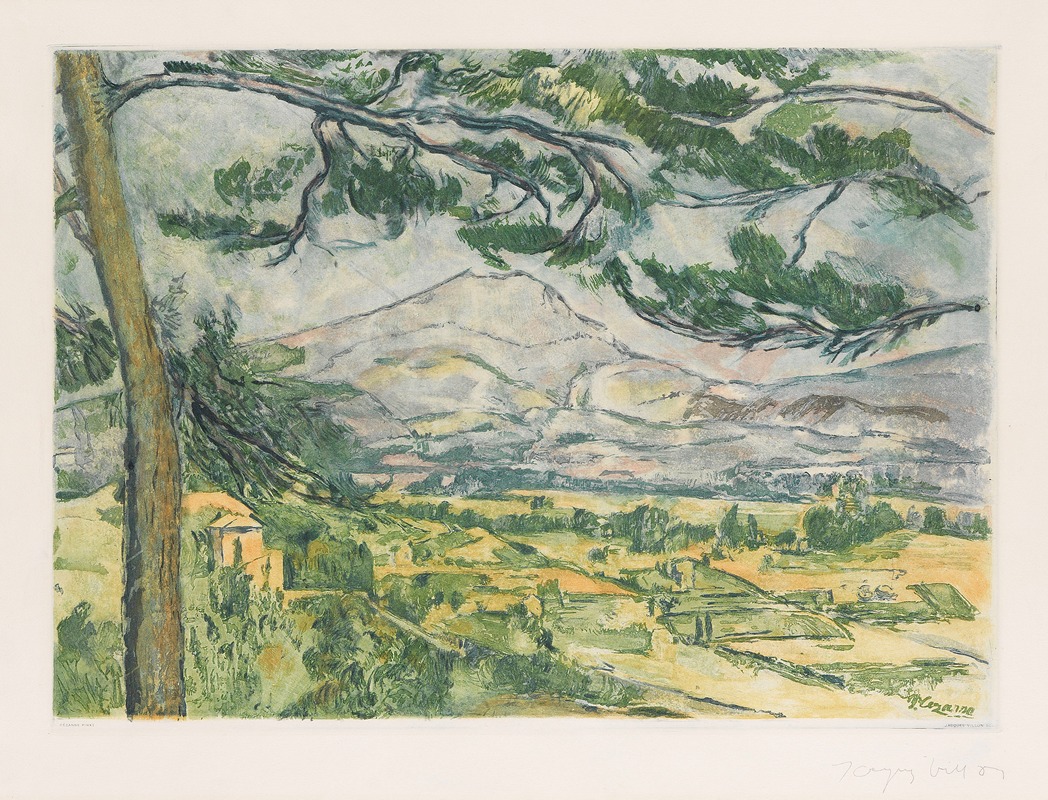
La Montagne Sainte-Victoire
Paul Cézanne
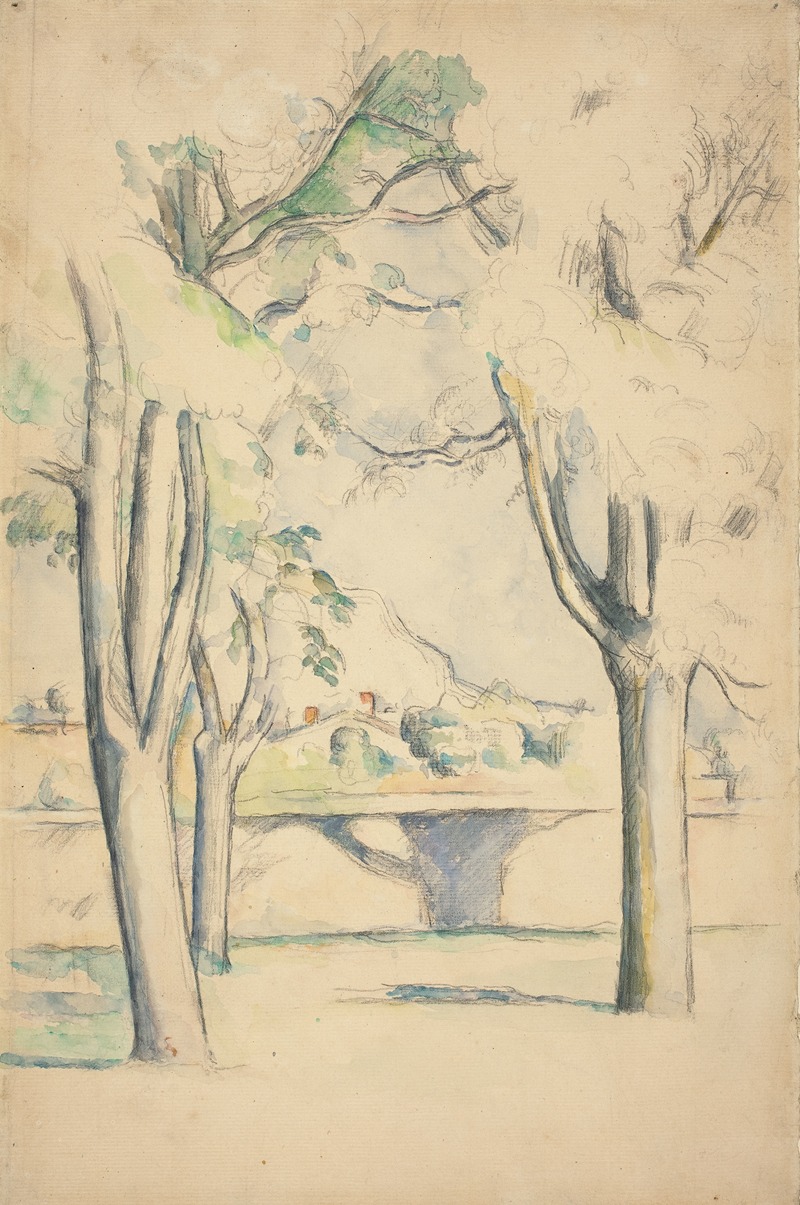
Mont Sainte-Victoire Seen beyond the Wall of the Jas de Bouffan
Paul Cézanne
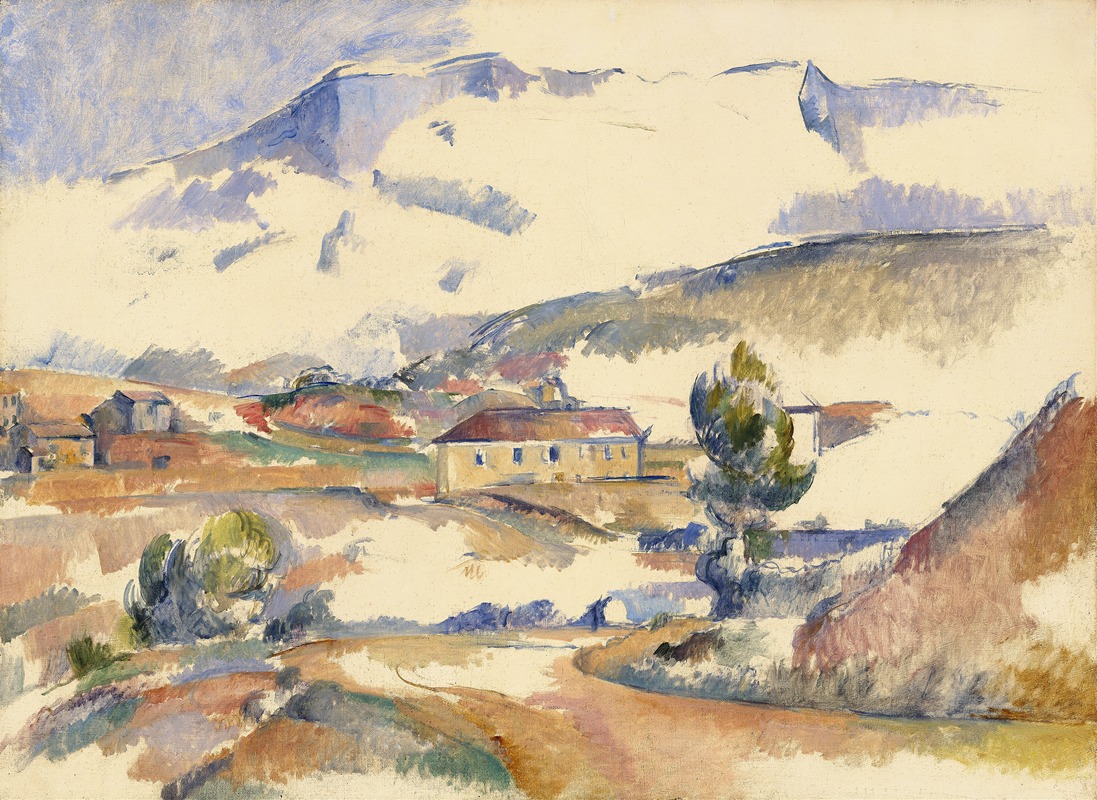
Montagne Sainte-Victoire,from near Gardanne
Paul Cézanne
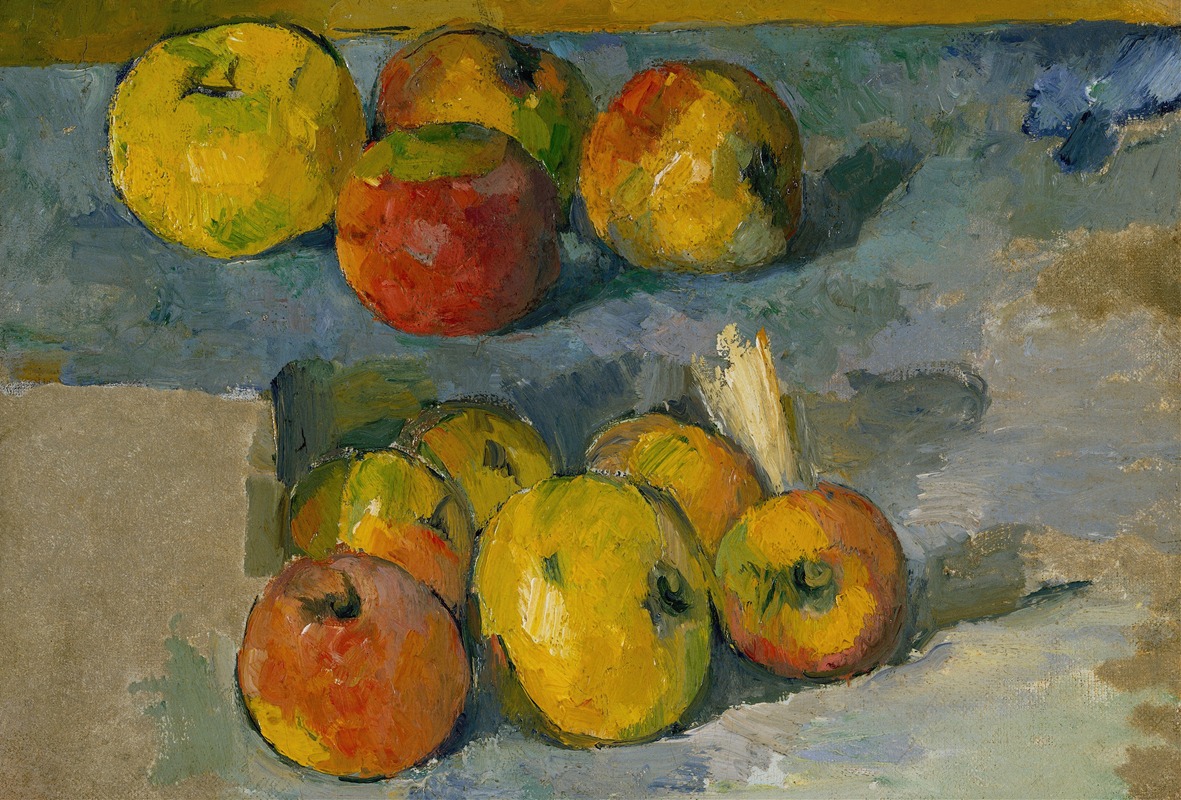
Apples
Paul Cézanne
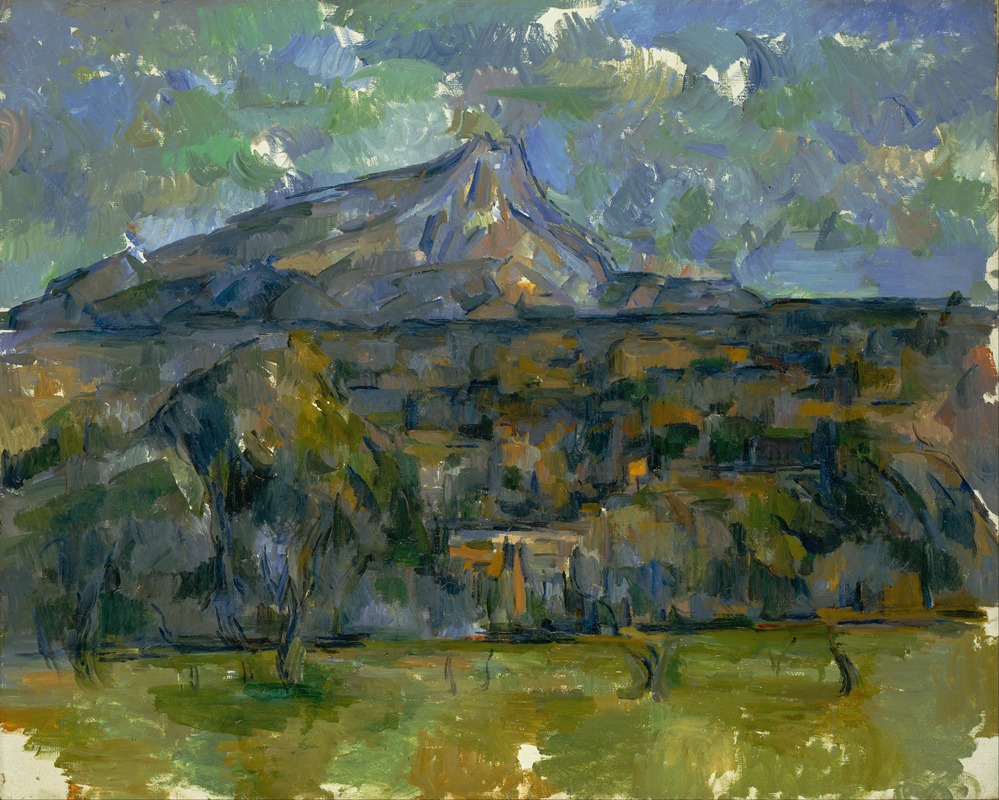
Mont Sainte-Victoire
Paul Cézanne
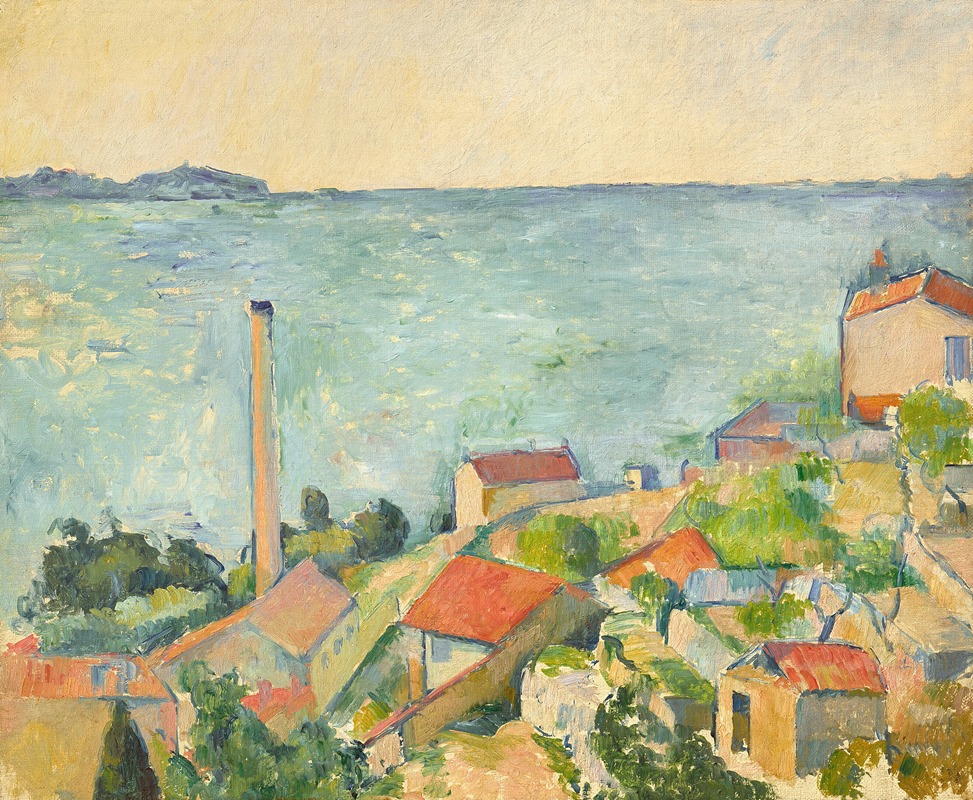
La mer à l’Estaque
Paul Cézanne
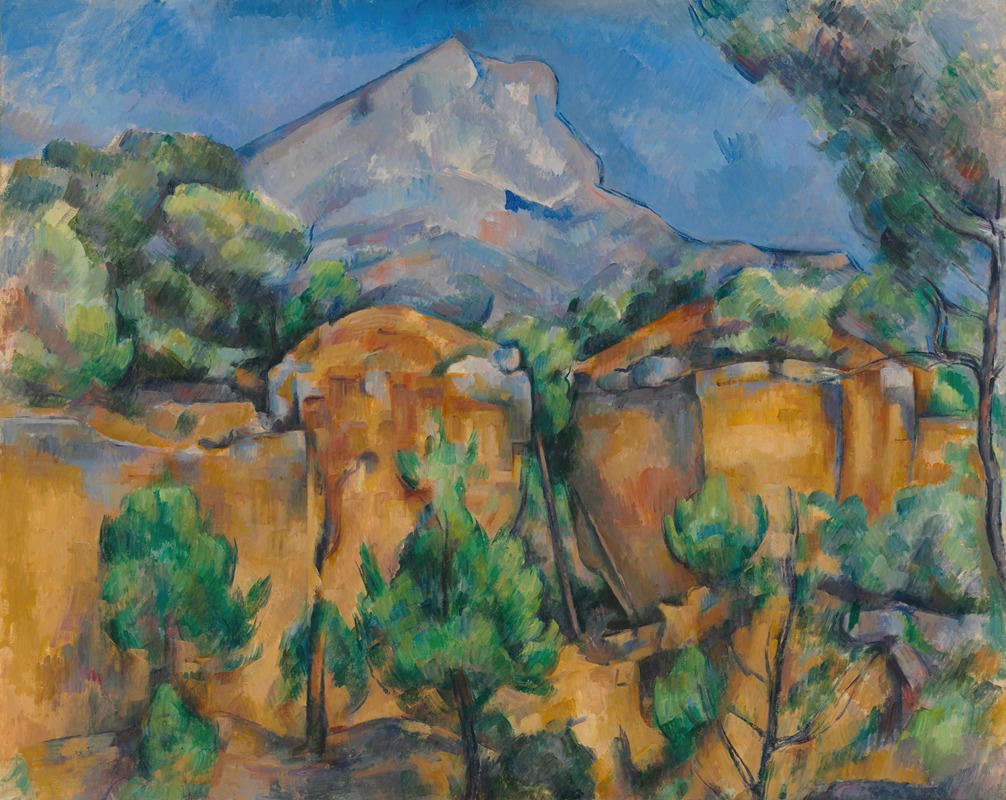
La Montagne Sainte-Victoire vue de la carrière Bibémus
Paul Cézanne
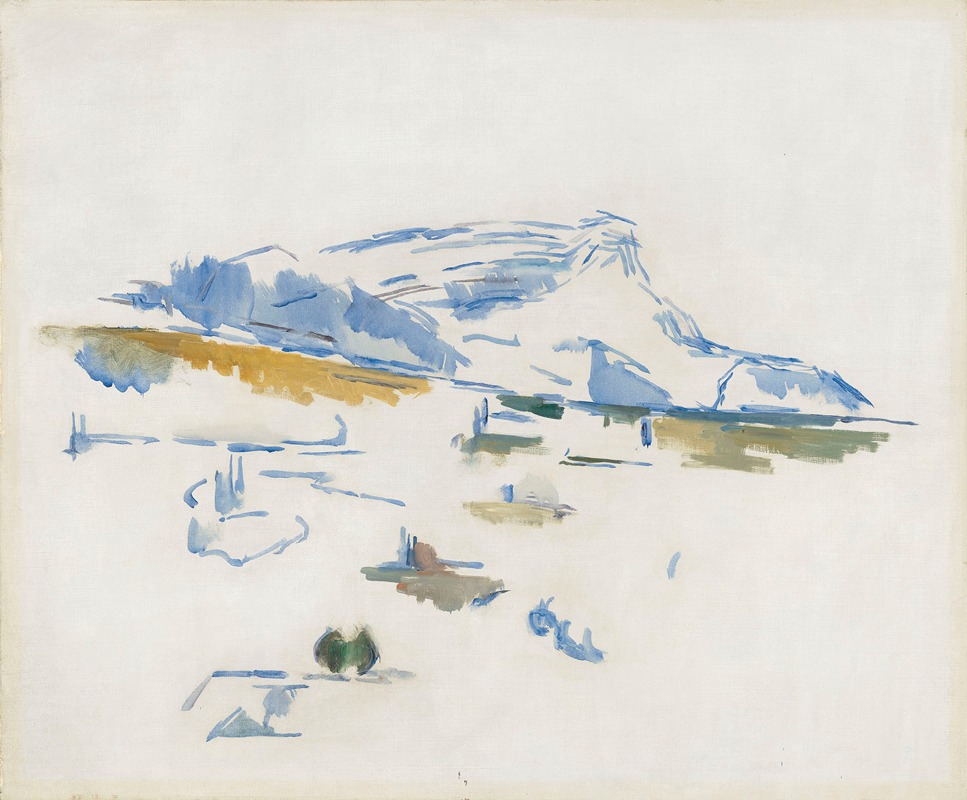
La Montagne Sainte-Victoire vue des Lauves
Paul Cézanne