
The Shore at Ringsjön II — History & Facts
Where does light end, and longing begin? Gustaf Rydberg’s The Shore at Ringsjön II invites viewers to confront the delicate balance of nature’s chaos and serenity. Look to the left at the shimmering water, where a gentle ripple reflects the vibrant hues of dusk. The interplay of blues and golds creates an ethereal light that dances upon the surface. Notice how the trees, lush and chaotic, blend into the horizon, their dark silhouettes framing the tranquil lake like a tumultuous embrace.
The brushstrokes reveal both the artist’s mastery and a sense of movement, mirroring the restless spirit of the natural world. Within this picturesque scene, a tension emerges between the calm of the water and the wildness of the surrounding landscape. The juxtaposition of light and shadow invokes a feeling of nostalgia, as if the viewer is witnessing a fleeting moment suspended in time. The wild foliage almost seems to whisper secrets of yearning and the chaotic beauty of life, suggesting that even in tranquility, there are undercurrents of emotion and disorder just beneath the surface. In 1879, Rydberg painted this piece during a period of artistic exploration in Sweden.
The Romantic movement was in full swing, and artists were increasingly drawn to the emotional power of nature. Rydberg, influenced by the changing tides of art and his own personal journey, sought to capture the sublime quality of the landscape around Ringsjön, reflecting both the beauty and chaos of existence.
More Artworks by Gustaf Rydberg
Browse all →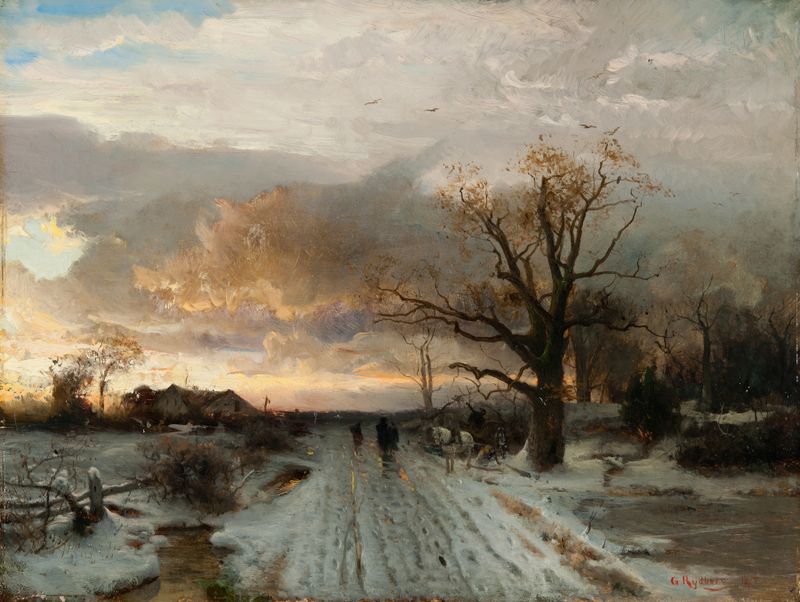
Winter Landscape
Gustaf Rydberg
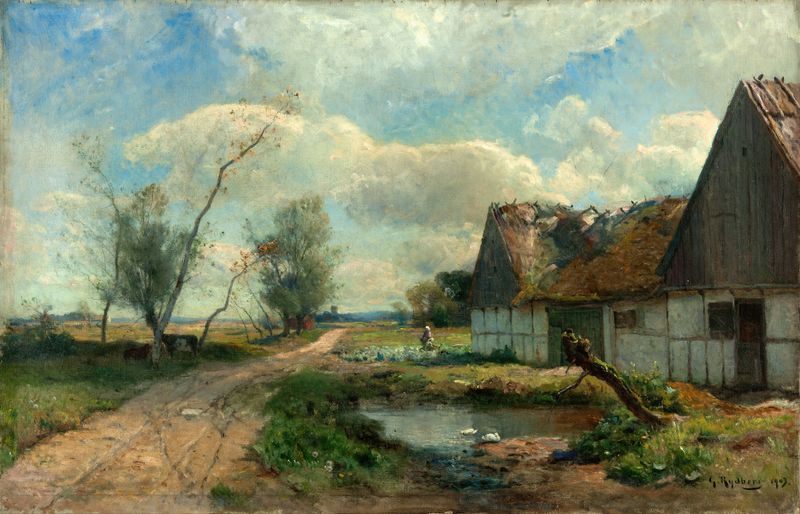
Landscape from Scania with Farm
Gustaf Rydberg
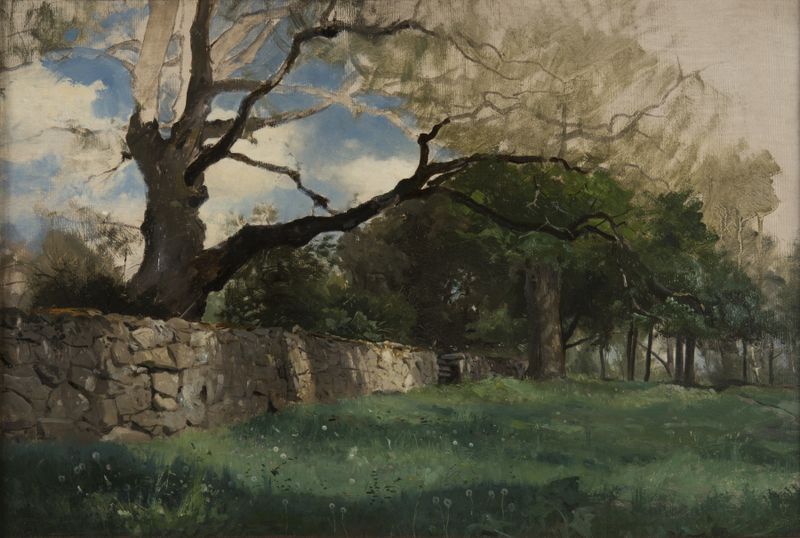
Landscape at Torsebro, near Kristianstad
Gustaf Rydberg
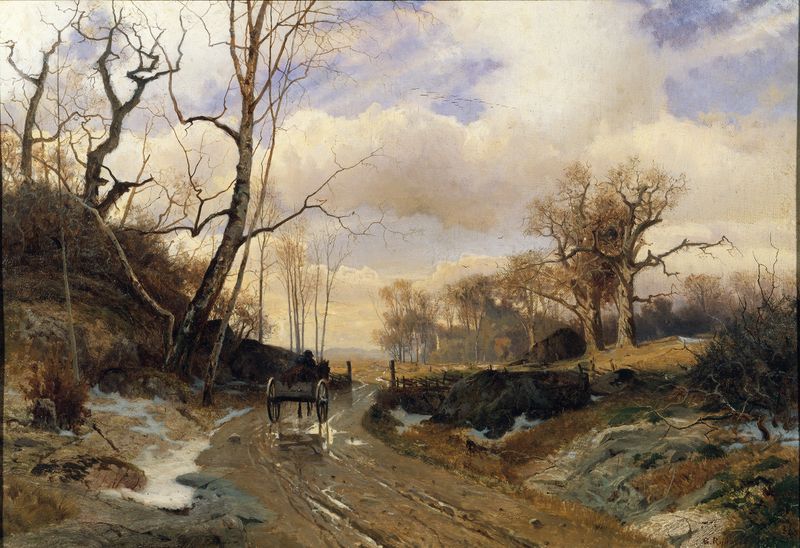
Spring in Skåne
Gustaf Rydberg
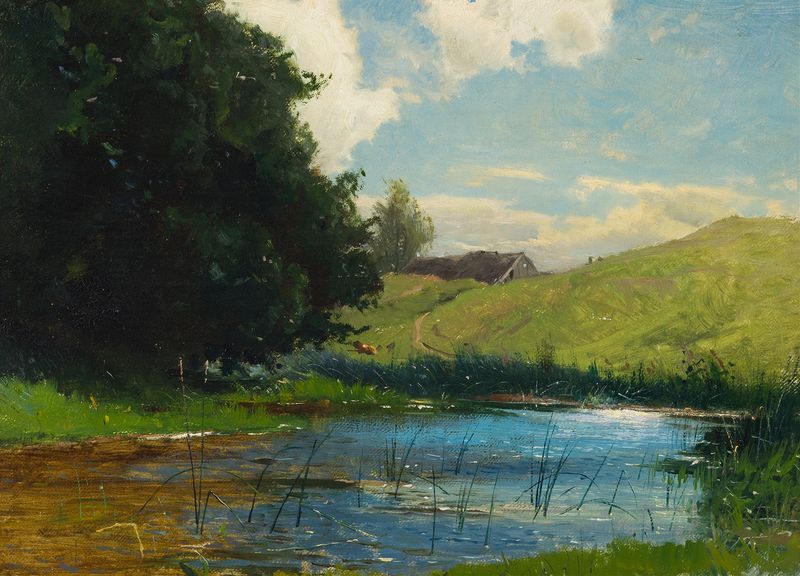
Landscape at Köpingebro, near Ystad
Gustaf Rydberg
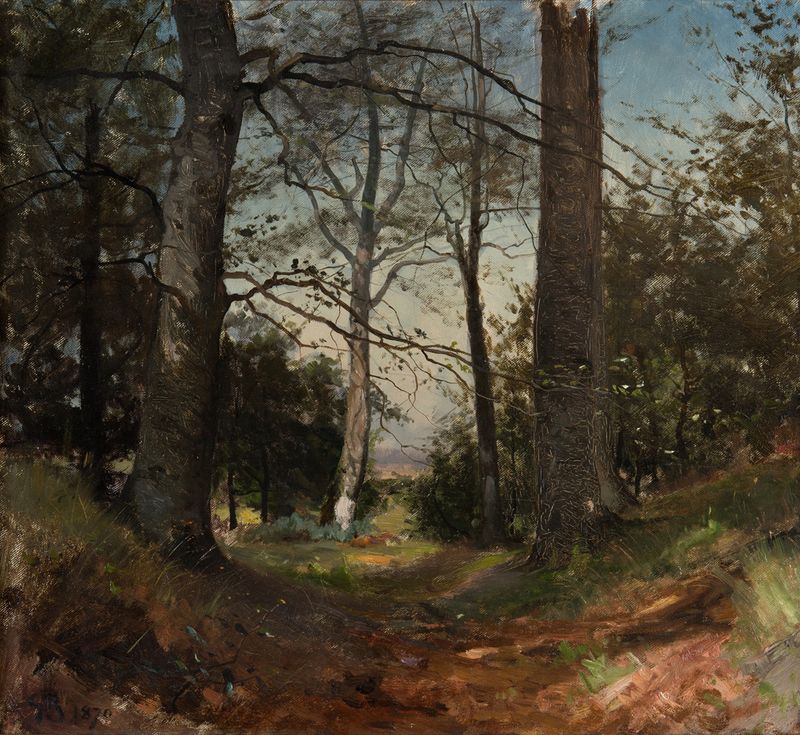
In the Forest. Motif from Stehag, Skåne
Gustaf Rydberg
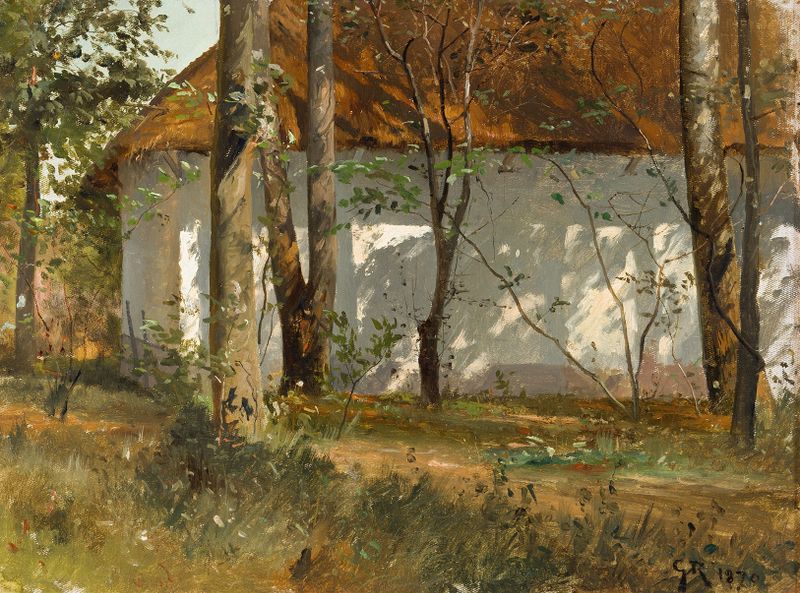
A Barn at Kronetorp, Skåne
Gustaf Rydberg
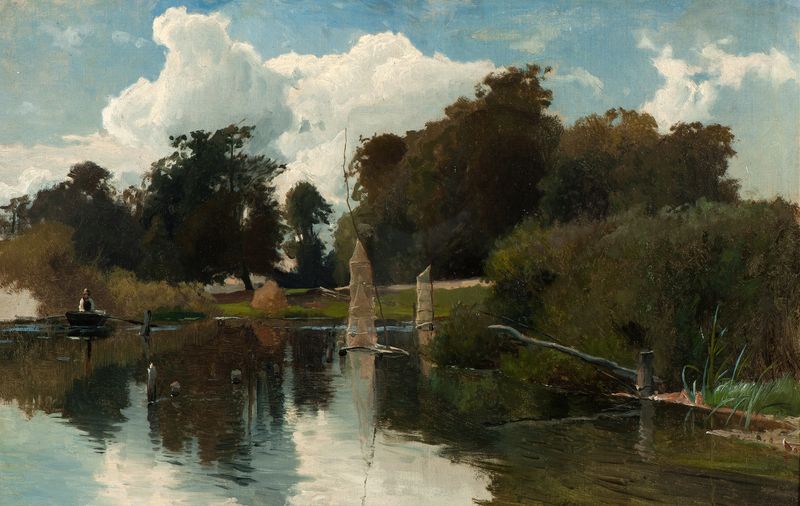
The Shore of Ringsjön I
Gustaf Rydberg

The Sound. Motif from Ven
Gustaf Rydberg

Urban Snow. Study
Gustaf Rydberg





