
The Shore of Ringsjön I — History & Facts
What secret hides in the quiet of the canvas? In a moment poised between tranquility and unrest, The Shore of Ringsjön I invites the viewer to contemplate the stillness of nature and the revolutionary shifts that whisper beneath its surface. Look to the left at the soft embrace of the water, mirroring the pale blues and greens of the sky above. The gentle brushstrokes create a sense of movement, as if the lake itself breathes, and draws your eye toward the distant horizon. Notice the way the sunlight filters through the trees, casting dappled shadows on the rocky shore, while the subtle gradations of color evoke a serene yet dynamic interplay between the elements. The emotional tension lies in the contrast between the idyllic scenery and an undercurrent of change.
The stillness of the lake, a mirror of calm, belies the revolutionary ideas that were transforming Europe at the time. Each ripple on the water hints at the stirrings of progress, suggesting that even in nature’s quiet moments, there lies a potent energy waiting to surface. The interplay of light and shadow serves as a metaphor for the duality of peace and turmoil, capturing the essence of a society on the brink of transformation. Gustaf Rydberg created this work in 1879, during a period of significant change in Sweden and across Europe.
The 19th century was marked by social upheaval, with the rise of movements advocating for reform and new ideas in art. Rydberg, at this point in his career, was exploring natural landscapes, yet imbued them with deeper meanings reflective of the evolving artistic dialogues of his time.
More Artworks by Gustaf Rydberg
Browse all →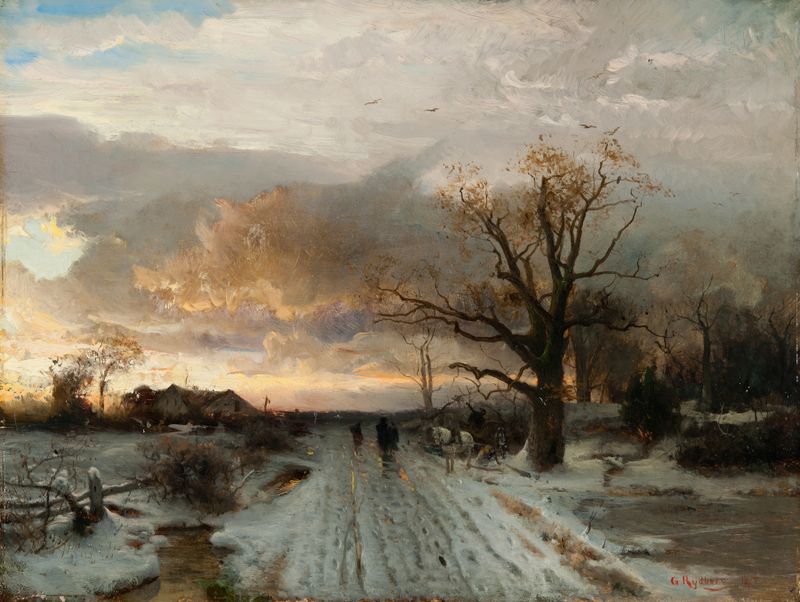
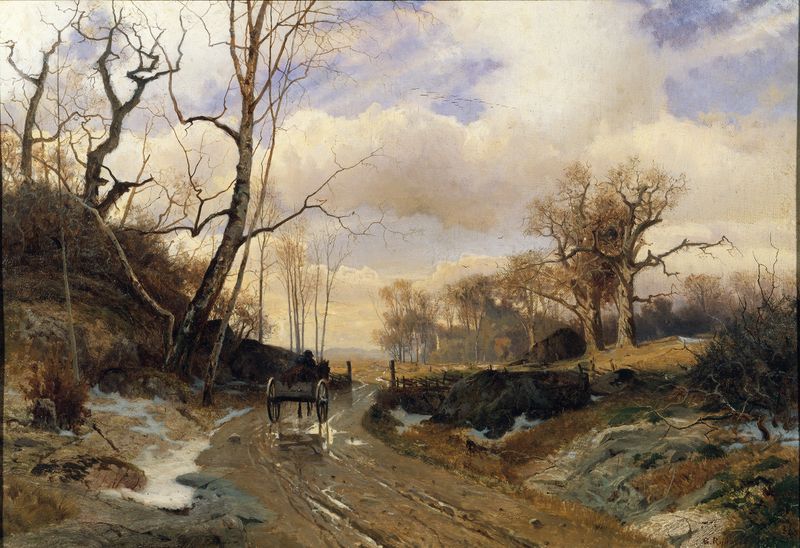
Winter Landscape
Gustaf Rydberg
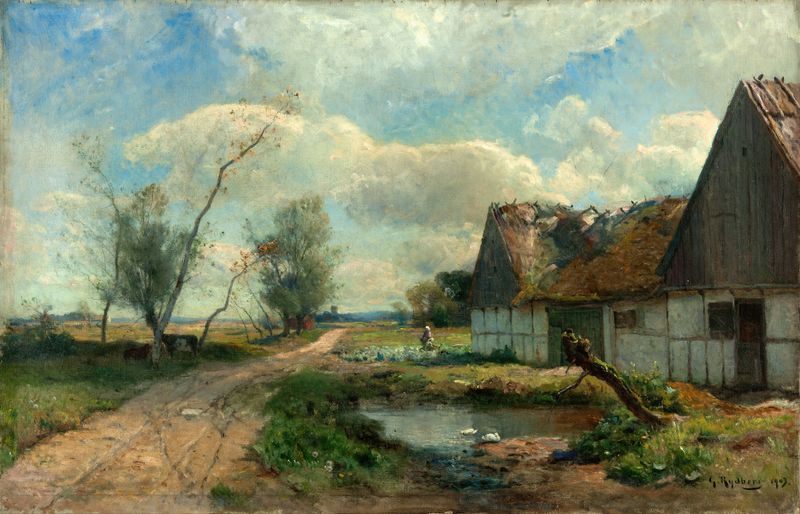
Landscape from Scania with Farm
Gustaf Rydberg
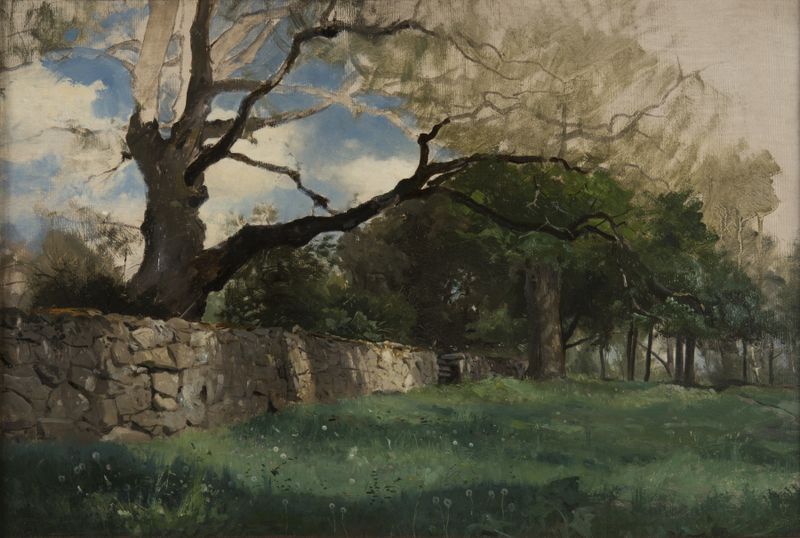
Landscape at Torsebro, near Kristianstad
Gustaf Rydberg
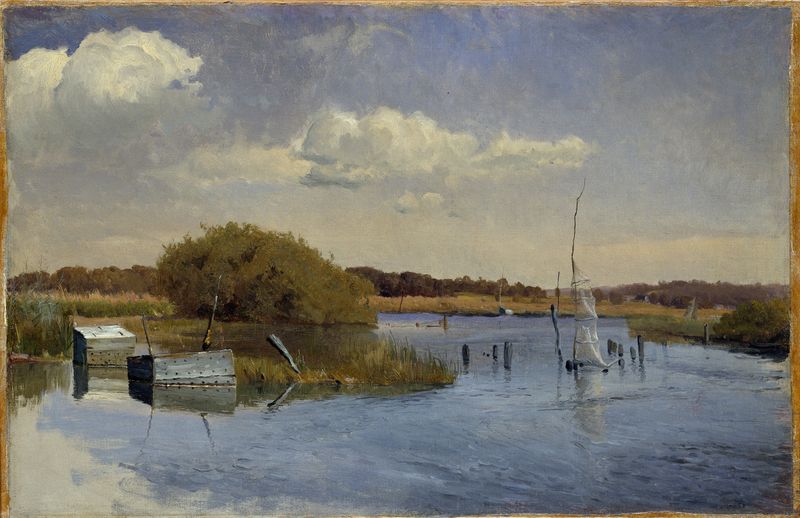
The Shore at Ringsjön II
Gustaf Rydberg
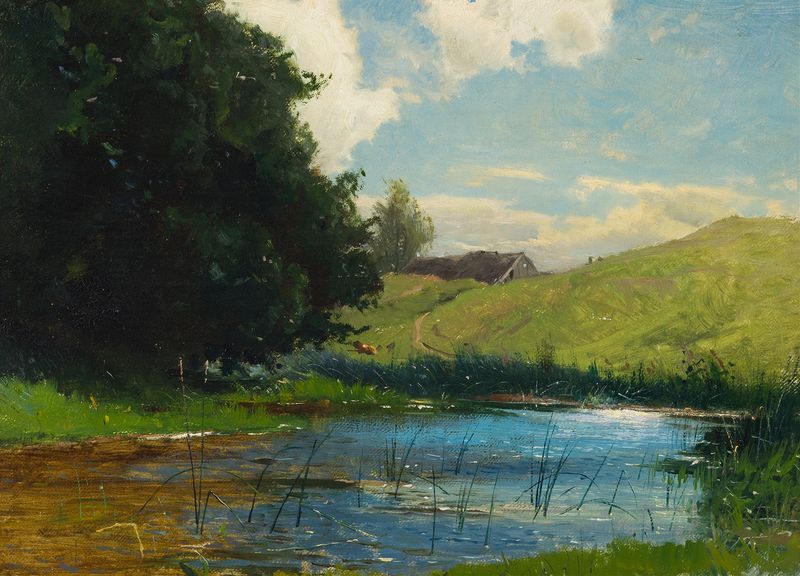
Spring in Skåne
Gustaf Rydberg
Landscape at Köpingebro, near Ystad
Gustaf Rydberg
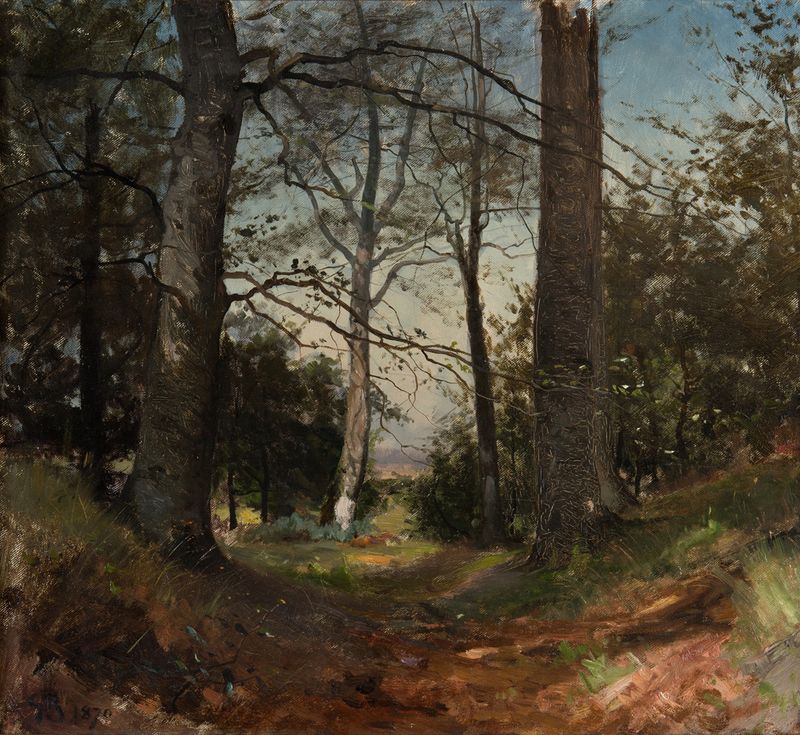
In the Forest. Motif from Stehag, Skåne
Gustaf Rydberg
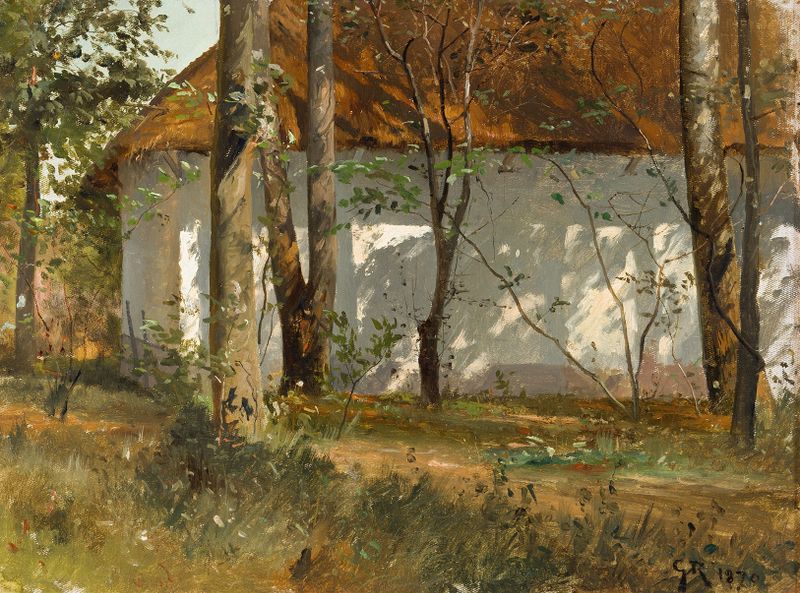
A Barn at Kronetorp, Skåne
Gustaf Rydberg

The Sound. Motif from Ven
Gustaf Rydberg

Urban Snow. Study
Gustaf Rydberg





