
Landscape at Köpingebro, near Ystad — History & Facts
In the stillness of a landscape, the horizon stretches into an infinite expanse, echoing the profound emptiness that can surround us. Here, we find solace in the solitude, a quiet reflection on existence itself. Focus on the gentle undulations of the land just beneath the horizon, where swathes of green meet the pale blue sky. Notice how the soft brushstrokes create a textured surface, imbuing the earth with an inviting warmth.
The light dances across the scene, illuminating delicate patches of wildflowers that peek through the grass, adding splashes of color that contrast with the overarching tranquility. The composition draws you in, leading your gaze from the foreground through the mid-ground to the faint outline of distant hills. Yet, beneath this serene exterior, there lies an undercurrent of melancholy. The subtle isolation of the landscape speaks to a quiet longing, as if the viewer is invited to contemplate their place in the vastness.
The seemingly endless horizon captures the feeling of yearning—a reminder of both the beauty and the limitations of the human experience. Here, emptiness is not void but a canvas for reflection, where each viewer may project their own stories and feelings onto the landscape. In 1876, Gustaf Rydberg painted this scene while exploring the natural beauty of his native Sweden. Emerging from a period marked by the influence of Romanticism, he sought to capture both the grandeur and the introspective quality of the landscape.
At this time, Sweden was embracing artistic modernity, and Rydberg’s work embodied the shift towards a more personal and evocative portrayal of nature.
More Artworks by Gustaf Rydberg
Browse all →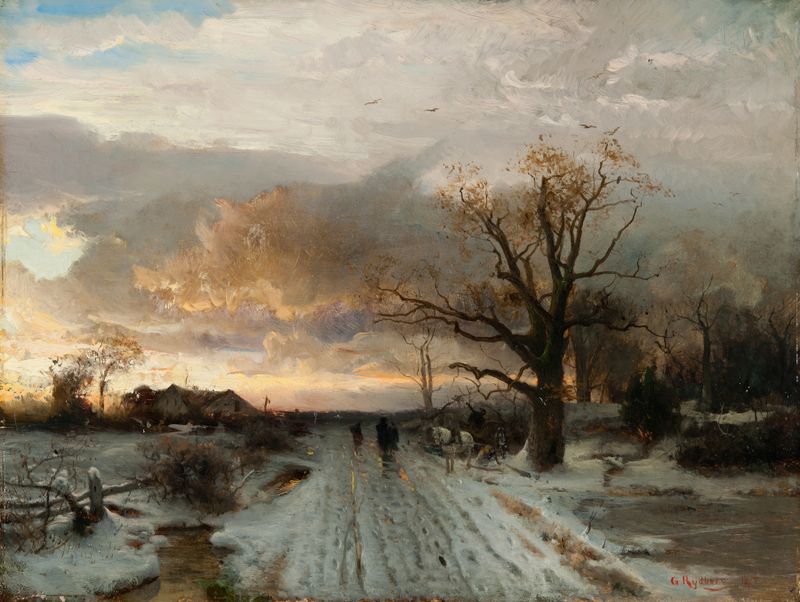
Winter Landscape
Gustaf Rydberg
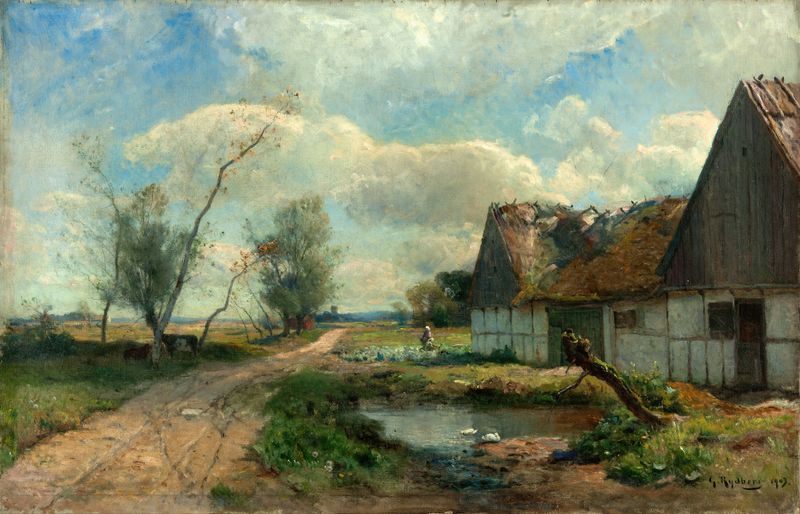
Landscape from Scania with Farm
Gustaf Rydberg
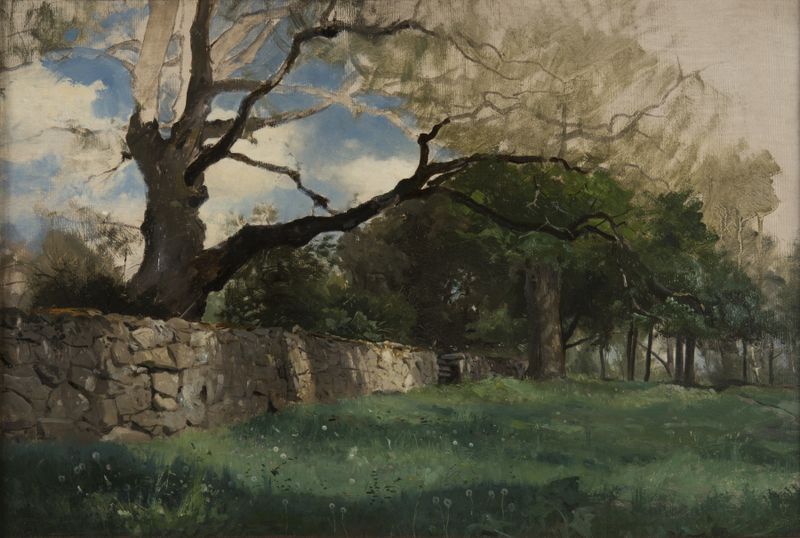
Landscape at Torsebro, near Kristianstad
Gustaf Rydberg
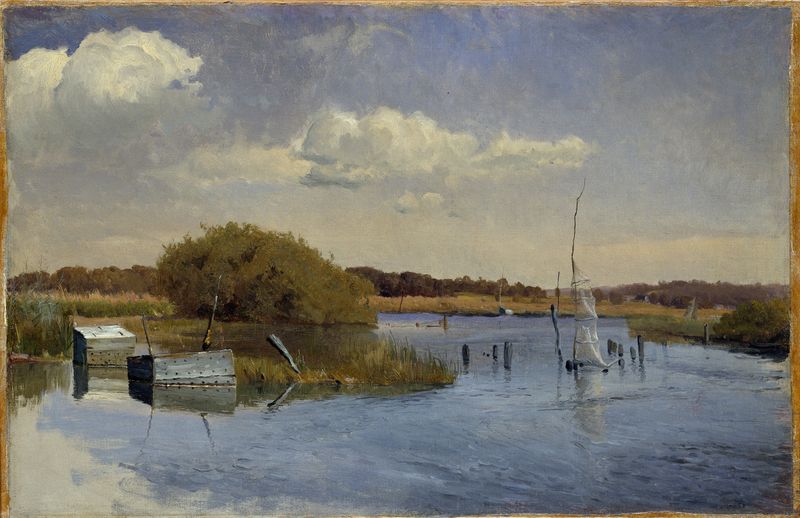
The Shore at Ringsjön II
Gustaf Rydberg
Spring in Skåne
Gustaf Rydberg
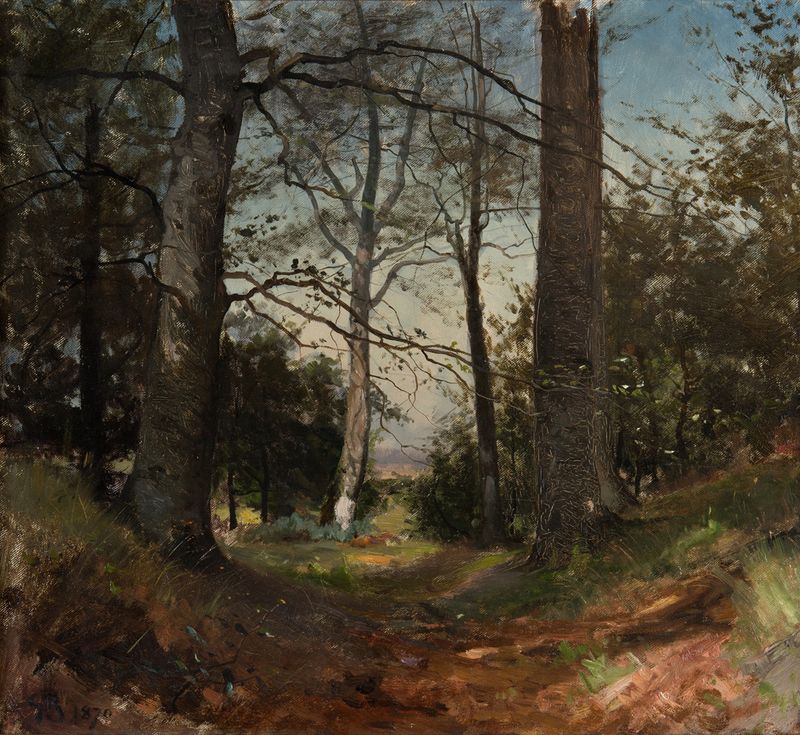
In the Forest. Motif from Stehag, Skåne
Gustaf Rydberg
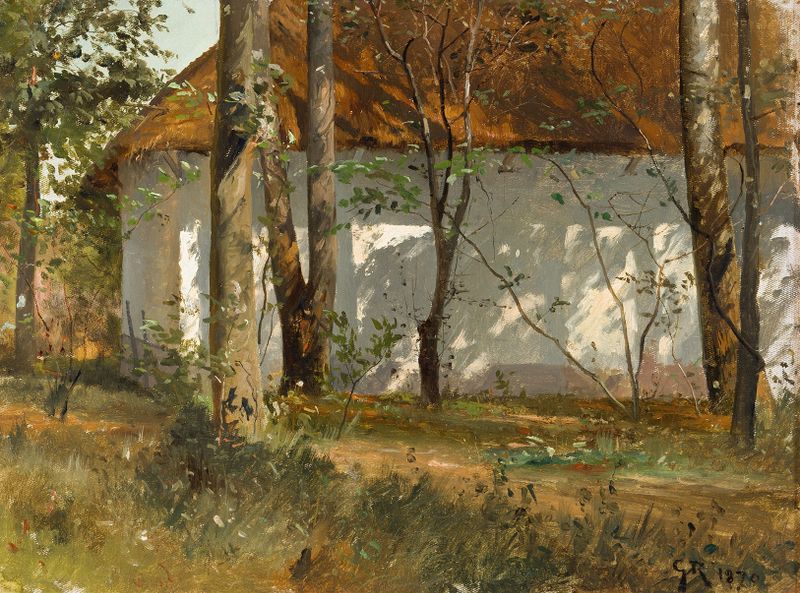
A Barn at Kronetorp, Skåne
Gustaf Rydberg
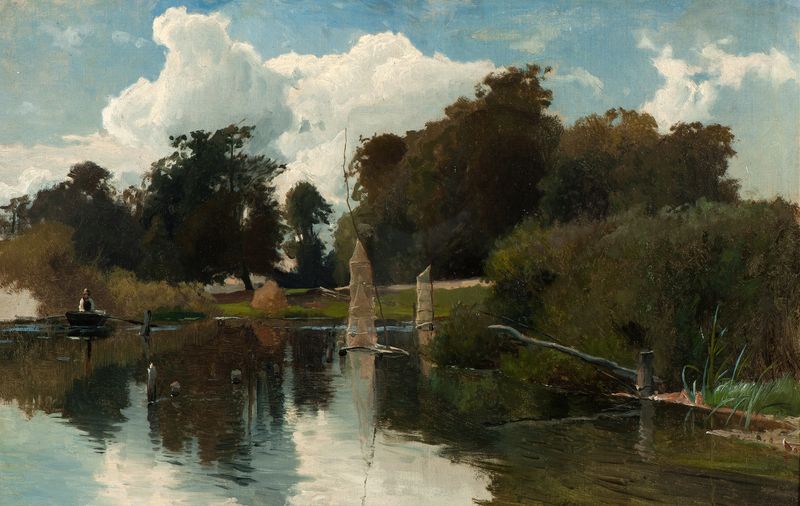
The Shore of Ringsjön I
Gustaf Rydberg

The Sound. Motif from Ven
Gustaf Rydberg

Urban Snow. Study
Gustaf Rydberg





