
Winter Landscape — History & Facts
Who listens when art speaks of silence? In Winter Landscape, nature whispers its secrets through the delicate brushstrokes of a serene winter scene, inviting contemplation and awe. Look to the foreground, where a blanket of soft, undisturbed snow stretches across the canvas, its muted tones of white and pale blue shimmering as if kissed by a gentle breeze. The dark, skeletal trees rise like sentinels against the horizon, their branches whispering tales of stillness. Notice how the light filters through the clouds, creating a celestial glow that bathes the landscape in an ethereal warmth, a stark contrast to the chilling chill of winter’s grip. The depth of this scene lies in the interplay of light and shadow, evoking a palpable sense of solitude.
The minimalist composition suggests vastness, drawing the viewer into a meditative state, while the rugged terrain hints at resilience. This juxtaposition of fragility and strength reflects the duality of nature: serene yet harsh, tranquil yet unyielding. Each element resonates, urging us to pause and contemplate our place within this expansive world. In 1874, Gustaf Rydberg painted Winter Landscape during a period when the art movement was shifting towards realism and impressionism, focusing on the beauty of nature.
Living in Sweden, Rydberg was deeply influenced by the stark yet breathtaking landscapes of his homeland, a time when artists began to explore the emotional weight of their surroundings. This work captures not just a scene, but a profound reflection on the silent majesty of winter.
More Artworks by Gustaf Rydberg
Browse all →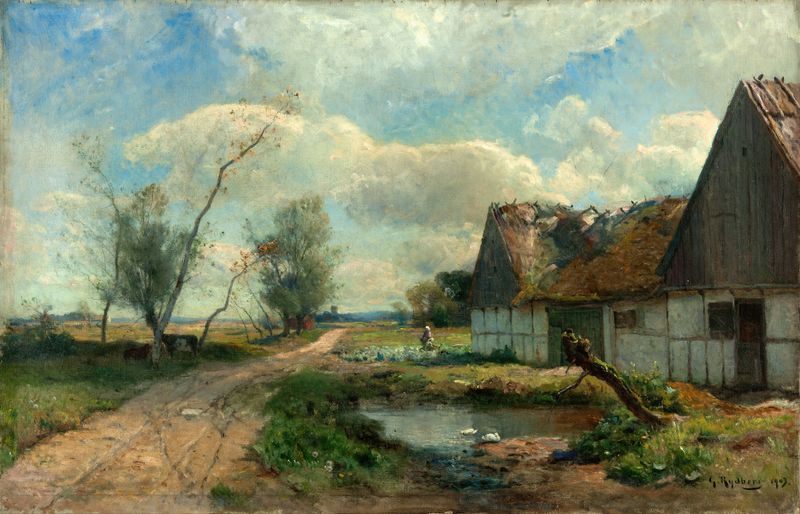
Landscape from Scania with Farm
Gustaf Rydberg
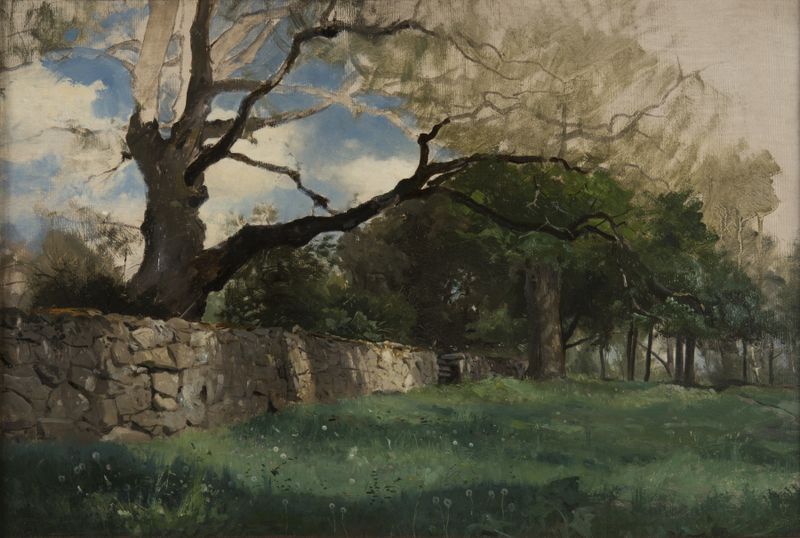
Landscape at Torsebro, near Kristianstad
Gustaf Rydberg
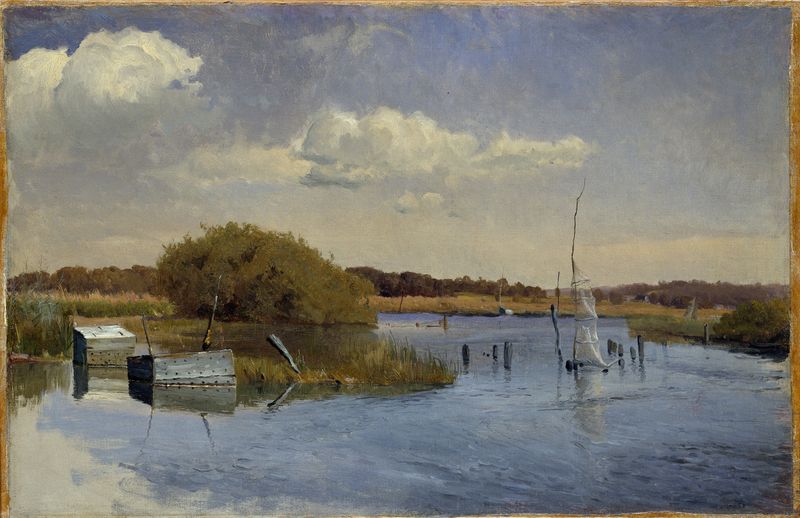
The Shore at Ringsjön II
Gustaf Rydberg
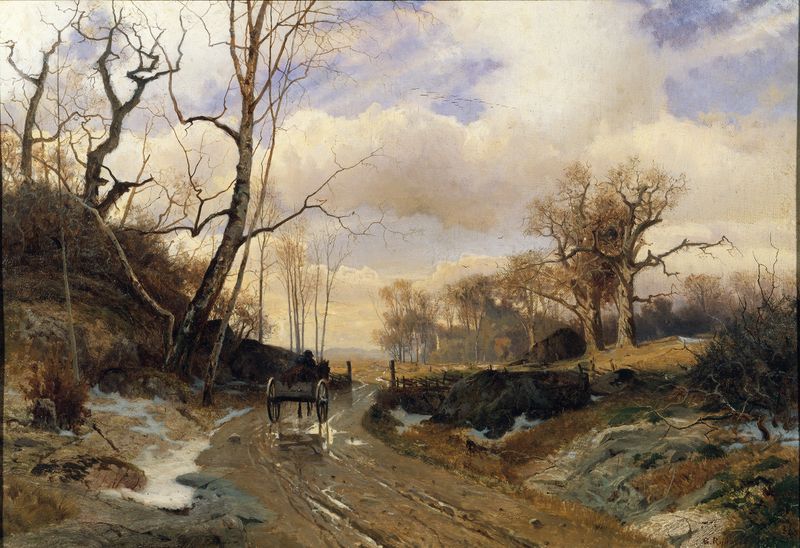
Spring in Skåne
Gustaf Rydberg
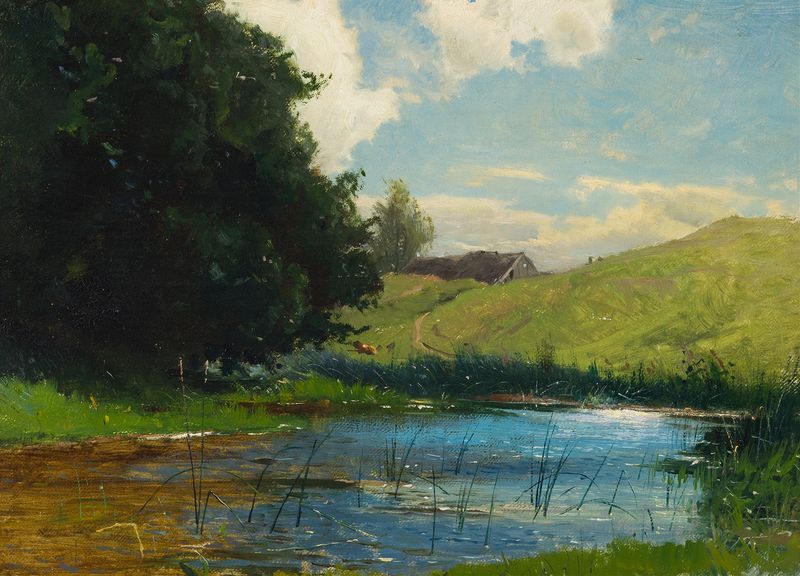
Landscape at Köpingebro, near Ystad
Gustaf Rydberg
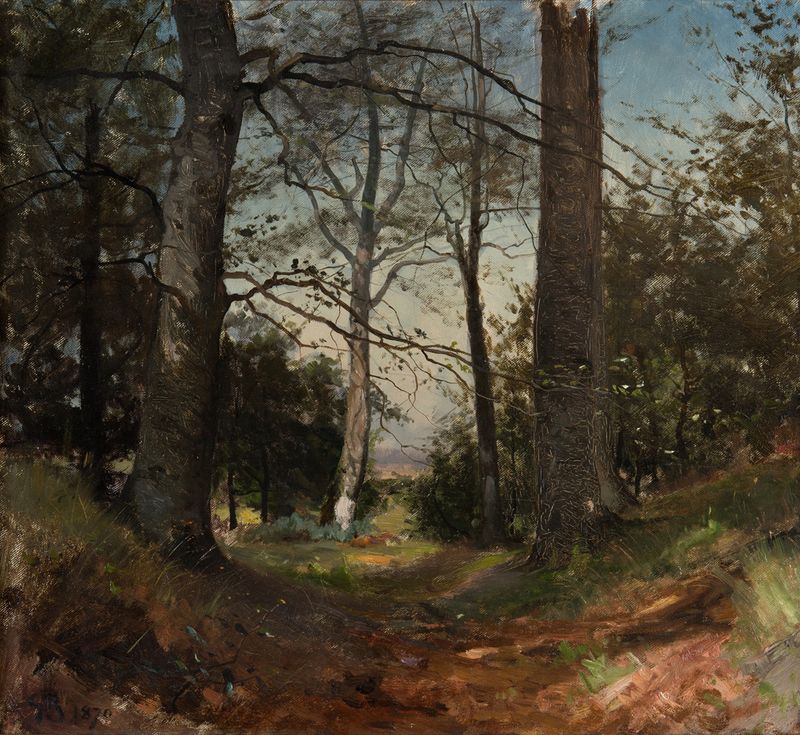
In the Forest. Motif from Stehag, Skåne
Gustaf Rydberg
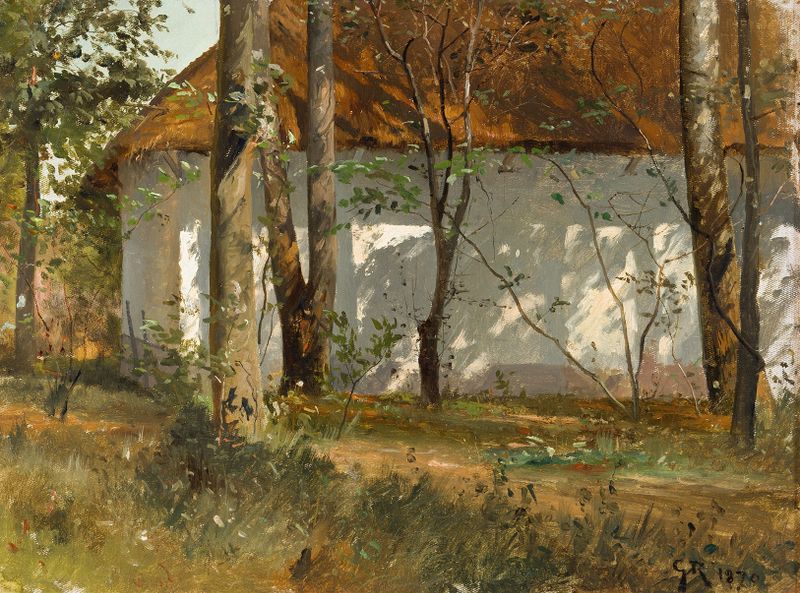
A Barn at Kronetorp, Skåne
Gustaf Rydberg
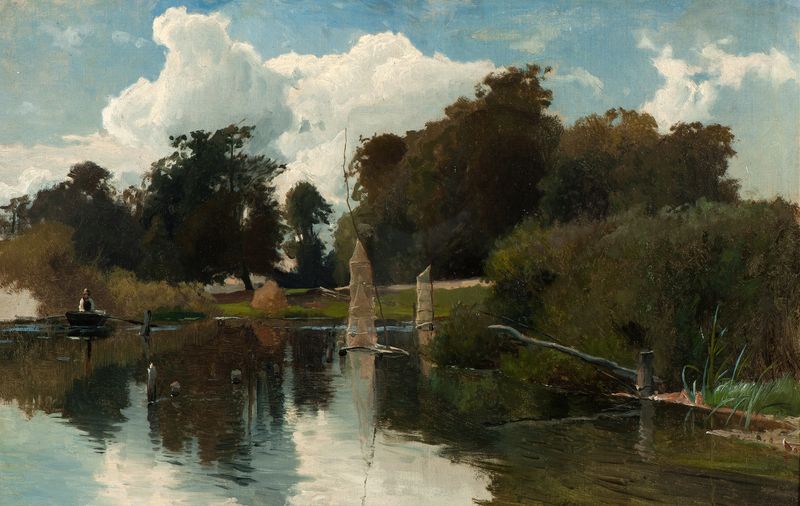
The Shore of Ringsjön I
Gustaf Rydberg

The Sound. Motif from Ven
Gustaf Rydberg

Urban Snow. Study
Gustaf Rydberg





