Discover insights about this artwork
The Sistine Madonna — History & Facts
In The Sistine Madonna, Raphael presents a striking composition featuring the Virgin Mary and the Christ Child. The figures are enveloped in soft, luminous colors, with Mary dressed in a rich blue robe and a red undergarment. The background is a heavenly setting, filled with clouds and cherubs, creating a sense of divine presence.
The overall effect is both serene and majestic, drawing the viewer's eye to the central figures. This painting is executed in oil on canvas, a medium that allows for vibrant color and detail. The dimensions of The Sistine Madonna are approximately 265 x 196 cm, making it a large and imposing work. Raphael's use of light and shadow enhances the three-dimensionality of the figures, giving them a lifelike quality.
The painting is notable for its intricate details, particularly in the facial expressions of Mary and the Christ Child. The Sistine Madonna was created during the High Renaissance, a period marked by artistic innovation and mastery. Raphael, known for his harmonious compositions and graceful figures, painted this work around 1512. An interesting fact about this painting is that it was commissioned for the church of San Sisto in Piacenza, Italy, and later moved to Dresden, where it remains today.
The painting has inspired countless artists and remains a significant influence in religious art.
More Artworks by Raphael

Portrait of Baldassarre Castiglione
Raphael
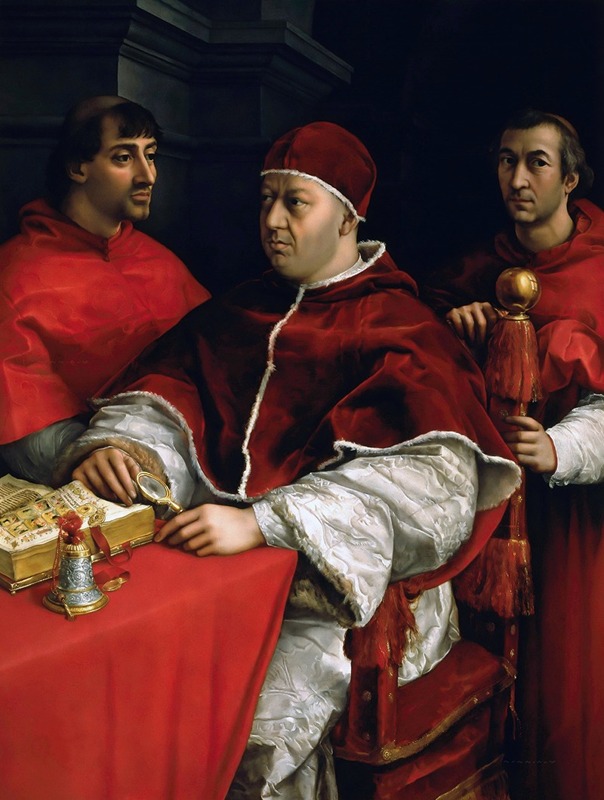
Portrait of Pope Leo X with Cardinals Giulio de’ Medici and Luigi de’ Rossi
Raphael
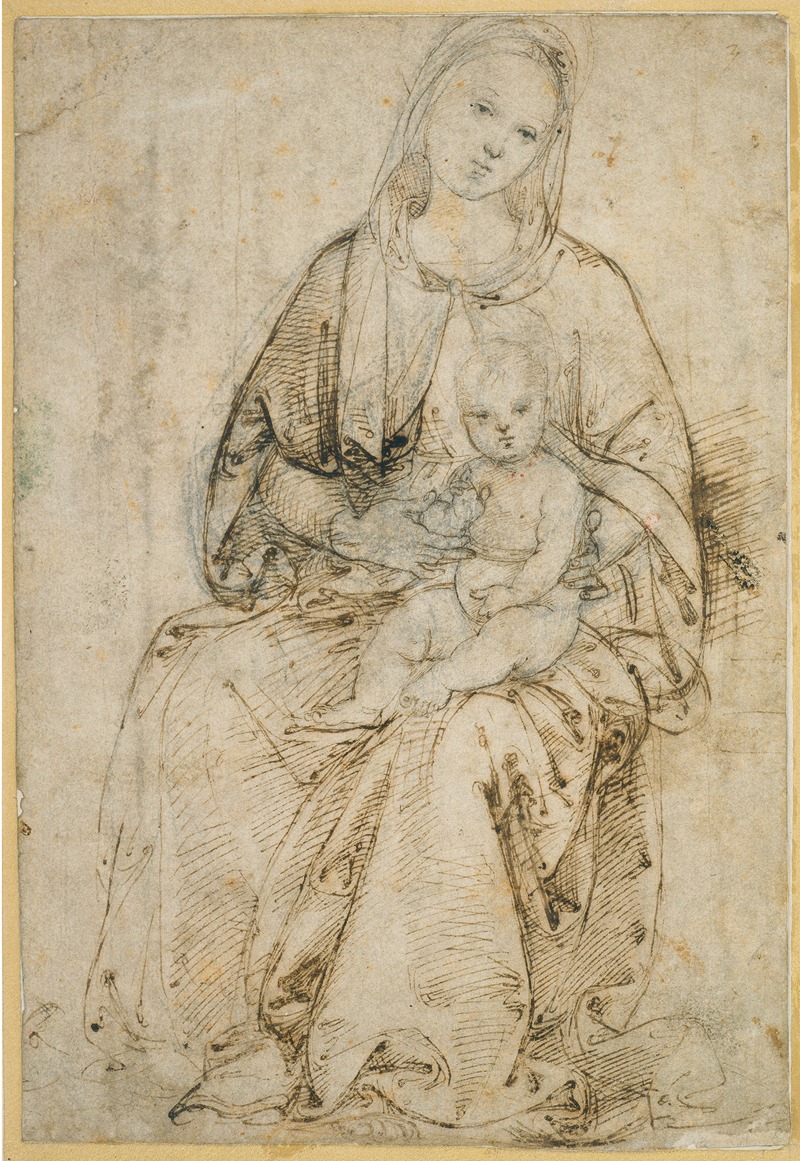
Seated Madonna and Child
Raphael
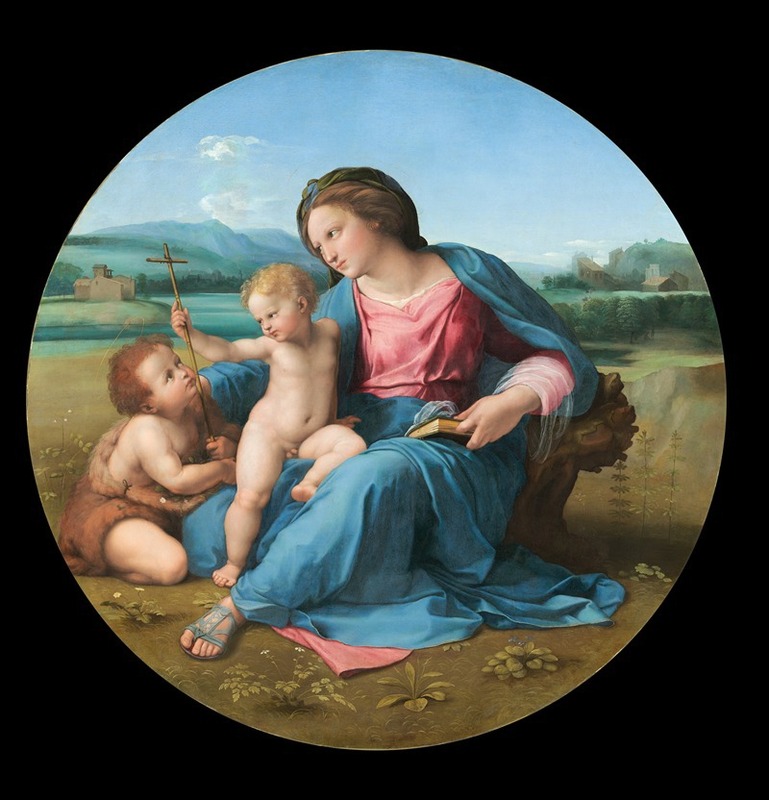
The Alba Madonna
Raphael
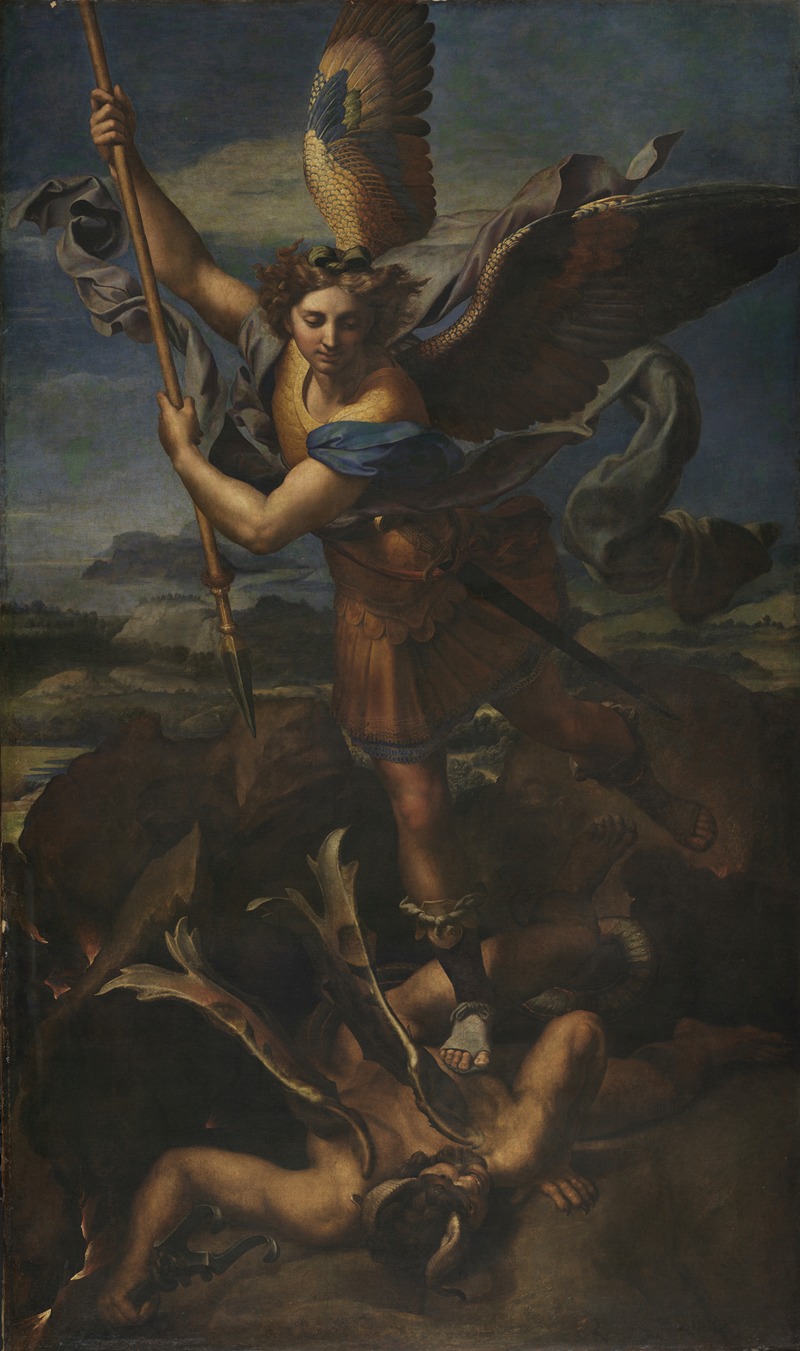
Saint Michael Vanquishing Satan
Raphael
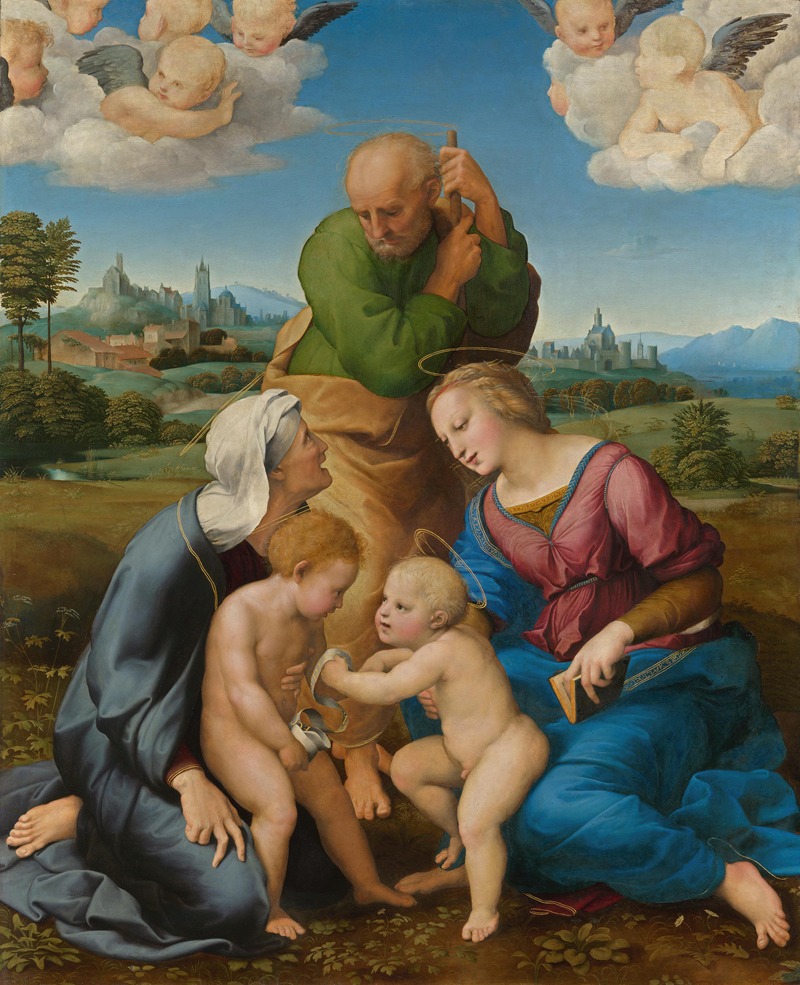
Canigiani Holy Family
Raphael
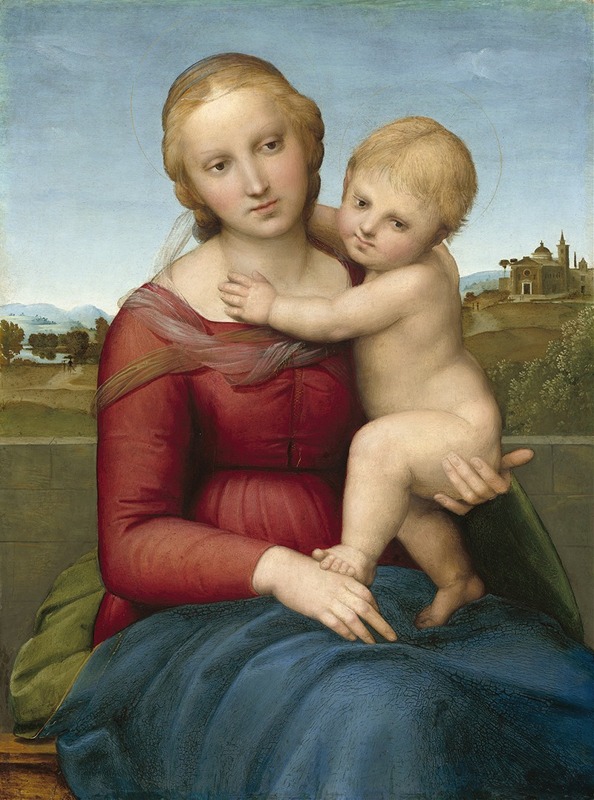
The Small Cowper Madonna
Raphael
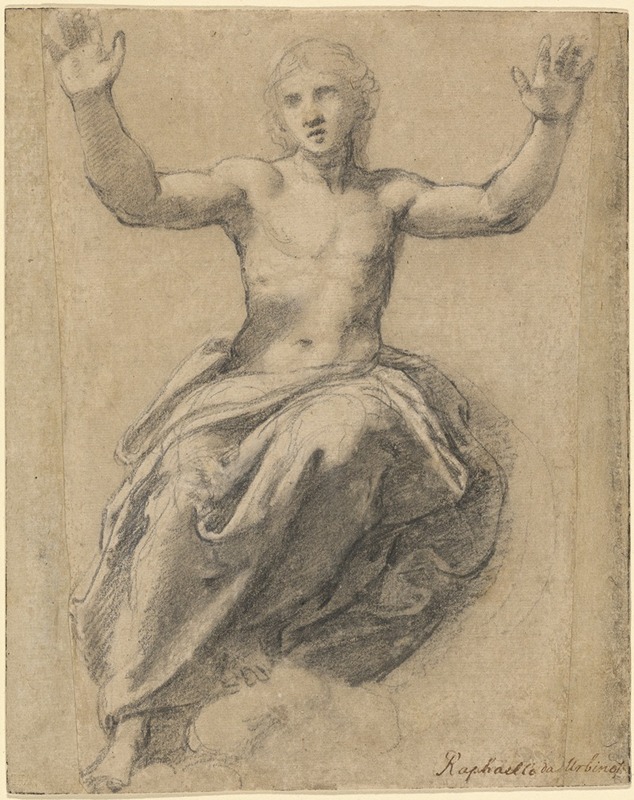
Christ in Glory
Raphael

Ezekiel’s Vision
Raphael
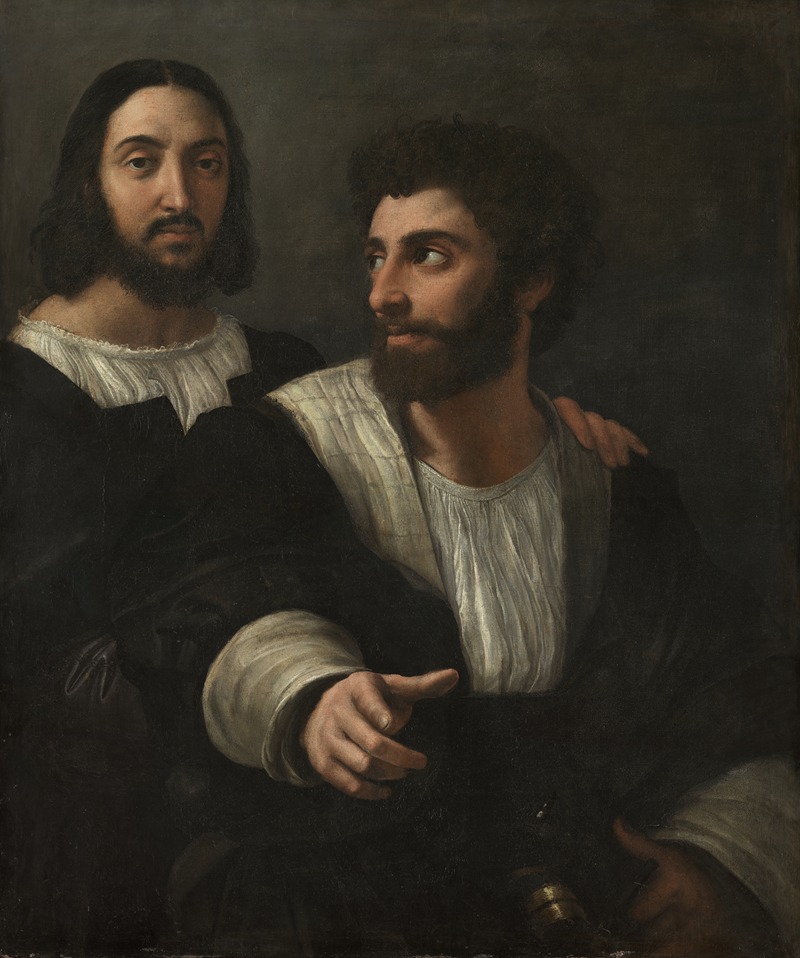
Self-portrait with a friend
Raphael