The Sluice Gate — History & Facts
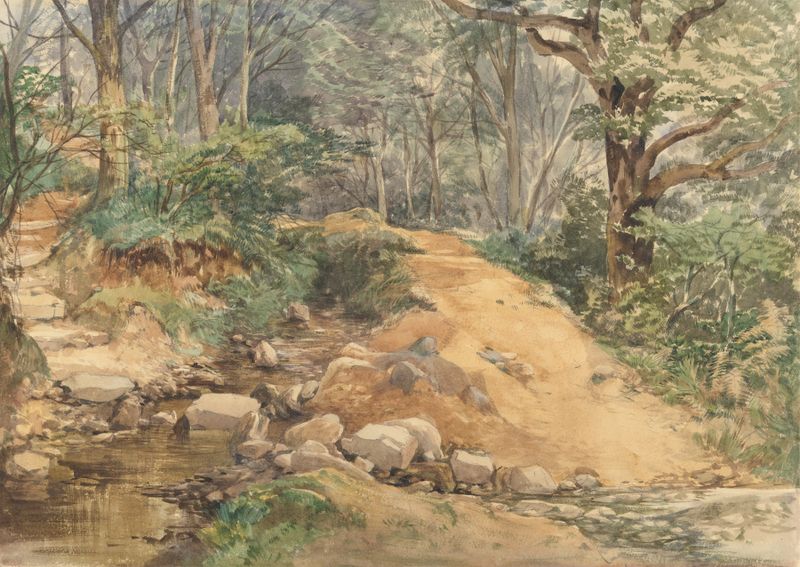
Is this a mirror — or a memory? The reflection of water seems to beckon from the canvas, invoking the ephemeral nature of life itself, as it captures not just a landscape but the essence of existence. Look to the left at the gentle arch of the sluice gate, its weathered wood standing resolute against the flowing water. Notice how the colors blend; muted greens and browns intertwine, evoking a sense of time's passage. The dappled light dances across the surface, revealing the intricate textures of the scene—each ripple in the water a testament to moments lost.
The harmonious composition invites the eye to wander, yet it draws us back to the central gate that acts as both boundary and passage. Beneath the tranquil exterior lies a deeper narrative. The interplay of light and shadow expresses the tension between life and decay, while the water’s surface mirrors the fleeting nature of our memories. Each wave suggests movement, a reminder of the constant flux of time, and the stillness of the gate stands as a poignant metaphor for mortality.
The scene whispers of what remains once we have passed, urging contemplation of what we choose to hold onto. When this piece was created, John Middleton was navigating the complexities of his artistic journey in the early 20th century, a period marked by introspection and the reflection on nature's power. The world was experiencing profound changes, yet the artist found solace in capturing moments that transcend the chaos, creating a legacy that resonates with our collective consciousness.