Landscape — History & Facts
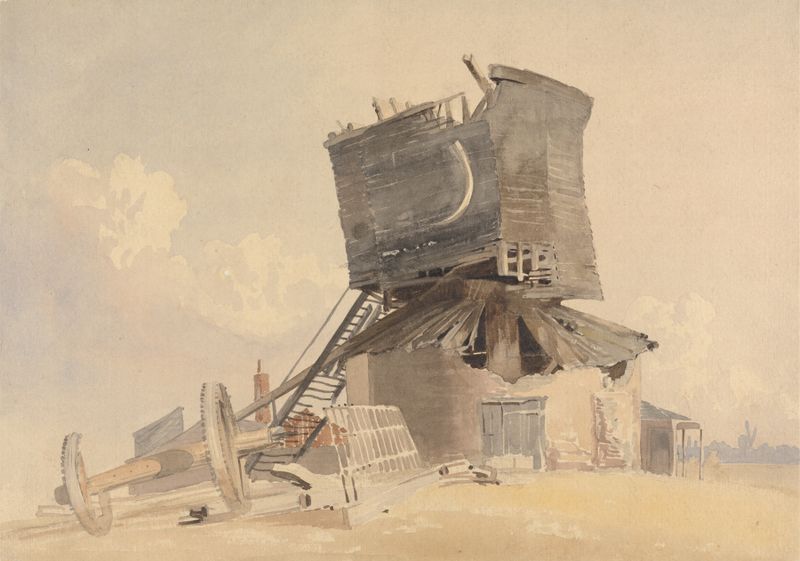
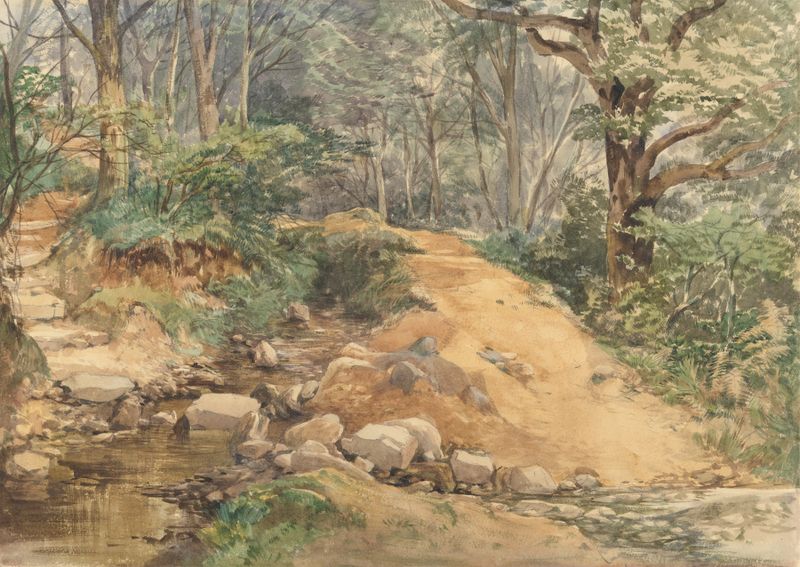
Where does light end, and longing begin? In the vast embrace of nature, shadows dance with the glow of dusk, creating a silent dialogue between hope and melancholy. Focus on the soft hues that wash across the canvas, where sprawling fields meet a horizon kissed by the setting sun. The brushstrokes convey a gentle rhythm, guiding your eyes toward the interplay of light and shadow. Notice how the tints of green blend seamlessly with the golden sky, evoking an ethereal quality that draws you in, inviting contemplation of what lies beyond the visible.
The composition feels alive, yet tranquil, as if time holds its breath in this moment of transition. The emotional tension is palpable, with the foreground's vibrant life contrasting sharply against the distant, fading horizon. Each stroke carries a sense of yearning, as though the land itself longs for the touch of twilight. Hidden details—a solitary figure in the distance, the subtle curl of a tree branch—serve as reminders of the human connection to this expansive world, amplifying the sentiments of solitude and introspection.
This landscape is not just a place; it is a feeling, a threshold between the familiar and the unknown. Created in 1850, the artist found inspiration in a time marked by the Romantic movement's reverence for nature and emotional depth. Working in England, he was part of a broader dialogue among artists exploring the interplay of light and atmosphere, reflecting both personal and societal longings. This period, characterized by a burgeoning appreciation for the natural world, allowed him to encapsulate that essence within his work, revealing a masterful understanding of both technique and emotion.