
The Spanish gypsy 'Preciosa' — History & Facts
When did color learn to lie? In the portrait of The Spanish gypsy 'Preciosa', hues weave a narrative where truth and illusion entwine, awakening the soul to the mysteries of identity and longing. Look to the left at Preciosa's gaze, a fierce blend of confidence and melancholy. The warm ochres and deep reds envelop her figure, contrasting gracefully with the delicate silk of her attire. Observe the play of light on her intricate jewelry, illuminating her presence as if she were stepping forth from the shadows of her own story.
The vibrant colors draw your eye, yet the somber backdrop hints at a deeper emotional landscape, inviting you to linger just a moment longer. As you delve deeper, notice the delicate tension in Preciosa's expression—there's an unspoken story of resilience and fragility. The slight turn of her head suggests both awareness and detachment, embodying the complexity of cultural identity. The juxtaposition of her rich garments against the muted surroundings speaks to the clash between heritage and the desire for individuality.
Every stroke of paint seems to echo a heartbeat, revealing the layers of human experience beneath the surface. Rembrandt created this masterpiece around 1642, a period marked by personal and professional challenges. Living in Amsterdam, he was navigating the complexities of his career while grappling with financial difficulties. At the same time, the art world was shifting, embracing new explorations of light and shadow, which would come to define his later works.
In The Spanish gypsy 'Preciosa', he captures not just a moment, but an entire world pulsating with life and struggle, reflecting the artist's own journey.
More Artworks by Rembrandt van Rijn
Browse all →
The Night Watch Militia Company of District II under the Command of Captain Frans Banninck Cocq
Rembrandt van Rijn

The Return of the Prodigal Son
Rembrandt van Rijn

The Hundred Guilder Print: the figures leaning on the wall in the centre left
Rembrandt van Rijn

The Hundred Guilder Print: the central piece with Christ preaching, the plate arched
Rembrandt van Rijn

Isaac and Rebecca, Known as ‘The Jewish Bride’
Rembrandt van Rijn
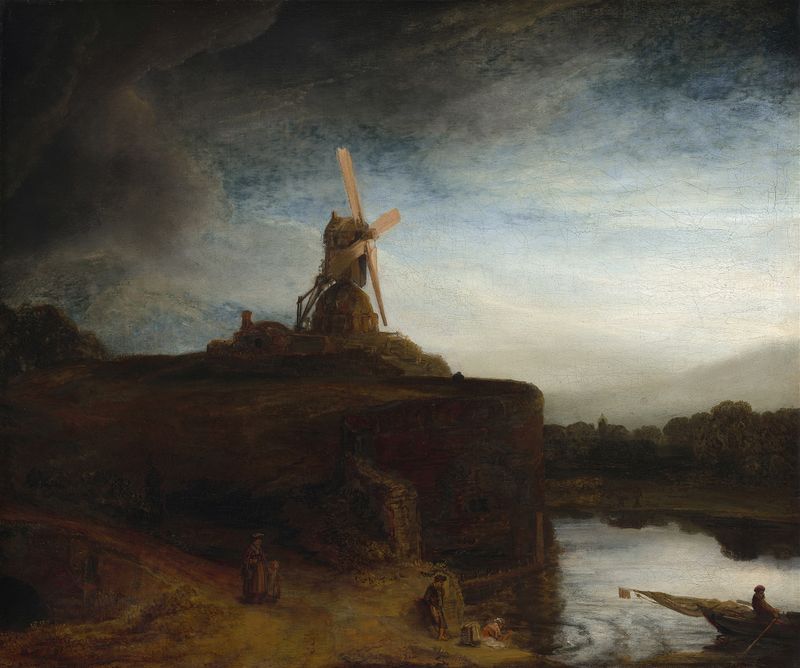
The Mill
Rembrandt van Rijn

The Sampling Officials of the Amsterdam Drapers’ Guild, Known as ‘The Syndics’
Rembrandt van Rijn

The return of the prodigal son
Rembrandt van Rijn
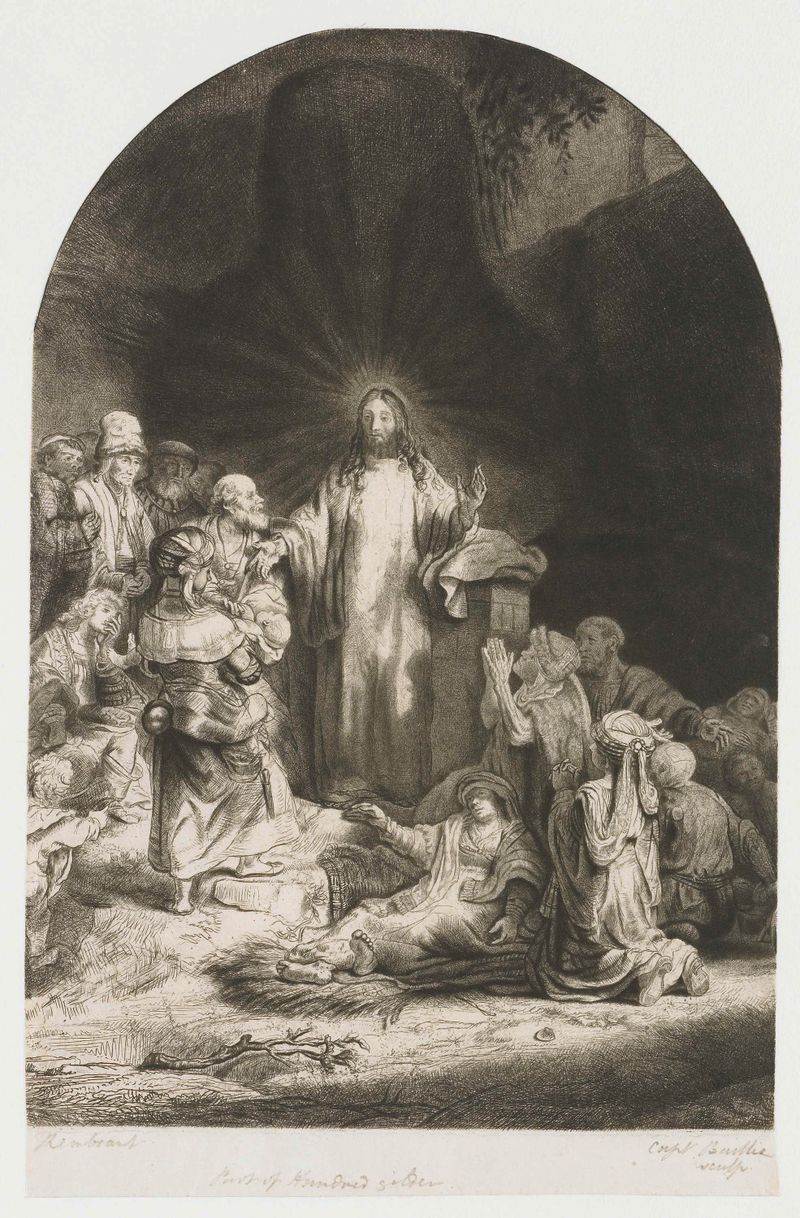
The Hundred Guilder Print: the central piece with Christ preaching, the plate arched
Rembrandt van Rijn

The Hundred Guilder Print: the man seen on the back in the lower left corner
Rembrandt van Rijn
More Portrait Art
Browse all →
Las meninas
Diego Velázquez

Self-portrait with a Bandaged Ear and Pipe
Unidentified artist

Girl with a Pearl Earring
Johannes Vermeer
The Sampling Officials of the Amsterdam Drapers’ Guild, Known as ‘The Syndics’
Rembrandt van Rijn
The Hundred Guilder Print: the man seen on the back in the lower left corner
Rembrandt van Rijn

Portrait of Dr Gachet
Vincent van Gogh