The Steps By The Flowers — History & Facts
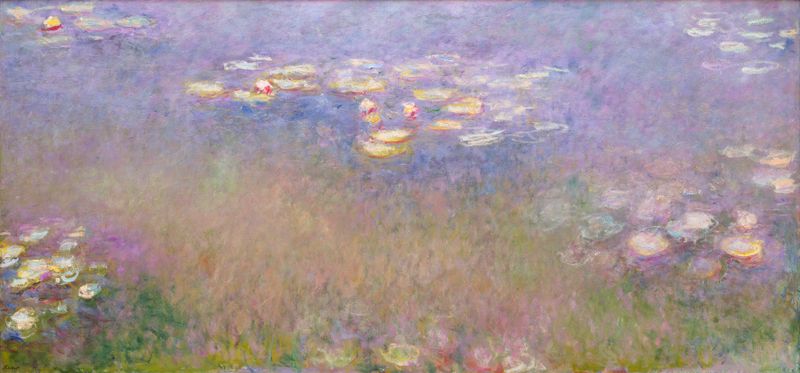
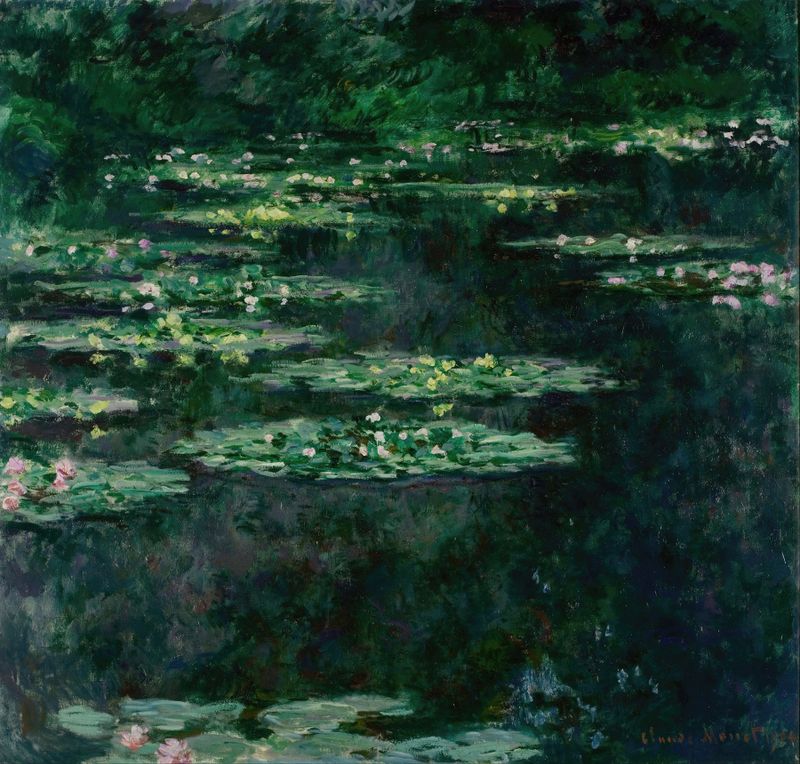
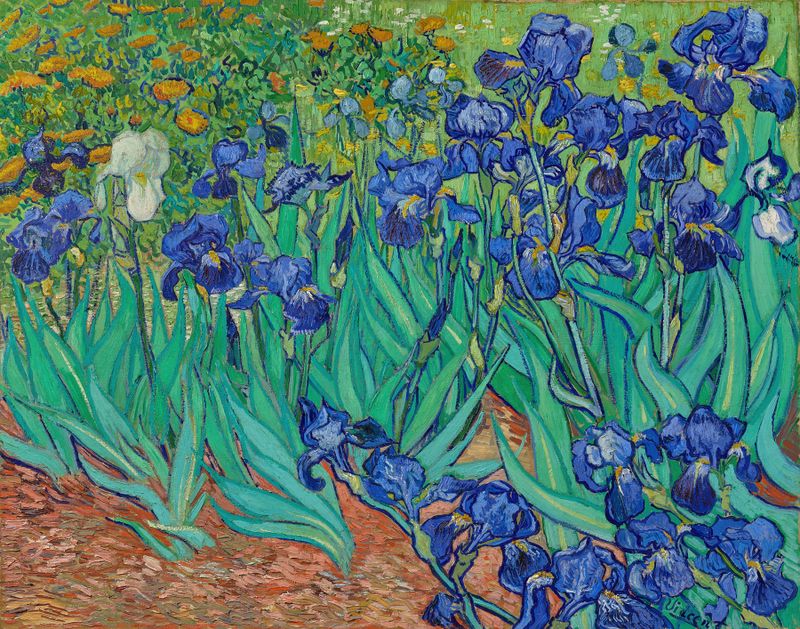
In the quiet passage of time, we find ourselves yearning for connection, seeking refuge in the delicate embrace of beauty. This ethos resonates deeply within the canvas that captures both a moment and an eternity. Look closely at the foreground, where blossoms burst forth in vibrant hues, their colors a symphony calling for attention. The soft pastels of the flowers dance against a muted backdrop, inviting the viewer to appreciate not just their beauty, but the subtlety of their surroundings.
The interplay of light and shadow reveals the textures of each petal, while the composition draws our gaze gracefully toward the steps, leading us into a space of contemplation. Significantly, the steps symbolize a journey, a passage not just through the physical world but through time itself. They suggest the transient nature of moments, while the flowers signify the beauty found in the ephemerality of life. The profound contrast between the man-made structure and the organic blooms evokes feelings of nostalgia and longing, a reminder that time marches on, yet beauty can pause us in our tracks. Created during a period when Lavieille was deeply influenced by the natural world, The Steps By The Flowers reflects his fascination with the interplay of nature and architecture.
Although the exact date remains unknown, it is believed to have been painted in the late 19th century when Impressionism was gaining momentum, and artists were exploring new techniques to capture fleeting moments. This work embodies a transitional phase in art, where the focus shifted towards the emotional resonance found in everyday scenes.