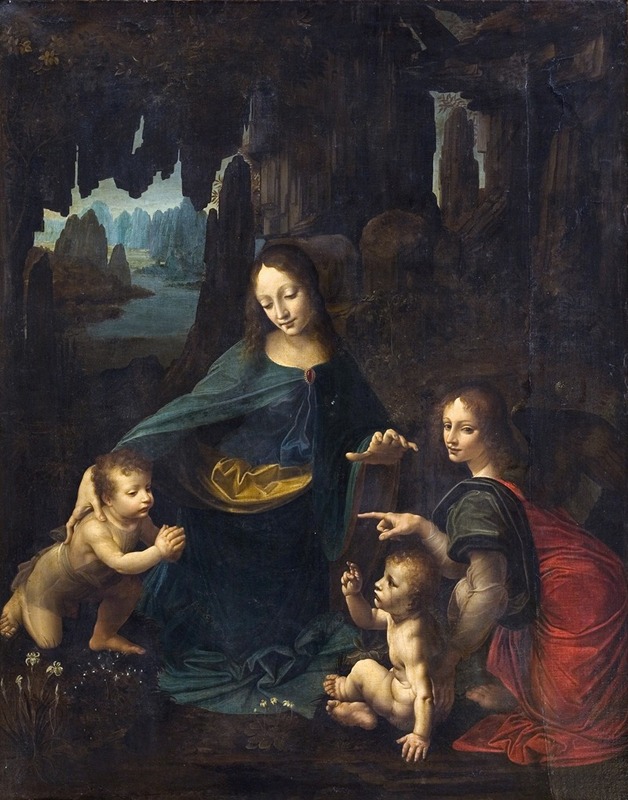
Discover insights about this artwork
The Stoning of St. Stephen — History & Facts
In The Stoning of St. Stephen, Rembrandt van Rijn presents a dramatic scene filled with intense colors. The figures are depicted in a moment of chaos, surrounded by a crowd that is both aggressive and fervent.
The use of light and shadow highlights the emotional turmoil of the moment, drawing attention to St. Stephen himself. The setting is a stark, rocky landscape that emphasizes the brutality of the event. This painting is executed in oil on canvas, showcasing Rembrandt's skill in capturing human emotion and movement.
The dimensions are approximately 120 x 160 cm, making it a substantial work that commands attention. The brushwork is dynamic, with visible strokes that add to the sense of urgency in the scene. The contrast between light and dark is a hallmark of Rembrandt's style, enhancing the dramatic effect. Rembrandt van Rijn painted this work during the Dutch Golden Age, a time when religious themes were prevalent in art.
Interestingly, this painting is one of the few works that depicts the martyrdom of St. Stephen, the first Christian martyr. It reflects the artist's deep engagement with biblical narratives and his ability to convey complex emotions.
The painting is housed in the Rijksmuseum, where it continues to be a significant piece of religious art.
More Artworks by Rembrandt van Rijn
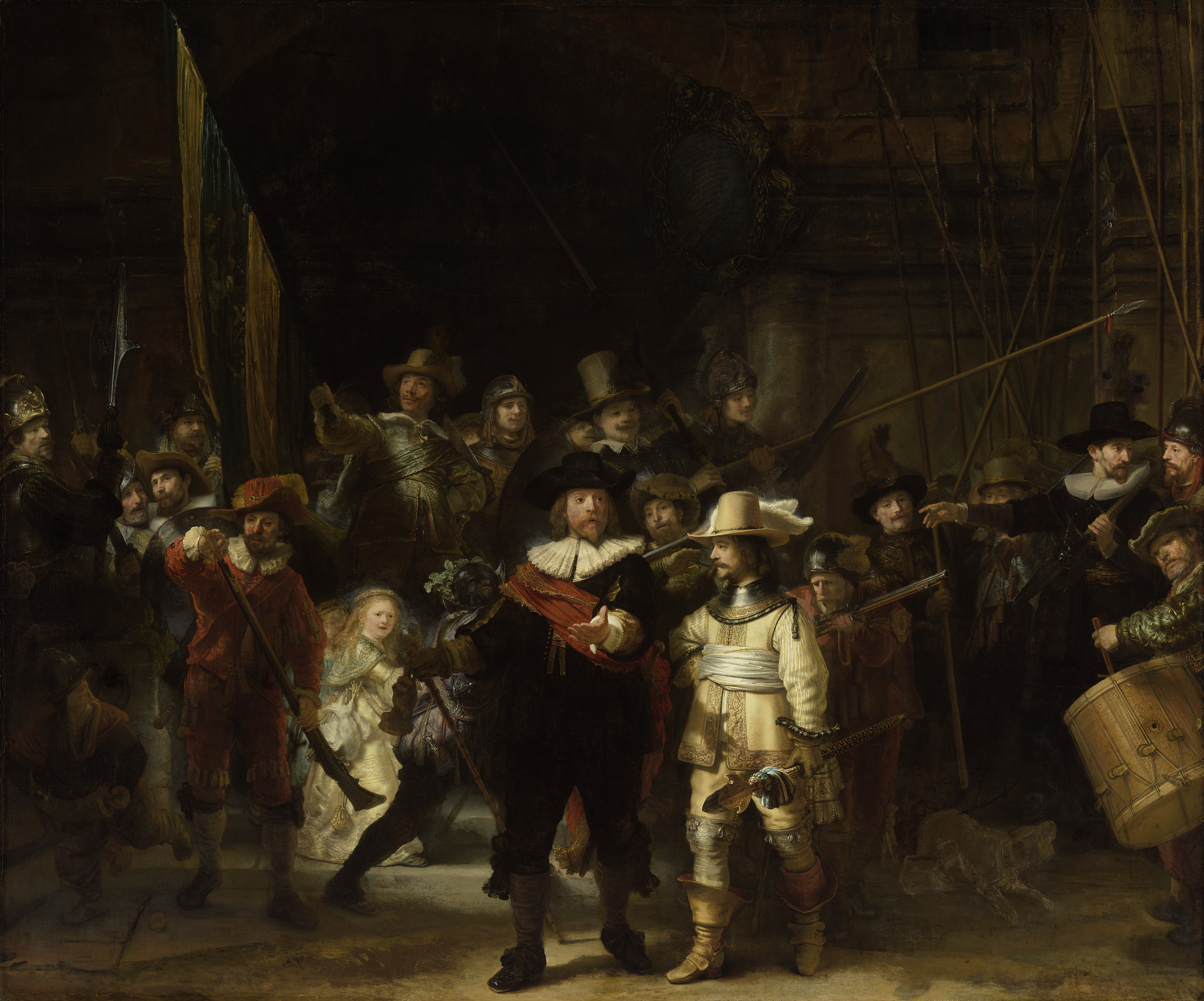
The Night Watch Militia Company of District II under the Command of Captain Frans Banninck Cocq
Rembrandt van Rijn
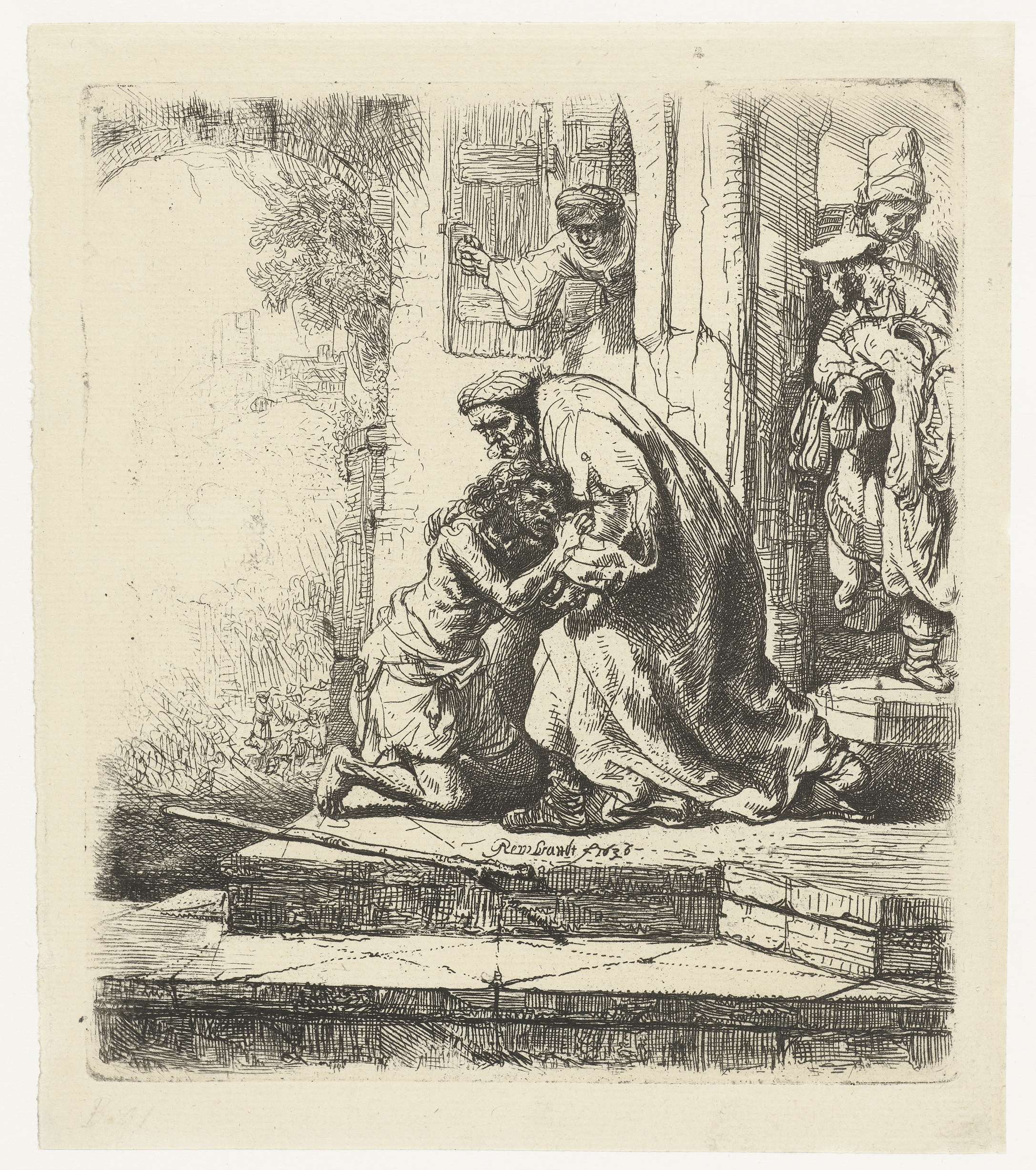
The Return of the Prodigal Son
Rembrandt van Rijn
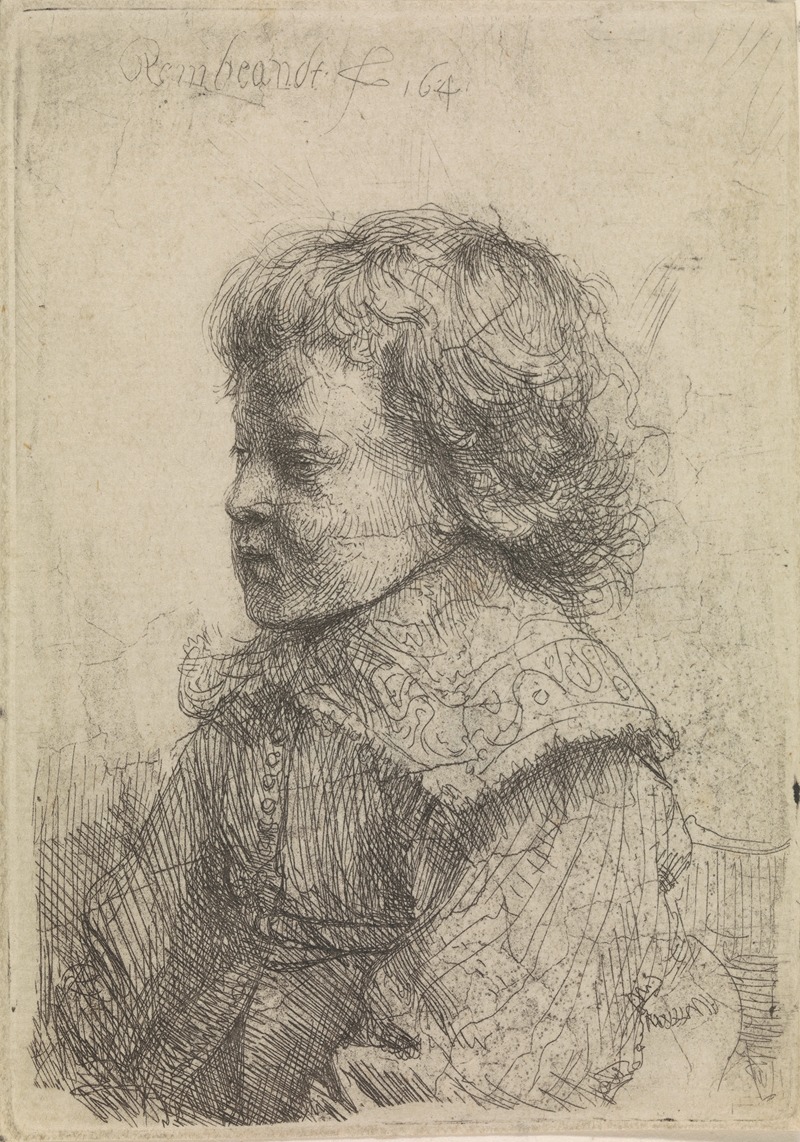
Portrait of a boy in profile
Rembrandt van Rijn
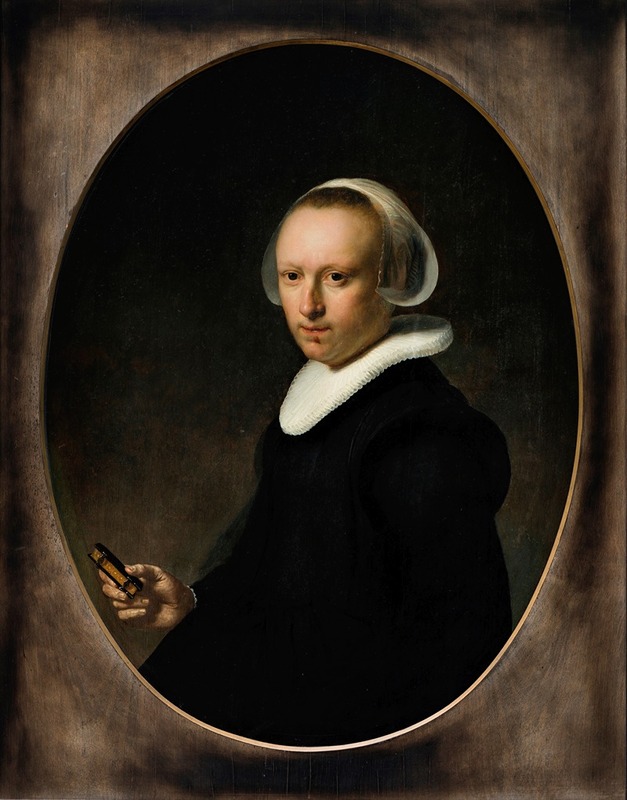
Portrait of a 39-year-old Woman
Rembrandt van Rijn
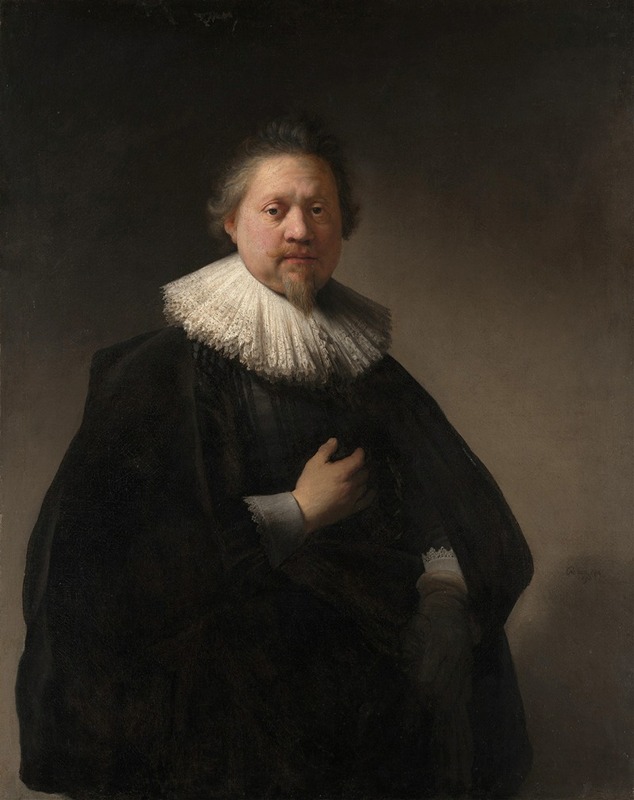
Portrait of a Man
Rembrandt van Rijn
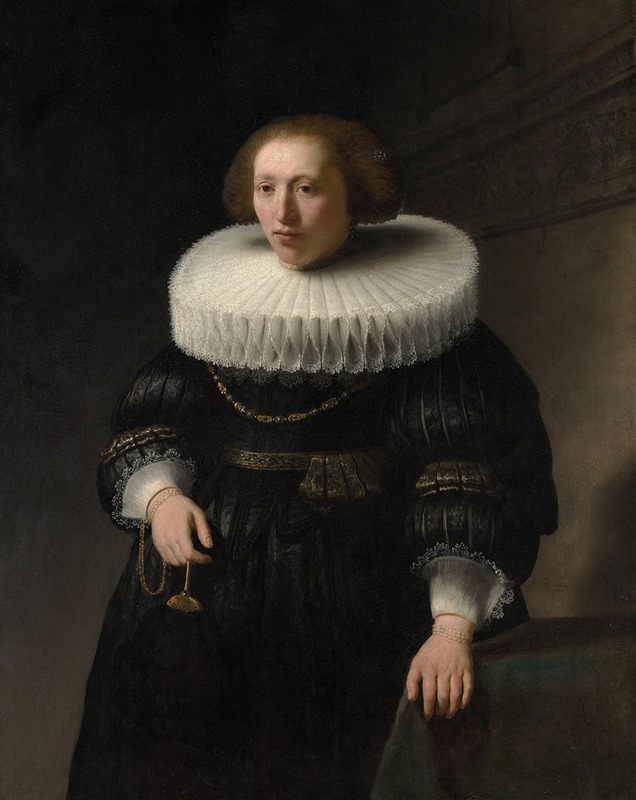
Portrait of a Woman
Rembrandt van Rijn
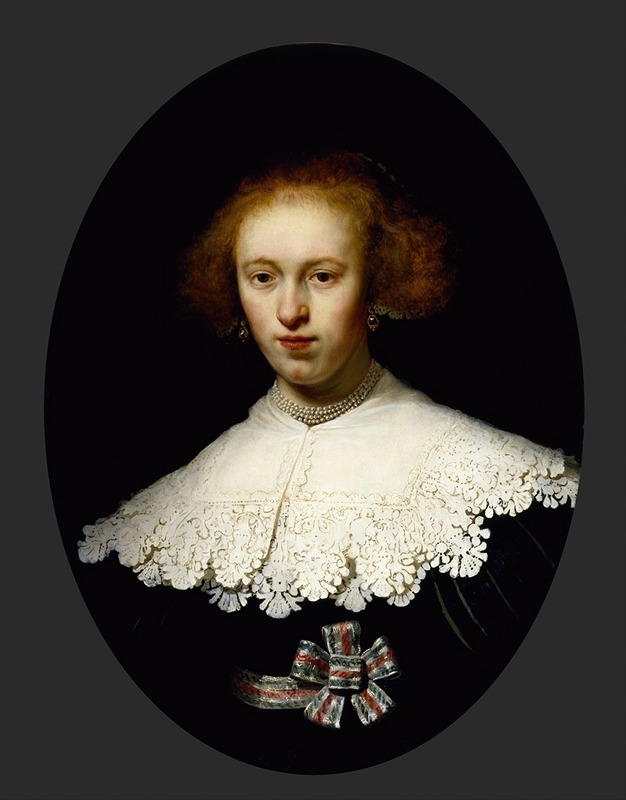
Portrait of a Young Woman
Rembrandt van Rijn
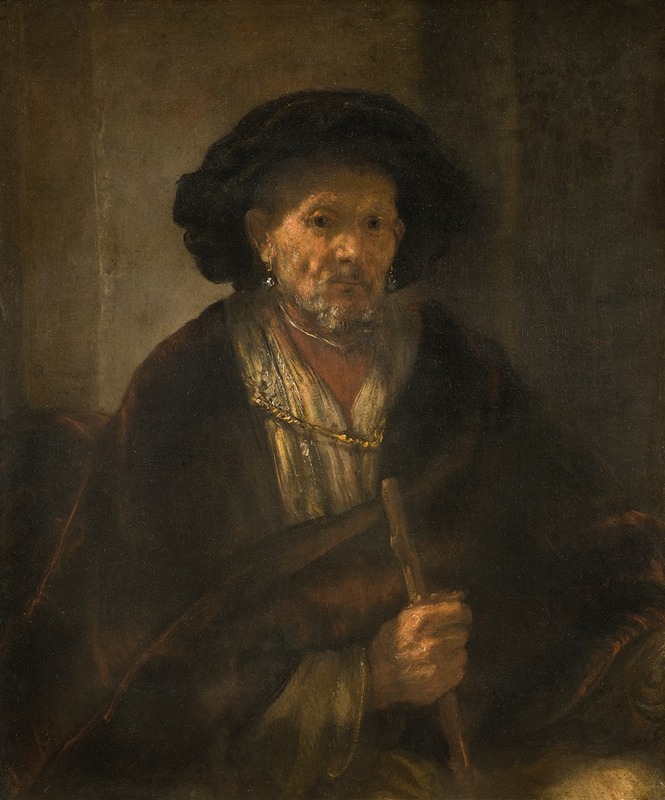
Portrait of an Old Man
Rembrandt van Rijn
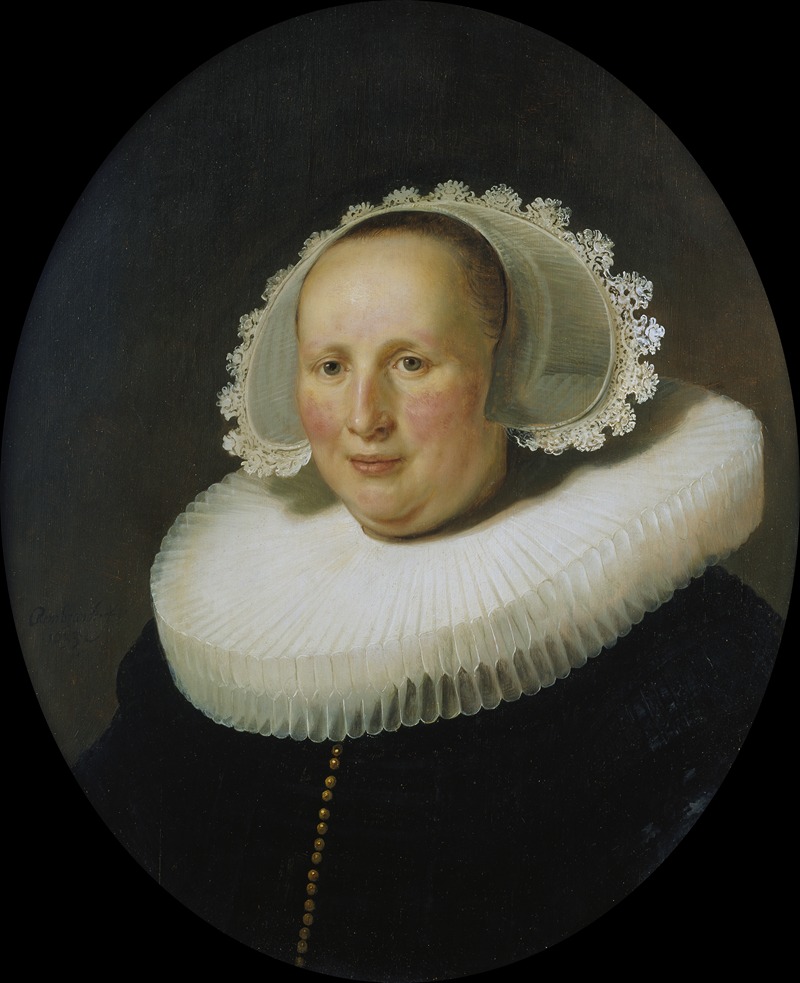
Portrait of Maertgen van Bilderbeecq
Rembrandt van Rijn
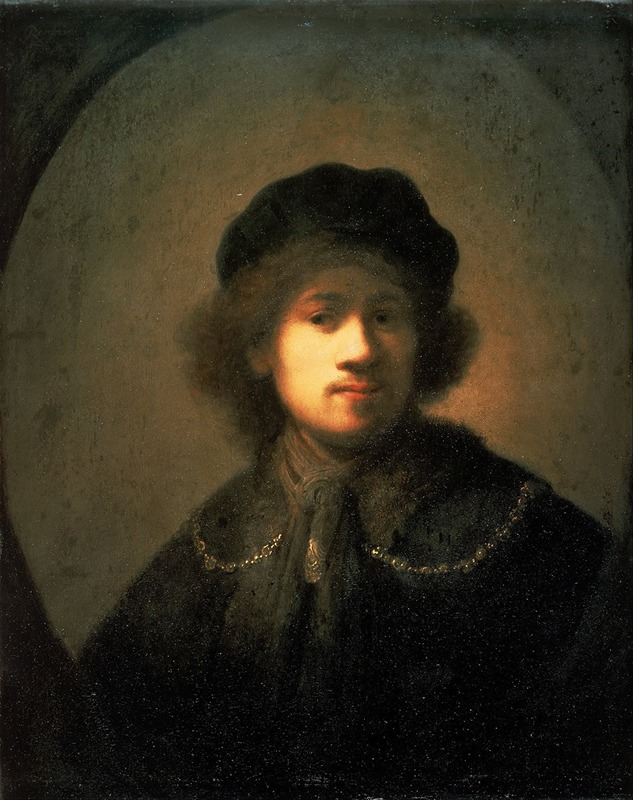
Portrait of the Artist as a Young Man
Rembrandt van Rijn