
The Story of Tamiya Bōtarō — History & Facts
In The Story of Tamiya Bōtarō, vibrant colors dominate the scene, with deep reds and blues creating a striking contrast. The painting features Tamiya Bōtarō, a samurai, depicted in a dynamic pose. Surrounding him are elements of nature, including trees and flowing water, which enhance the narrative.
The overall composition draws the viewer into the historical moment captured. This artwork is a woodblock print, a traditional Japanese technique that allows for intricate details and vibrant colors. The use of line work is precise, showcasing Yoshitoshi's skill in creating textures and patterns. The print is characterized by its flat areas of color, typical of the Ukiyo-e style.
Viewers can appreciate the craftsmanship in the layering of colors and the careful arrangement of figures. Tsukioka Yoshitoshi was a prominent figure in the Ukiyo-e movement during the late 19th century. He is known for his dramatic and expressive style, often depicting historical and mythical themes. The Story of Tamiya Bōtarō reflects his interest in samurai culture and storytelling.
An interesting fact about this work is that it is part of a series that explores various legendary figures from Japanese history.
More Artworks by Tsukioka Yoshitoshi

Frost fills the air and the autumn air is still/lines of returning geese cross the moon in the third hour-Kenshin, from the series Twelve Aspects of the Moon
Tsukioka Yoshitoshi
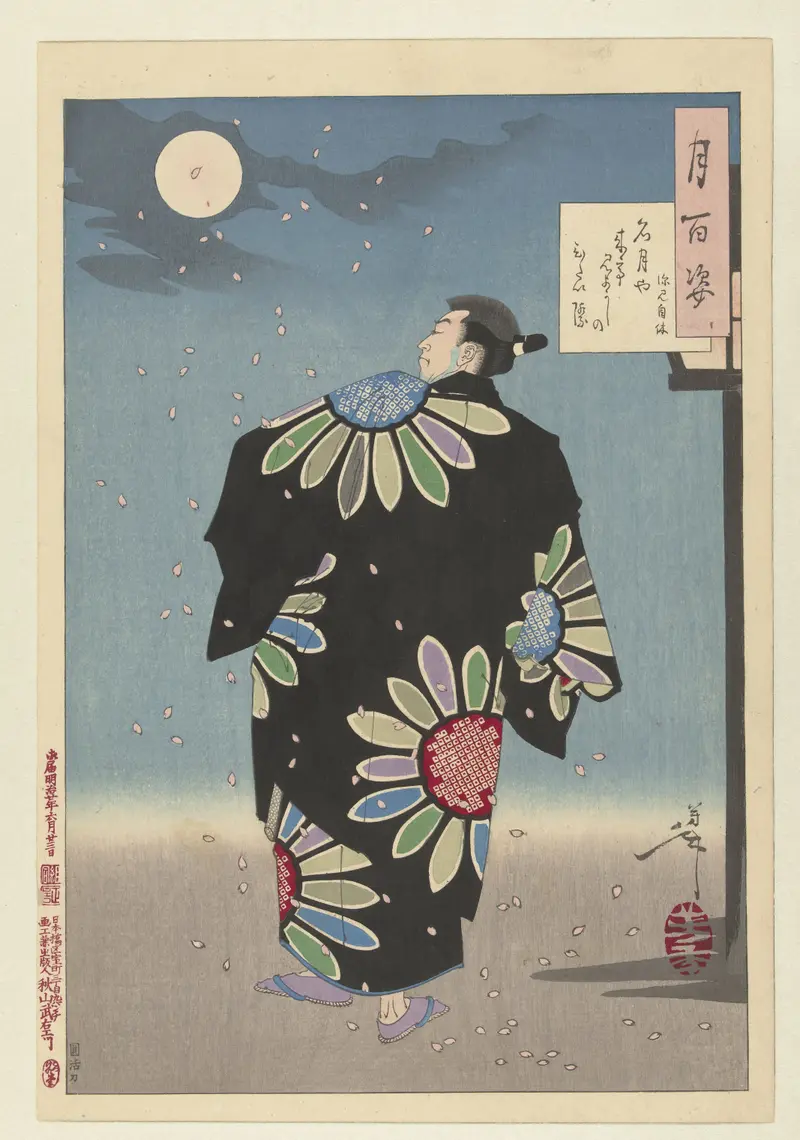
Fukami Jikyu in maanlicht
Tsukioka Yoshitoshi
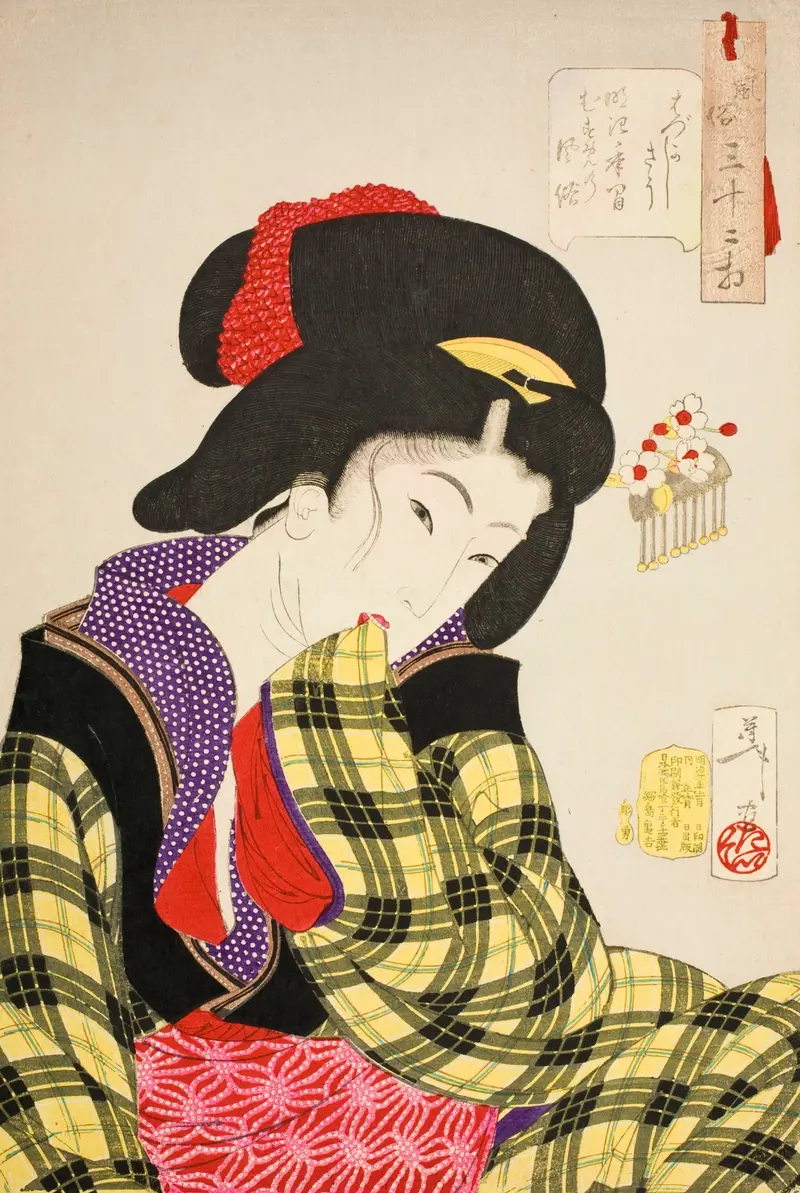
Looking Shy; The Manners of a Young Girl of the Meiji Era
Tsukioka Yoshitoshi
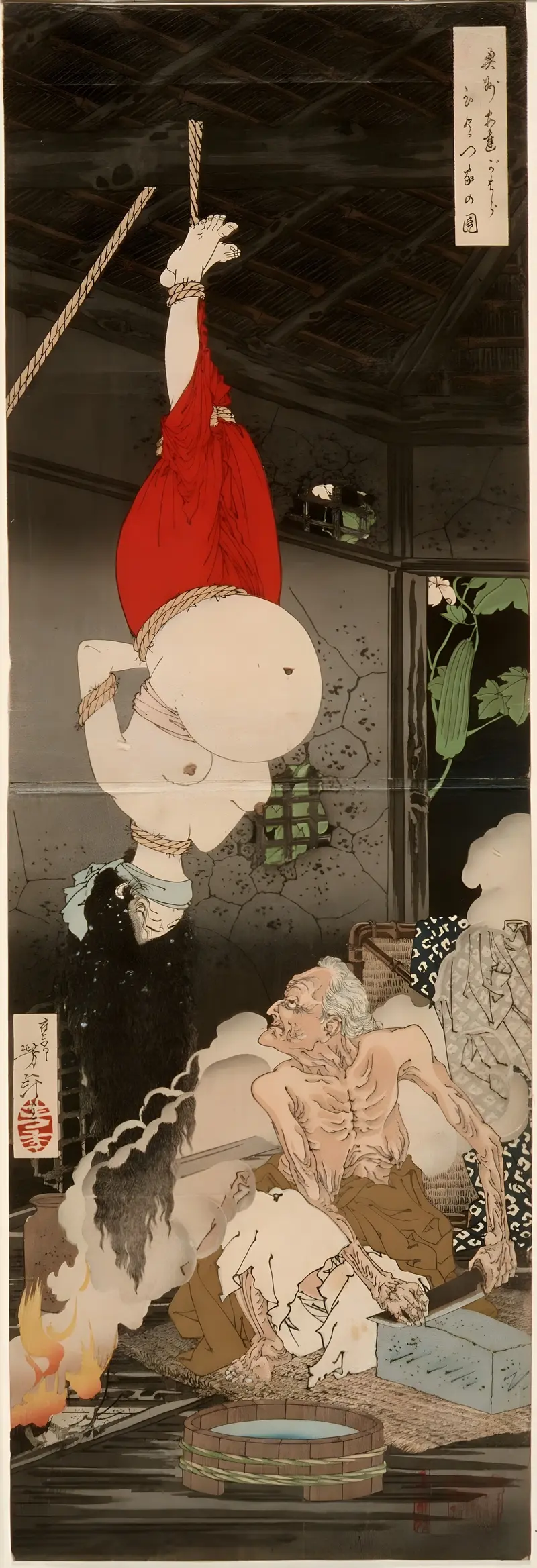
The Lonely House on Adachi Moor in Northern Japan
Tsukioka Yoshitoshi
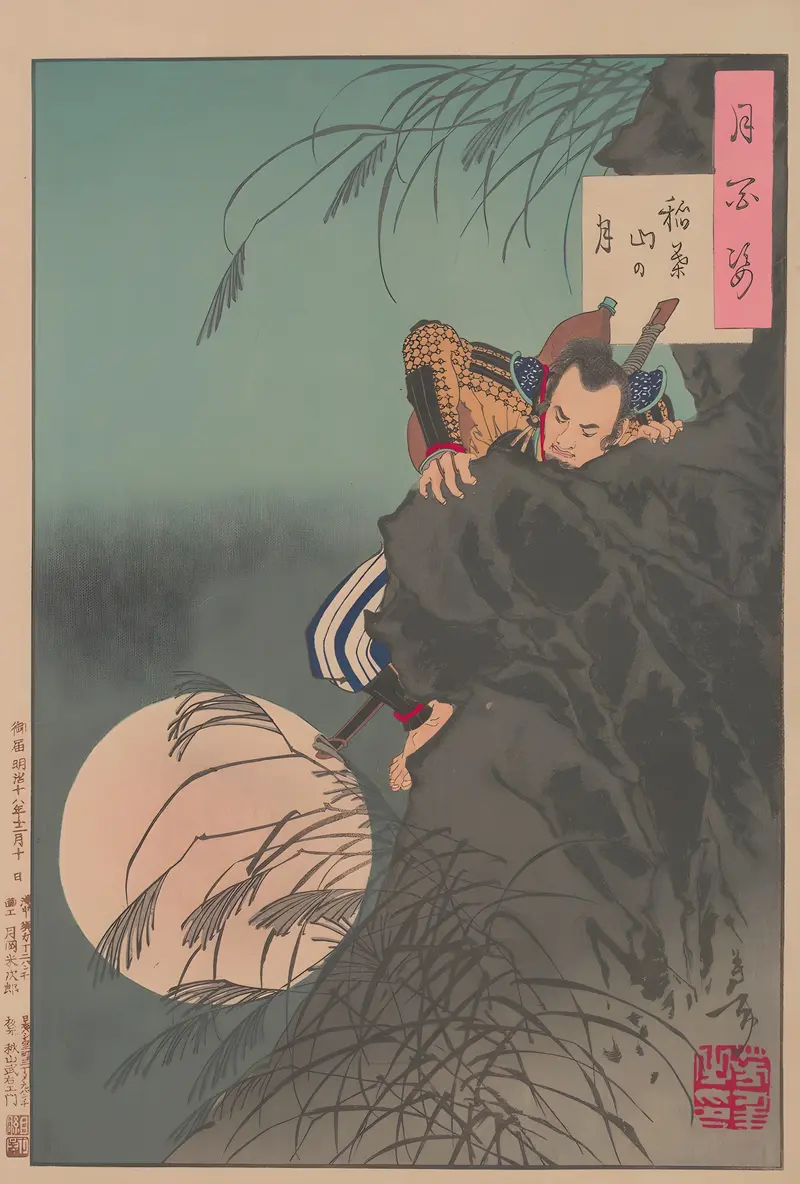
Inaba Mountain moon (Inabayama no tsuki)
Tsukioka Yoshitoshi
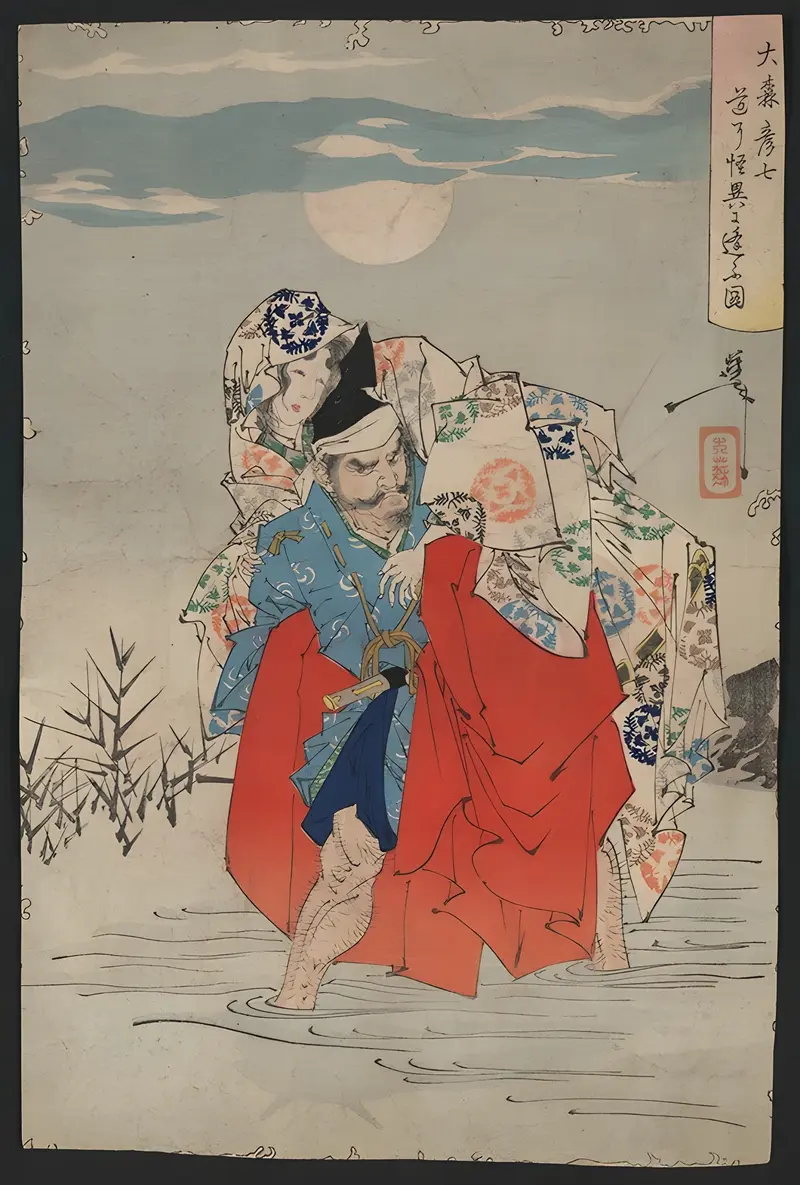
Omori Hikoshichi
Tsukioka Yoshitoshi
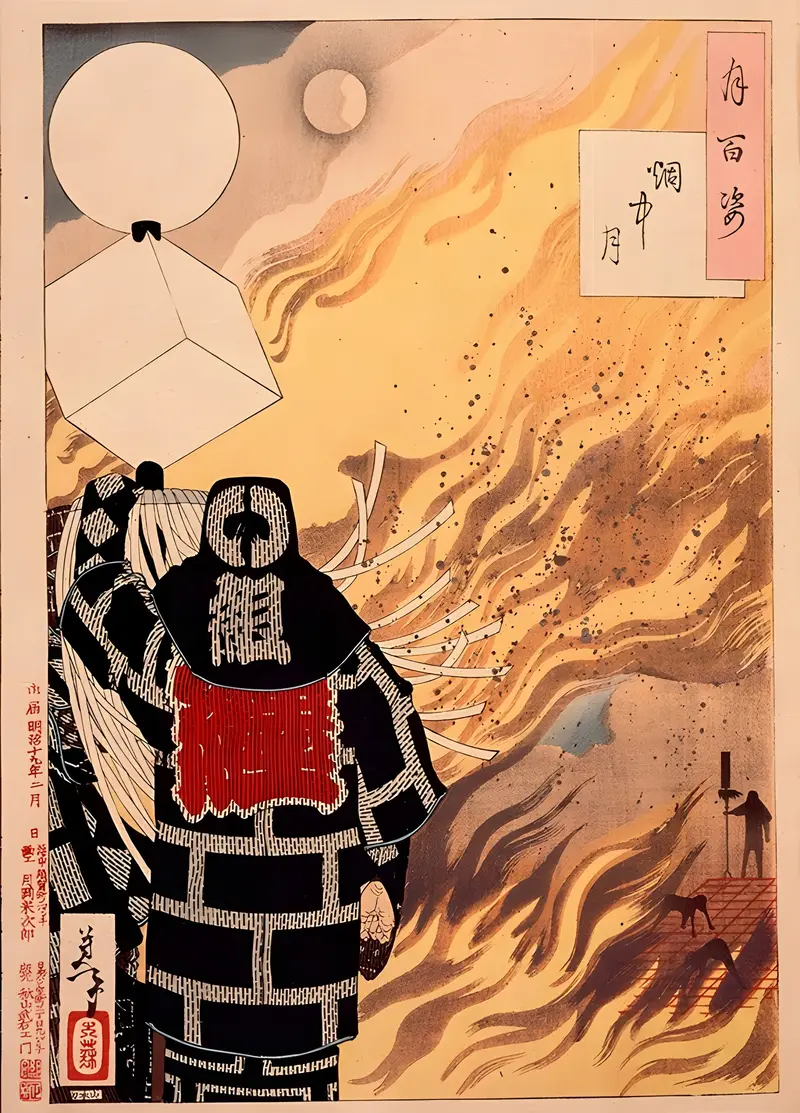
One Hundred Aspects of the Moon
Tsukioka Yoshitoshi
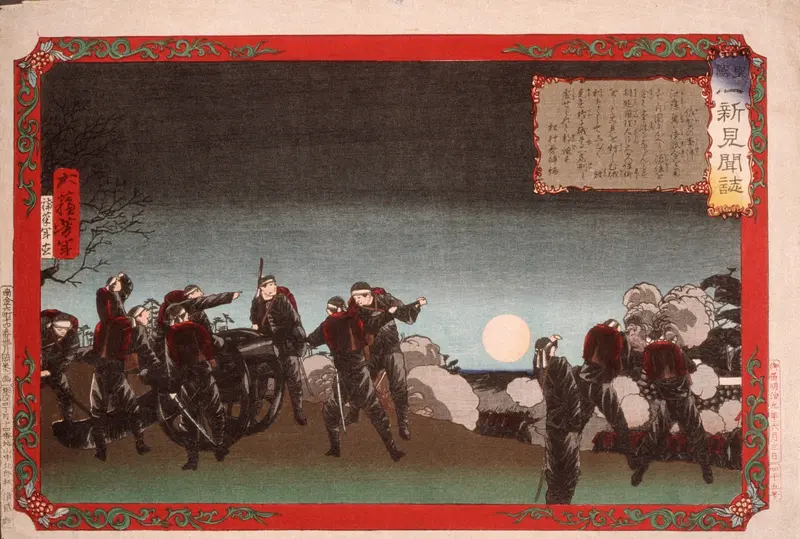
The Saga Incident
Tsukioka Yoshitoshi
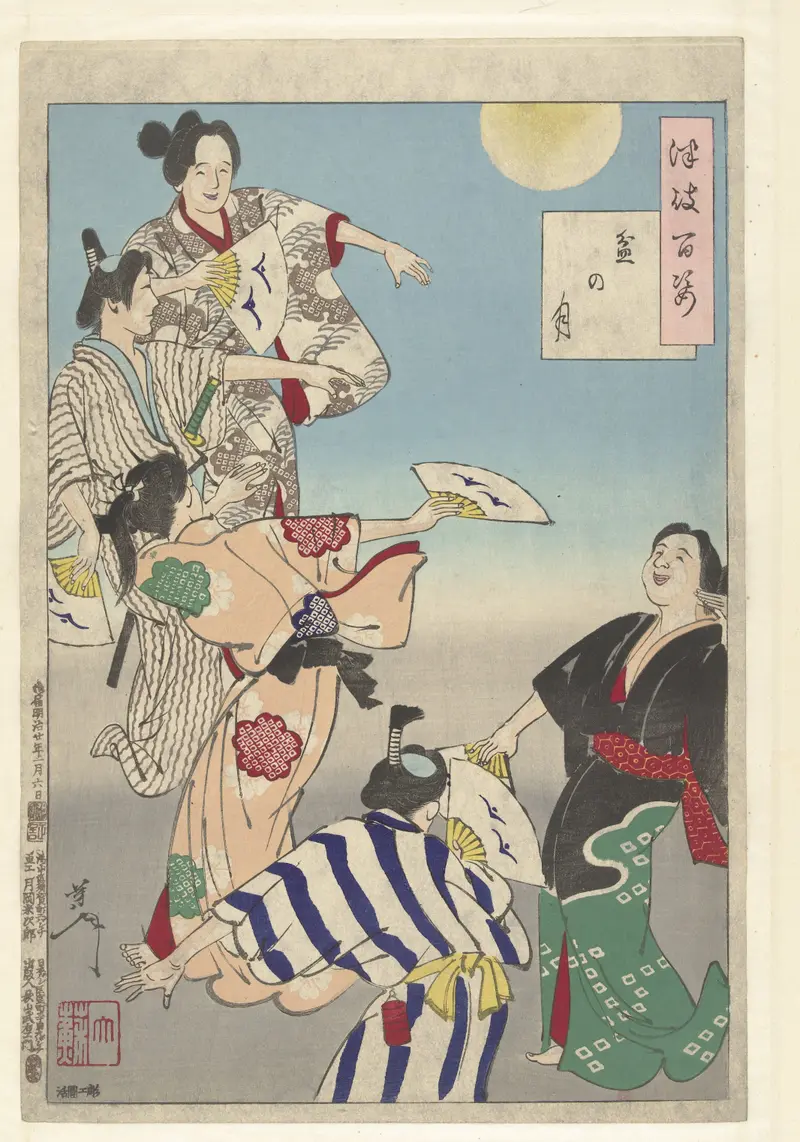
Bon Festival Moon (Bon no tsuki)
Tsukioka Yoshitoshi
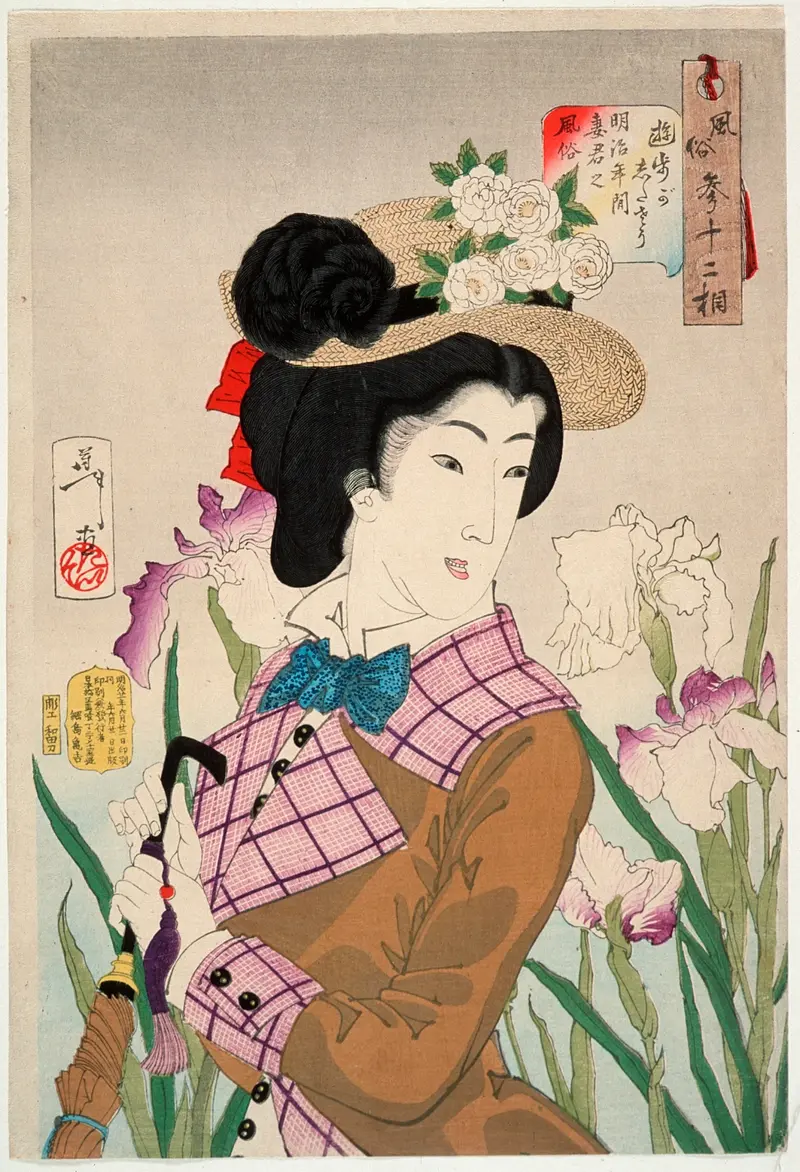
Preparing to Take a Stroll; The Wife of a Nobleman of the Meiji Period
Tsukioka Yoshitoshi





