
The Sycamore — History & Facts
In the heart of every blade of grass and every leaf unfurling, a whisper of grief lingers, waiting for recognition. Look to the left at the intricate detailing of the sycamore's trunk, gnarled and twisted, suggesting a history of endurance. Notice how the dappled light filters through the canopy, illuminating vibrant greens that breathe life into the scene, while shadows loom heavily beneath. The artist’s choice of palette speaks volumes; the juxtaposition of luminous color against darker undertones encapsulates the complexity of emotion, inviting viewers to delve deeper into the layers of the artwork. As your gaze wanders, subtle hints reveal a narrative of loss intertwined with resilience.
The sycamore, a symbol of strength, stands defiantly against the backdrop of a muted sky, embodying both the weight of sorrow and the possibility of rebirth. The delicate brushstrokes create a sense of movement, as if the tree itself is mourning yet simultaneously embracing the passage of time, bridging the gap between despair and hope. David Young Cameron painted this piece in 1905 during a period marked by an exploration of nature's beauty and emotional resonance. Living in Scotland, he was deeply influenced by the natural landscapes around him, often channeling his inner turmoil and grieve through the medium of painting.
This work reflects a transitional moment in his career, as he sought to capture the profound relationship between humanity and the environment in an evolving artistic climate.
More Artworks by David Young Cameron
Browse all →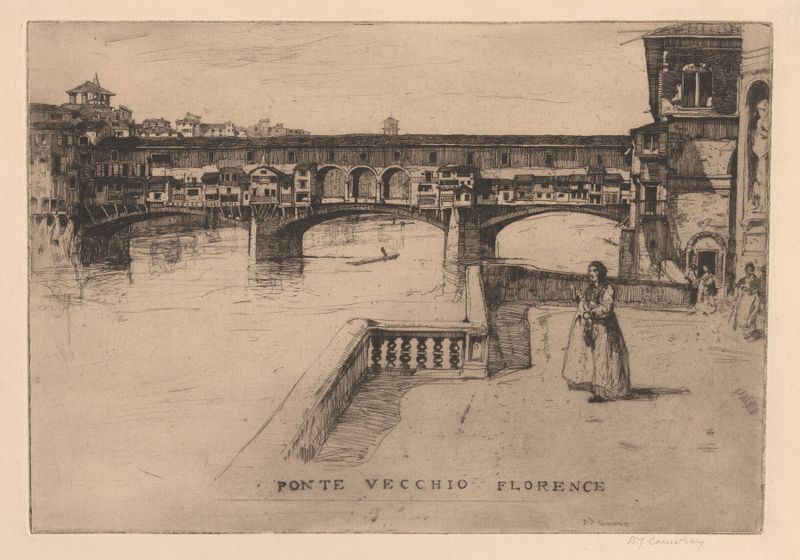
Ponte Vecchio
David Young Cameron

The Deanery, Winchester
David Young Cameron
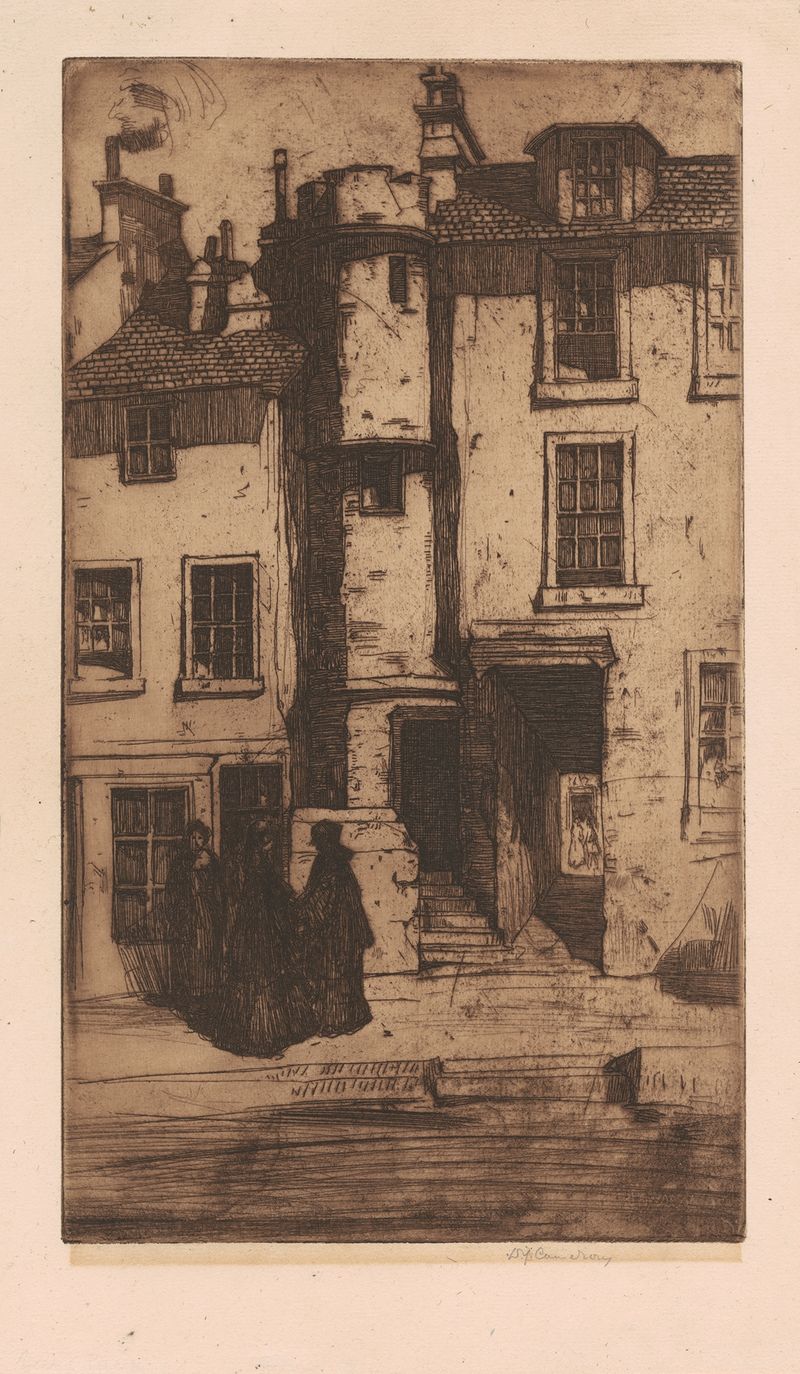
Old Houses, Stirling
David Young Cameron
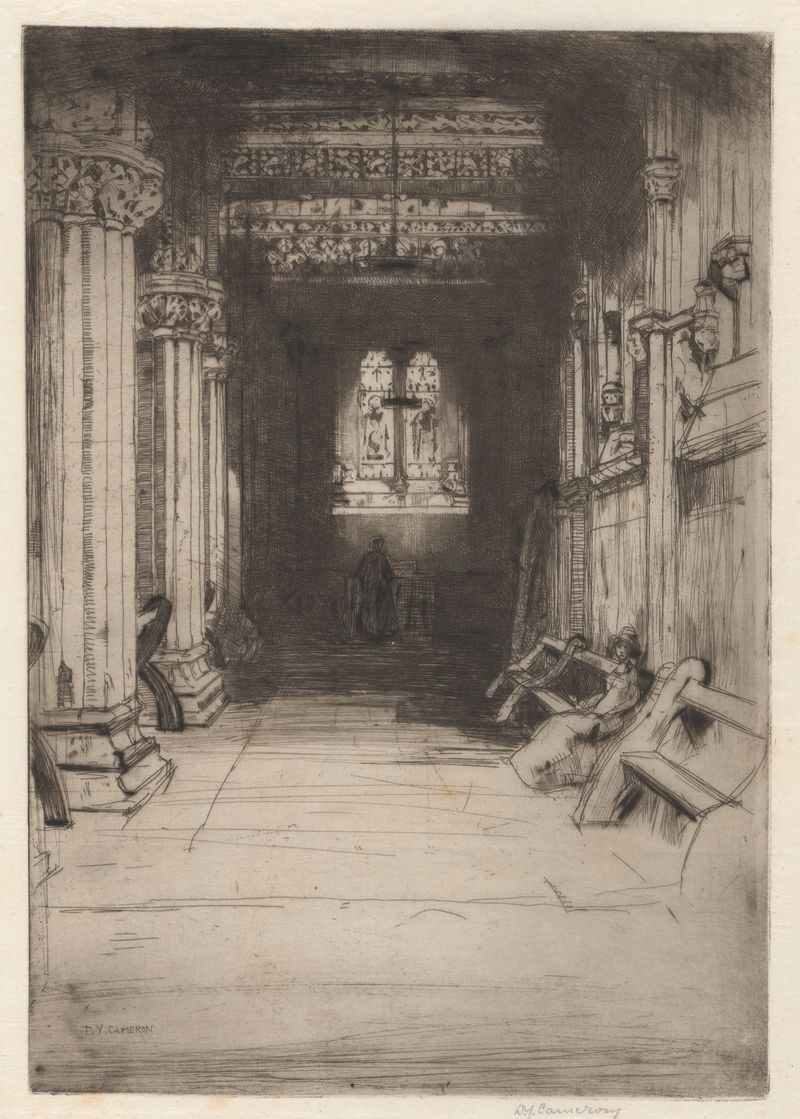
Rosslyn Chapel
David Young Cameron

The Old Museum, Beauvais
David Young Cameron
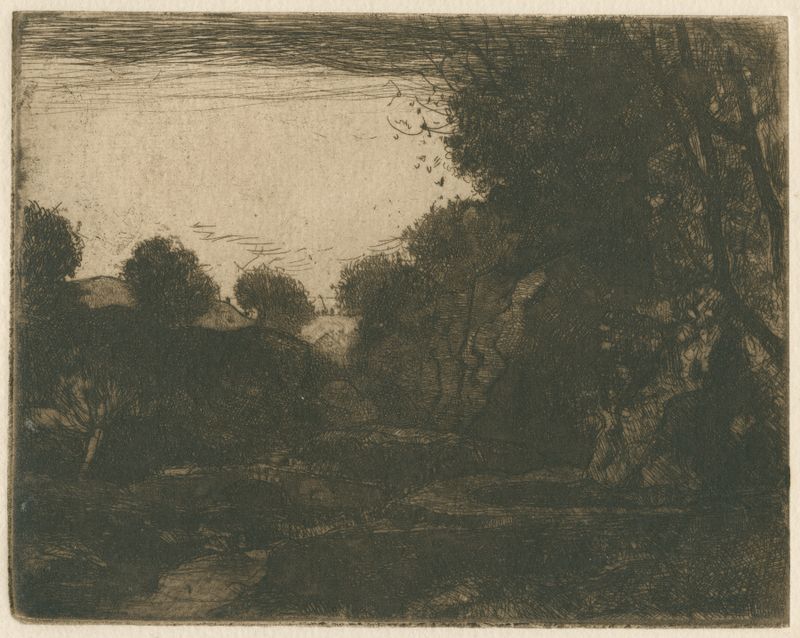
On the Bradford
David Young Cameron

The Smithy
David Young Cameron
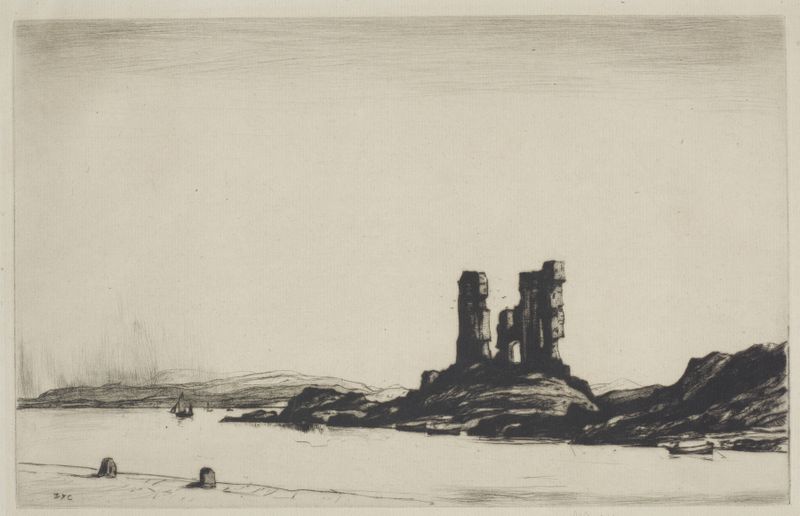
Castle Moyle
David Young Cameron
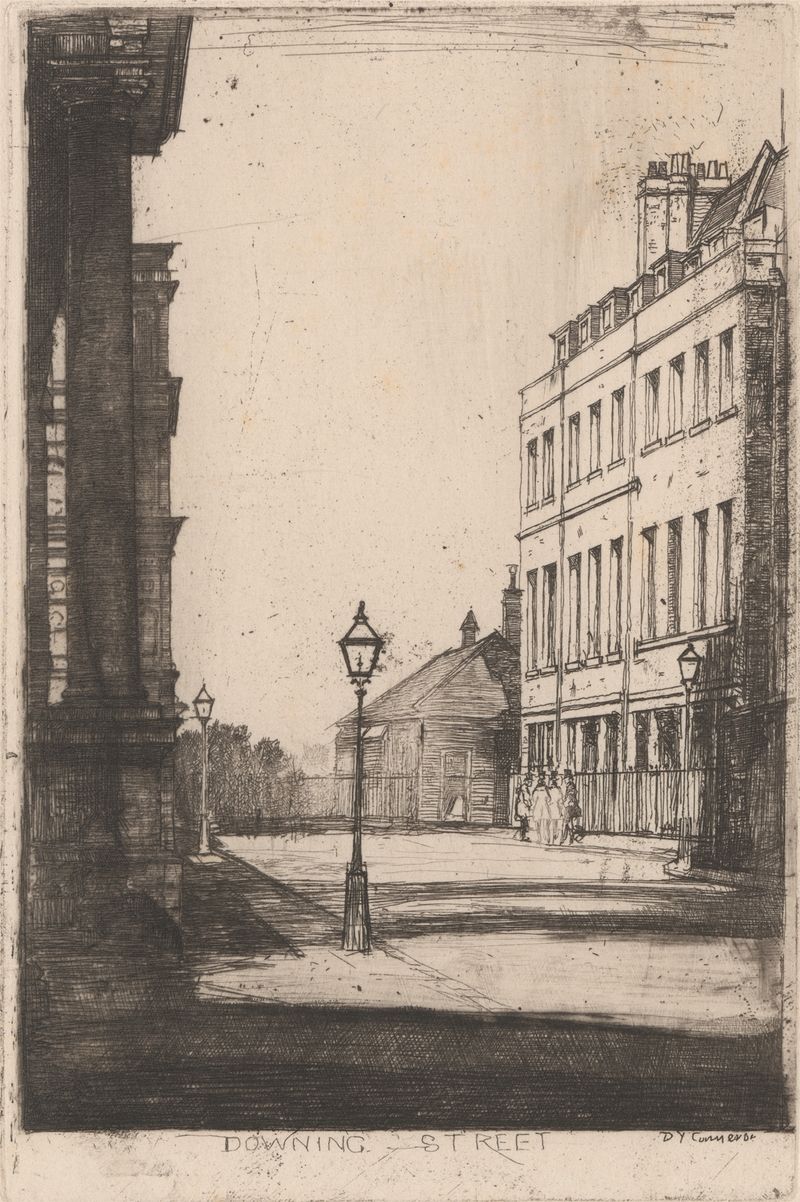
Downing Street
David Young Cameron

Glasgow Cathedral
David Young Cameron





