
The Tempest — History & Facts
In The Tempest, vibrant colors dominate the canvas, with swirling blues and whites representing turbulent skies and crashing waves. Central figures, likely mythological, are depicted in dynamic poses, conveying a sense of chaos and urgency. The setting appears to be a stormy seascape, filled with dramatic contrasts of light and shadow.
The overall composition evokes a feeling of movement, as if the viewer is caught in the midst of the tempest. The painting is executed in oil on canvas, a medium that allows for rich textures and deep colors. Falero's technique showcases his ability to blend colors seamlessly, creating a sense of depth and dimension. The figures are rendered with attention to anatomical accuracy, emphasizing their muscular forms against the tumultuous backdrop.
The use of light, particularly in the highlights on the waves and figures, adds to the dramatic effect of the scene. Luis Ricardo Falero was a Spanish painter known for his romantic and mythological themes. The Tempest is a notable example of his work, reflecting the influence of the Romantic movement in its emotional intensity and dramatic subject matter. An interesting fact about this painting is that it captures the essence of human struggle against nature, a common theme in Falero's oeuvre.
His works often feature strong, heroic figures, which resonate with the ideals of the Romantic era.
More Artworks by Luis Ricardo Falero

A classical beauty
Luis Ricardo Falero
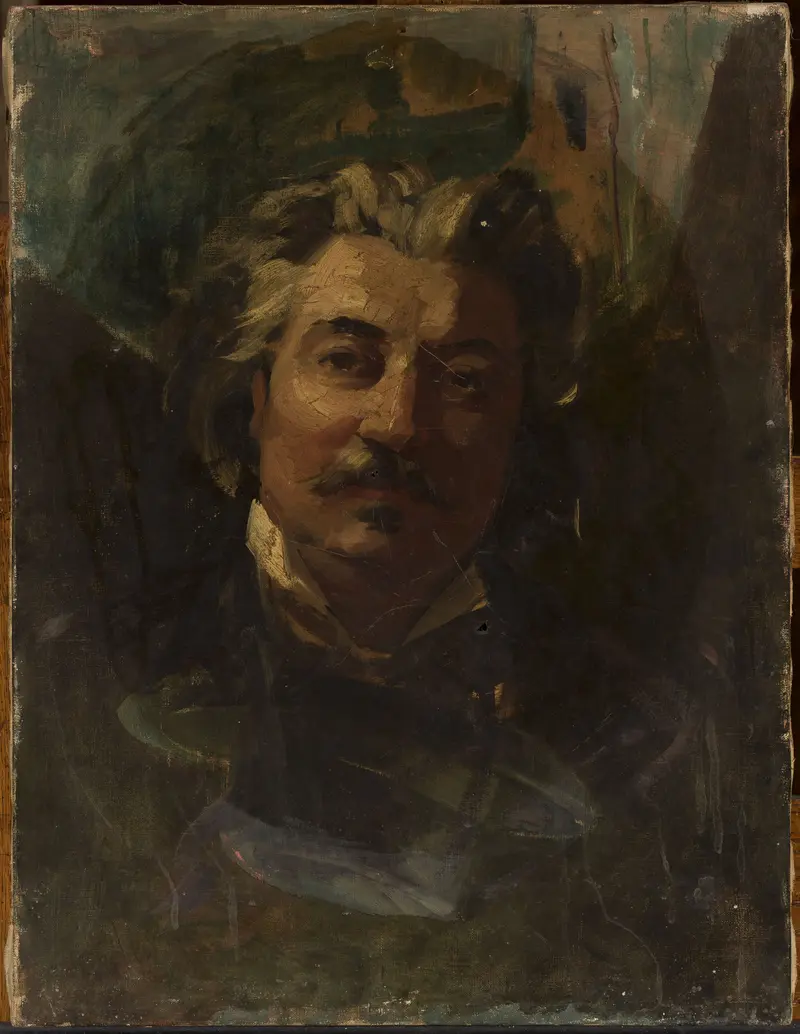
Portrait of Cyprian Godebski
Luis Ricardo Falero

Dawn
Luis Ricardo Falero
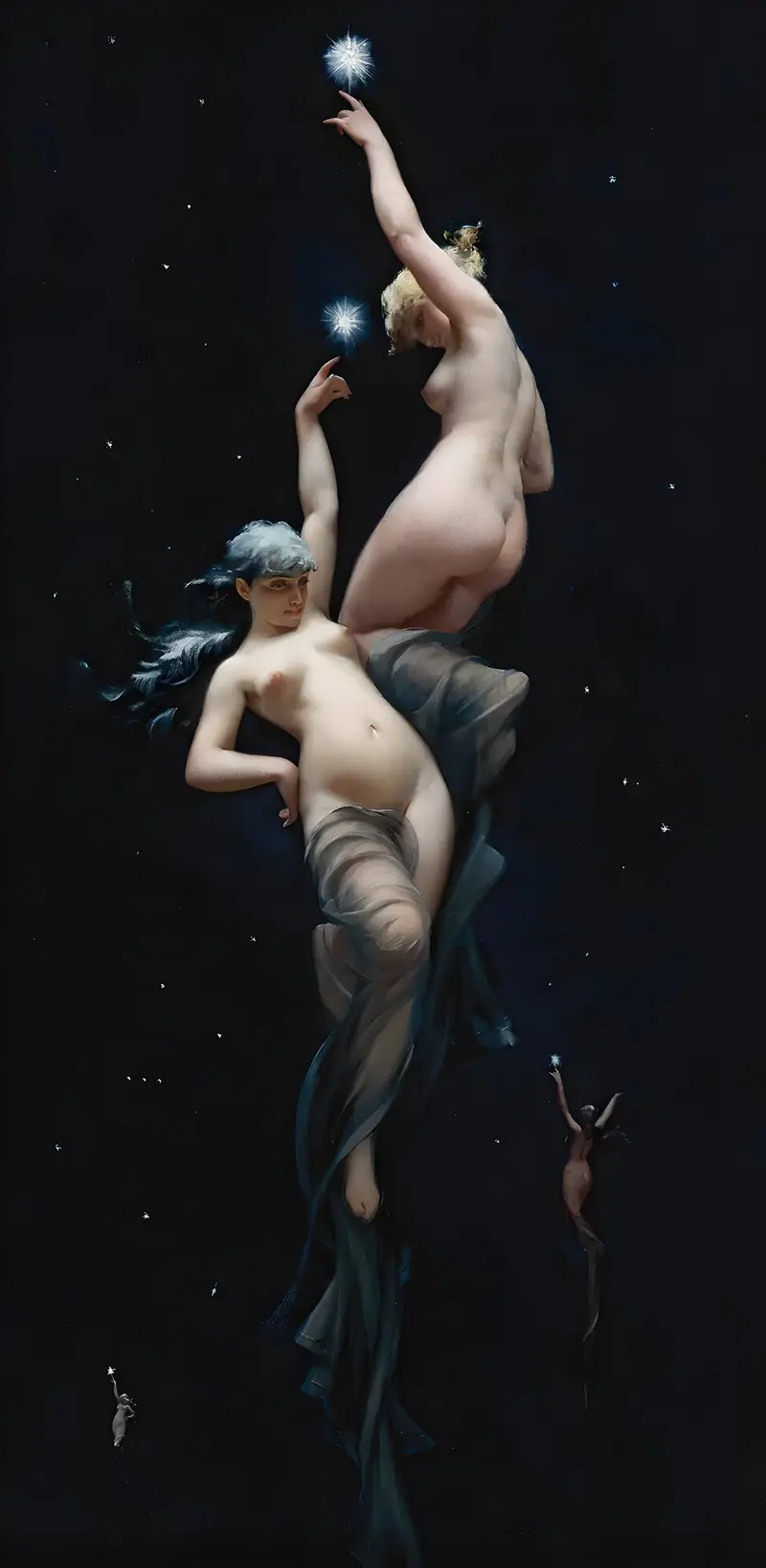
Moonlit beauties
Luis Ricardo Falero
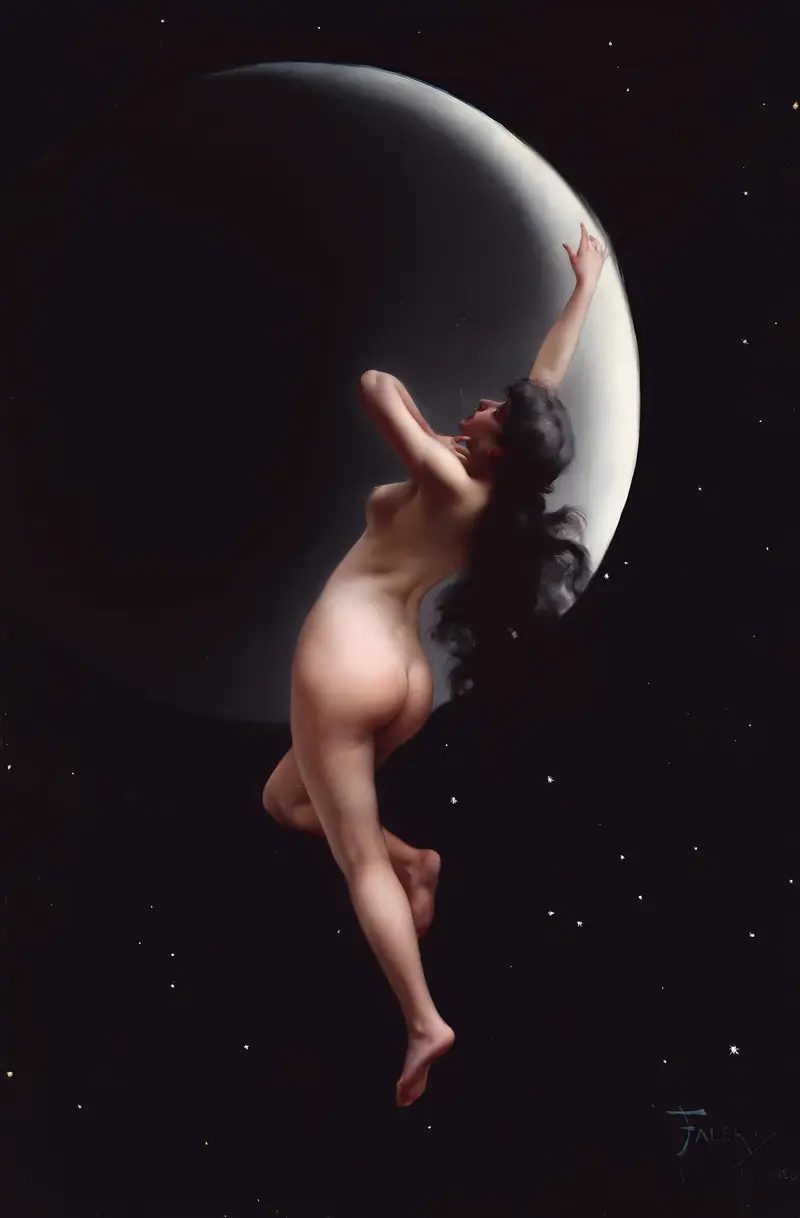
Night
Luis Ricardo Falero
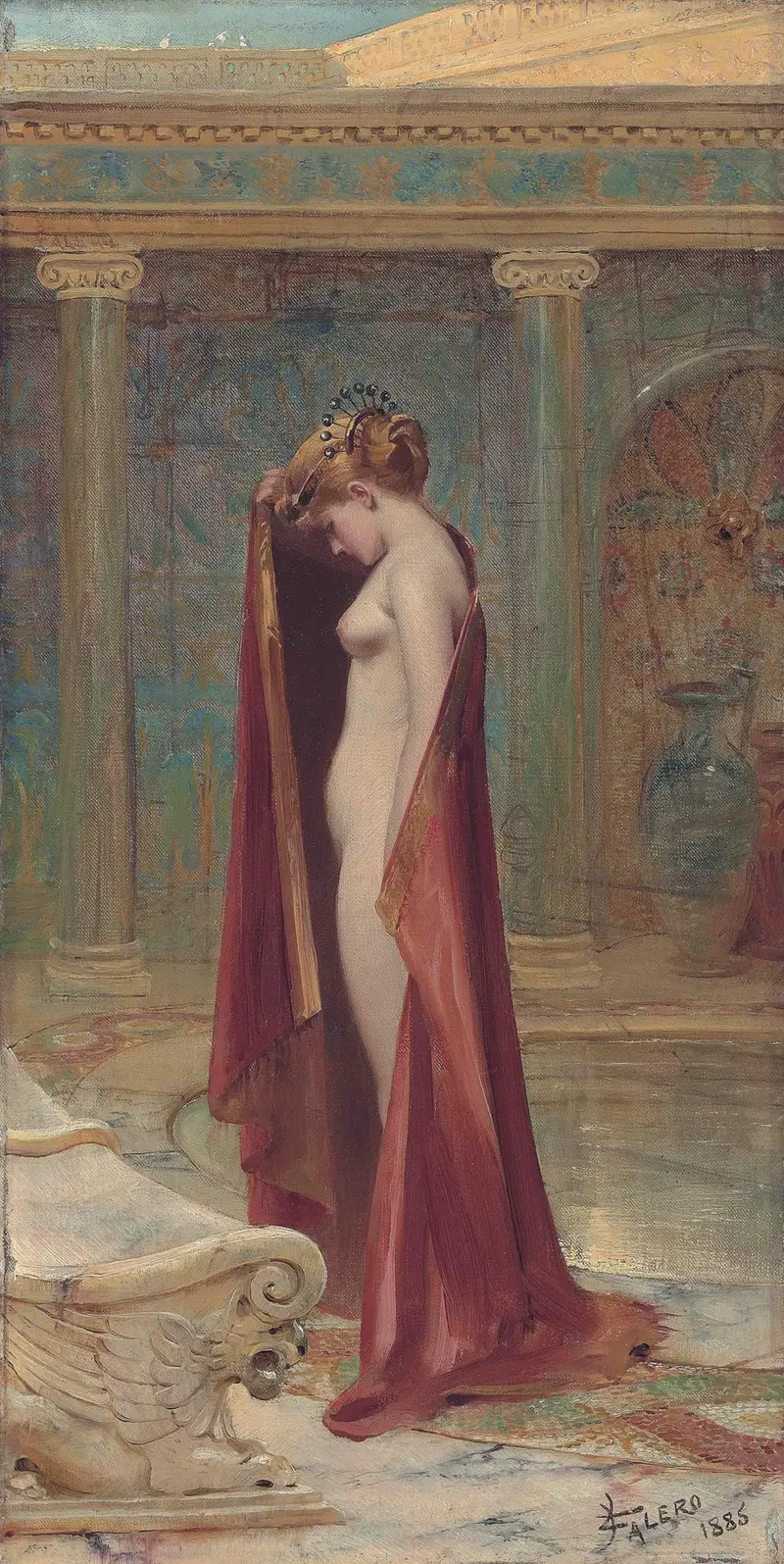
A Beauty
Luis Ricardo Falero
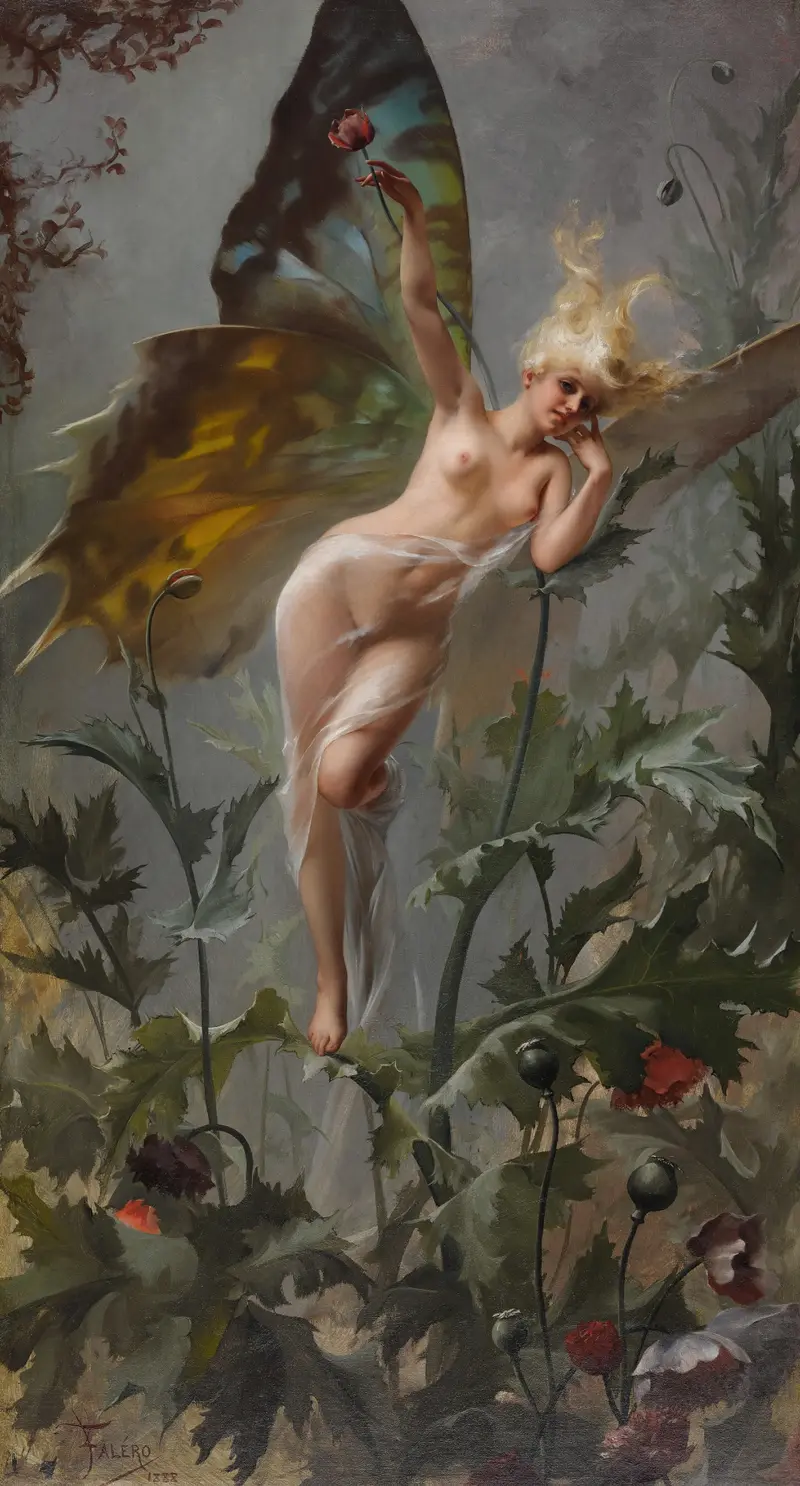
The Poppy Fairy
Luis Ricardo Falero

Prayer to Isis
Luis Ricardo Falero
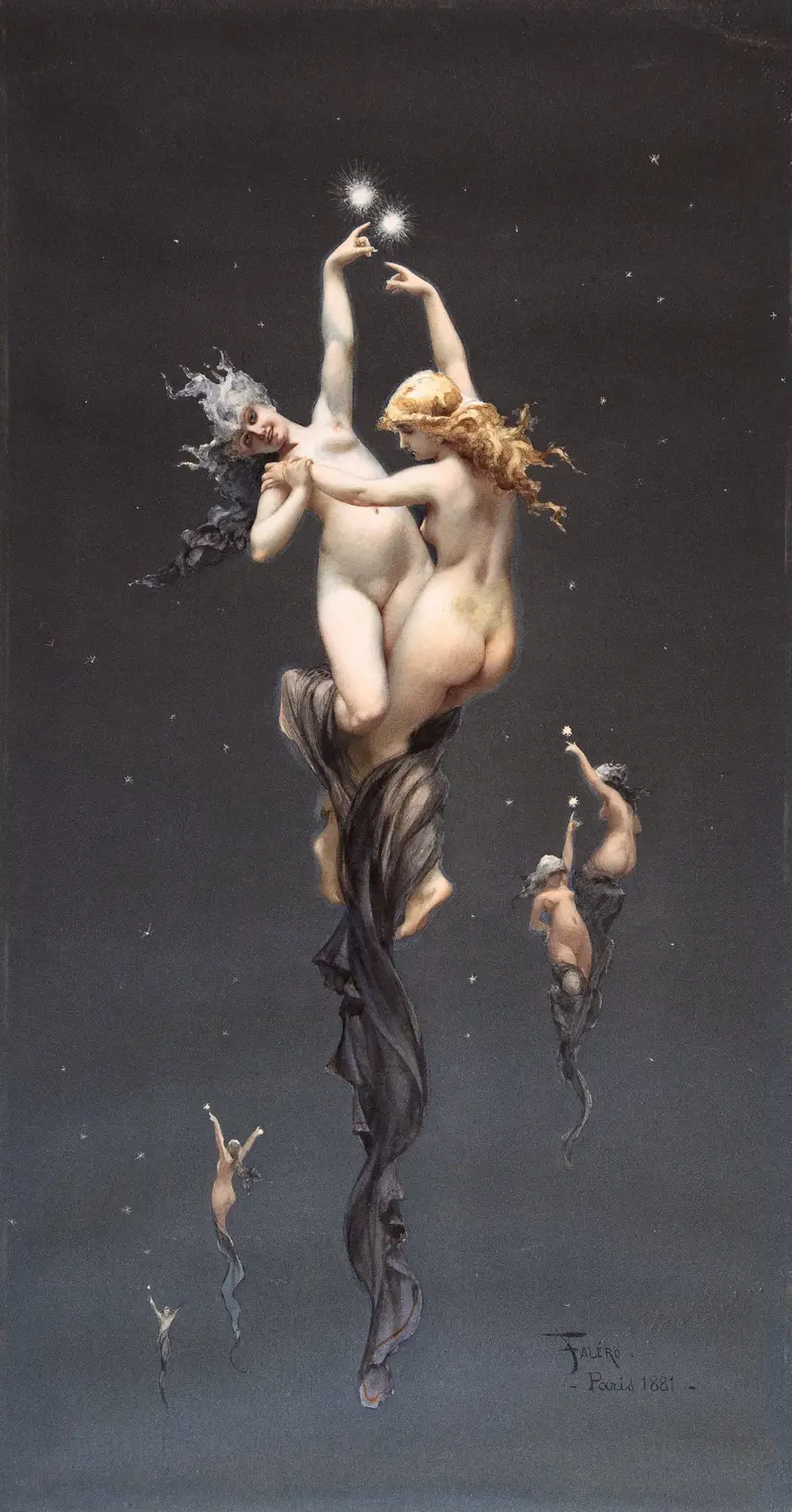
Twin Stars
Luis Ricardo Falero
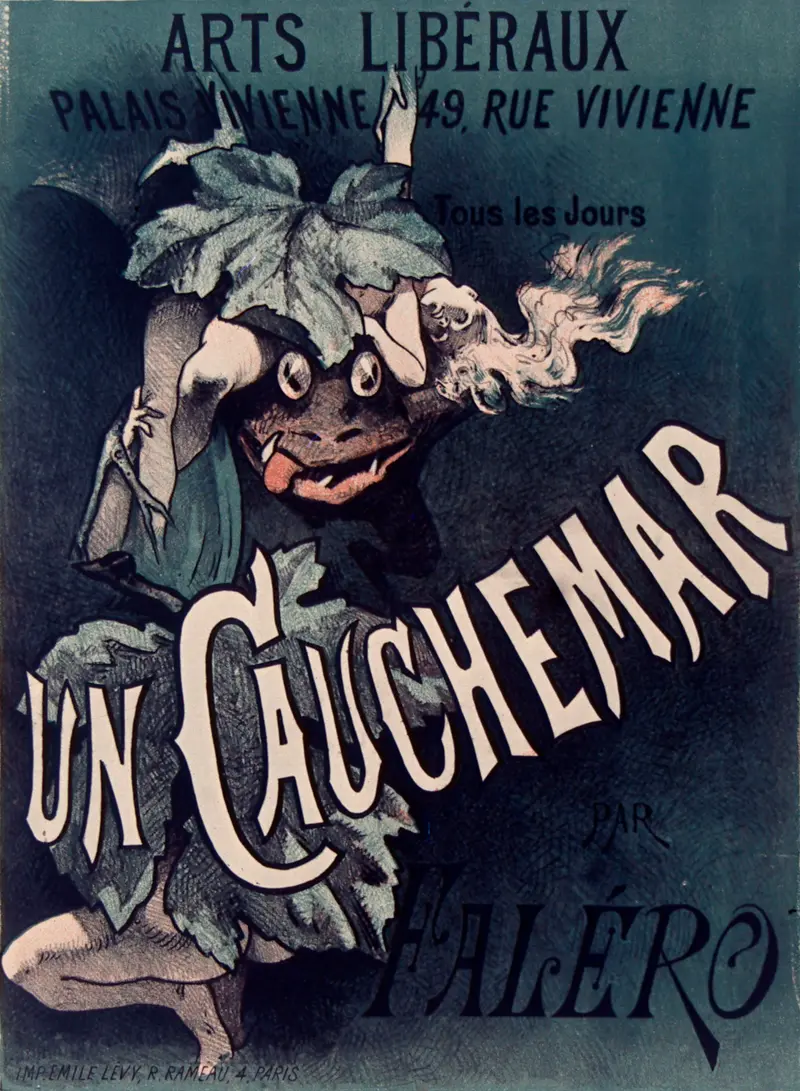
A Nightmare
Luis Ricardo Falero





