
The Temple of Vesta, Rome — History & Facts
In the stillness of The Temple of Vesta, an emptiness reverberates, inviting us to contemplate the weight of absence and the passage of time. Focus on the soft, diffused light that bathes the ancient structure, illuminating the weathered stones with a gentle glow. Look closely at the delicate play of shadows that envelops the temple, as they stretch and retreat like whispered secrets. The lush greenery surrounding the site provides a vibrant counterpoint to the somber edifice, creating a striking contrast that enhances the building's solitude. The starkness of the temple stands in juxtaposition with the lively landscape, evoking a tension between the permanence of history and the transient nature of life.
The artist captures not just a physical space, but echoes of long-lost rituals and the quiet reverie of visitors who once sought inspiration within these walls. Each brushstroke conveys a longing for connection, suggesting that emptiness is not merely a void, but a canvas for memory and reflection. James Holland painted this work in 1849 during a fruitful period in his career. Living in Italy, he found inspiration in its classical ruins while simultaneously grappling with the burgeoning Romantic movement in art.
At this time, artists were increasingly drawn to the themes of nostalgia and the sublime, often exploring the interplay between humanity and the remnants of a glorious past.
More Artworks by James Holland
Browse all →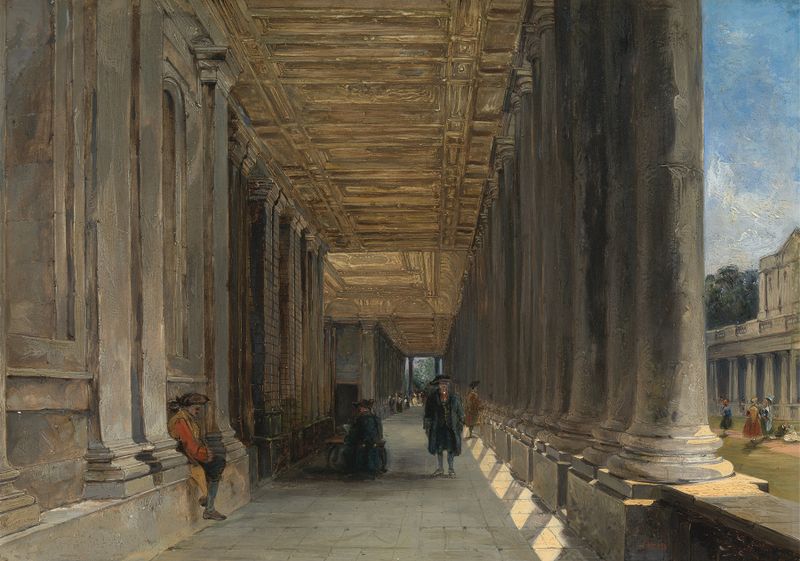
The Colonnade of Queen Mary’s House, Greenwich
James Holland
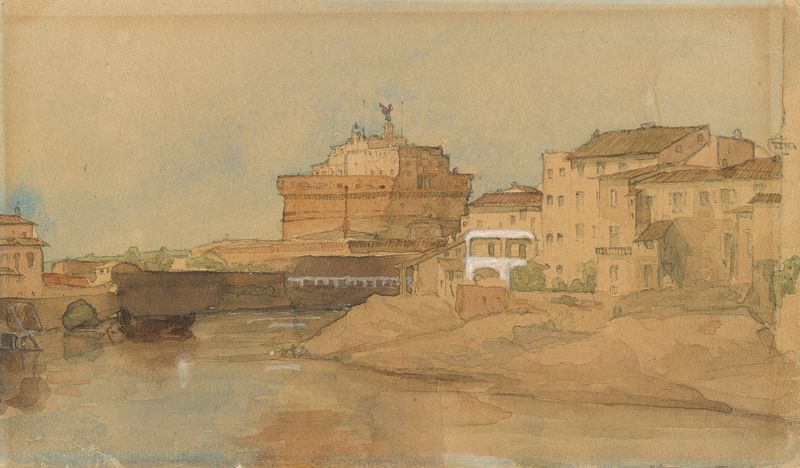
View of Castel Sant’ Angelo from the Tiber
James Holland
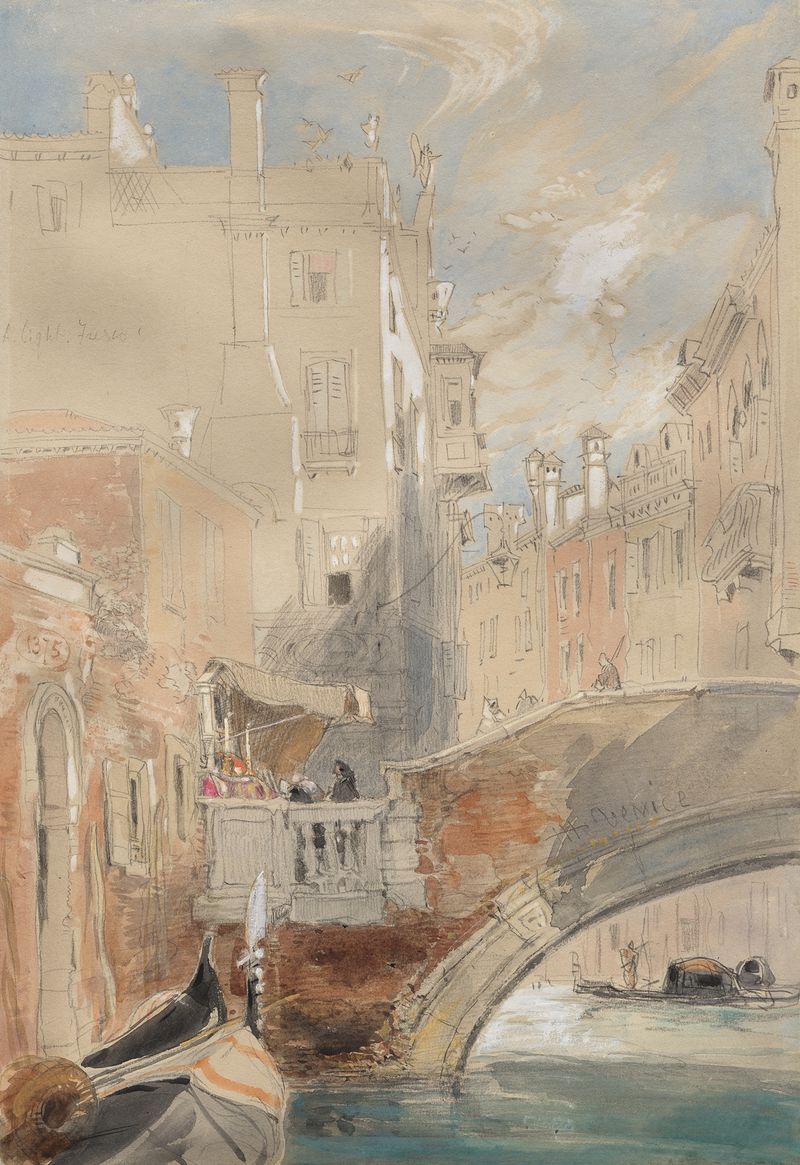
A Canal, Venice
James Holland
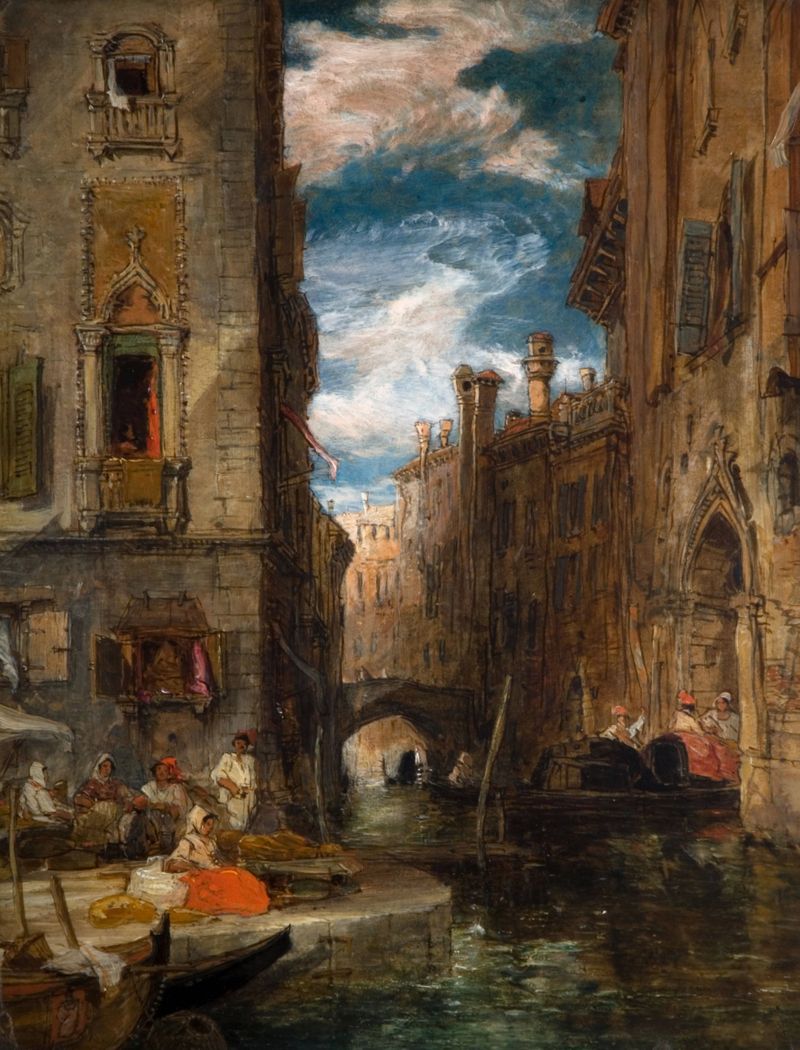
A Recollection Of Venice
James Holland
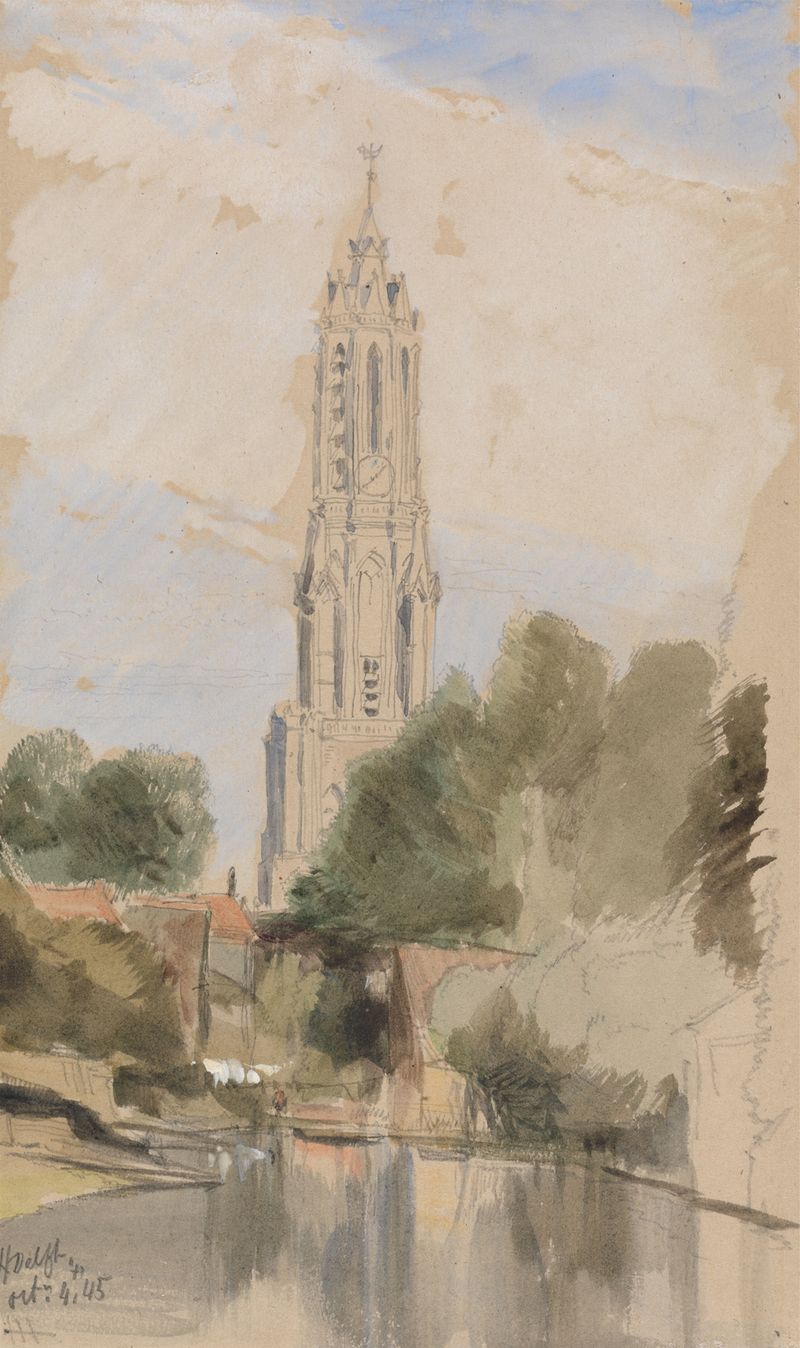
Delft
James Holland
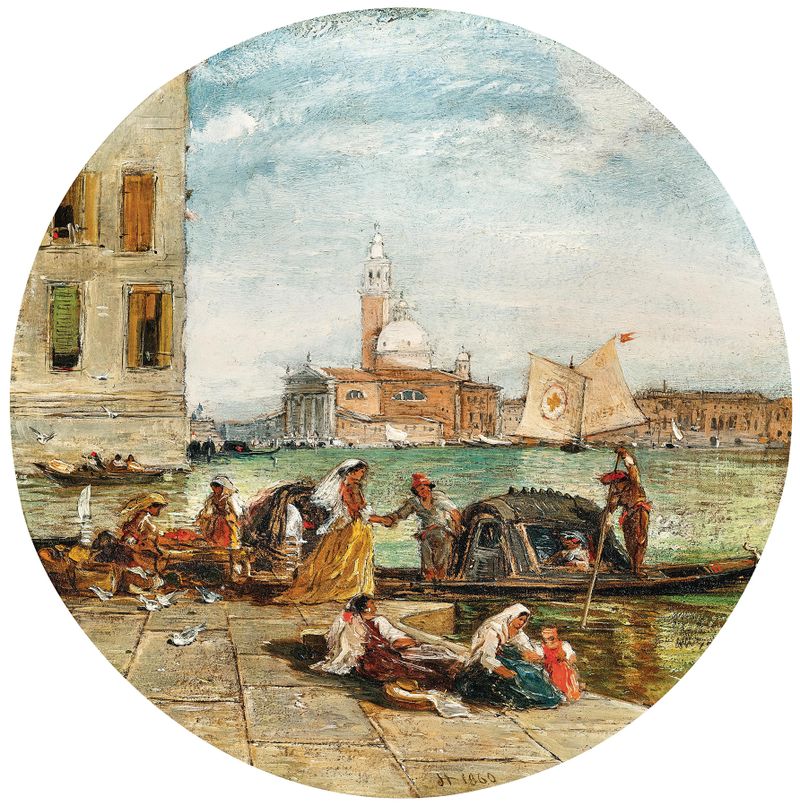
Venice, a view of San Giorgio Maggiore
James Holland
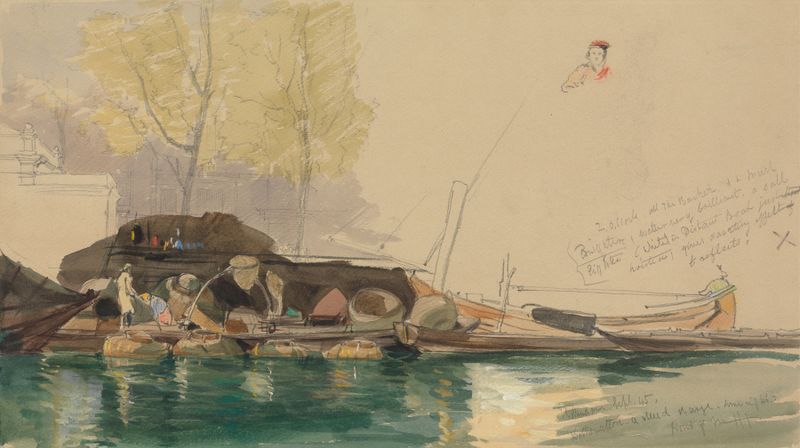
Barges on a Canal in Rotterdam
James Holland

Landschap bij Sintra, Portugal
James Holland
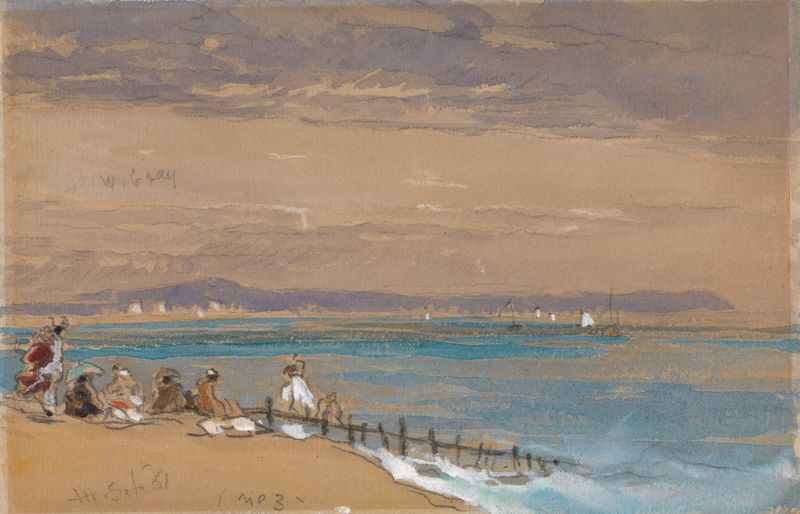
Beach Scene with Figures by a Breakwater
James Holland
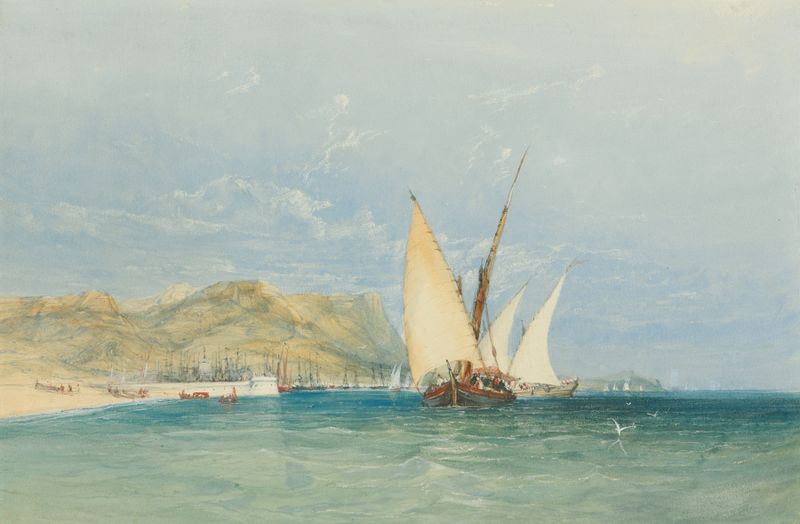
Coast Scene with Sailing Boats
James Holland
More Architecture Art
Browse all →
The statue of Liberty
Frédéric Auguste Bartholdi

View of Houses in Delft, Known as ‘The Little Street’
Johannes Vermeer

View of Houses in Delft, Known as ‘The Little Street’
Johannes Vermeer

The Cathedral in Rouen. The portal, Grey Weather
Claude Monet

The yellow house
Vincent van Gogh

The Church in Auvers-sur-Oise, View from the Chevet
Vincent van Gogh