
The Temple, Paris — History & Facts
When did color learn to lie? Beneath the surface of beauty lies a world steeped in betrayal, where shadows reveal more than they conceal. Focus on the luminous hues that dance across the canvas; the warm golds and deep greens create an inviting atmosphere around the majestic temple structure. Notice how the sunlight filters through the trees, casting a mosaic of light and shadow on the ground. This interplay draws the eye gently toward the temple, suggesting a sanctuary yet shrouding it in an air of mystery.
Griggs’ brushstrokes are delicate yet assertive, inviting contemplation on what lies beneath the apparent tranquility. In this work, the juxtaposition of light and dark embodies the emotional tension of a façade, where the temple stands as a symbol of sanctuary yet hints at deeper betrayals hidden within its walls. The serene landscape, while visually appealing, also evokes a sense of isolation. Each element—the arching trees, the still water—whispers secrets of unvoiced truths, prompting the viewer to question the integrity of appearances.
The painting beckons us to explore what is unsaid, urging us to look past its vibrant colors. Frederick Landseer Maur Griggs created The Temple, Paris in 1904, during a time of profound change in the art world. He was immersed in the British art scene, which was grappling with modernist influences while still honoring traditional techniques. This period marked a blending of realism and abstraction; Griggs, influenced by his surroundings, captured the essence of place while exploring emotional depths, contributing to a broader dialogue about perception and truth in art.
More Artworks by Frederick Landseer Maur Griggs
Browse all →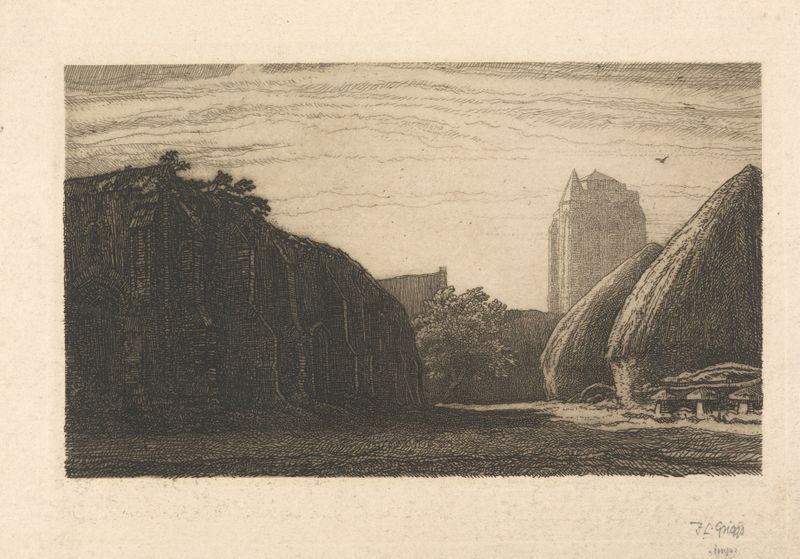
Maur’s Farm
Frederick Landseer Maur Griggs
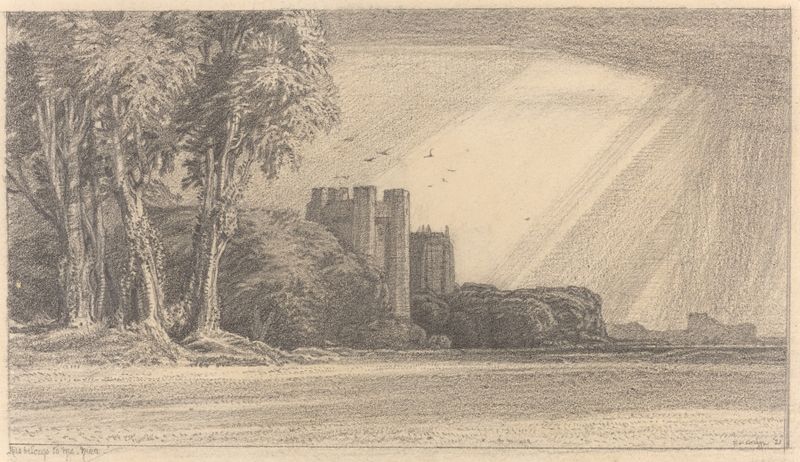
Landscape with Castle
Frederick Landseer Maur Griggs
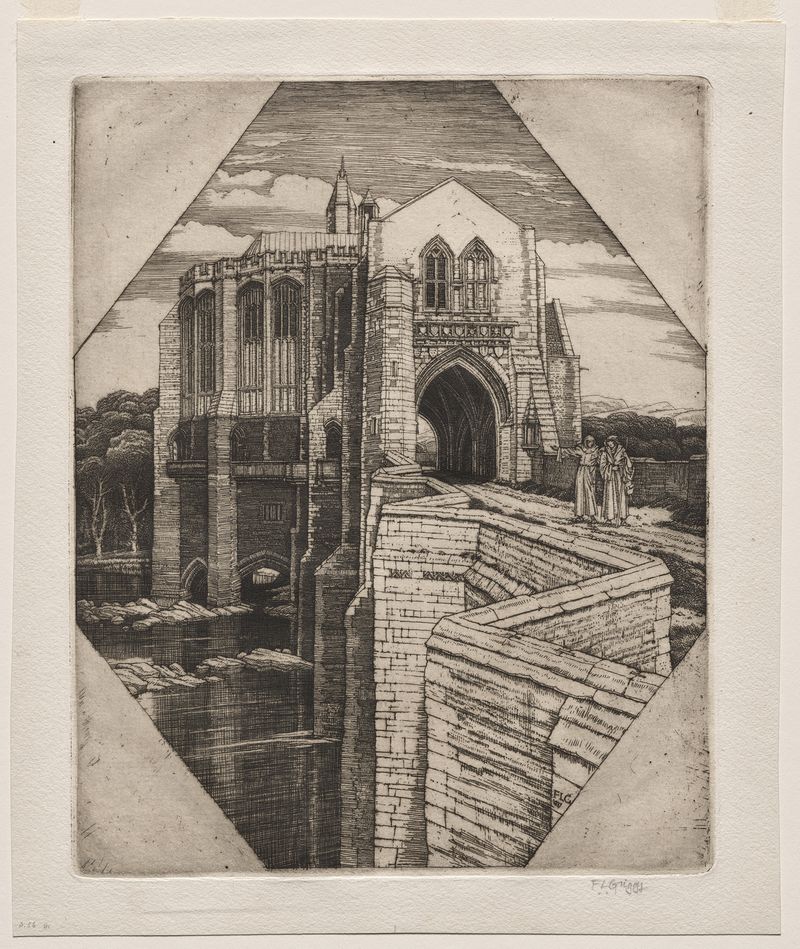
St. Botolph’s Bridge No. 2 1937
Frederick Landseer Maur Griggs
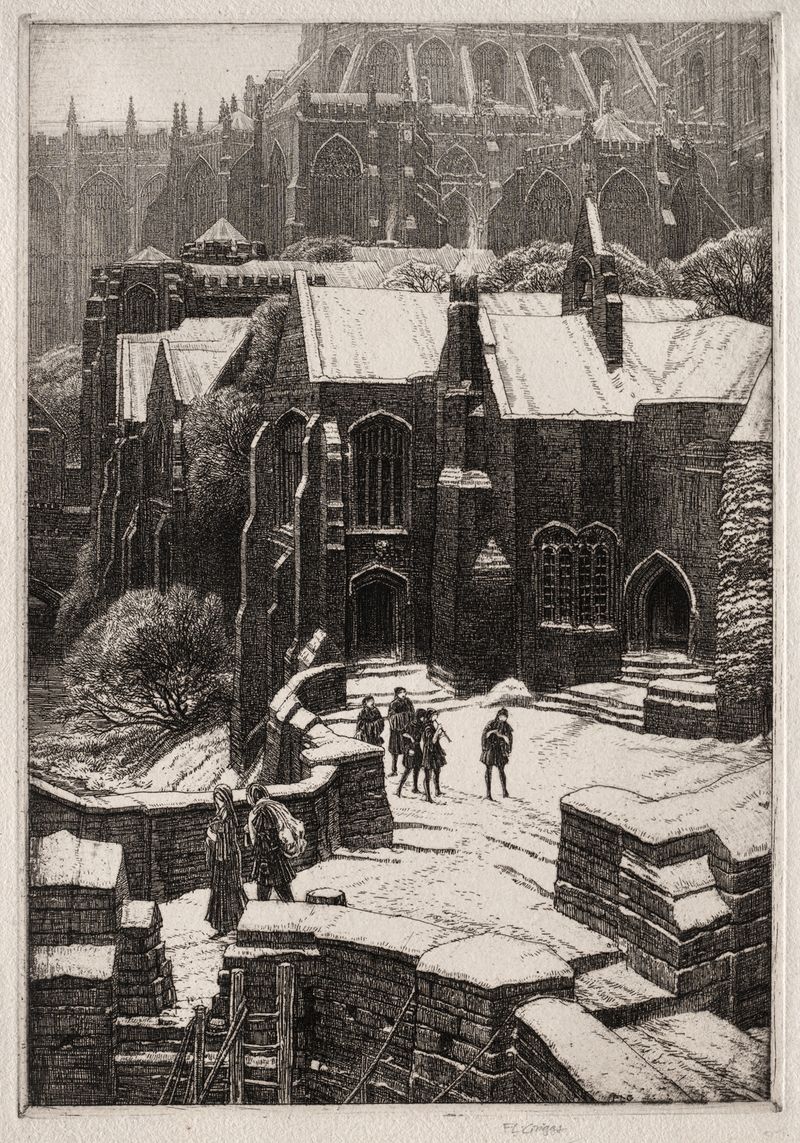
The Almonry
Frederick Landseer Maur Griggs

The Cresset
Frederick Landseer Maur Griggs
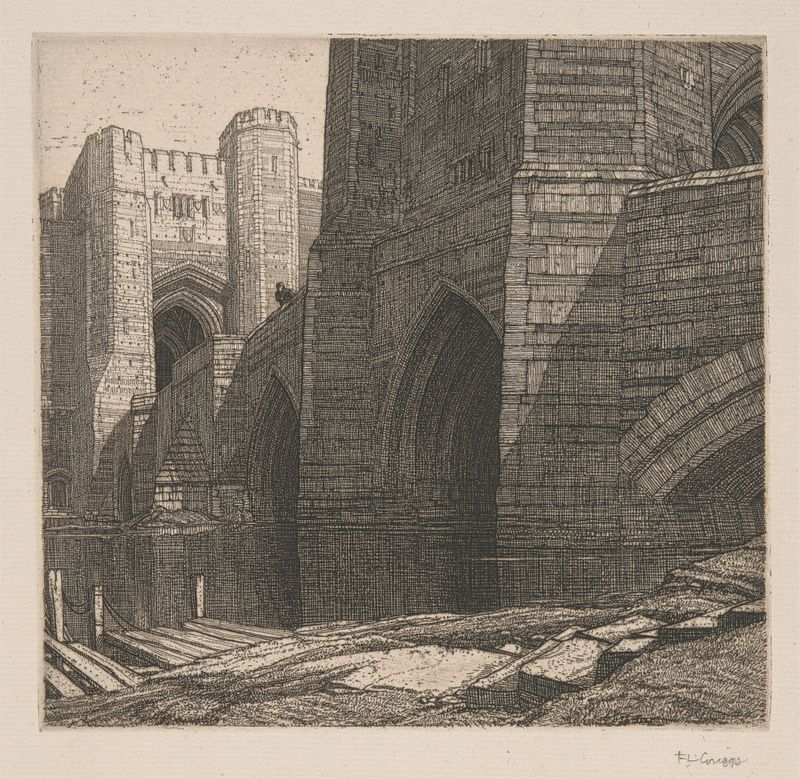
The Barbican
Frederick Landseer Maur Griggs

Maur’s Farm
Frederick Landseer Maur Griggs
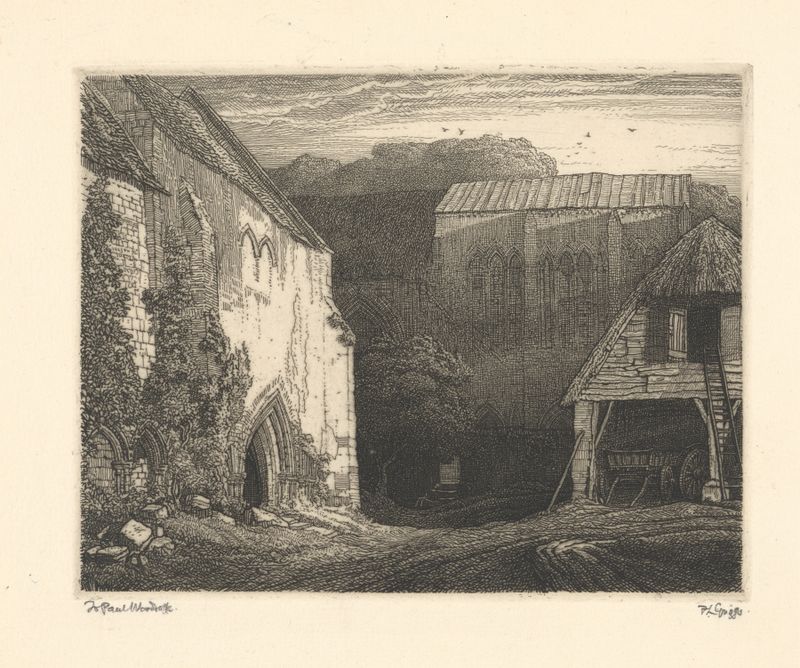
Priory Farm
Frederick Landseer Maur Griggs

St. Wendred’s March
Frederick Landseer Maur Griggs
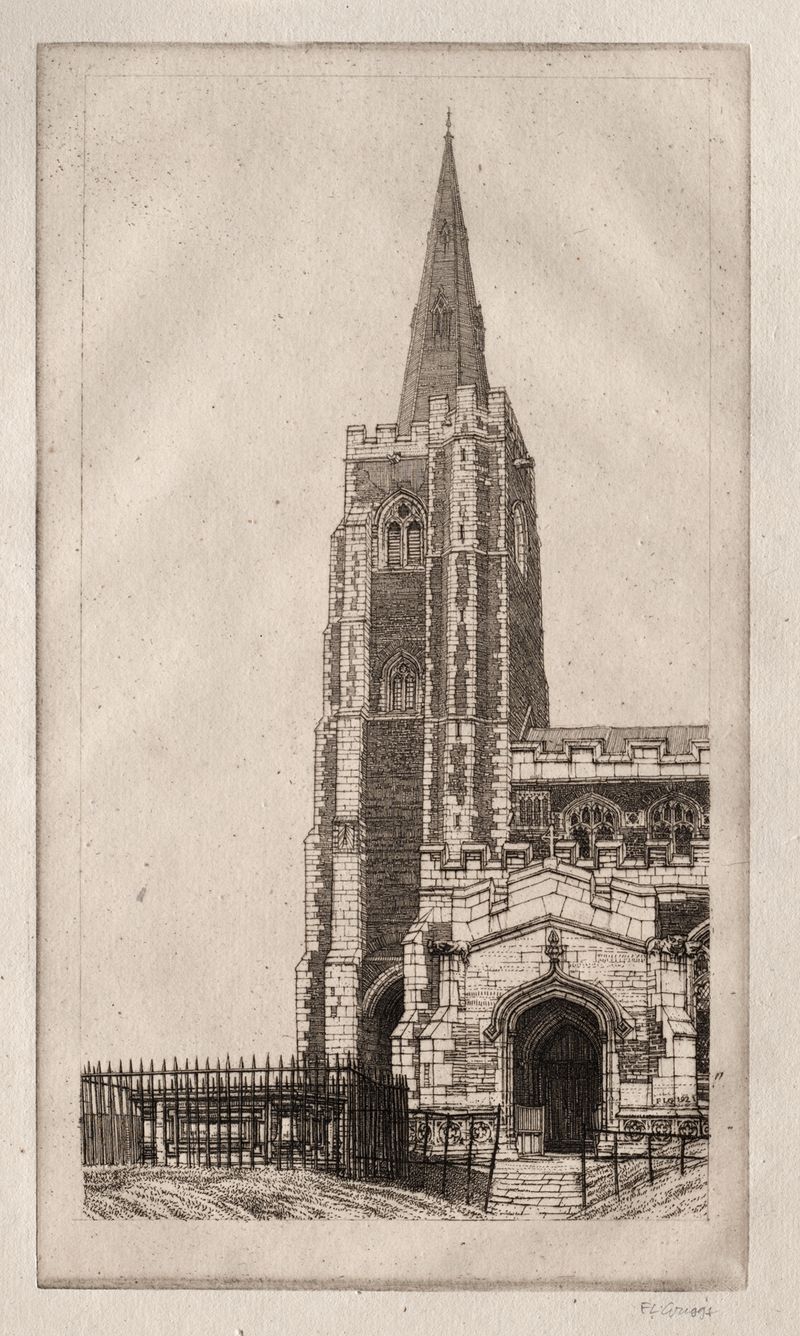
St. Wendred’s, March
Frederick Landseer Maur Griggs
More Architecture Art
Browse all →
The statue of Liberty
Frédéric Auguste Bartholdi

View of Houses in Delft, Known as ‘The Little Street’
Johannes Vermeer

View of Houses in Delft, Known as ‘The Little Street’
Johannes Vermeer

The Cathedral in Rouen. The portal, Grey Weather
Claude Monet

The yellow house
Vincent van Gogh

The Church in Auvers-sur-Oise, View from the Chevet
Vincent van Gogh