
The Temple, Paris — History & Facts
What if silence could speak through light? In The Temple, Paris, the interplay of shadows and illumination whispers secrets of hidden betrayals and unspoken truths. Look to the center of the canvas, where the temple stands in stoic grandeur, its architectural details sharply defined against a muted sky. The soft, dappled light bathes the stone in a warm glow, inviting yet elusive, as if it holds memories of those who have tread within its hallowed halls. The meticulous brushwork captures both the solidity of the structure and the ethereal quality of the atmosphere surrounding it, creating a tension between reality and the ephemeral. In the foreground, the figures, mere silhouettes against the temple's brilliance, seem caught in a moment of hesitation.
Their elongated shadows stretch toward the viewer, embodying a sense of longing and disillusionment. The juxtaposition of the temple's enduring facade with the transient presence of its visitors hints at the fragility of trust and connection, echoing themes of betrayal hidden beneath the layers of time and memory. Frederick Landseer Maur Griggs painted The Temple, Paris in 1904 during a period of significant personal and artistic evolution. Living in England, he was involved in the Arts and Crafts movement, which emphasized a return to traditional craftsmanship and the beauty of natural forms.
This artwork reflects his fascination with light, space, and architectural grandeur while also grappling with the complexities of human experience, a reflection of the broader socio-political changes occurring in Europe at the time.
More Artworks by Frederick Landseer Maur Griggs
Browse all →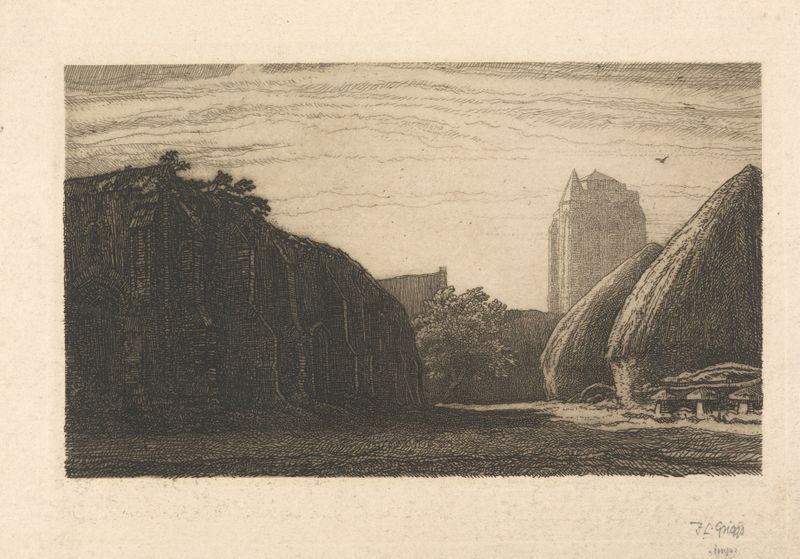
Maur’s Farm
Frederick Landseer Maur Griggs
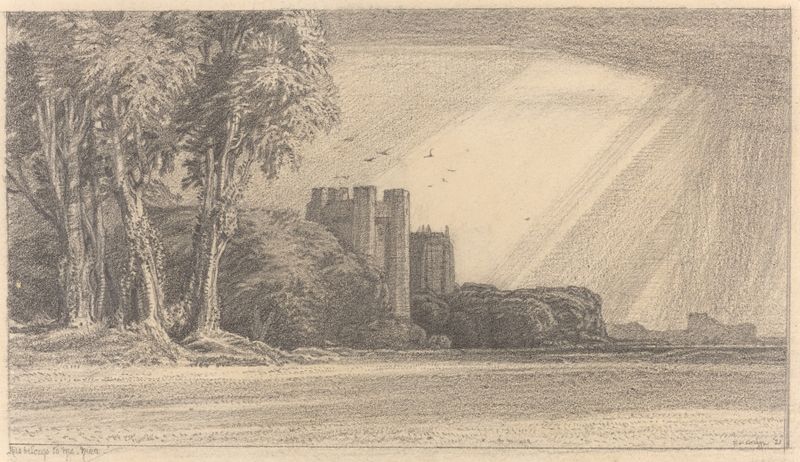
Landscape with Castle
Frederick Landseer Maur Griggs
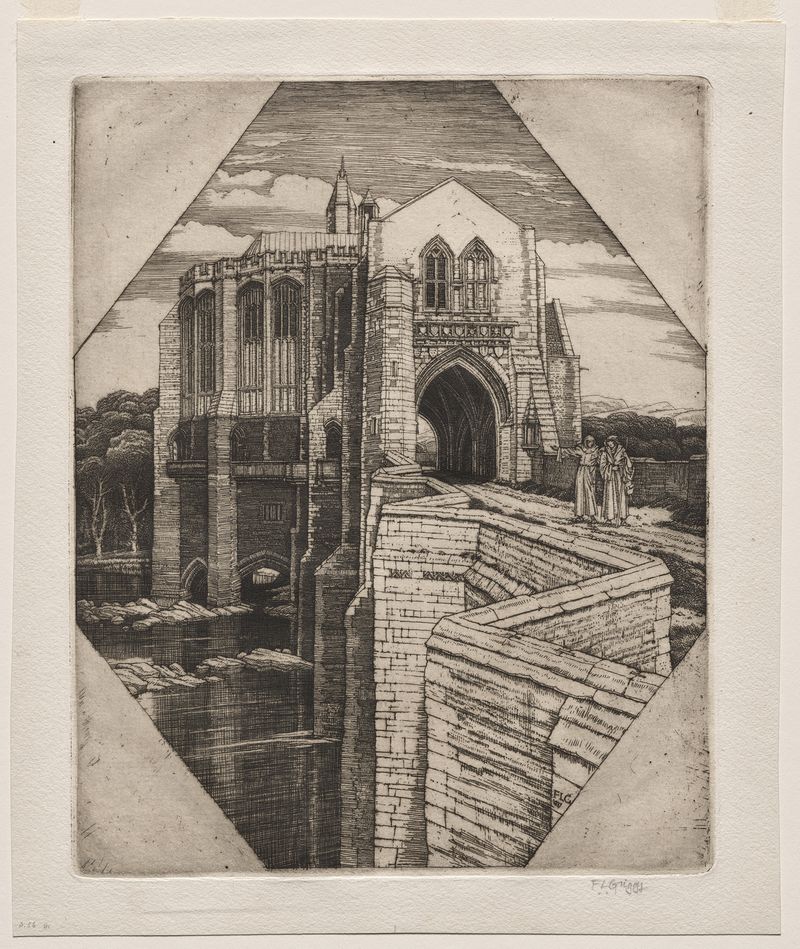
St. Botolph’s Bridge No. 2 1937
Frederick Landseer Maur Griggs
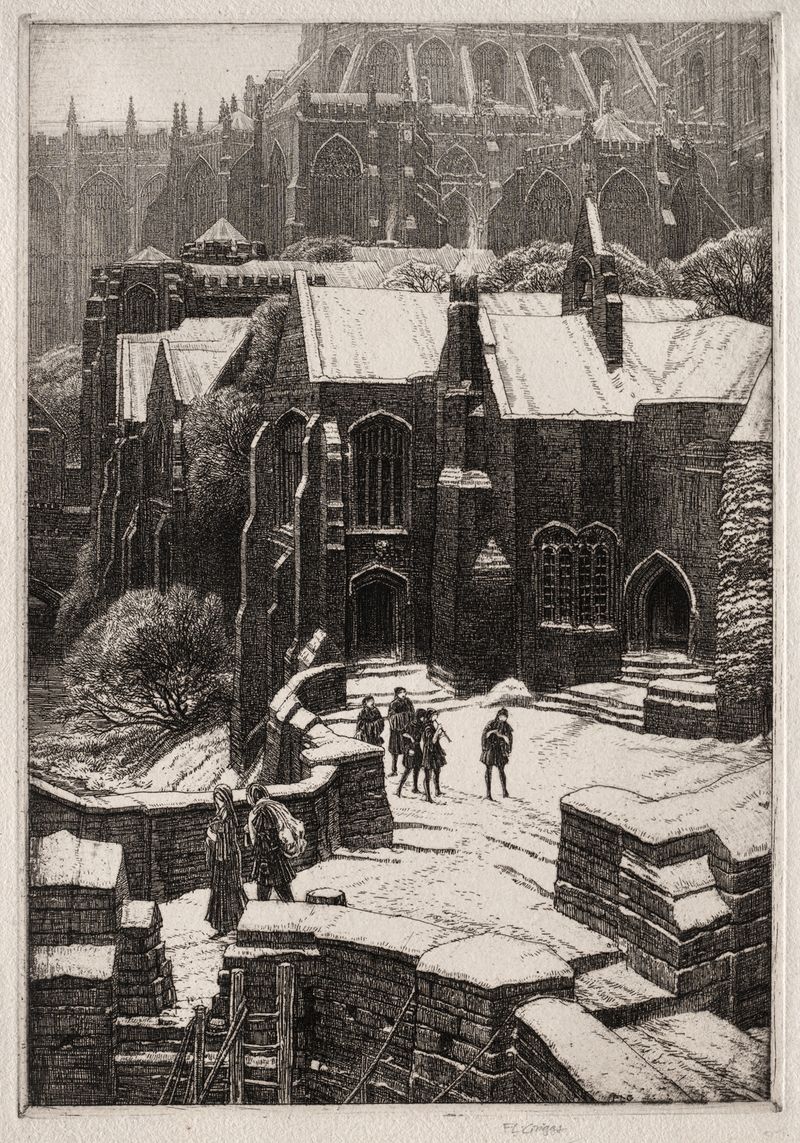
The Almonry
Frederick Landseer Maur Griggs

The Cresset
Frederick Landseer Maur Griggs
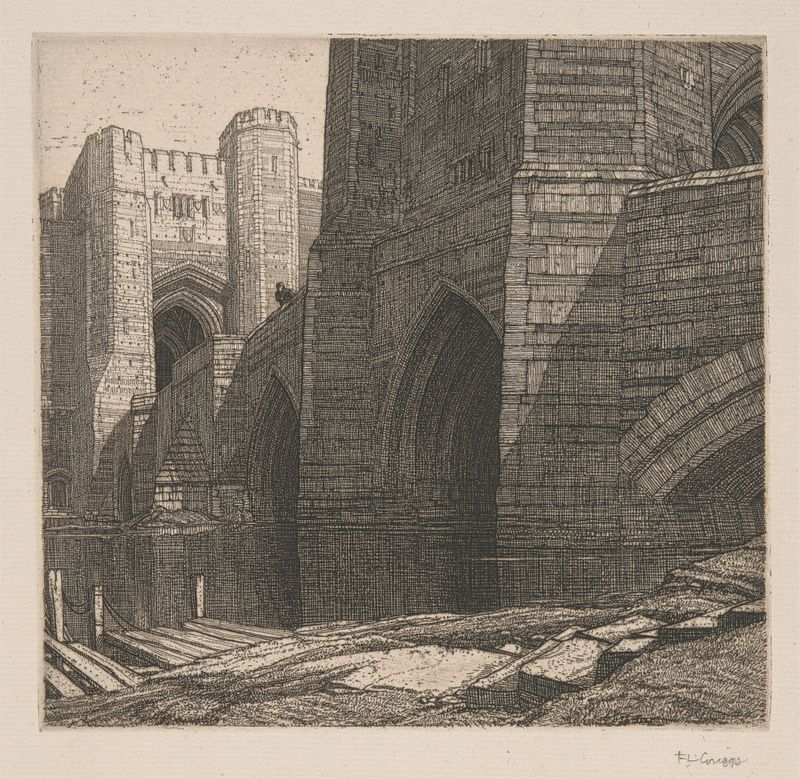
The Barbican
Frederick Landseer Maur Griggs

Maur’s Farm
Frederick Landseer Maur Griggs
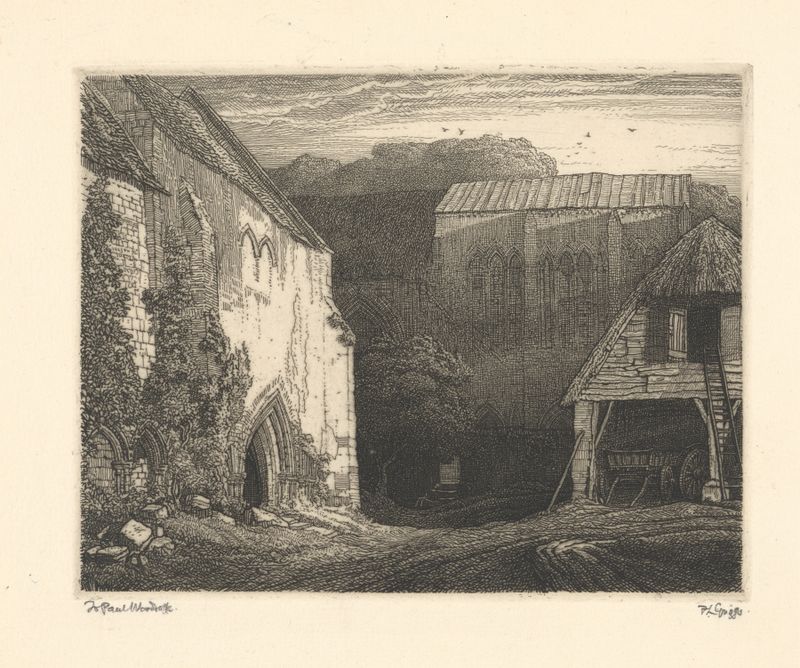
Priory Farm
Frederick Landseer Maur Griggs

St. Wendred’s March
Frederick Landseer Maur Griggs
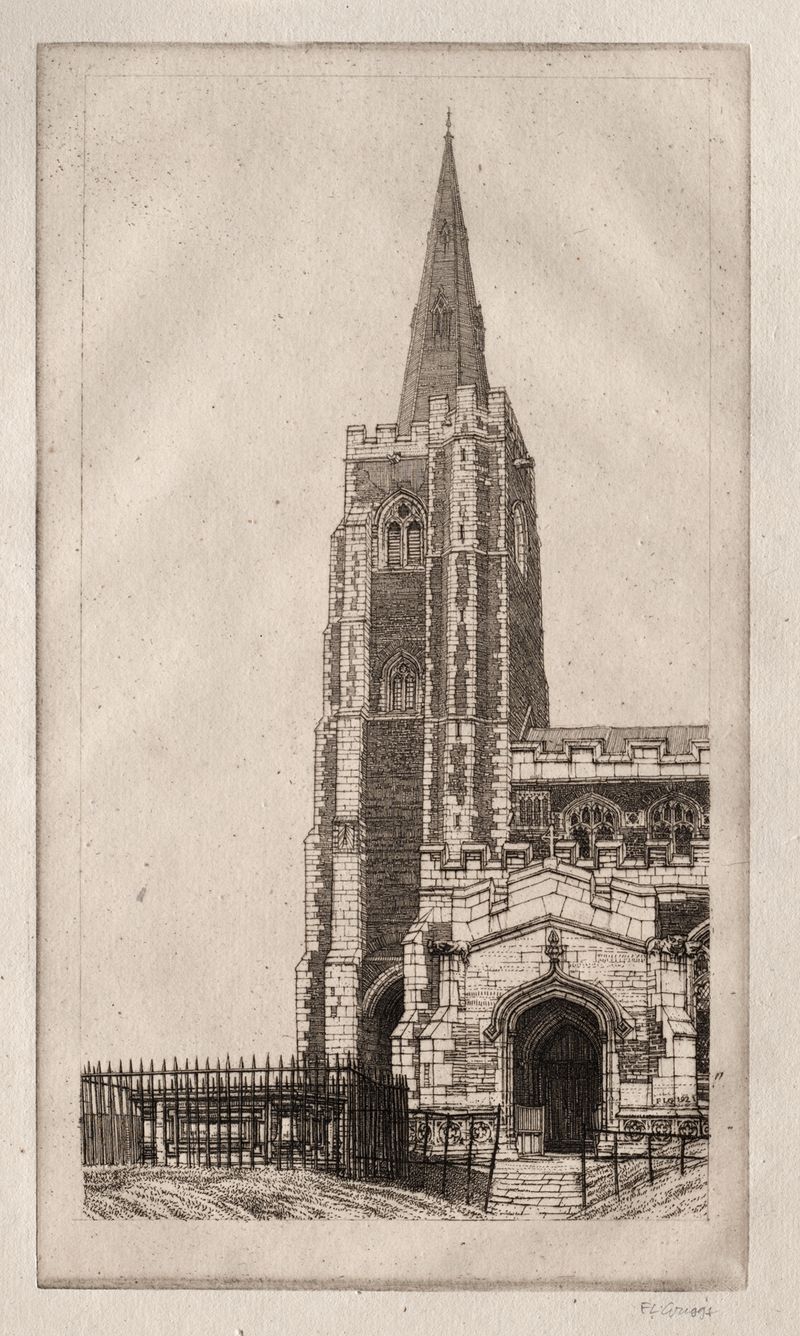
St. Wendred’s, March
Frederick Landseer Maur Griggs
More Architecture Art
Browse all →
The statue of Liberty
Frédéric Auguste Bartholdi

View of Houses in Delft, Known as ‘The Little Street’
Johannes Vermeer

View of Houses in Delft, Known as ‘The Little Street’
Johannes Vermeer

The Cathedral in Rouen. The portal, Grey Weather
Claude Monet

The yellow house
Vincent van Gogh

The Church in Auvers-sur-Oise, View from the Chevet
Vincent van Gogh