
The Temptation of Christ — History & Facts
In The Temptation of Christ, George Romney presents a dramatic scene filled with rich colors. The painting features Christ in the foreground, surrounded by a dark, shadowy landscape. The figures are depicted with a strong sense of movement, emphasizing the tension of the moment.
The use of light and shadow creates a striking contrast that draws the viewer's eye. This artwork is executed in oil on canvas, a medium that allows for vibrant colors and detailed textures. The dimensions are approximately 100 x 130 cm, making it a substantial piece that commands attention. The brushwork is fluid, showcasing Romney's skill in capturing both the human form and the emotional weight of the scene.
The composition is carefully arranged to guide the viewer's gaze through the narrative. George Romney was an English portrait painter known for his work in the late 18th century. This painting reflects the Romantic style, focusing on emotional depth and dramatic themes. An interesting fact about this work is that it explores the theme of temptation, a common subject in religious art, but with a unique interpretation that highlights the psychological struggle of Christ.
Romney's ability to convey emotion through his figures sets this piece apart in his oeuvre.
More Artworks by George Romney

Lady Hamilton as Tragedy
George Romney
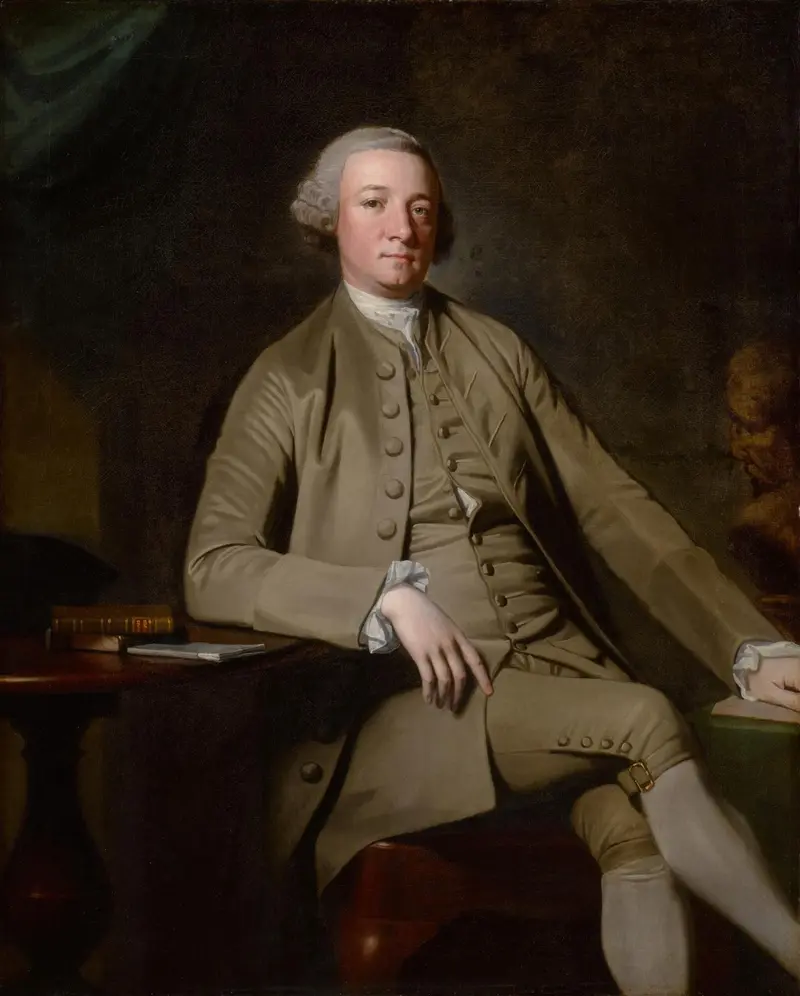
Portrait of a Gentleman, seated, probably William Suddel of Lancaster
George Romney
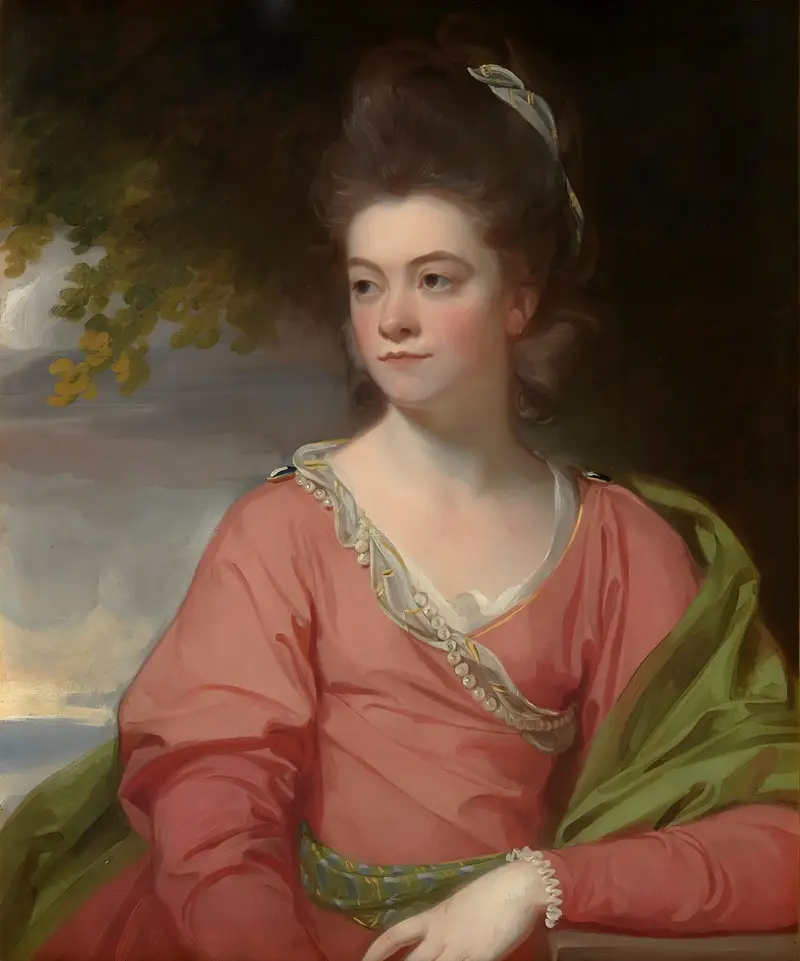
Portrait of a lady, traditionally identified as Miss Inchbold
George Romney
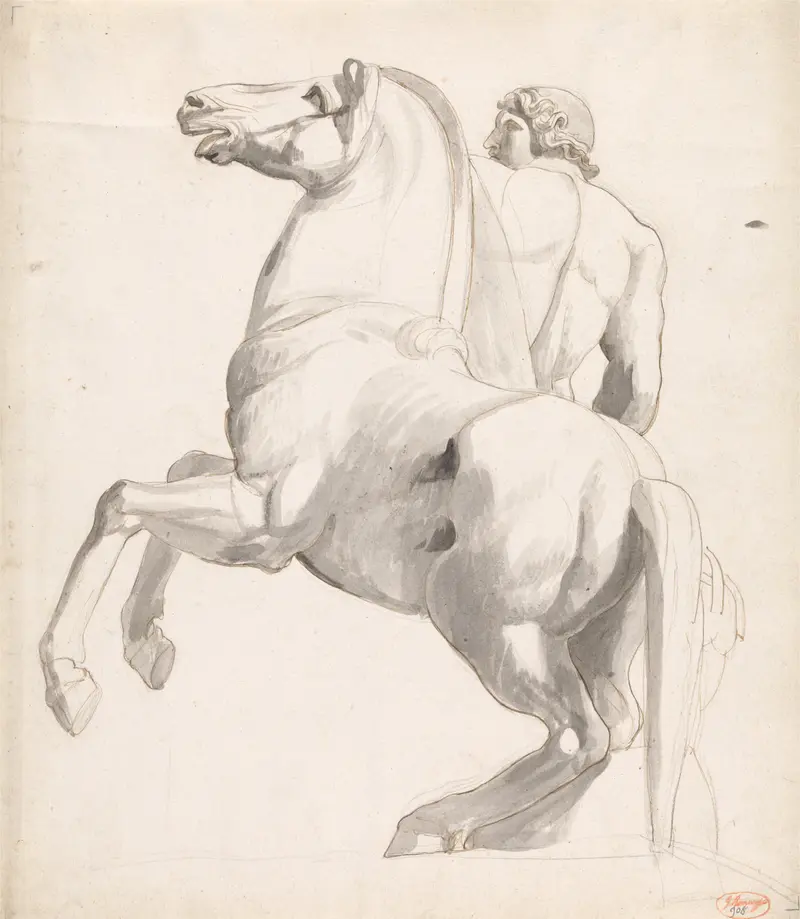
Horseman of Montecavallo
George Romney
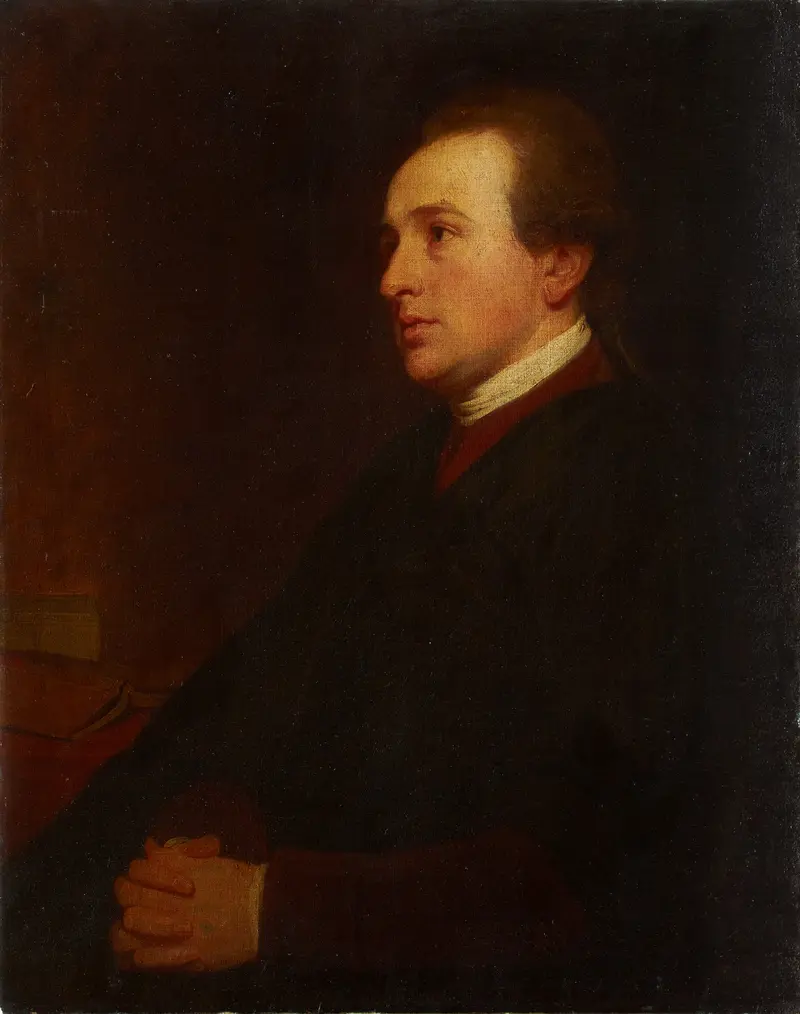
Portrait of a Young Man at his Desk
George Romney
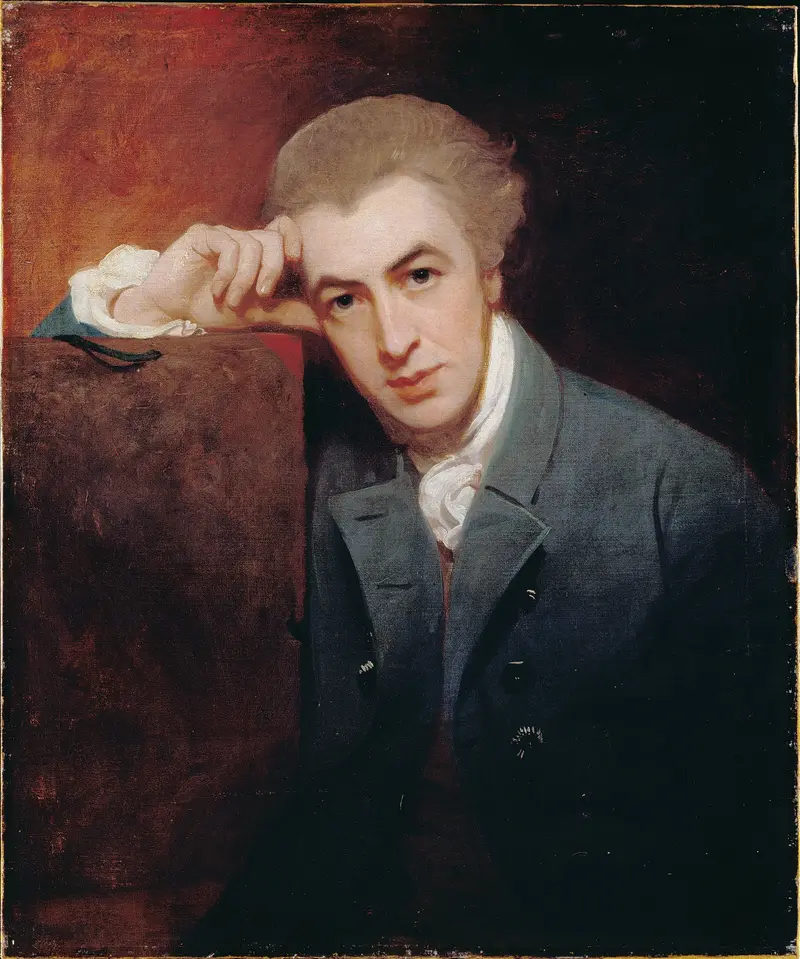
William Hayley
George Romney
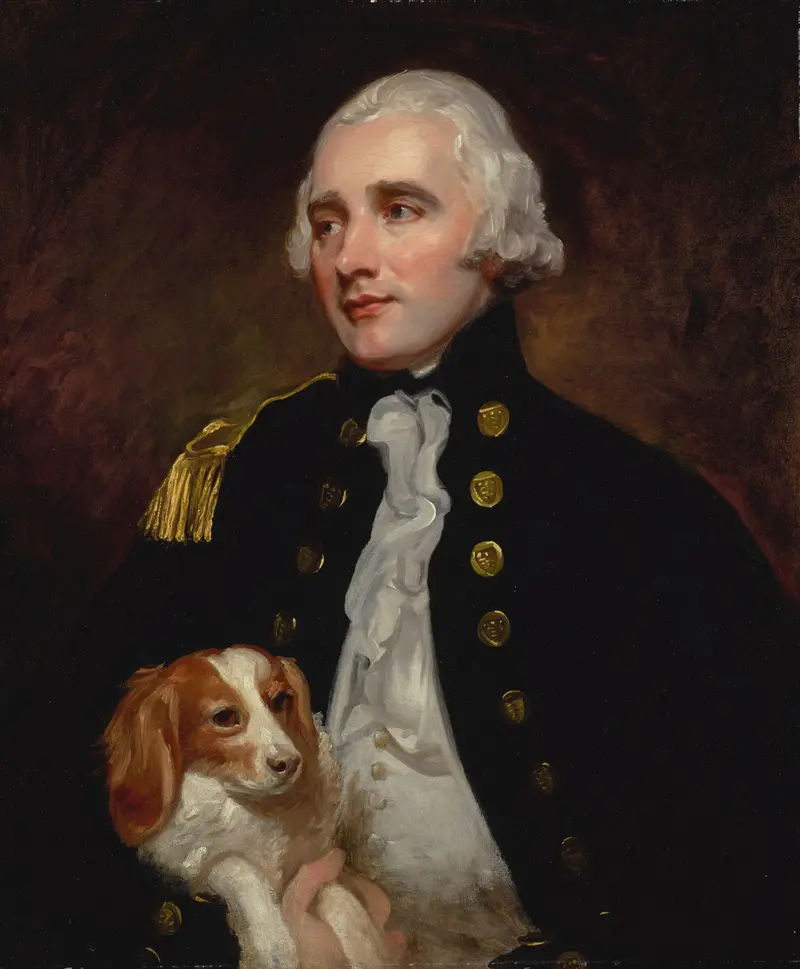
Portrait Of An Officer Of The Corps Of Engineers, Half-Length, Formerly Identified As Sir George Grey
George Romney
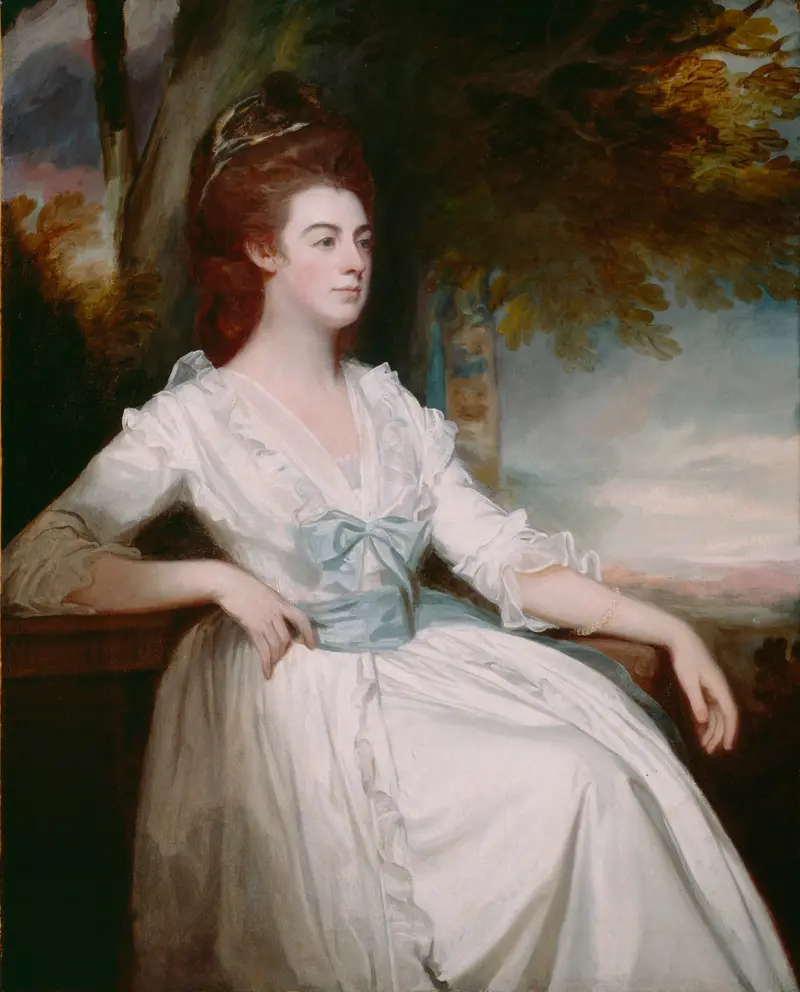
Miss Clavering
George Romney
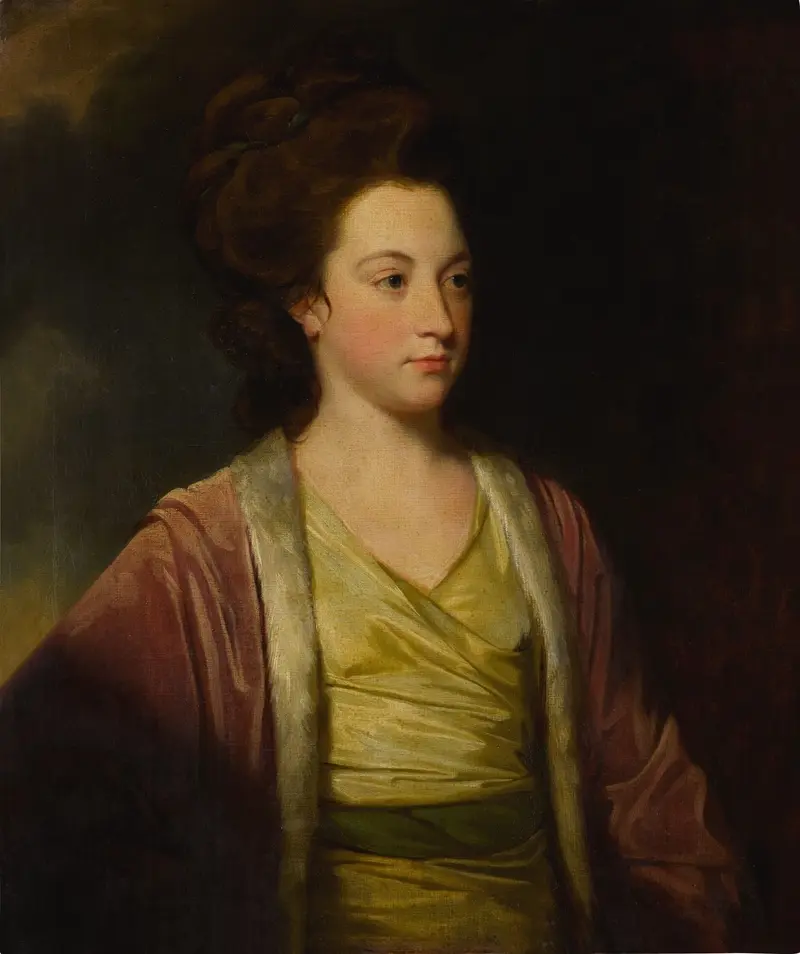
Portrait of Frances Alicia Bennet (b. 1749)
George Romney
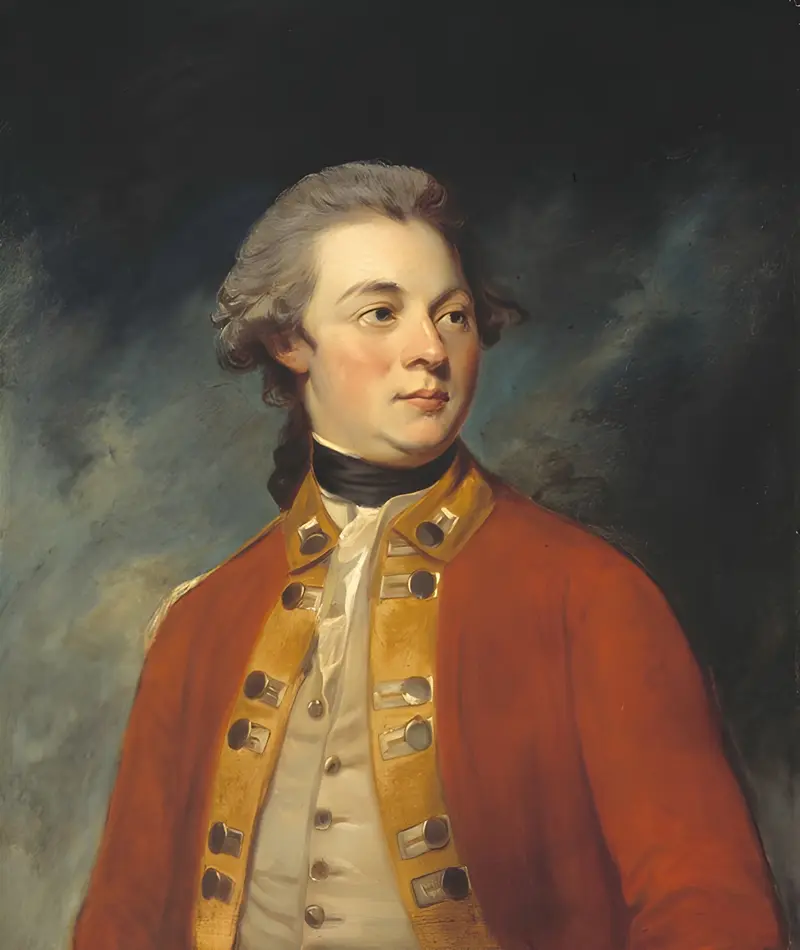
Portrait of Francis North, 4th Earl of Guilford (1761-1817)
George Romney





