
The Tepidarium; Thermae of Caracalla — History & Facts
This statement resonates deeply within the quiet realms of a forgotten bathhouse, where echoes of history intertwine with the beauty of decay. Can truth emerge from stillness? In the midst of ruins, we search for remnants—the whispers of those who once reveled in warmth and solace. Look to the left at the intricate play of light filtering through crumbling arches, casting delicate shadows on the weathered stone. The palette is a harmonious blend of muted earth tones and soft greens, evoking a sense of nostalgia and tranquility.
Notice how the composition draws your eyes upward, inviting contemplation of the soaring ceilings, while the foreground invites you to examine the textured walls, each crack telling a story of time's passage. In this artwork, the contrast between structure and decay speaks volumes. The warm hues suggest a lingering warmth, a memory of life, against the stark reality of abandonment. Small details, like the faint traces of frescoes still clinging to existence, offer glimpses into a vibrant past, evoking a bittersweet sense of loss and resilience.
These hidden elements illuminate the tension between beauty and decay, reminding us that truth often lies beneath layers of neglect. David Young Cameron painted this piece in 1925, during a period when European artists were grappling with the aftermath of World War I. Living in a time of upheaval, he turned to historical subjects, seeking comfort and beauty in the remnants of ancient civilization. During this era, the art world was experiencing shifts towards modernism, yet Cameron’s focus on classical themes reflected a deep reverence for the past, aiming to capture the essence of truth amid the ruins.
More Artworks by David Young Cameron
Browse all →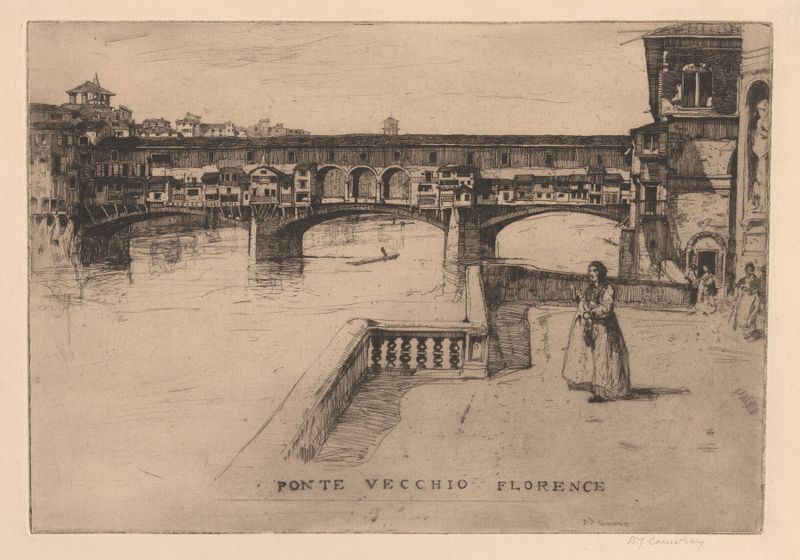
Ponte Vecchio
David Young Cameron

The Deanery, Winchester
David Young Cameron
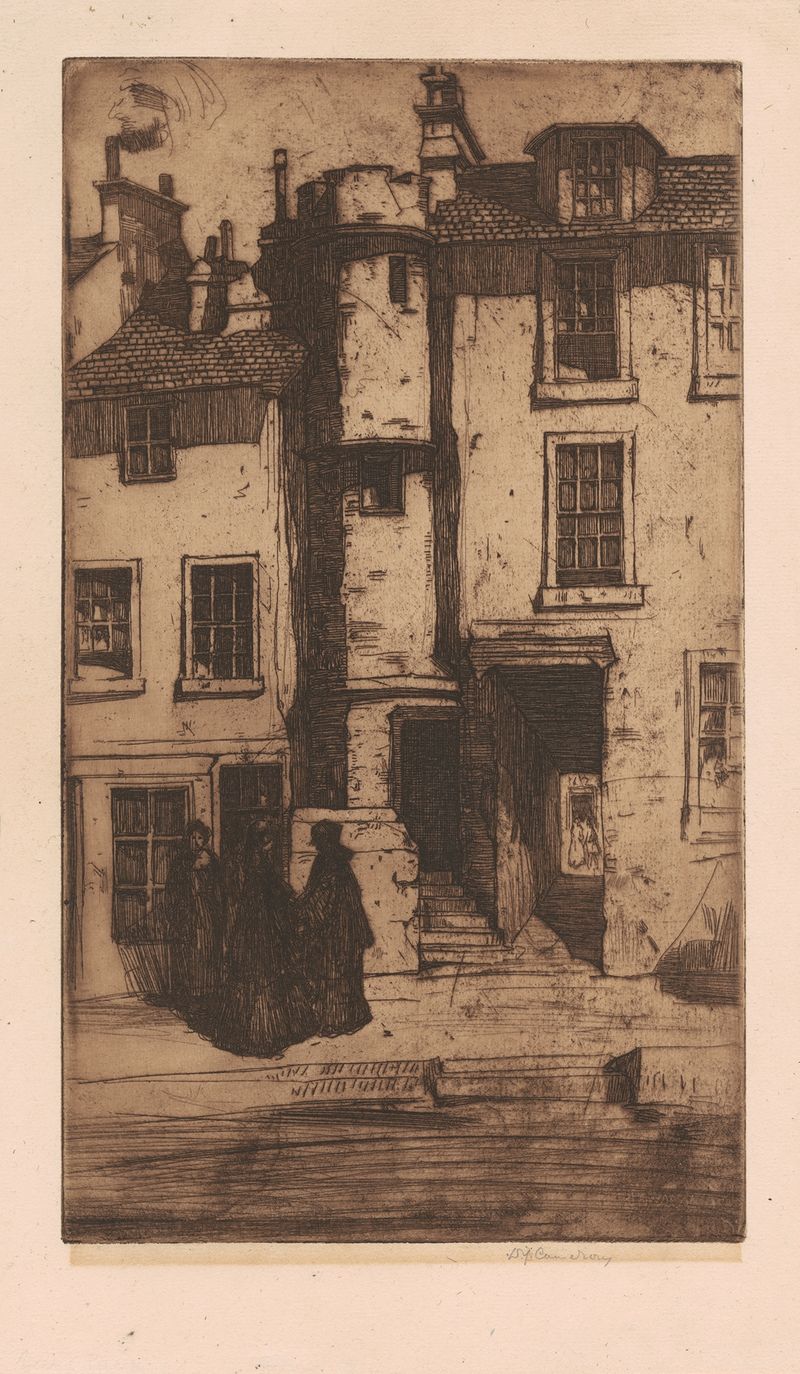
Old Houses, Stirling
David Young Cameron
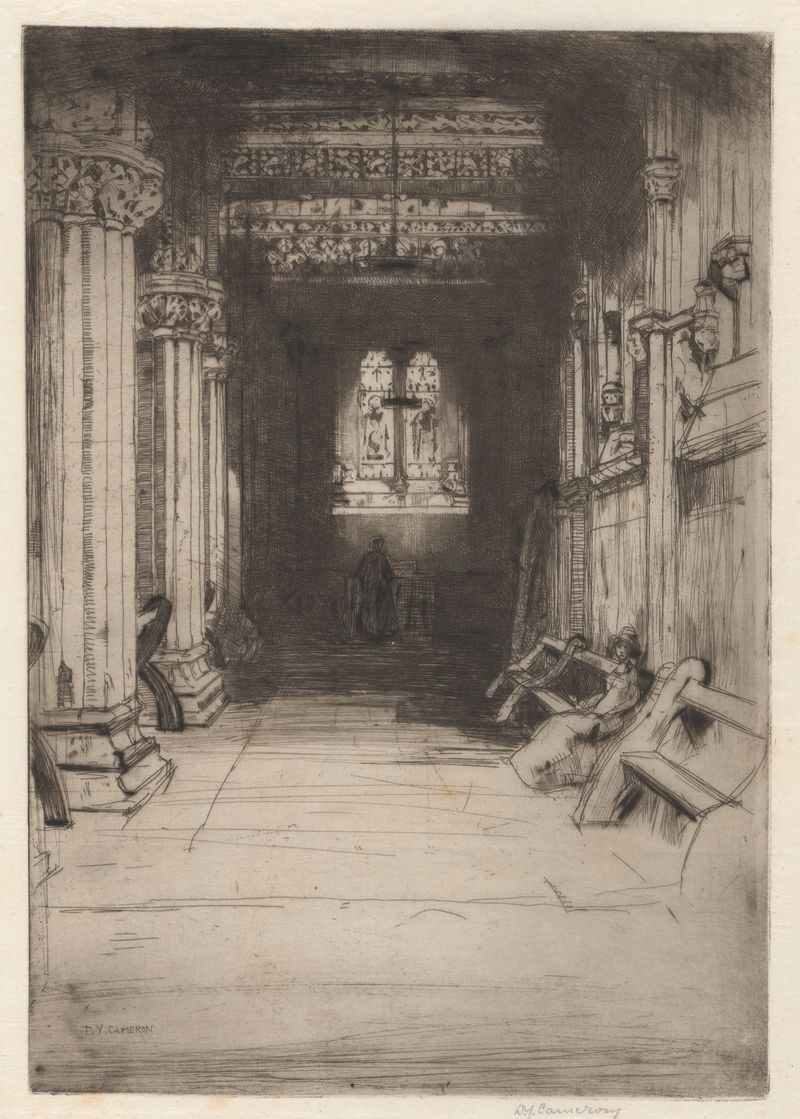
Rosslyn Chapel
David Young Cameron

The Old Museum, Beauvais
David Young Cameron
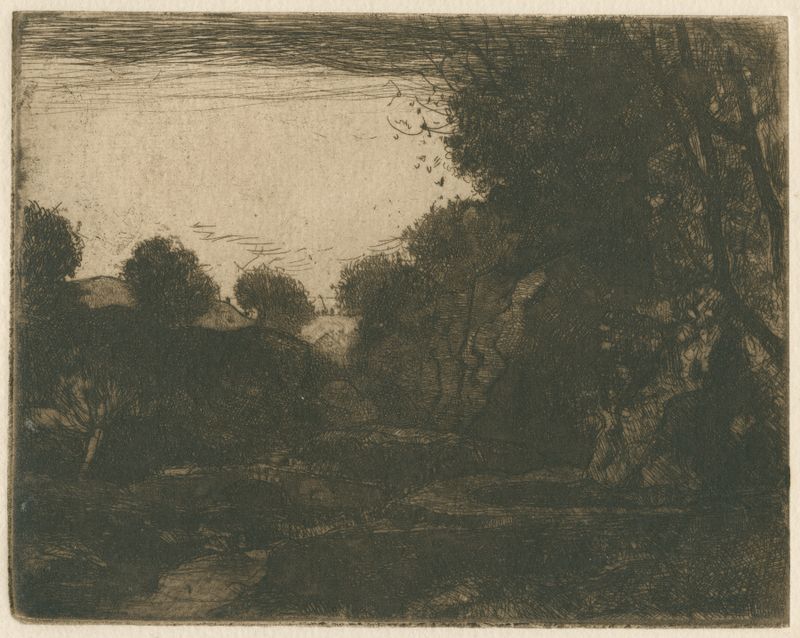
On the Bradford
David Young Cameron

The Smithy
David Young Cameron
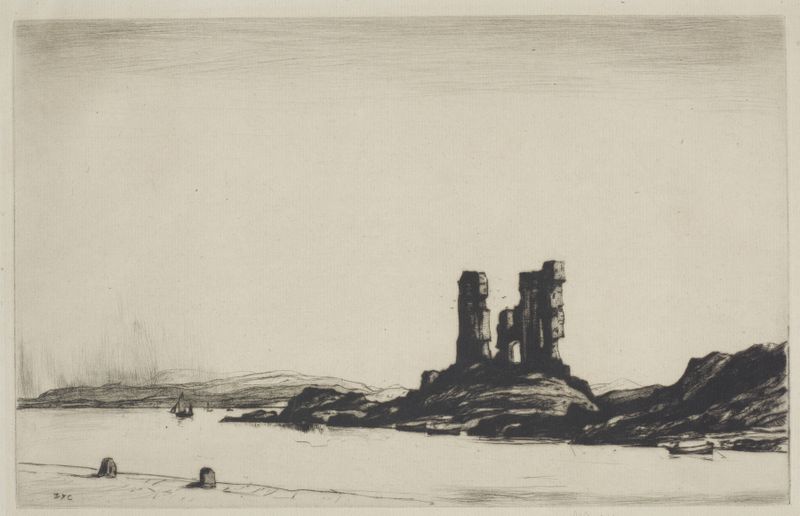
Castle Moyle
David Young Cameron
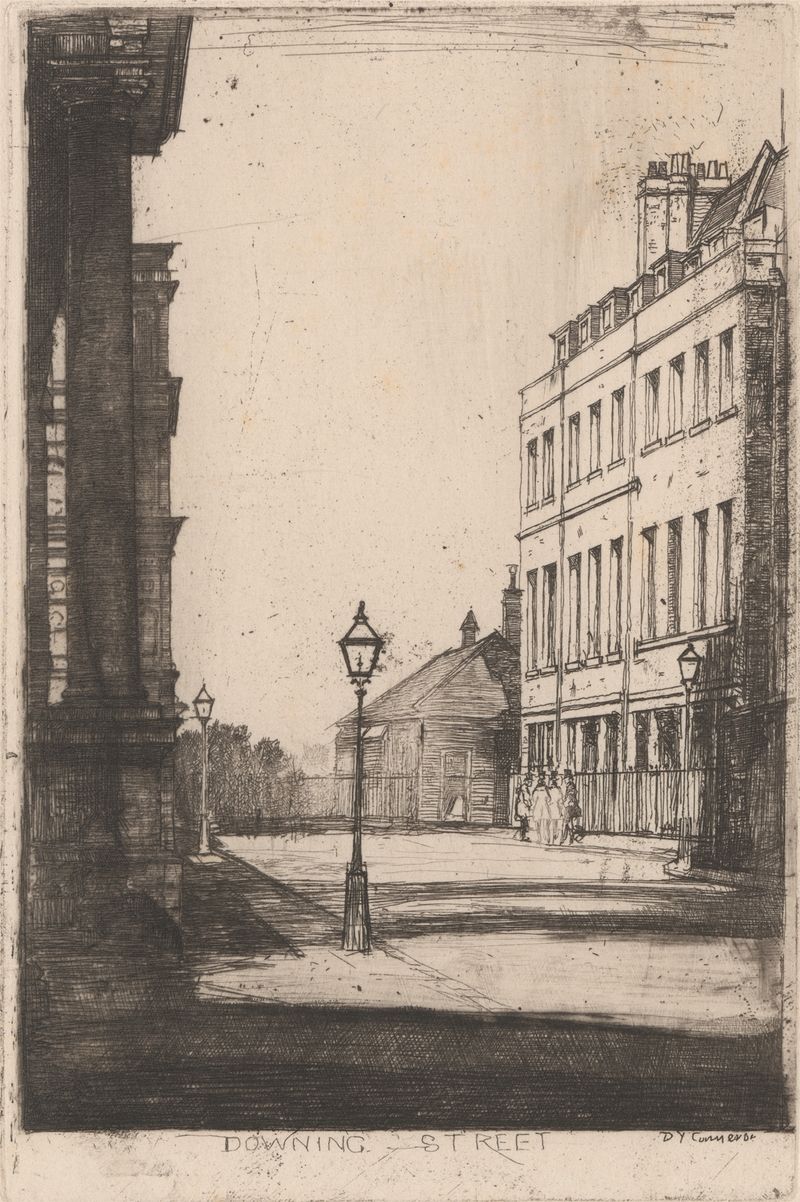
Downing Street
David Young Cameron

Glasgow Cathedral
David Young Cameron
More Architecture Art
Browse all →
The statue of Liberty
Frédéric Auguste Bartholdi

View of Houses in Delft, Known as ‘The Little Street’
Johannes Vermeer

View of Houses in Delft, Known as ‘The Little Street’
Johannes Vermeer

The Cathedral in Rouen. The portal, Grey Weather
Claude Monet

The yellow house
Vincent van Gogh

The Church in Auvers-sur-Oise, View from the Chevet
Vincent van Gogh