
The Thames and the Adelphi — History & Facts
In the hands of an adept artist, the tumult of life finds its harmony, revealing a balance that resonates deeply within us. Look to the foreground, where the Thames unfolds in gentle ripples, its surface mirroring the soft pastels of the sky. The buildings of the Adelphi, rising elegantly in the background, impart a sense of order against the fluidity of the water. Notice how Hodges skillfully employs a palette of blues and earthy browns, blending the two elements so seamlessly that they almost breathe as one, inviting the viewer to explore a world where nature and architecture coexist in perfect equilibrium. Delve deeper into the composition, and you’ll discover contrasts that speak to the duality of existence.
The robust structure of the Adelphi stands firm against the ephemeral dance of the water, yet the reflections in the river suggest a fleeting beauty that challenges permanence. The interplay of light and shadow further enhances this tension, revealing the transient nature of our surroundings and the quest for stability amidst the chaos of life. Painted during a time when Hodges was immersed in the exploration of British landscapes, this work emerges from an era marked by burgeoning national identity and artistic ambition. The late 18th century was a period of discovery and change, and the artist sought to capture the essence of his subjects with both reverence and innovation.
It was a moment when the balance between nature and civilization was increasingly questioned, making The Thames and the Adelphi a poignant reflection of its time.
More Artworks by William Hodges
Browse all →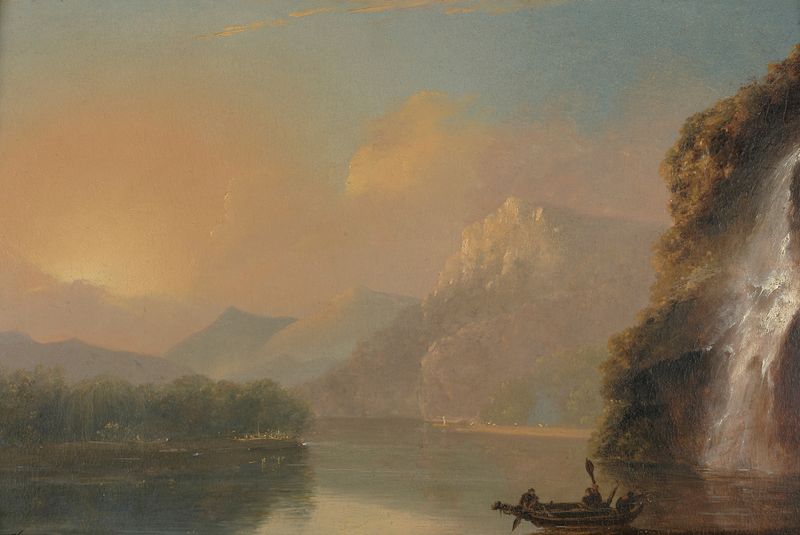
Waterfall in Dusky Bay with Maori canoe
William Hodges
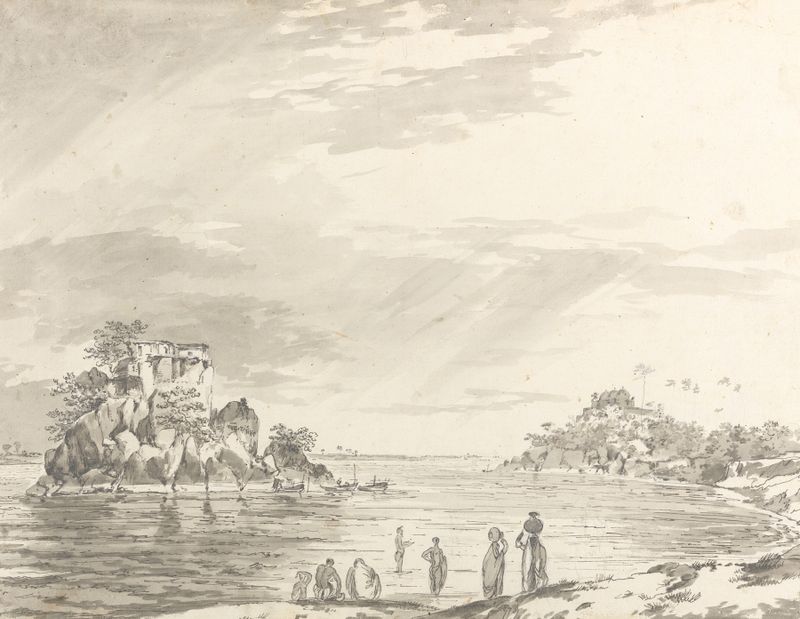
Original Drawings for Choix de Vues de L’Inde and Others Pl.15
William Hodges
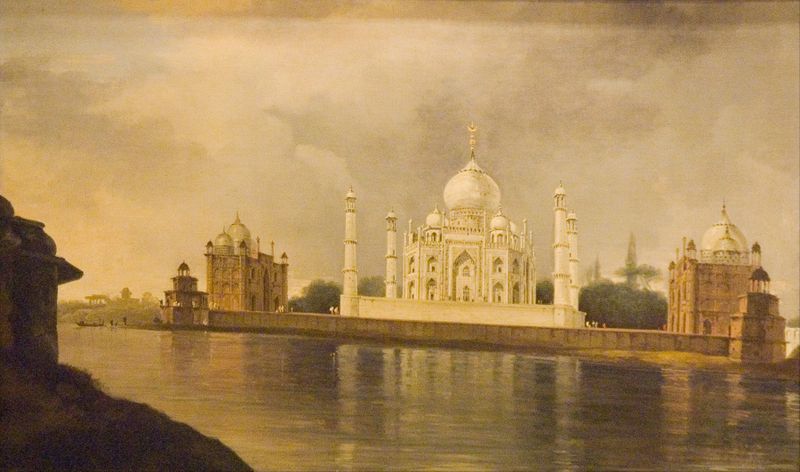
The Taj Mahal
William Hodges
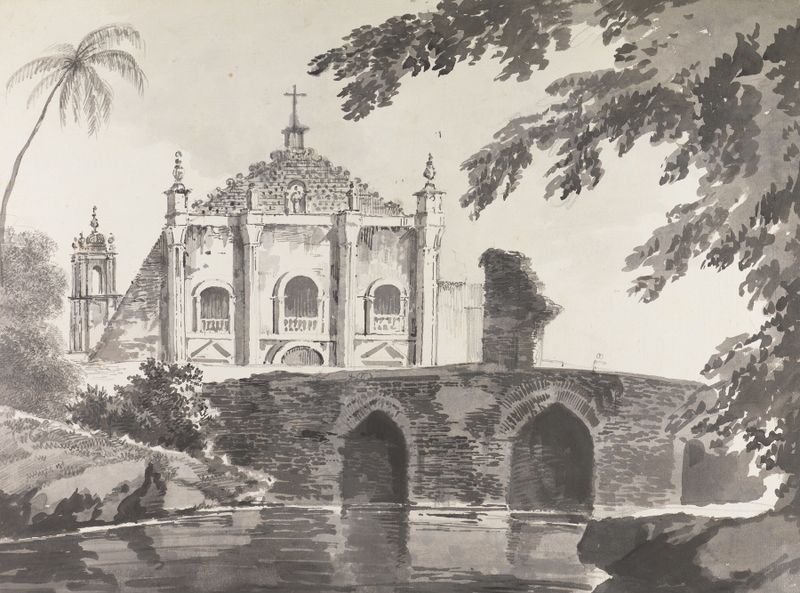
Original Drawings for Choix de Vues de L’Inde and Others Pl.50
William Hodges
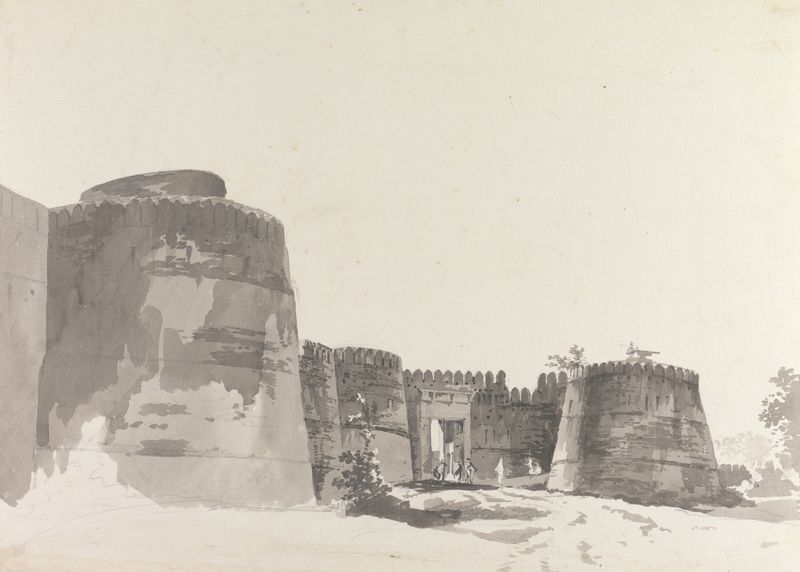
Original Drawings for Choix de Vues de L’Inde and Others Pl.34
William Hodges
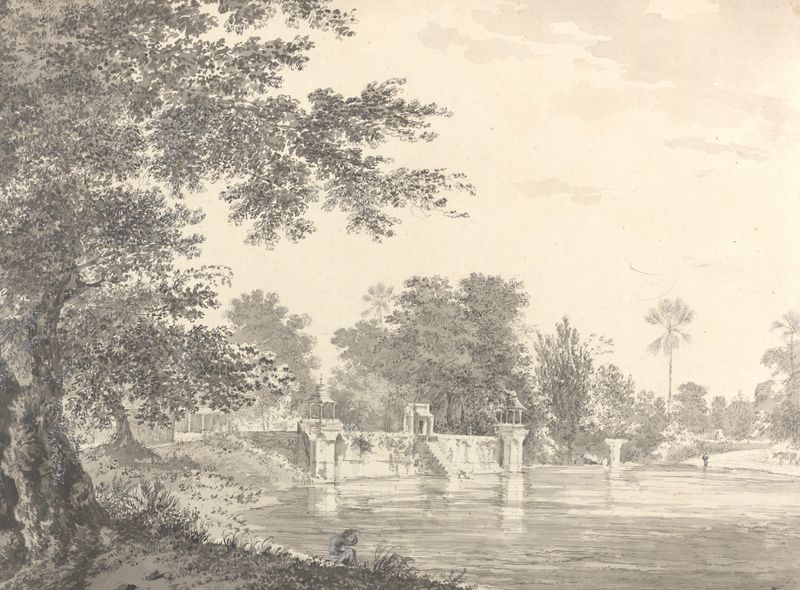
Original Drawings for Choix de Vues de L’Inde and Others Pl.03
William Hodges
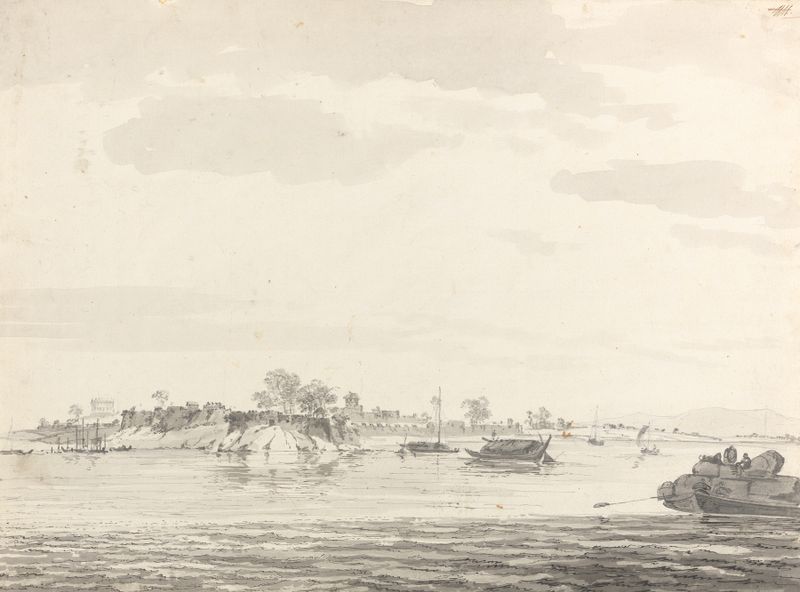
Original Drawings for Choix de Vues de L’Inde and Others Pl.18
William Hodges
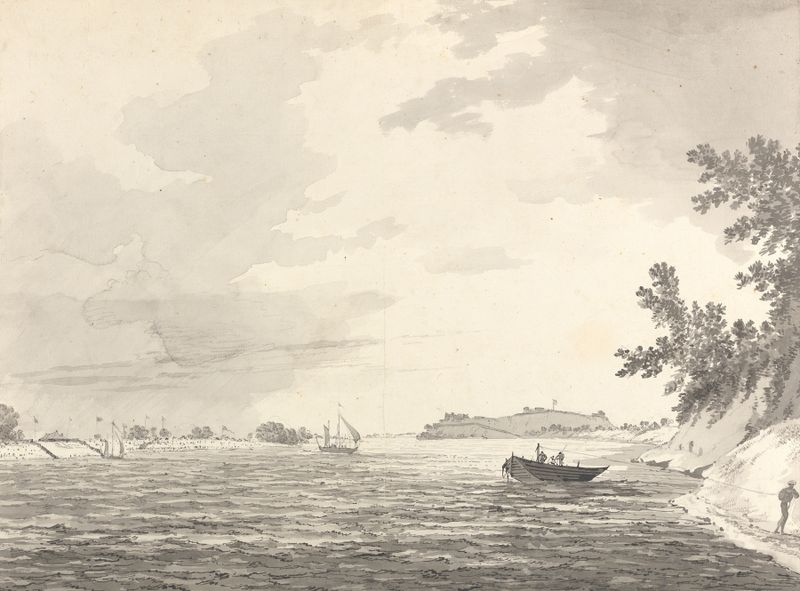
Original Drawings for Choix de Vues de L’Inde and Others Pl.10
William Hodges
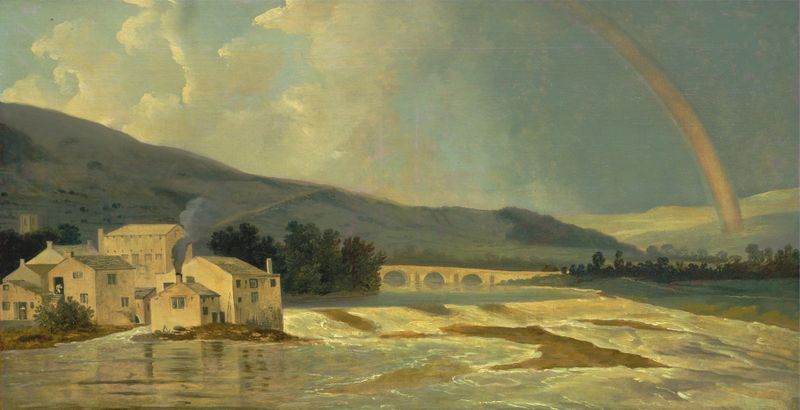
Otley Bridge on the River Wharfe
William Hodges
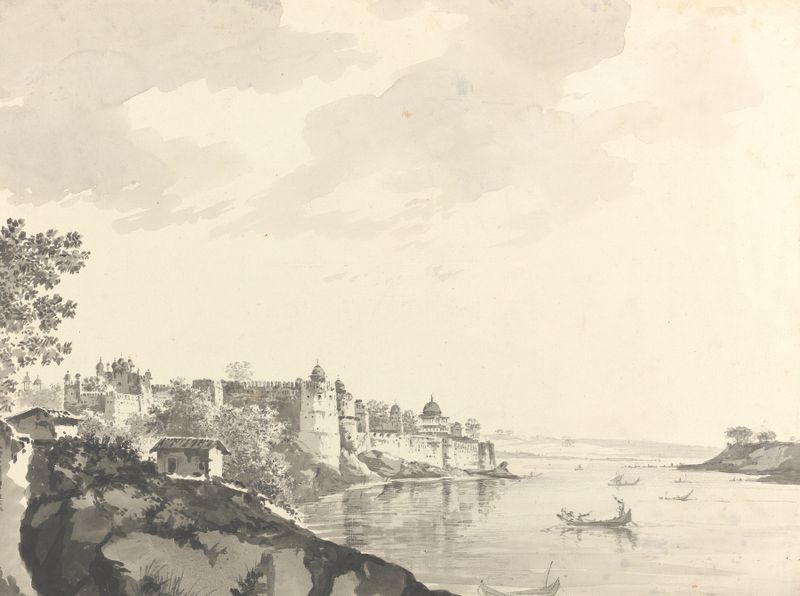
Original Drawings for Choix de Vues de L’Inde and Others Pl.08
William Hodges





