The Thames at the Tower of London with London Bridge and St. Paul’s in the Distance — History & Facts
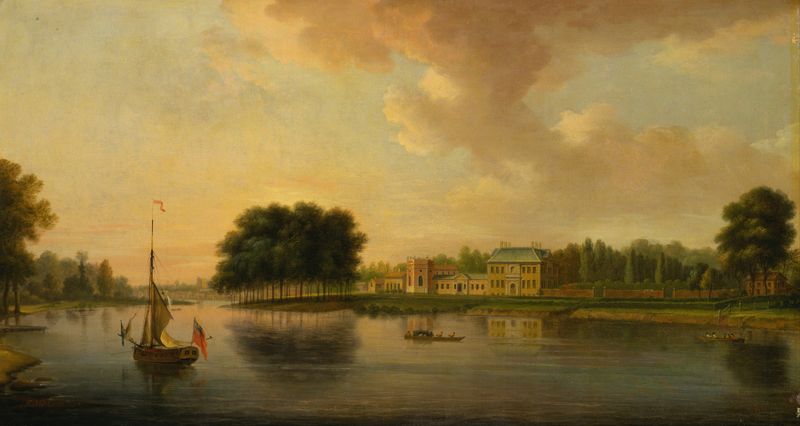
The soft hues of twilight, as they dance upon the river’s surface, serve as a poignant reminder of history’s weight. Here, the Thames flows past, cradling stories of both triumph and tragedy within its depths. Each brushstroke hints at the fragile interplay of light and shadow, evoking an emotional landscape far beyond mere scenery. Focus on the deep azure of the water contrasting with the warm, golden tones of the sky.
Notice how the artist employs light to envelop the scene in a gentle embrace, guiding your eyes toward the silhouette of St. Paul’s Cathedral in the distance. The architecture stands resolute, a testament to endurance against the passage of time, while the transient figures along the riverbank seem almost ephemeral.
Each subtle gradation of color tells a story—of fleeting moments captured in vibrant shades, revealing both the beauty and sorrow that shapes the urban experience. Delve deeper into the composition, where the juxtaposition of the rigid structures against the fluidity of the water speaks to the tension between permanence and impermanence. The contrasting colors not only highlight the vibrancy of life in London but also underscore the complexities of urban existence—a reminder that beauty often emerges from the chaos of human experience. The small boats dotting the river serve as metaphors for the individuals navigating their paths through a city steeped in history, yet ever-changing. Created during an unidentified period of the artist's life, this work exemplifies the exploratory spirit of Joseph Nickolls, who was known for his depictions of London’s landscape.
Little is documented about his biography, but this piece reflects an era when artists began to embrace the interplay of light and color, moving away from rigid formalism. Nickolls captures the essence of a city that breathes through its rivers, offering a momentary glimpse into the heart of London’s evolving narrative.