View Of The Stocks Market, London — History & Facts
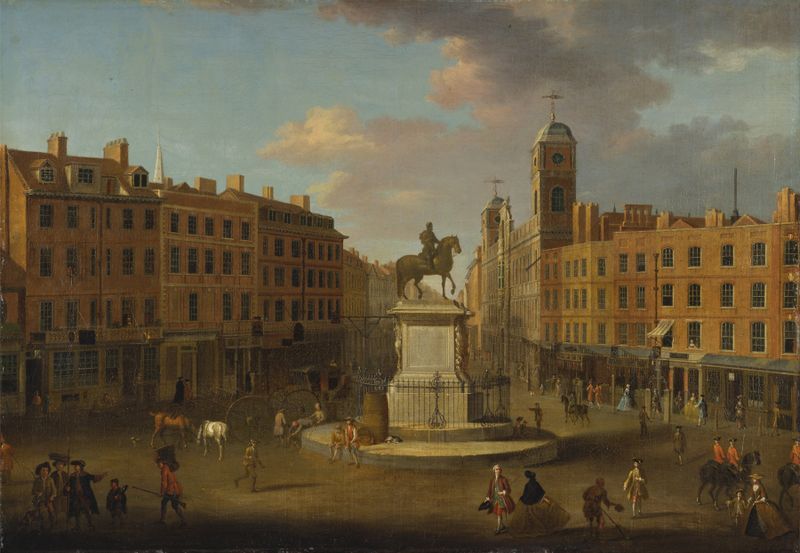
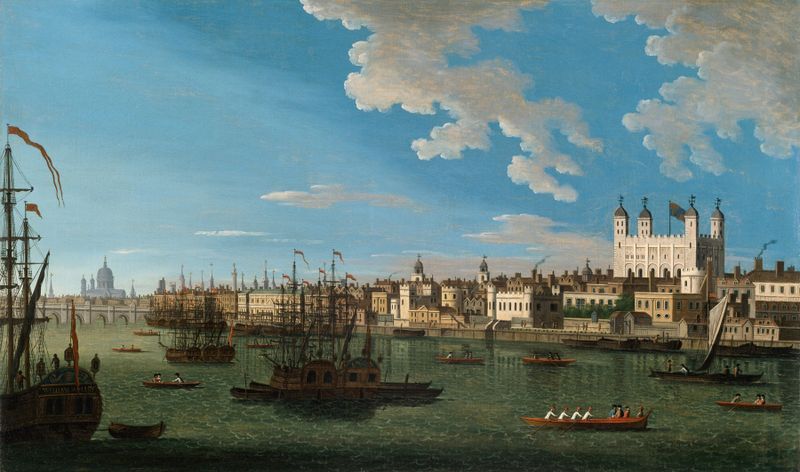
When did color learn to lie? In a world dictated by numbers and figures, the vibrance of a palette can reveal as much truth as it conceals. Look to the left, where the bustling activity of traders is captured mid-debate, their gestural expressions hinting at the tension of financial ambition. Notice how the artist’s use of light illuminates the scene, casting a warm glow over the figures, while cool shadows settle in the corners, creating an interplay of optimism and uncertainty. The brushwork is lively, with dabs and strokes echoing the frenetic energy of the market, drawing the viewer into the heart of the action. Delve deeper into the details: the positioning of the traders suggests a hierarchy, with some standing confidently while others slouch, their postures whispering stories of success and failure.
The vibrant colors, though inviting, can also deceive, reflecting the dual nature of the stock market—full of hope and fraught with risk. Each color choice, from the deep reds to the bright greens, symbolizes the emotional highs and lows that define the financial world, capturing the frailty of human ambition. Joseph Nickolls painted this piece during a time when the stock market was becoming a powerful force in London, though the exact date remains uncertain. As commercial aspirations surged, artists began to explore themes of industry and finance, responding to a society increasingly captivated by commerce.
This painting stands as a testament to that transformative era, merging visual artistry with the volatile pulse of modern economics.