The Thames with Sion House — History & Facts
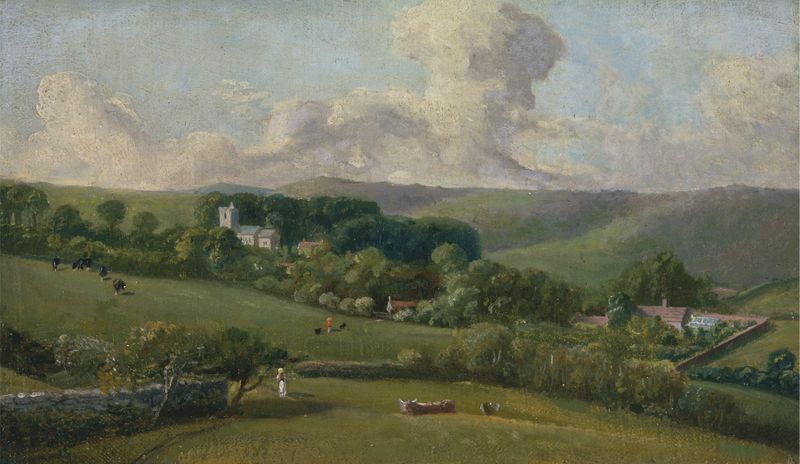
When did color learn to lie? The hues of nature, so vivid and alluring, often cloak deeper truths beneath their enchanting surface. Focus on the left side of the canvas, where the deep blues of the Thames ripple under a twilight sky, merging with hints of muted purples and greens. The gentle strokes evoke a tranquil waterway that invites you to linger, while Sion House stands proudly in the background, its façade painted in warmer, earthly tones. The contrast between the serenity of the river and the sturdy structure suggests a dialogue between the fluidity of life and the permanence of human achievement. As you explore the painting further, notice the subtle tension between the chaos of nature and the quiet order of civilization.
The swaying trees, rendered in soft brushwork, seem to whisper secrets, while the meticulously crafted architecture looms solidly, anchoring the composition. This interplay between color and form reveals a deeper commentary on the relationship between humanity and its environment, challenging the viewer to consider how beauty may mask underlying complexities. Created during a time when landscape painting was flourishing in England, the artist worked on this piece amid the rise of Romanticism. The early 19th century saw a growing interest in capturing the sublime aspects of nature, reflecting both personal sentiment and a societal shift towards appreciation of the natural world.
This era shaped the artist's approach, blending emotional resonance with observational accuracy, resulting in a work that harmonizes the vibrant interplay of color with the rich history of the land.