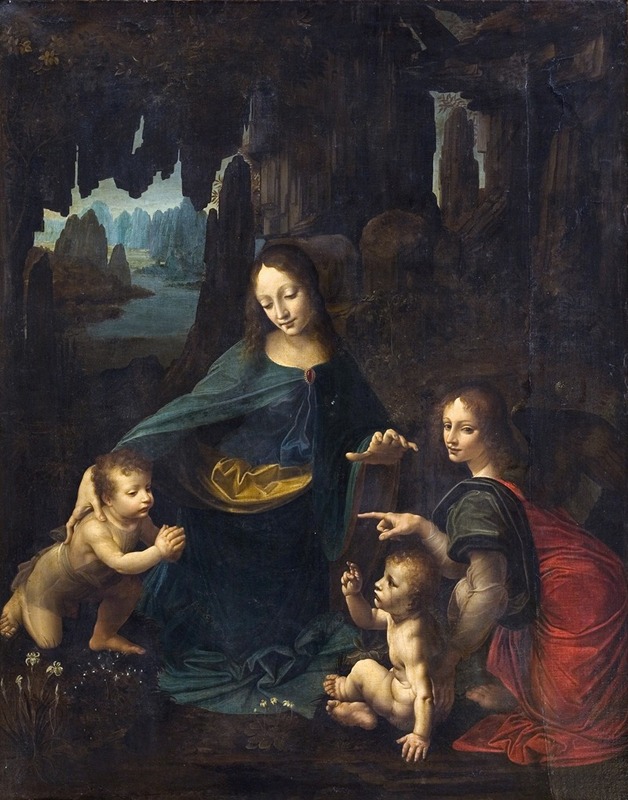
Discover insights about this artwork
The Three Crosses — History & Facts
In The Three Crosses, Rembrandt van Rijn presents a dramatic scene of the crucifixion. The painting features a dark, moody palette dominated by deep blacks and browns, contrasted with the bright light illuminating the figures on the crosses. The three crosses stand prominently in the center, surrounded by a tumultuous sky and a crowd of onlookers.
The expressions of the figures convey a mix of sorrow and despair, enhancing the emotional impact of the scene. This artwork is an etching, showcasing Rembrandt's skill in manipulating light and shadow. The intricate details of the figures and the surrounding environment are evident, with strong contrasts that draw the viewer's eye. The use of chiaroscuro is particularly striking, emphasizing the drama of the moment.
The size of the etching is approximately 37 x 49 cm, making it a significant piece within Rembrandt's oeuvre. Rembrandt van Rijn, a key figure of the Dutch Golden Age, created The Three Crosses around 1653. This work is notable for its innovative use of light and shadow, which was a hallmark of Rembrandt's style. Interestingly, this etching was made in two states, with the second state showing more detail and refinement.
The piece reflects Rembrandt's deep engagement with biblical themes and his ability to convey complex emotions through art.
More Artworks by Rembrandt van Rijn
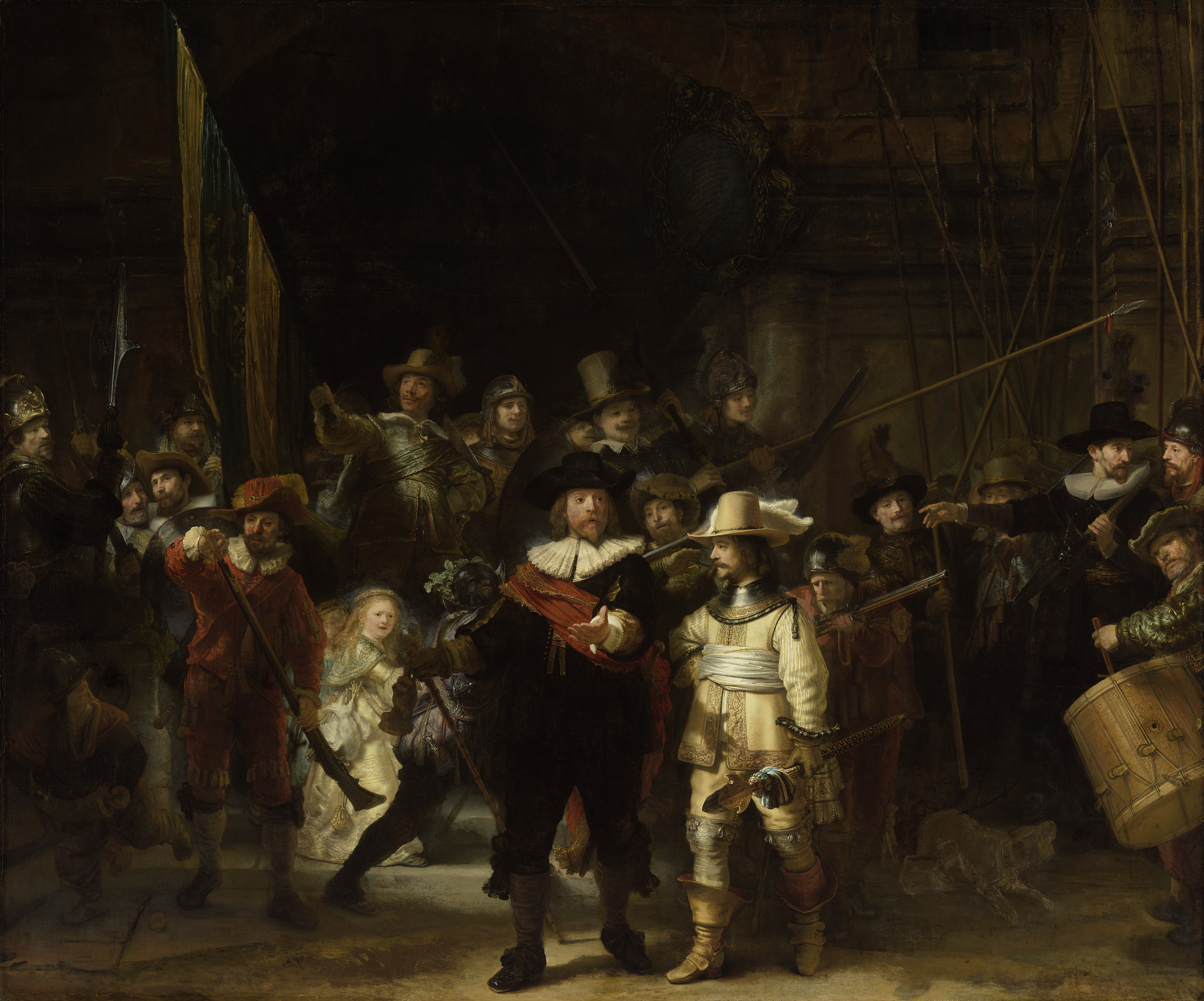
The Night Watch Militia Company of District II under the Command of Captain Frans Banninck Cocq
Rembrandt van Rijn
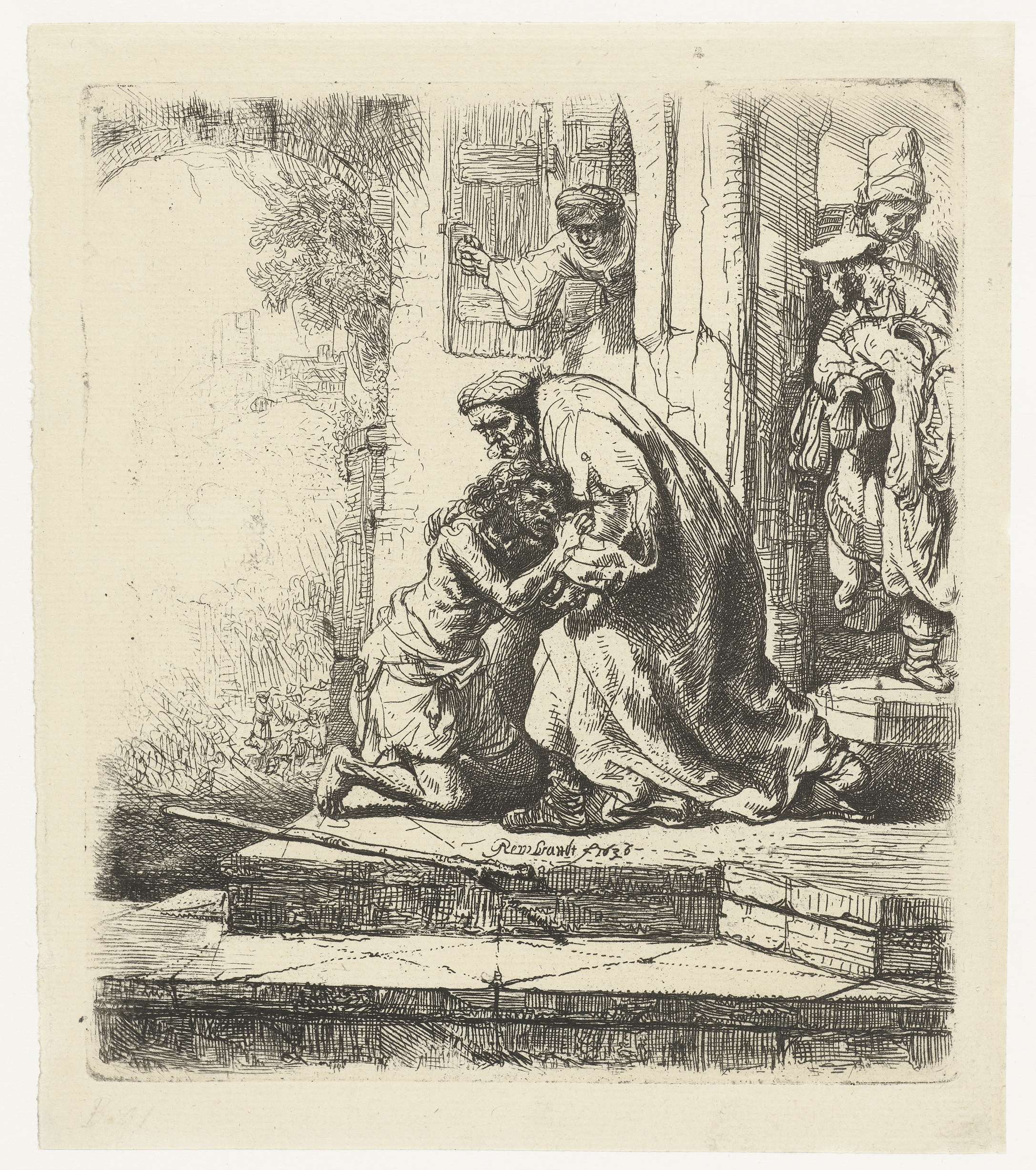
The Return of the Prodigal Son
Rembrandt van Rijn
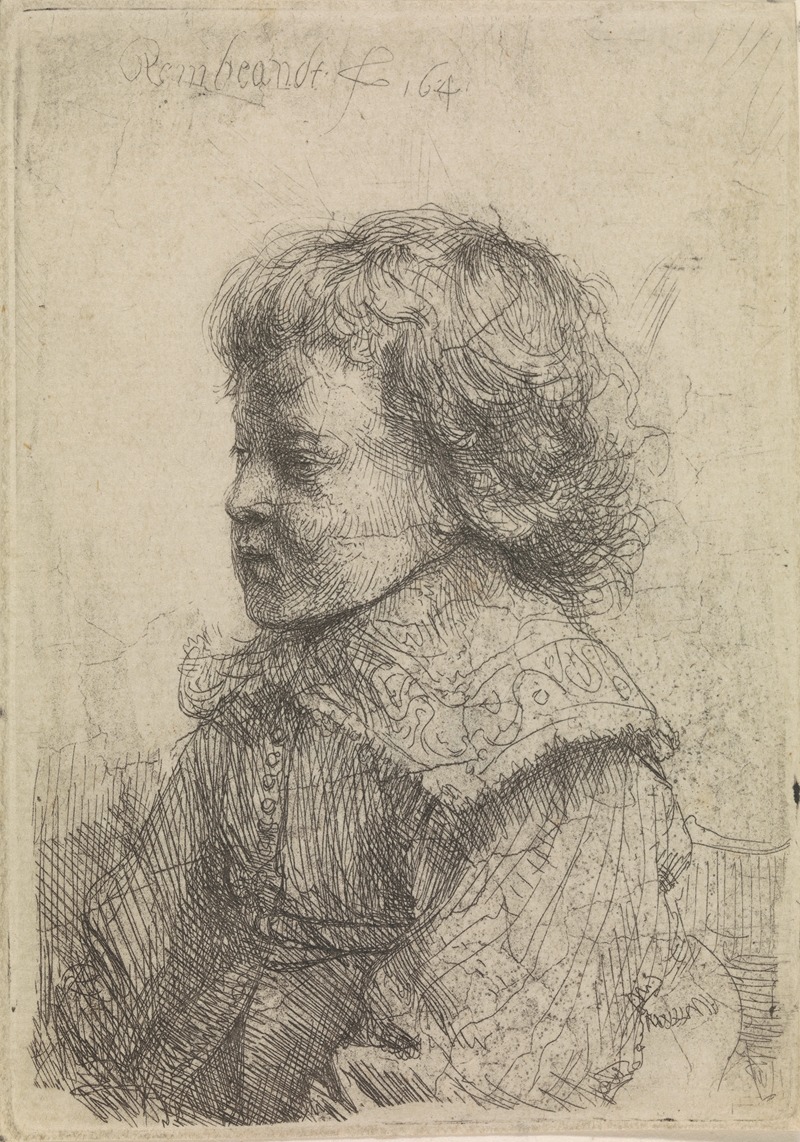
Portrait of a boy in profile
Rembrandt van Rijn
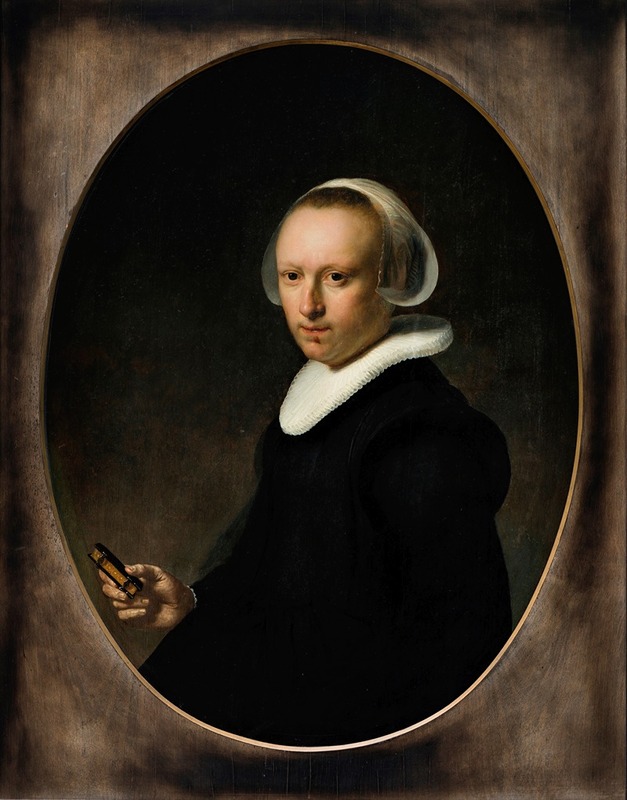
Portrait of a 39-year-old Woman
Rembrandt van Rijn
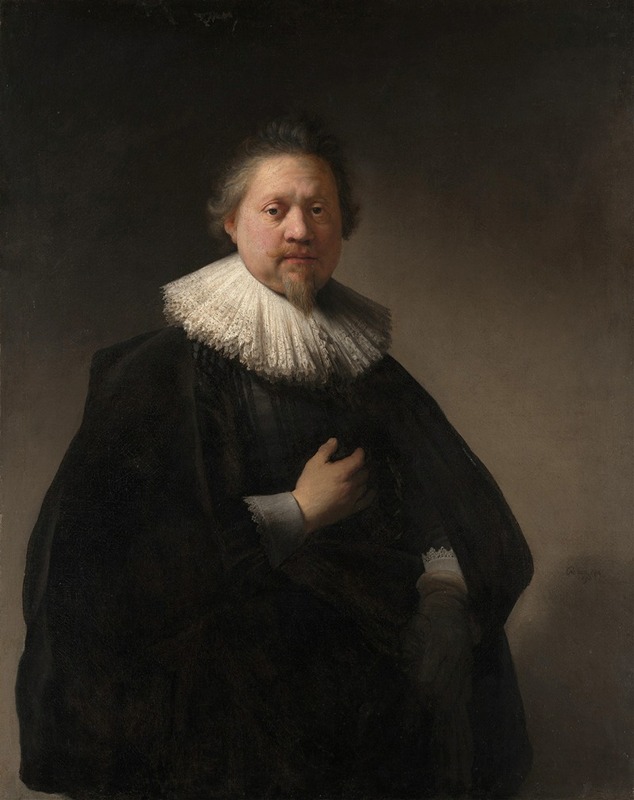
Portrait of a Man
Rembrandt van Rijn
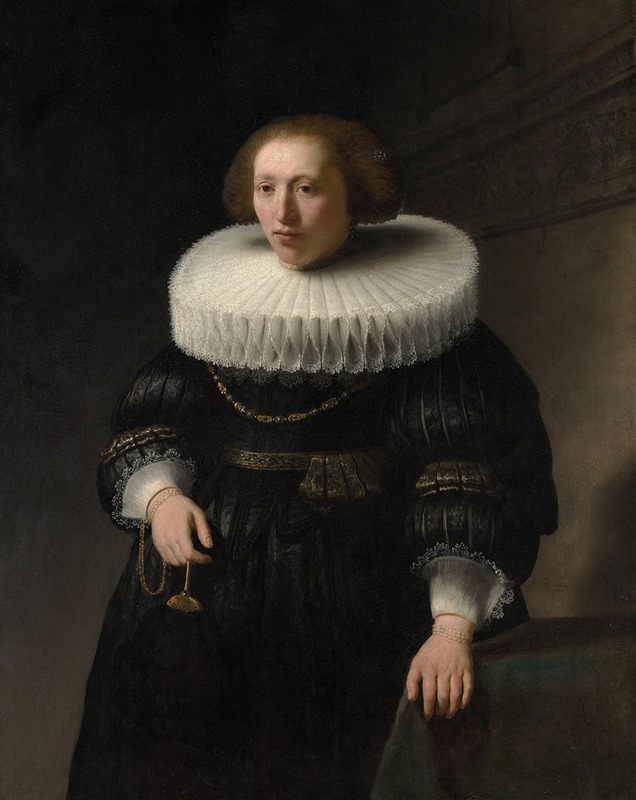
Portrait of a Woman
Rembrandt van Rijn
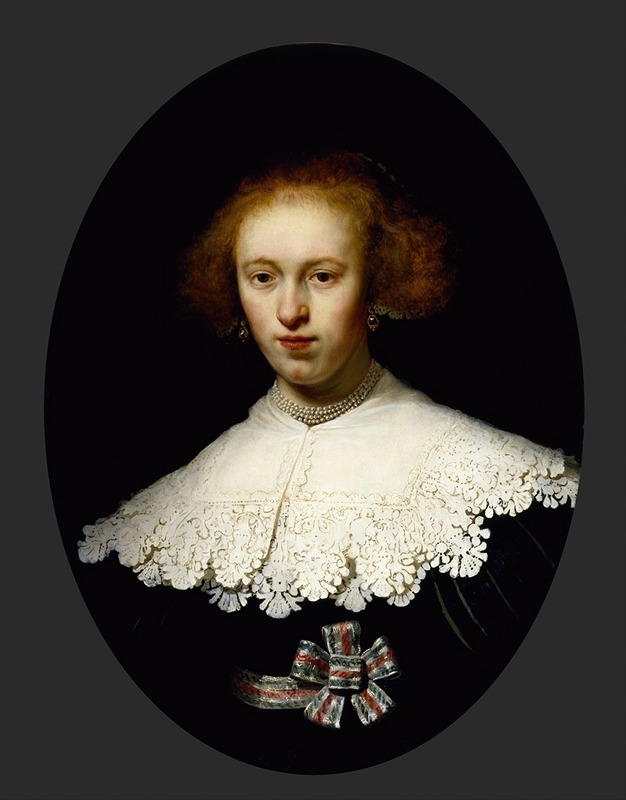
Portrait of a Young Woman
Rembrandt van Rijn
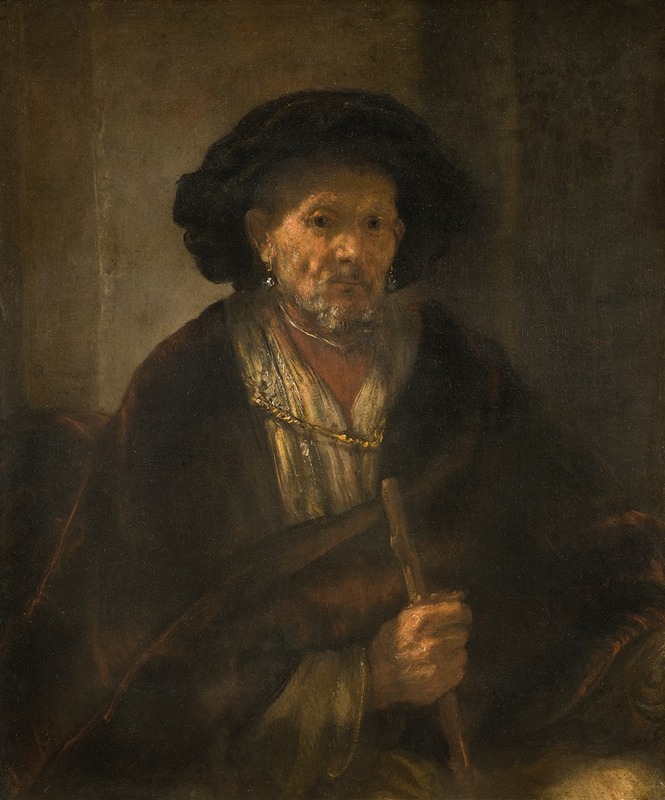
Portrait of an Old Man
Rembrandt van Rijn
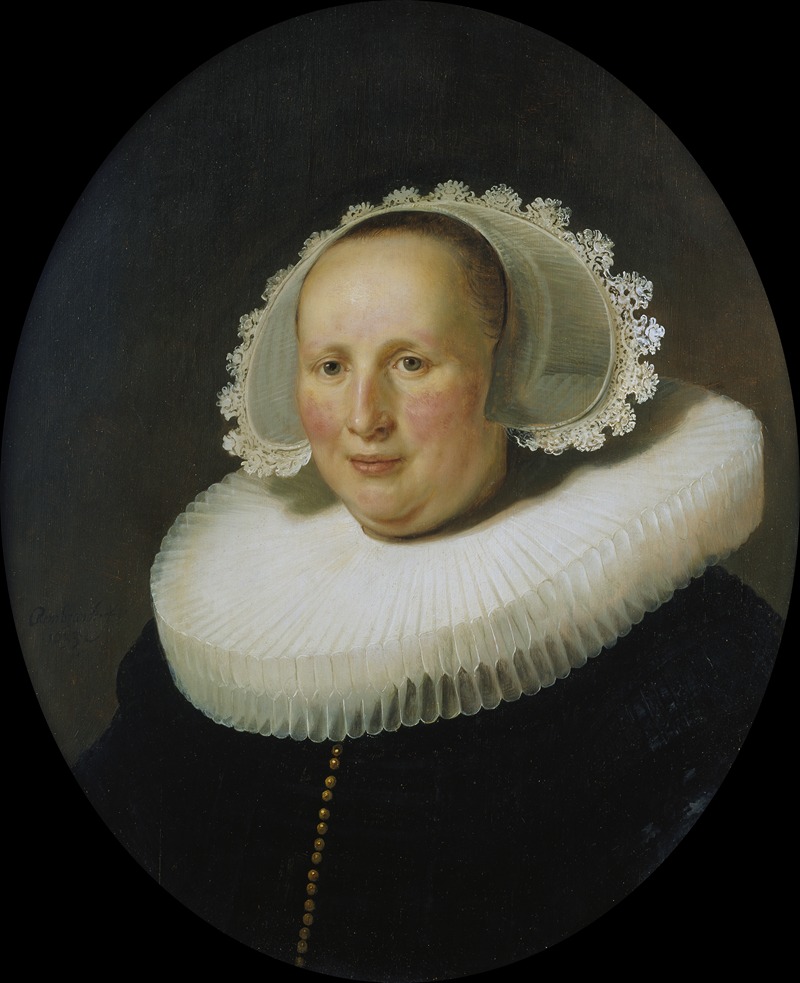
Portrait of Maertgen van Bilderbeecq
Rembrandt van Rijn
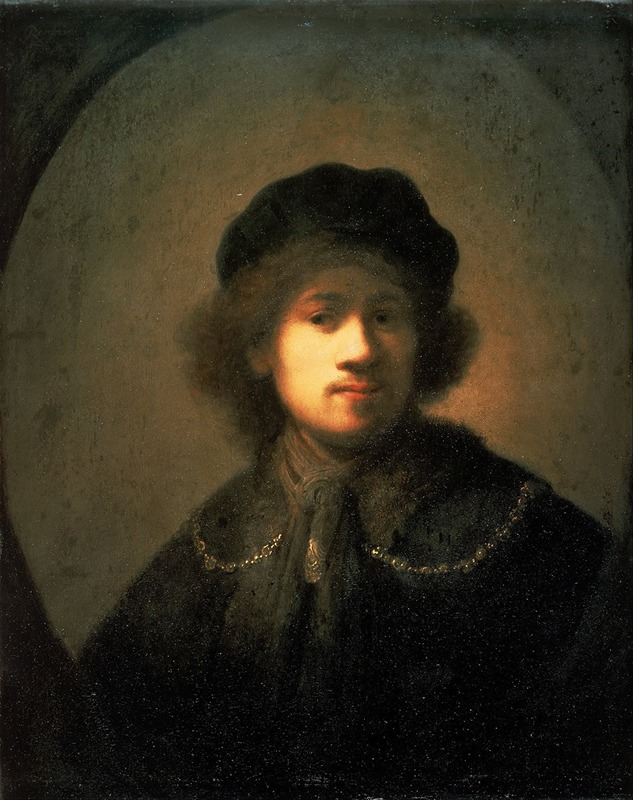
Portrait of the Artist as a Young Man
Rembrandt van Rijn