Discover insights about this artwork
The Three Skulls — History & Facts
In The Three Skulls, Paul Cézanne presents a striking composition featuring three skulls. The colors are muted yet rich, with earthy tones dominating the palette. The skulls are arranged in a way that draws the viewer's eye, creating a sense of depth and intrigue.
The background is simple, allowing the skulls to take center stage. The painting is executed in oil on canvas, a medium that allows for the subtle blending of colors. Cézanne's brushwork is visible, with thick strokes that add texture to the surface. The arrangement of the skulls suggests a careful consideration of form and balance.
This work exemplifies Cézanne's departure from traditional still life, focusing on structure and geometry. Paul Cézanne was a pivotal figure in the transition from 19th-century Impressionism to 20th-century Modernism. The Three Skulls reflects his fascination with the interplay of light and form. Interestingly, this work was part of a series where Cézanne explored the theme of mortality through still life.
His innovative approach has influenced countless artists in the years since.
More Artworks by Paul Cézanne
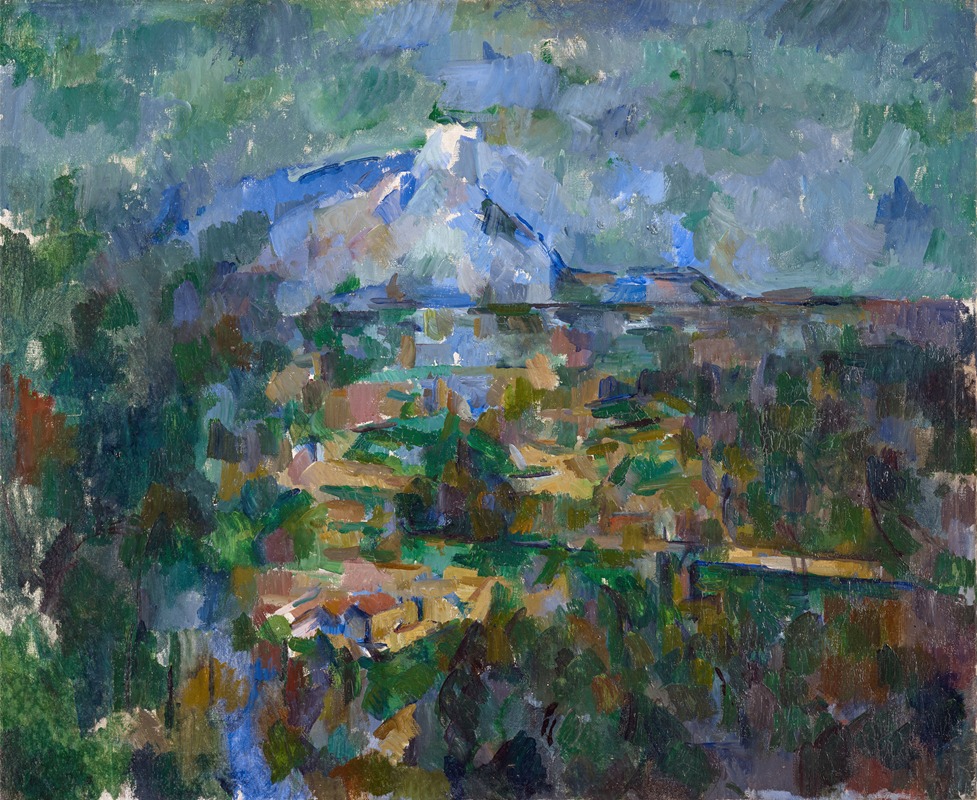
The Mont Sainte-Victoire Seen From Les Lauves
Paul Cézanne
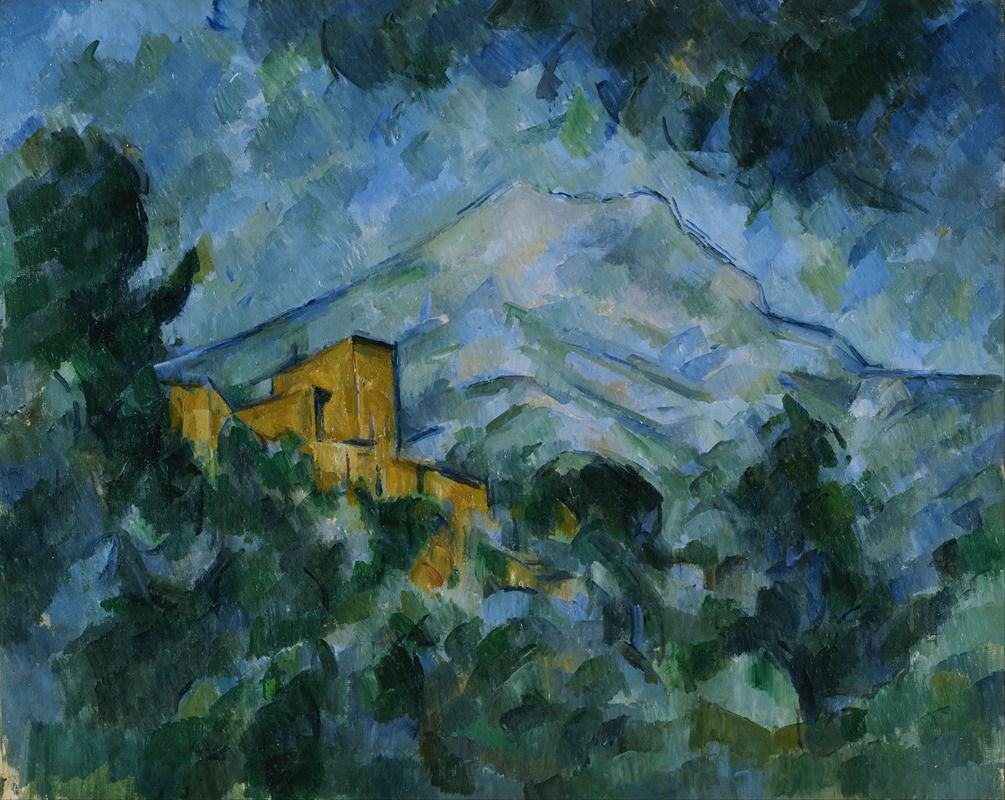
Mont Sainte-Victoire and Château Noir
Paul Cézanne
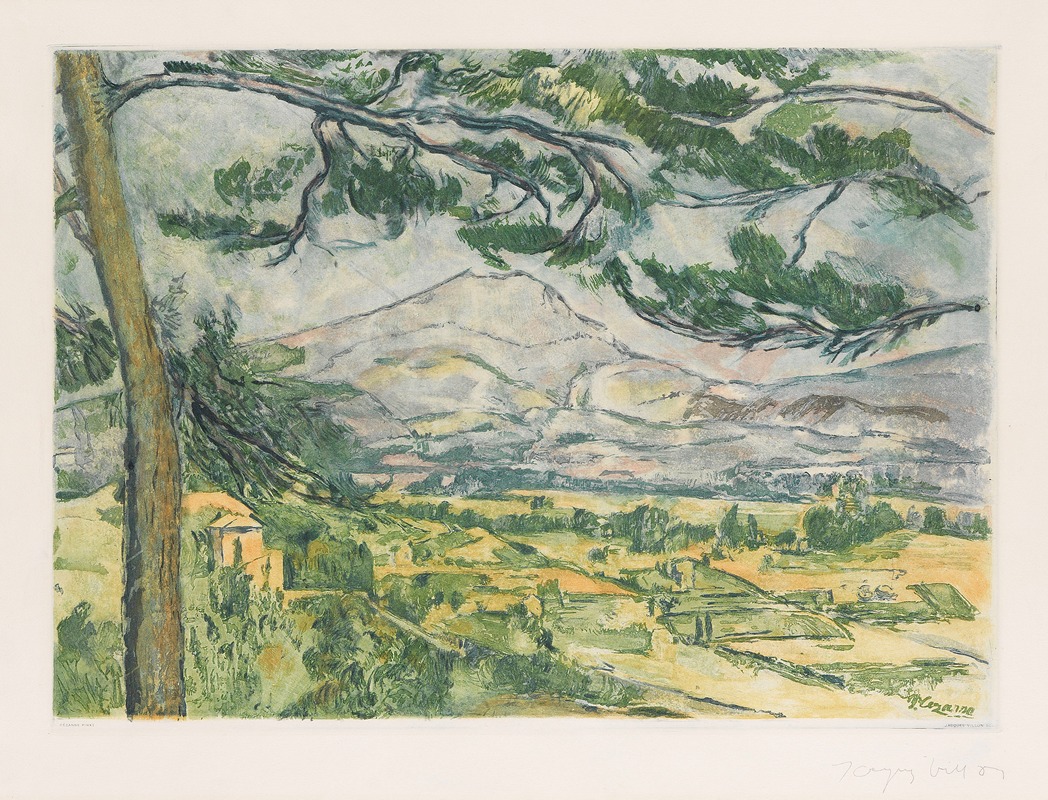
La Montagne Sainte-Victoire
Paul Cézanne
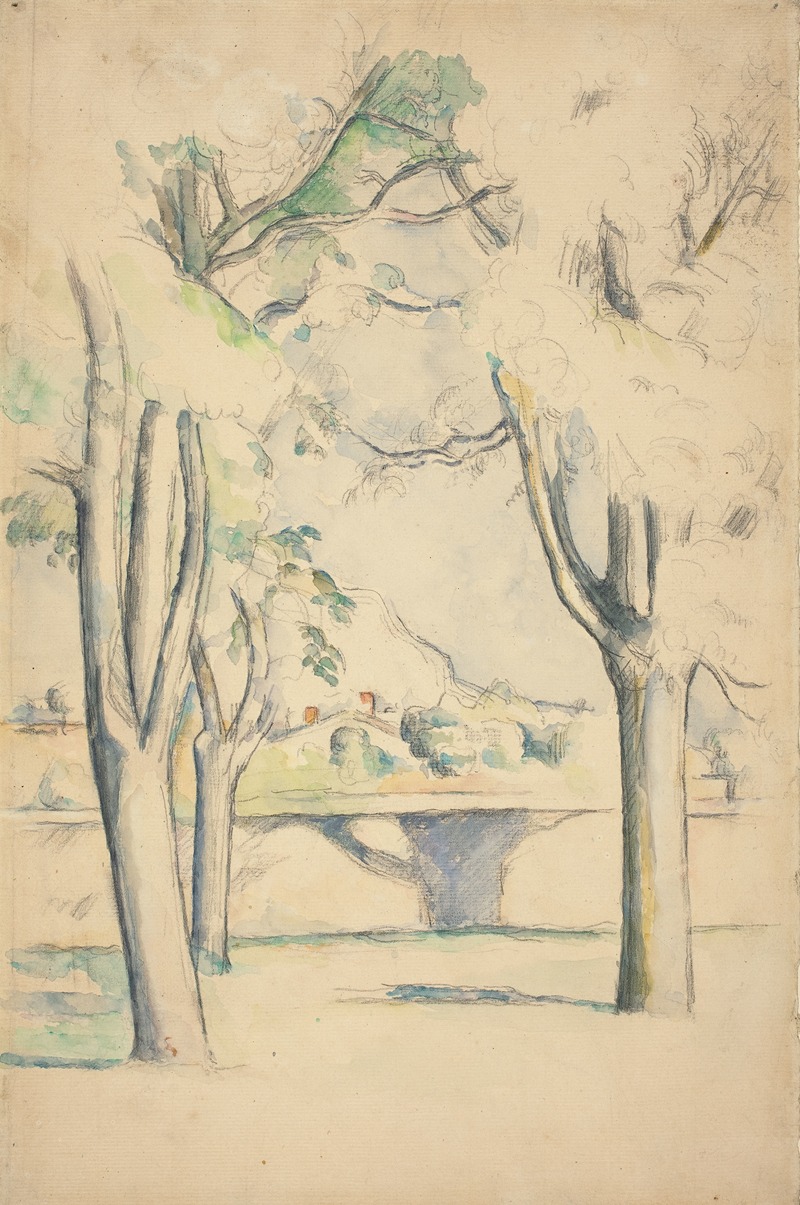
Mont Sainte-Victoire Seen beyond the Wall of the Jas de Bouffan
Paul Cézanne
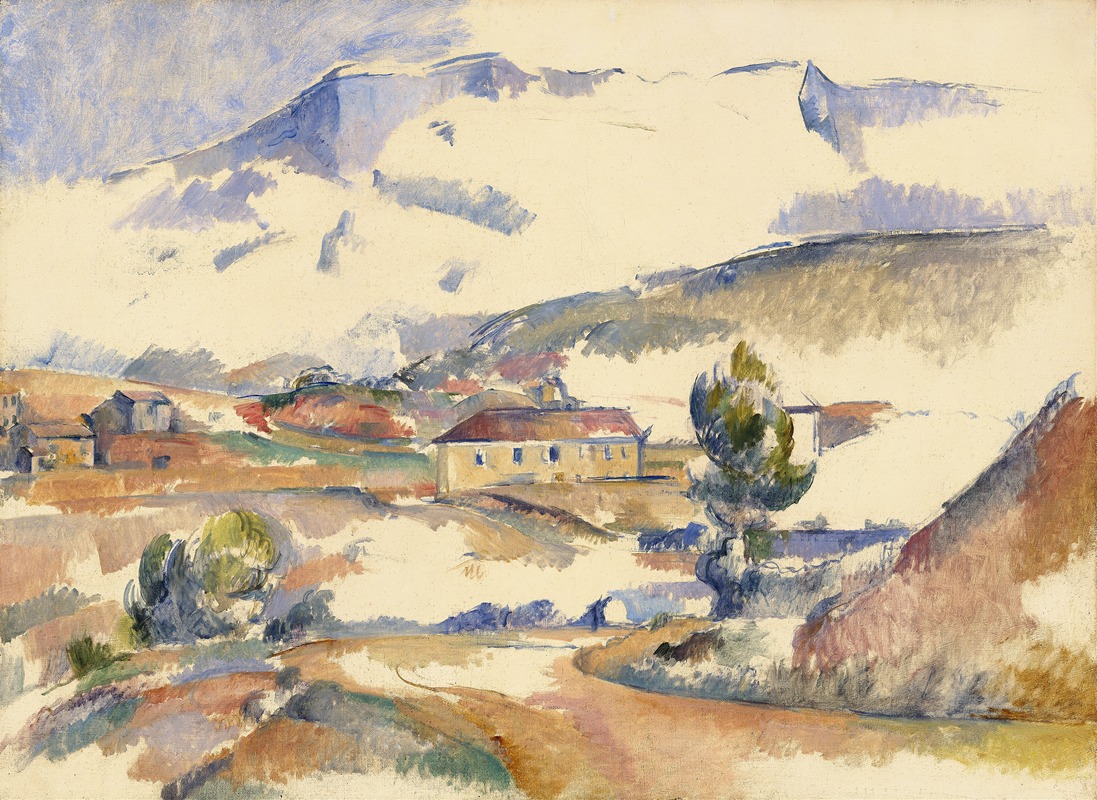
Montagne Sainte-Victoire,from near Gardanne
Paul Cézanne
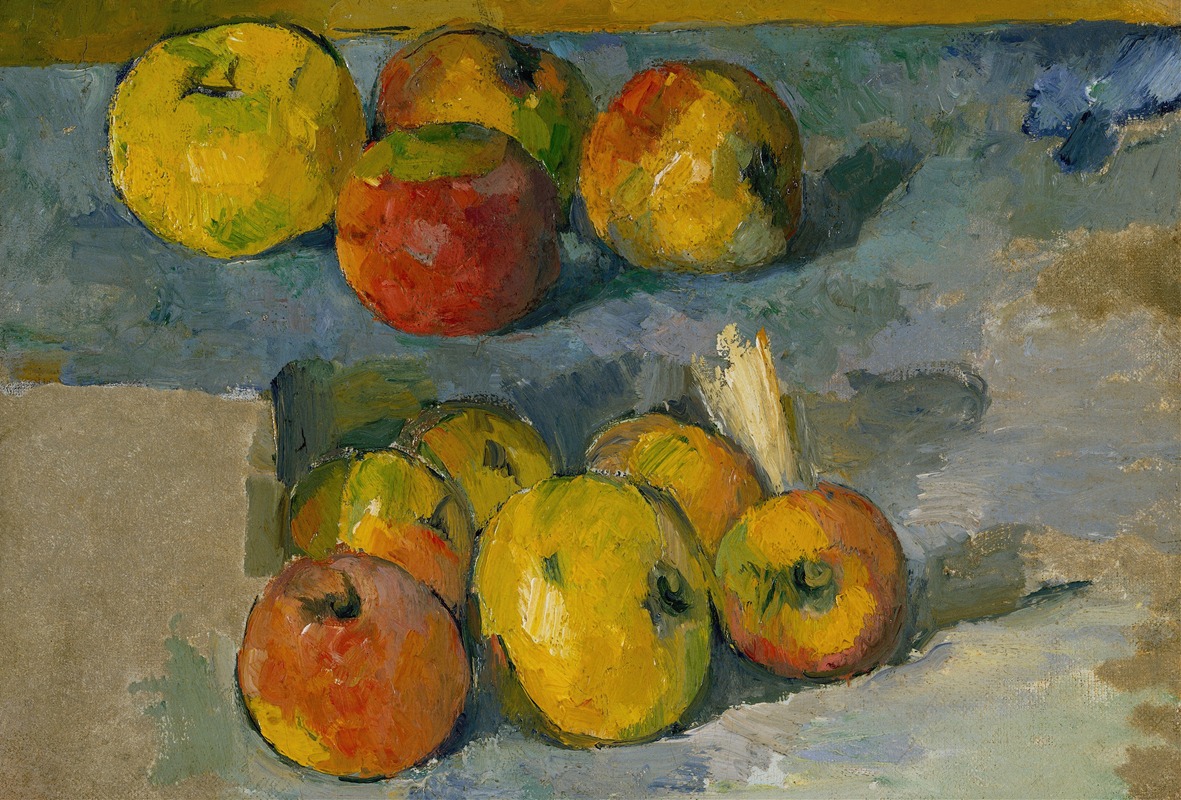
Apples
Paul Cézanne
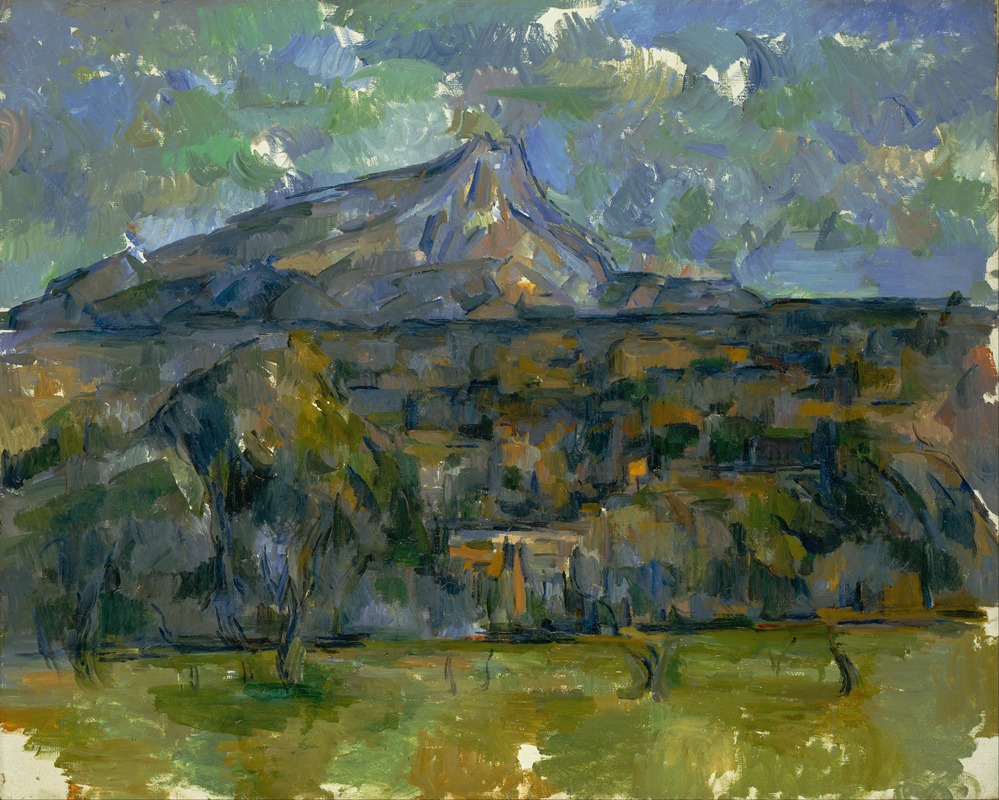
Mont Sainte-Victoire
Paul Cézanne
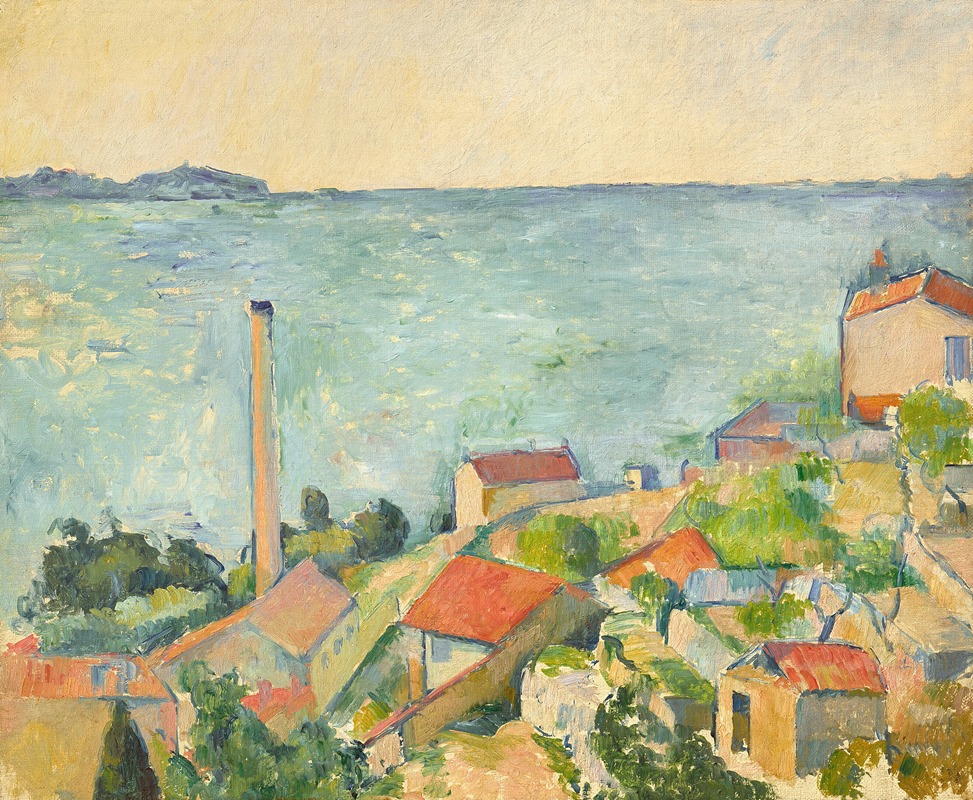
La mer à l’Estaque
Paul Cézanne
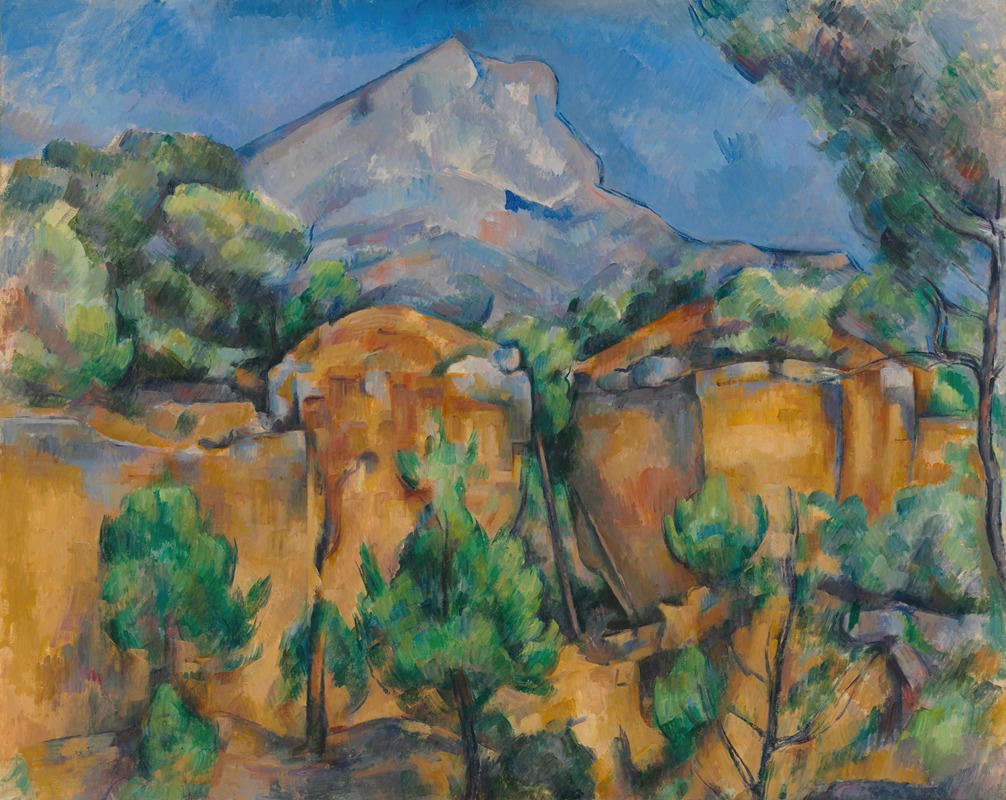
La Montagne Sainte-Victoire vue de la carrière Bibémus
Paul Cézanne
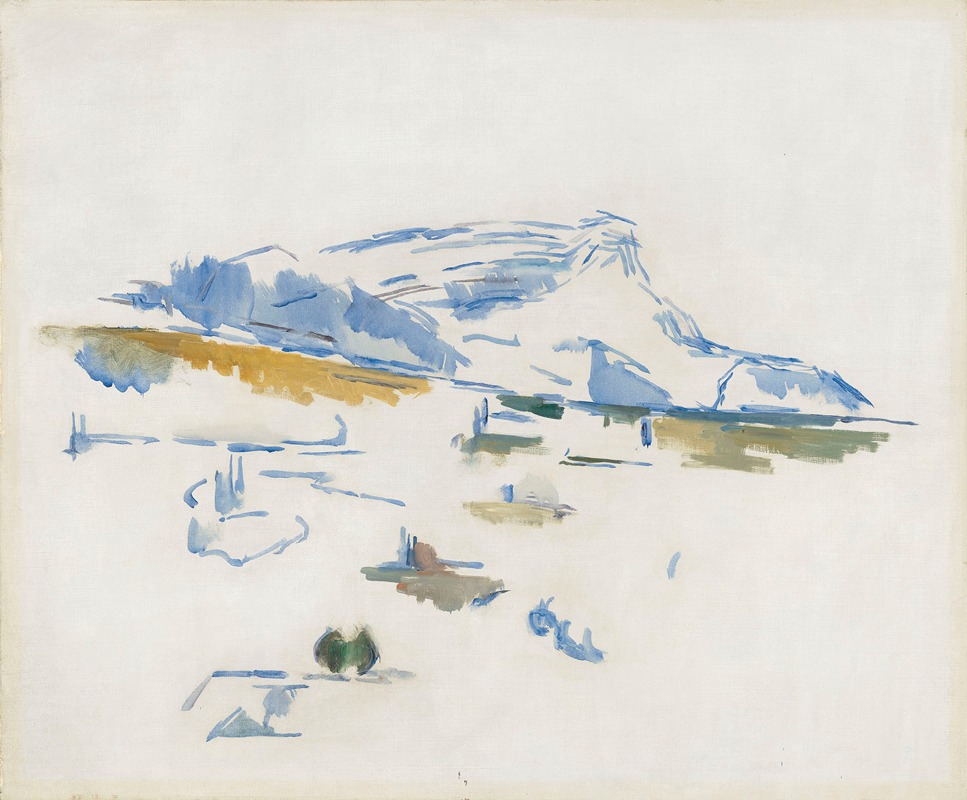
La Montagne Sainte-Victoire vue des Lauves
Paul Cézanne