
The Torre d’ Oro at Seville — History & Facts
Where does light end, and longing begin? In the delicate interplay of hue and shadow, the canvas breathes with a nostalgia that tugs at the heart, inviting contemplation of what has been lost. Focus first on the imposing Torre d’Oro, rising majestically against the softened backdrop of a dusky sky. The artist's brush has imbued the structure with a warm, golden glow, creating a striking contrast with the cooler tones of the surrounding water and earth. Notice how the reflections ripple gently in the river, a mirror to both the tower and the ephemeral nature of time.
The meticulous detailing of the architecture, combined with the atmospheric perspective, draws the viewer’s gaze deeper into the scene, encouraging a lingering appreciation of this historic monument. In its stillness, the painting conveys more than just a physical landscape; it whispers of memory and loss. The muted palette evokes a sense of yearning, suggesting a longing for a past that is forever just out of reach. The Torre d’Oro stands not merely as a landmark, but as a symbol of the weight of history and personal grief, reflecting the artist's internal conflicts and the emotional resonance of a once-vibrant era now faded. Charles Hamilton Smith created this evocative piece during a time when he was deeply engaged with the Romantic movement in the early 19th century.
Little is documented about the exact moment it was painted, but it is clear that the turbulent tides of change in Europe—political upheaval and shifts in artistic expression—had a profound influence on his work. This painting encapsulates both the beauty and sorrow of fleeting moments, serving as a poignant testament to the artist’s reflections on beauty, time, and loss.
More Artworks by Charles Hamilton Smith
Browse all →
Situation of H.M.S. Hecla & Griper
Charles Hamilton Smith
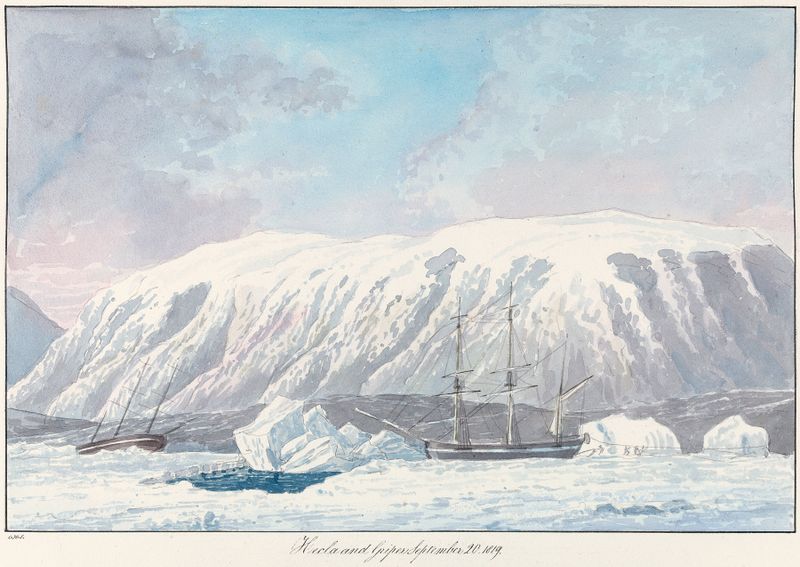
Hecla and Griper
Charles Hamilton Smith

Friendly Cove, Nootka Sound
Charles Hamilton Smith

Iceberg in Baffin’s Bay
Charles Hamilton Smith
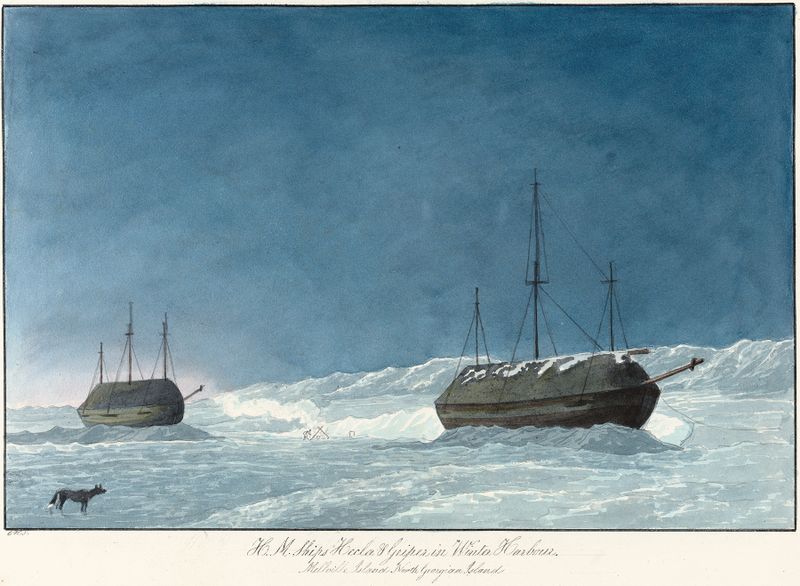
H. M. Ships Hecla and Griper in Winter Harbour
Charles Hamilton Smith

The Erebus & Terror in a Gale in the Pack of the Ice
Charles Hamilton Smith
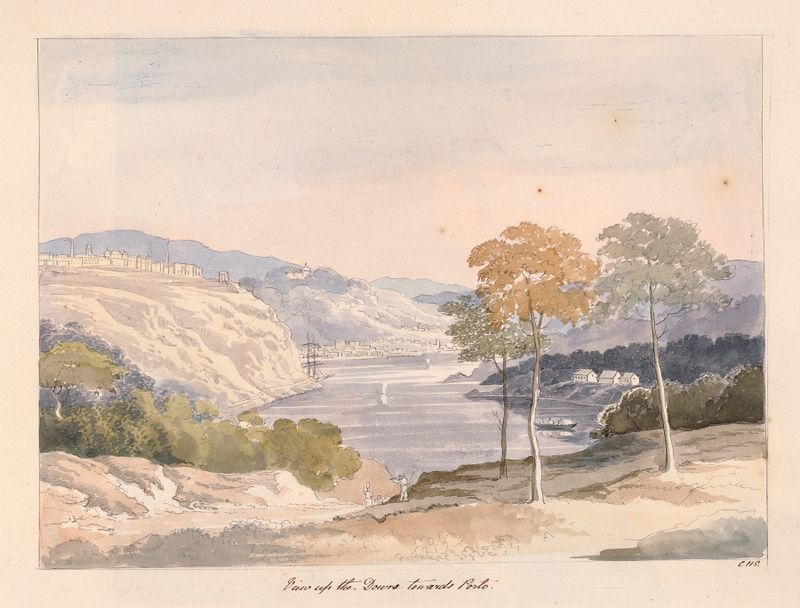
View of the Douro towards Porto
Charles Hamilton Smith
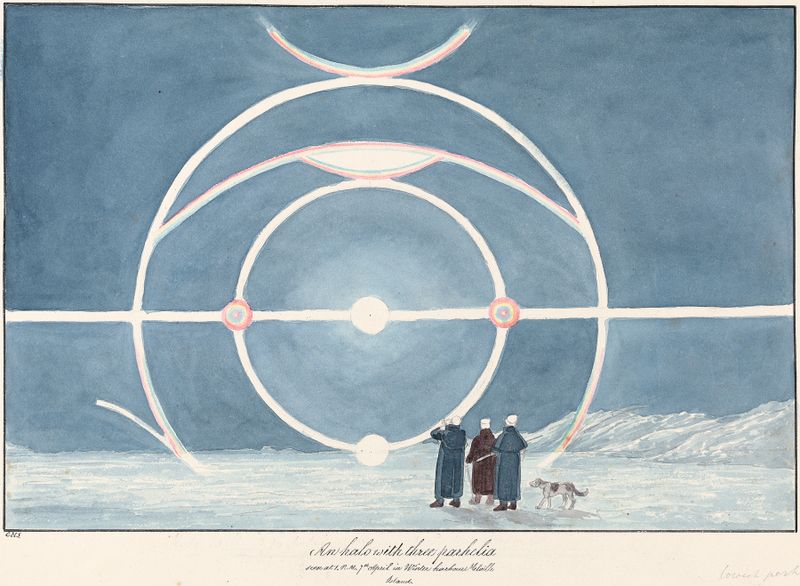
Halo with Three Parhelia, Winter Harbour Melville Island
Charles Hamilton Smith
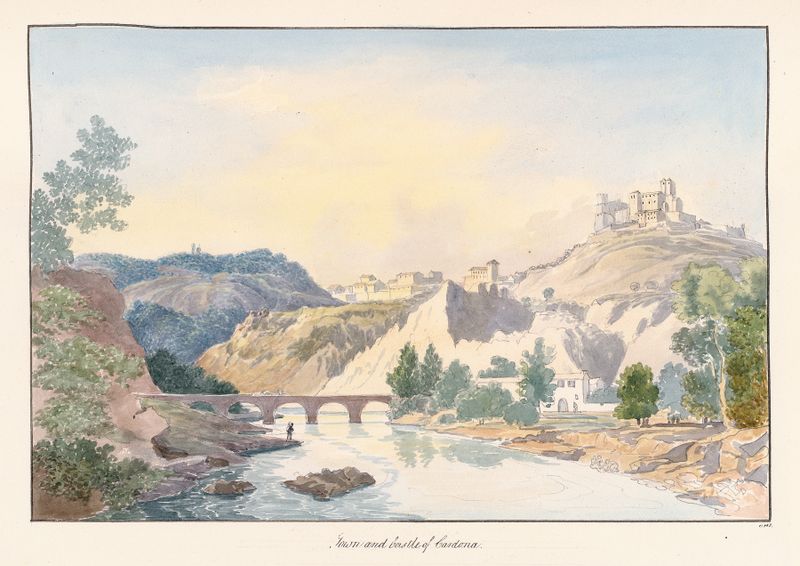
Town and Castle of Cardona
Charles Hamilton Smith
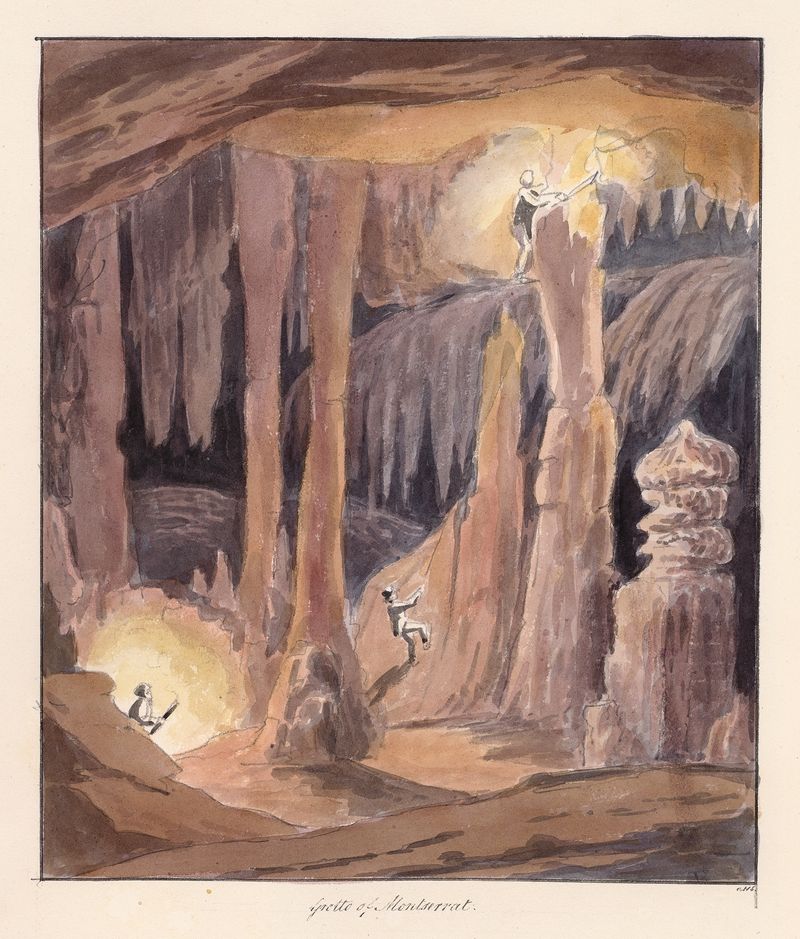
Grotto of Montserrat
Charles Hamilton Smith
More Architecture Art
Browse all →
The statue of Liberty
Frédéric Auguste Bartholdi

View of Houses in Delft, Known as ‘The Little Street’
Johannes Vermeer

View of Houses in Delft, Known as ‘The Little Street’
Johannes Vermeer

The Cathedral in Rouen. The portal, Grey Weather
Claude Monet

The yellow house
Vincent van Gogh

The Church in Auvers-sur-Oise, View from the Chevet
Vincent van Gogh