
The Trappers’ Camp — History & Facts
When did color learn to lie? In The Trappers’ Camp, a fleeting moment invites us to ponder the isolating vastness of nature and the solitude of human existence. Look to the center of the canvas, where a small, weathered camp emerges amidst an overwhelming expanse of wilderness. The muted tones of blues and grays envelop the scene, while the flicker of warm firelight draws the eye, juxtaposing the cold reality of the surrounding landscape. Notice how the dark, looming trees frame the encampment, their branches reaching out like fingers, both protective and suffocating.
The artist’s brushwork creates a delicate balance between stillness and tension, encouraging viewers to reflect on the fragility of human endeavor in the face of nature’s grandeur. Delve deeper into the minor figures huddled beneath the expansive sky. Their expressions, though hard to decipher, echo a profound loneliness, a struggle against the relentless wilderness. The fire's glow casts long shadows, emphasizing the stark contrasts of light and dark—hope flickering amidst despair.
The vast mountains in the background loom, suggesting the insignificance of man in a world that continues, indifferent to individual struggles. This tension between camaraderie and isolation encapsulates a universal human experience. In 1861, Bierstadt painted this work during a time when the American West was still largely an uncharted frontier. His travels across the Rockies had inspired him, capturing not just landscapes, but the essence of the American spirit.
This period was marked by a growing fascination with the wilderness, as well as the tension of a nation on the cusp of conflict. The art world was shifting, too, as artists began to explore themes beyond mere beauty, reflecting deeper emotional truths—an endeavor Bierstadt embraced wholeheartedly.
More Artworks by Albert Bierstadt
Browse all →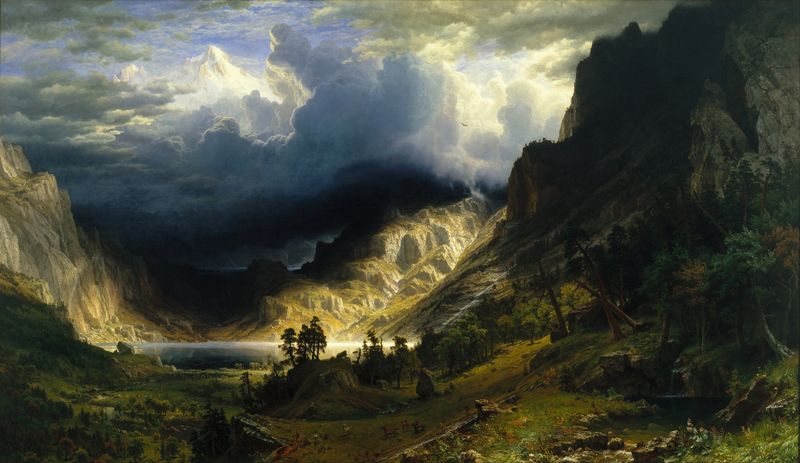
A Storm in the Rocky Mountains, Mt. Rosalie
Albert Bierstadt
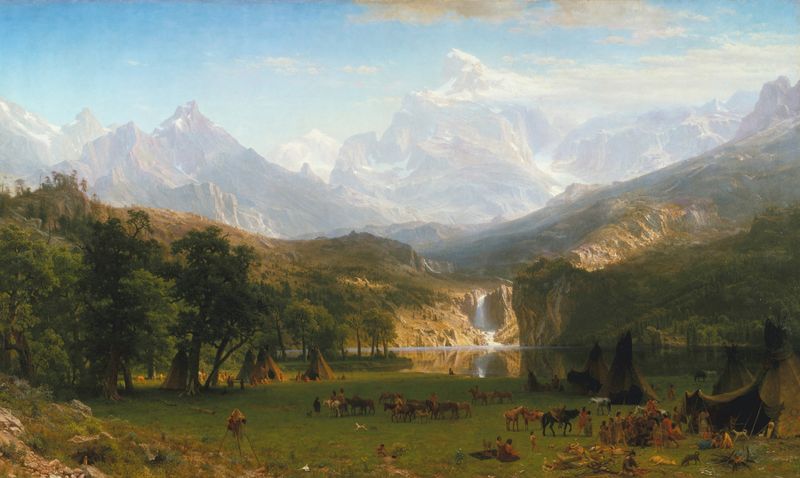
The Rocky Mountains, Lander’s Peak
Albert Bierstadt
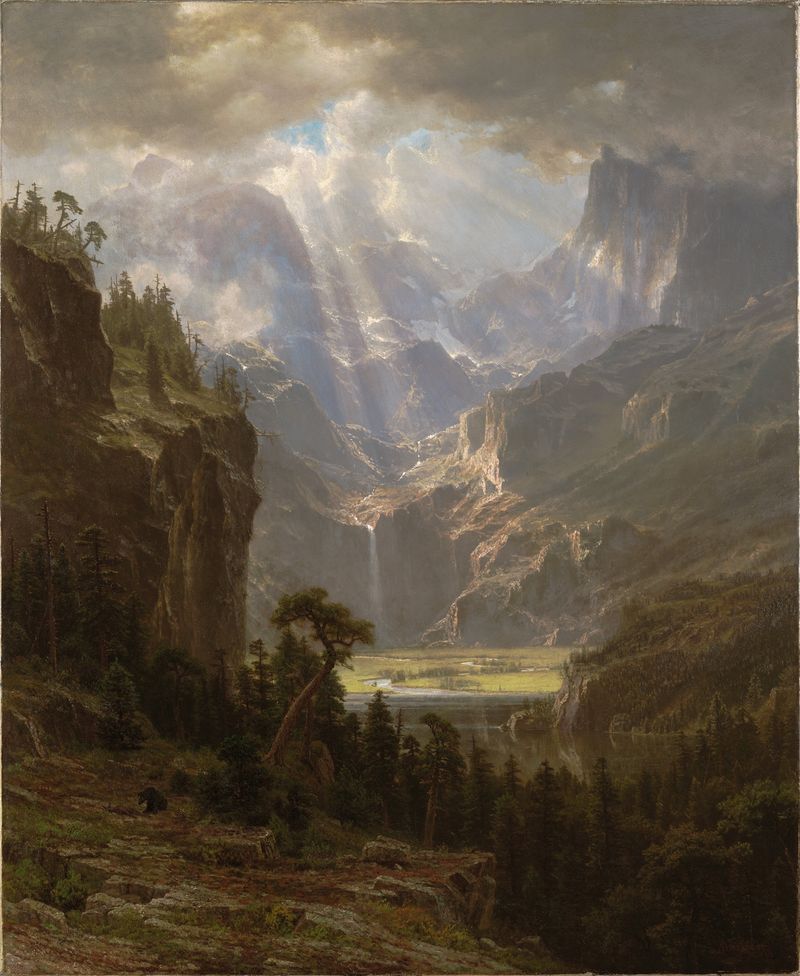
Rocky Mountains, Lander’s Peak
Albert Bierstadt
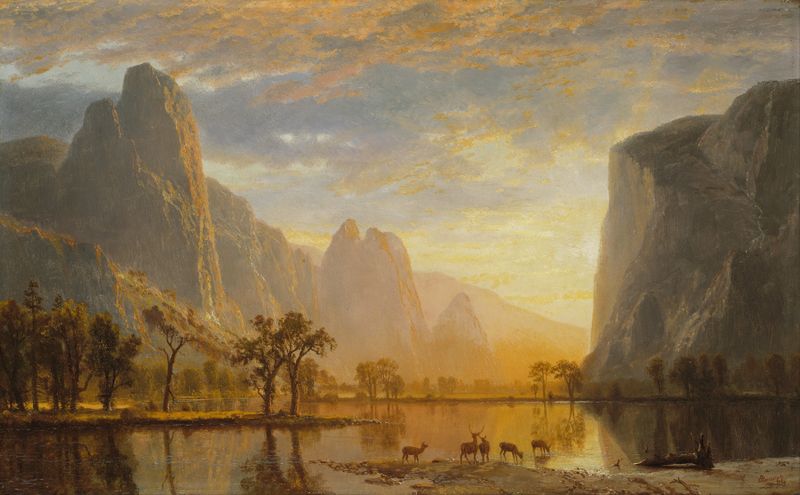
Valley of the Yosemite
Albert Bierstadt
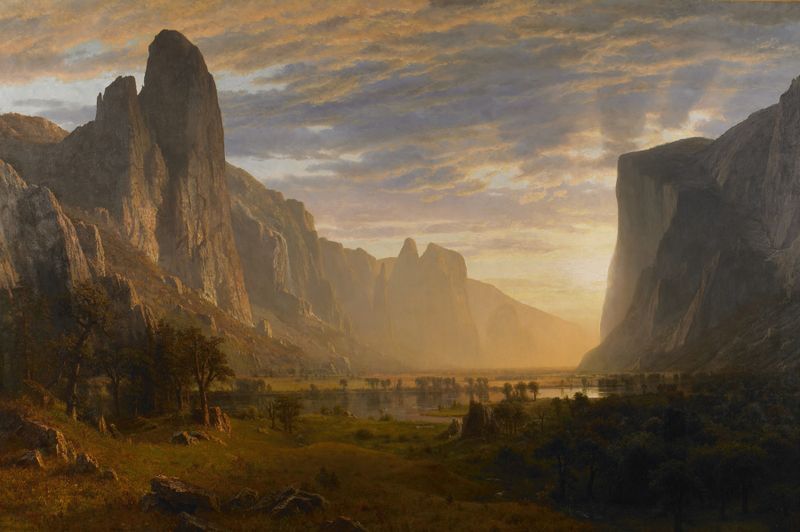
Looking Down Yosemite Valley, California
Albert Bierstadt
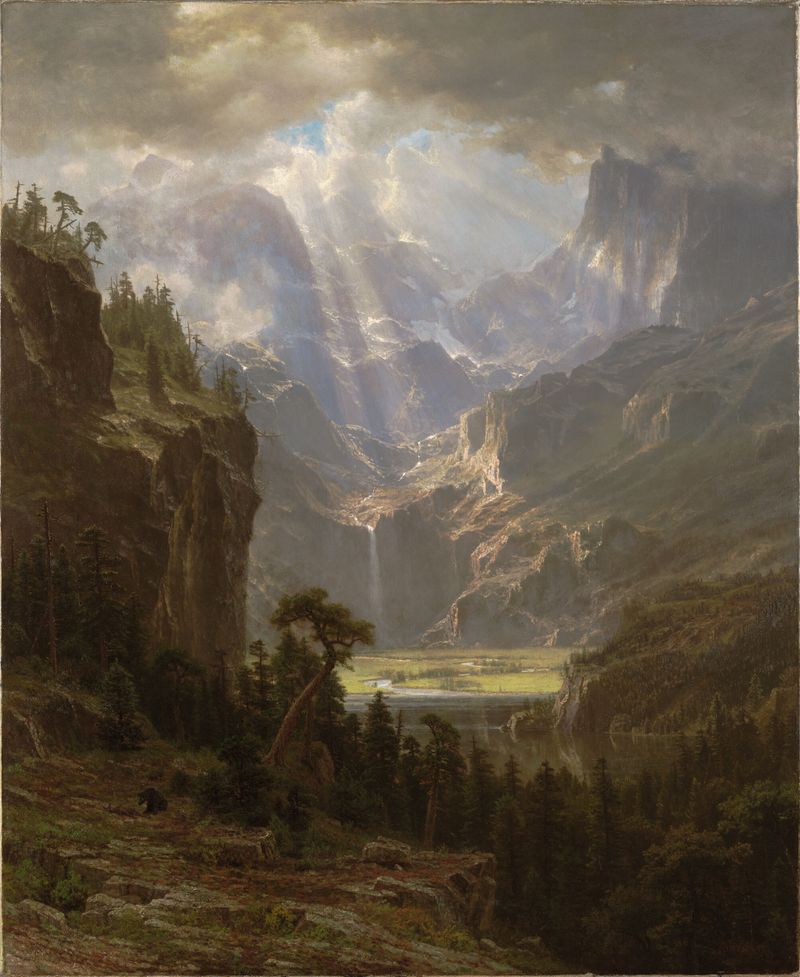
Rocky Mountains, "Lander's Peak"
Albert Bierstadt
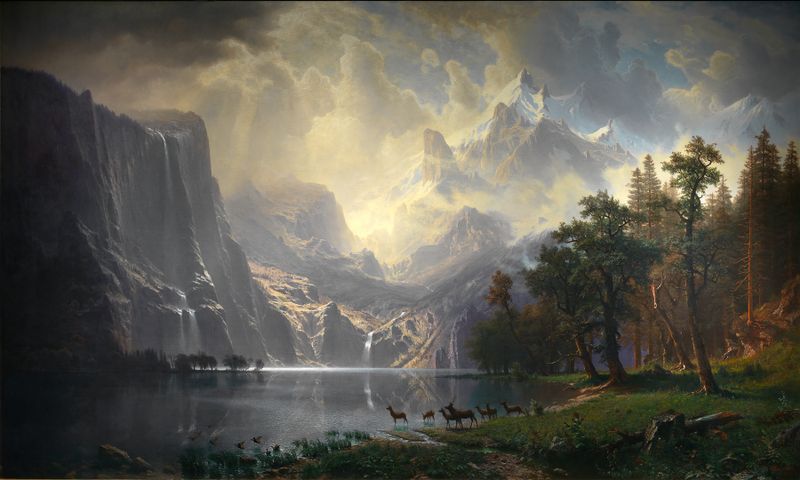
Among the Sierra Nevada, California
Albert Bierstadt
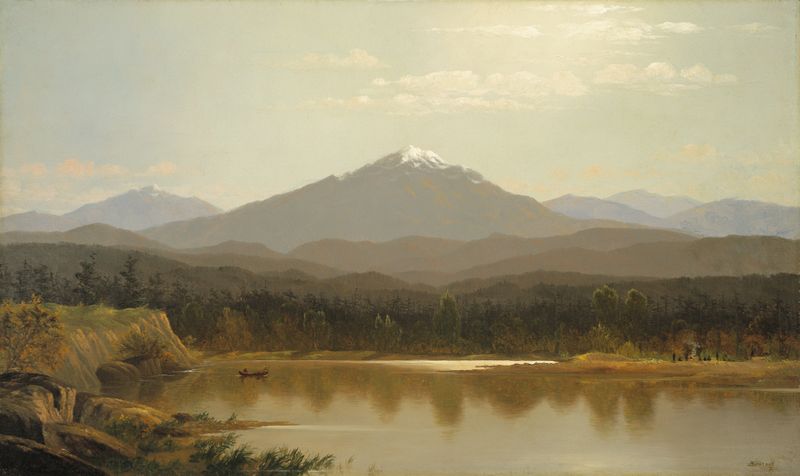
Laramie Peak
Albert Bierstadt
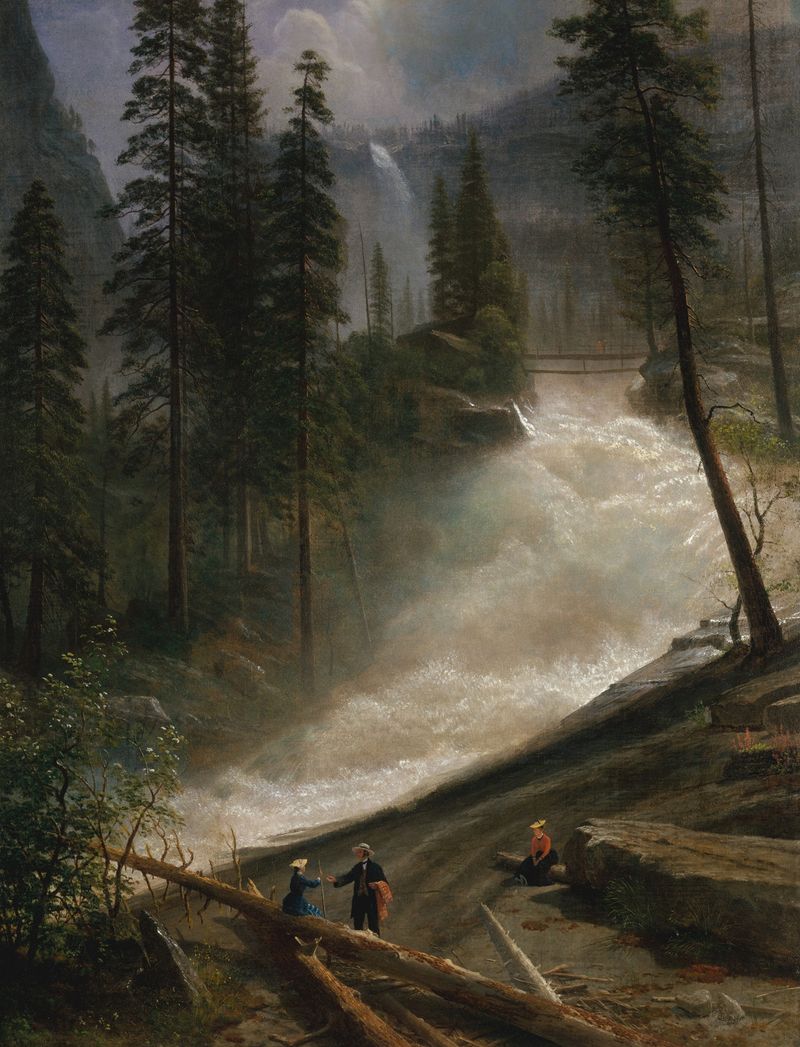
Nevada Falls, Yosemite
Albert Bierstadt
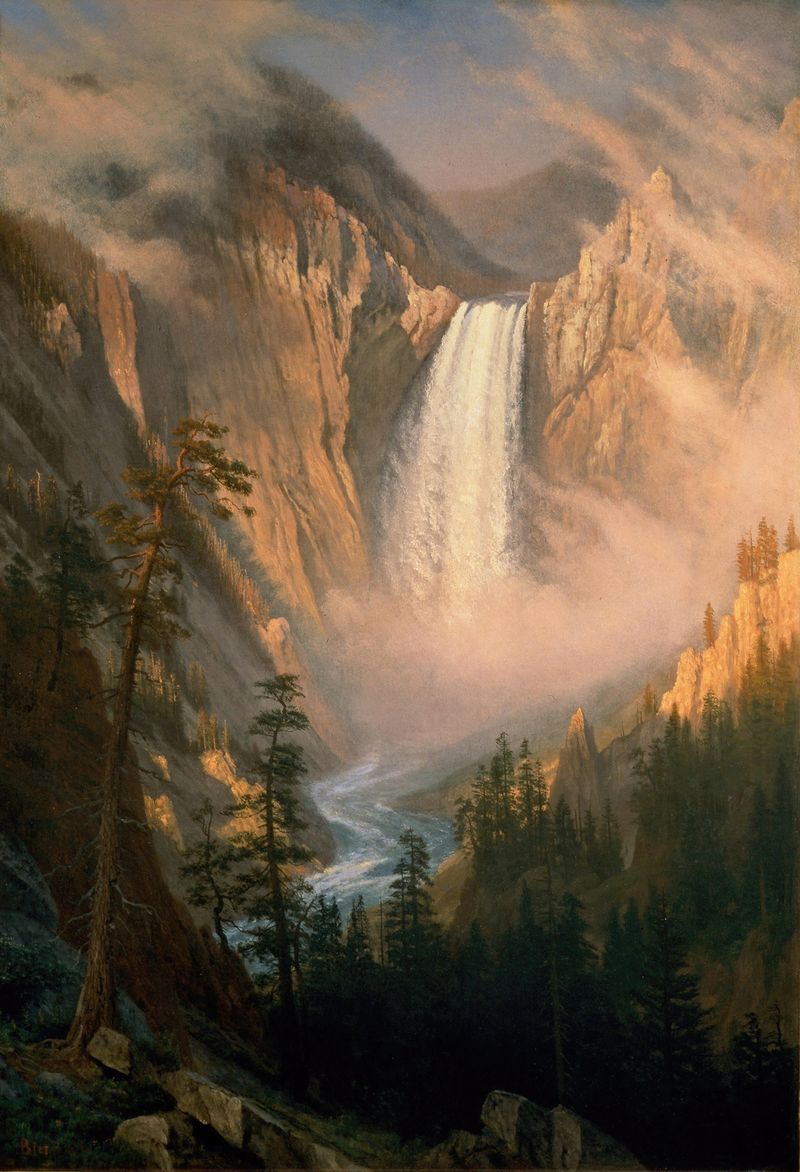
Yellowstone Falls
Albert Bierstadt





