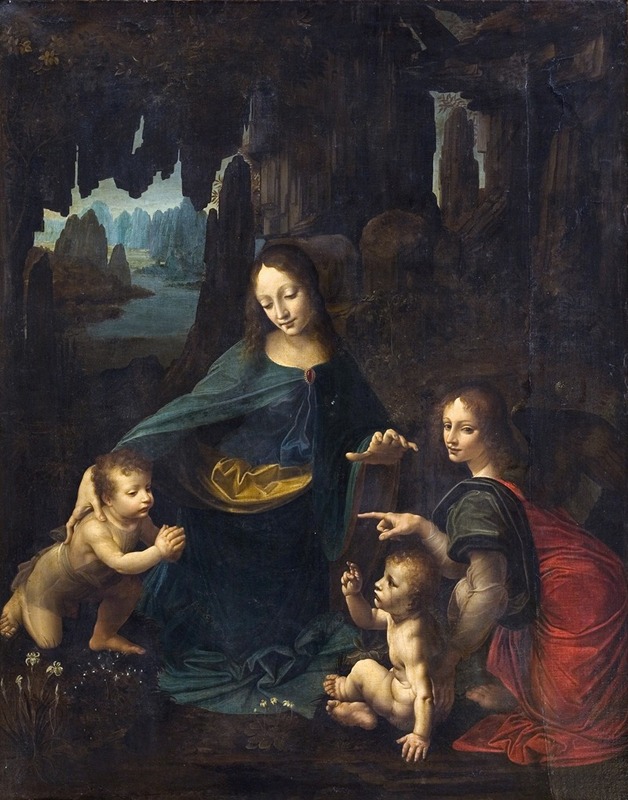
Discover insights about this artwork
The Tribute Money — History & Facts
In The Tribute Money, Rembrandt van Rijn presents a vibrant scene filled with rich colors and dramatic contrasts. The figures are depicted in a moment of interaction, with Christ at the center, surrounded by his disciples. The setting is a blend of natural and architectural elements, enhancing the narrative.
The use of light and shadow creates a dynamic atmosphere, drawing the viewer's eye to the central figures. The painting is executed in oil on canvas, a common medium for Rembrandt during the Dutch Golden Age. The dimensions are approximately 130 x 160 cm, allowing for detailed expressions and textures. Viewers can observe the intricate brushwork that brings depth to the characters and their surroundings.
The composition is carefully arranged to guide the viewer's gaze through the scene. Rembrandt created The Tribute Money around c. 1629, during a prolific period of his career. This work reflects his interest in biblical themes and the human condition.
An interesting fact about this painting is that it showcases Rembrandt's innovative use of light, which became a hallmark of his style. The painting is now housed in the Rijksmuseum, where it continues to attract art lovers and scholars alike.
More Artworks by Rembrandt van Rijn
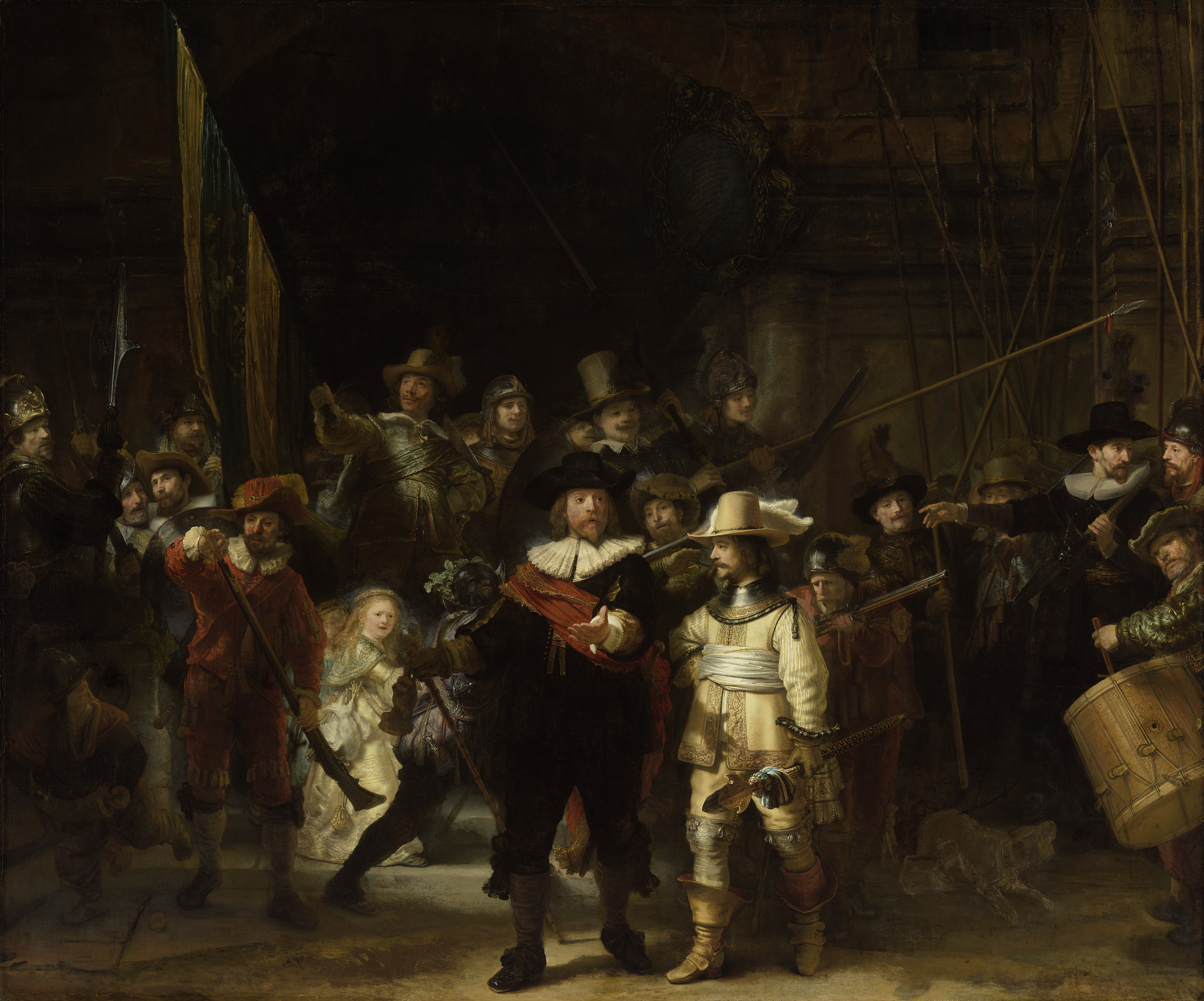
The Night Watch Militia Company of District II under the Command of Captain Frans Banninck Cocq
Rembrandt van Rijn
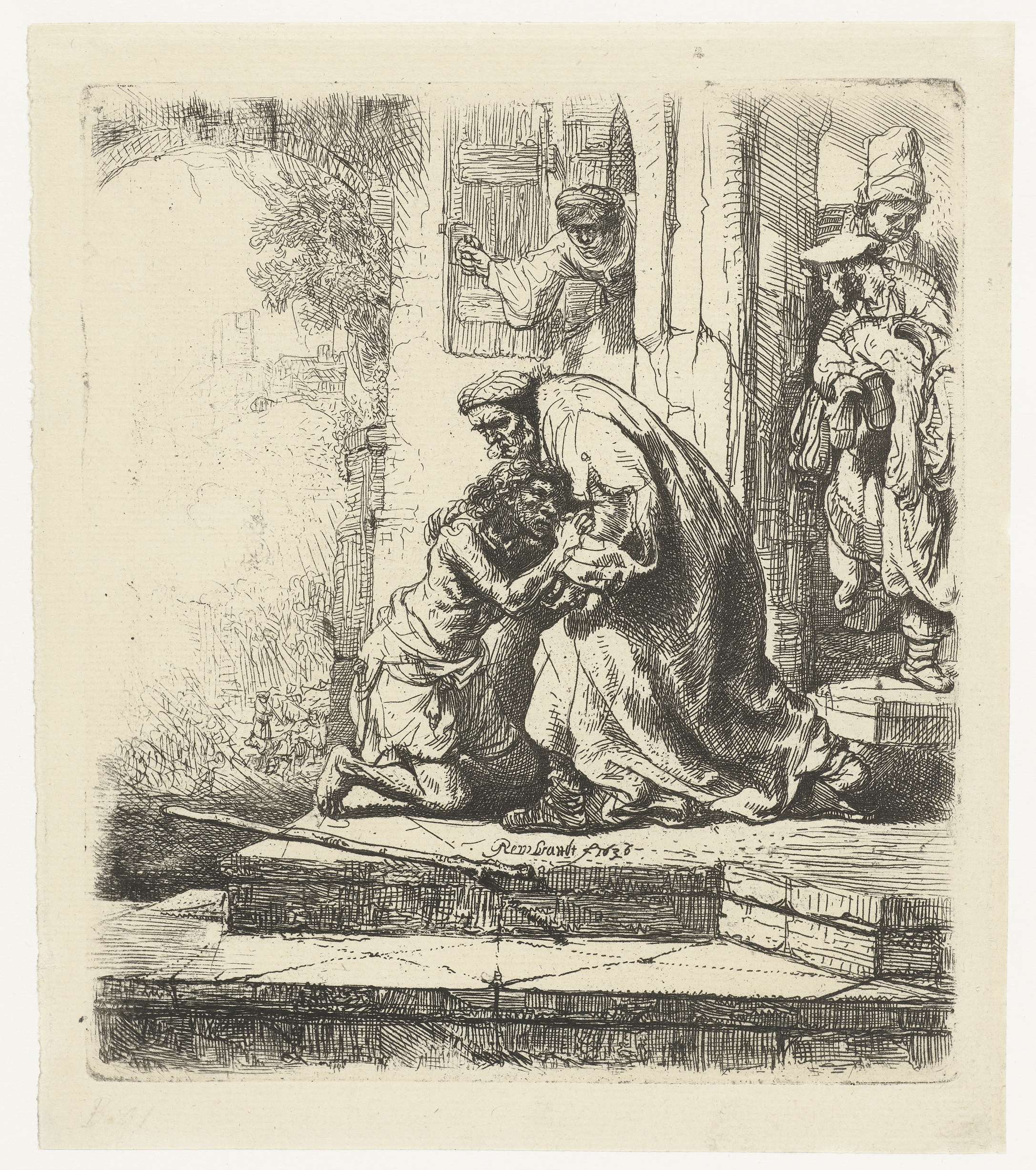
The Return of the Prodigal Son
Rembrandt van Rijn
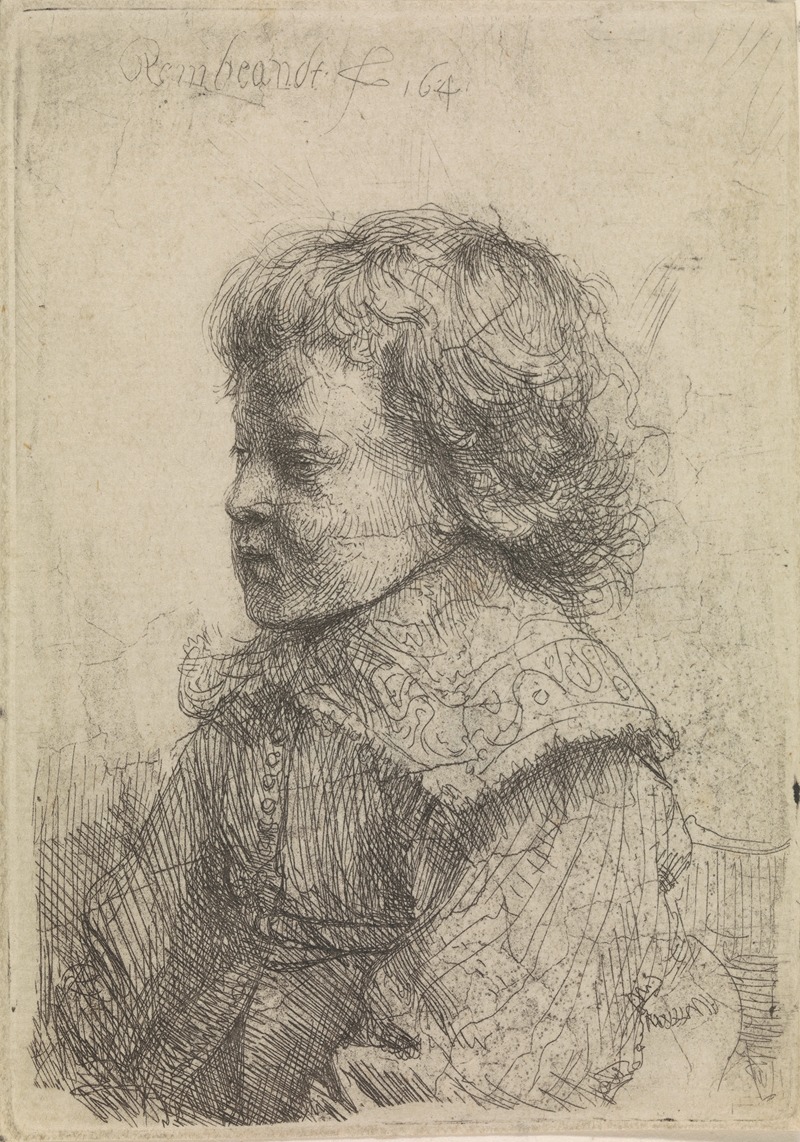
Portrait of a boy in profile
Rembrandt van Rijn
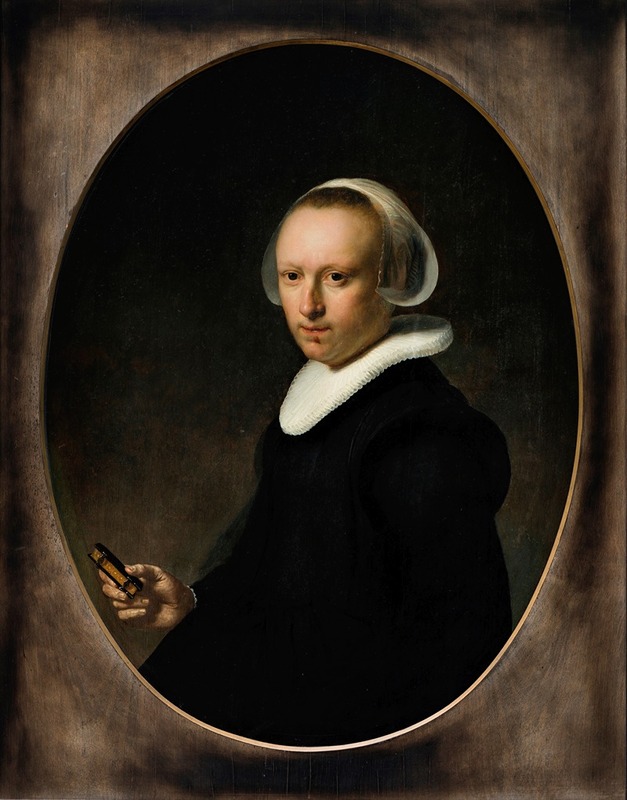
Portrait of a 39-year-old Woman
Rembrandt van Rijn
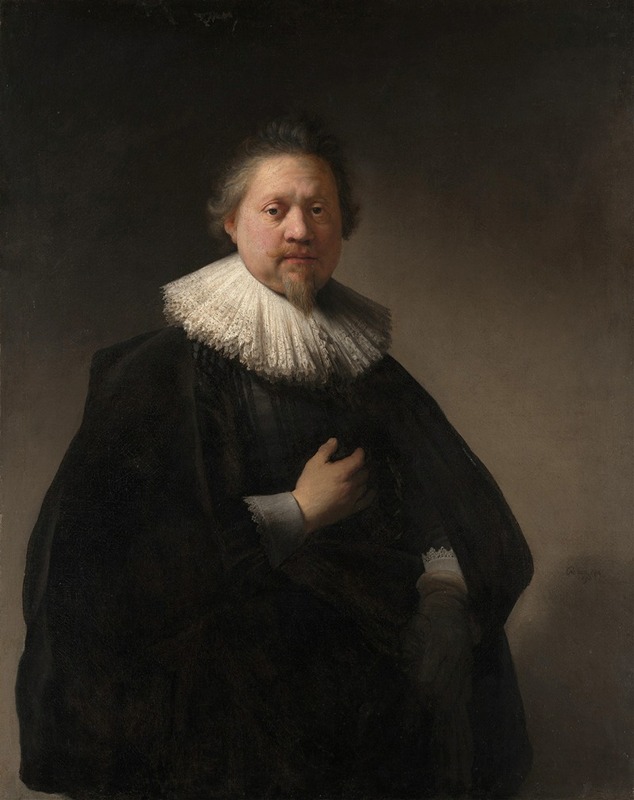
Portrait of a Man
Rembrandt van Rijn
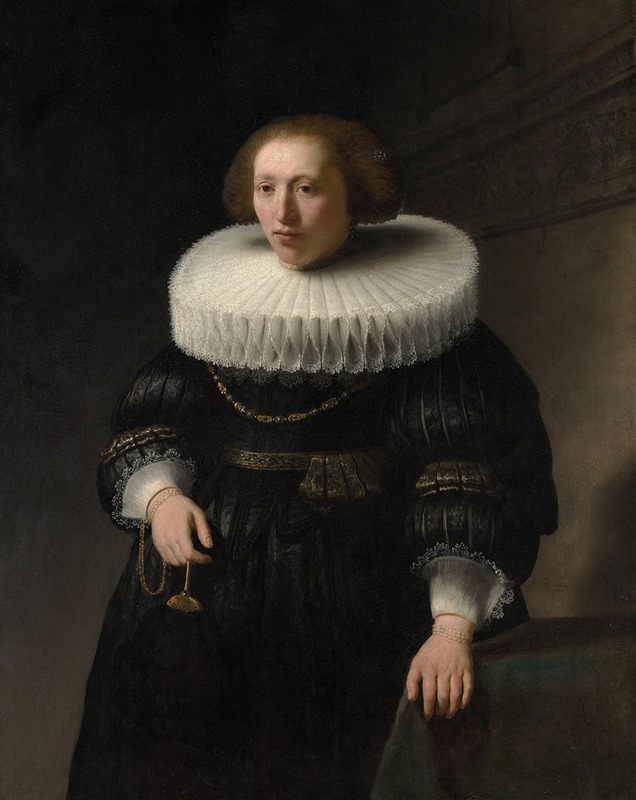
Portrait of a Woman
Rembrandt van Rijn
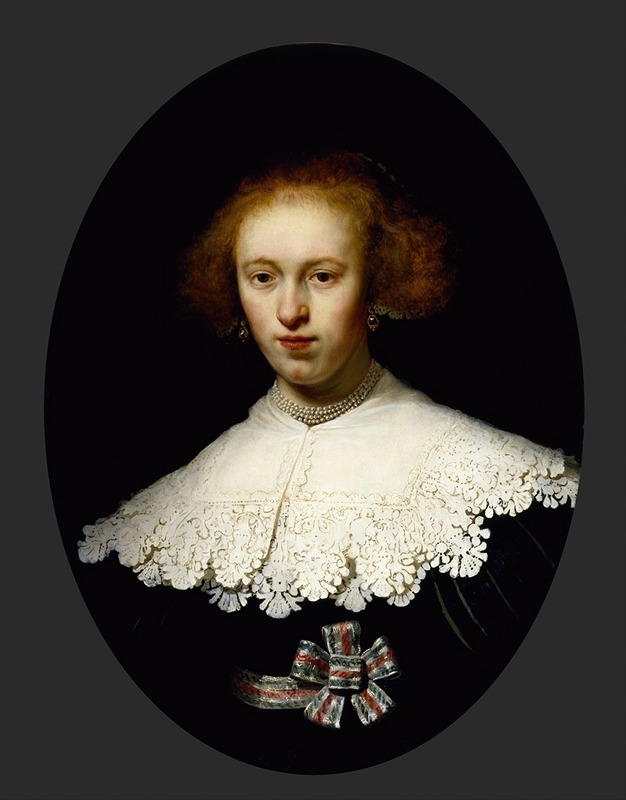
Portrait of a Young Woman
Rembrandt van Rijn
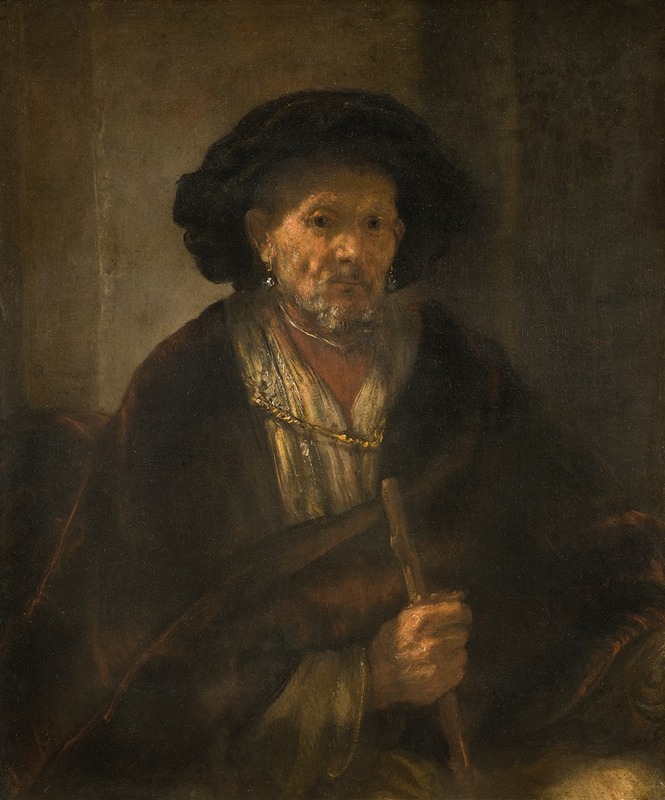
Portrait of an Old Man
Rembrandt van Rijn
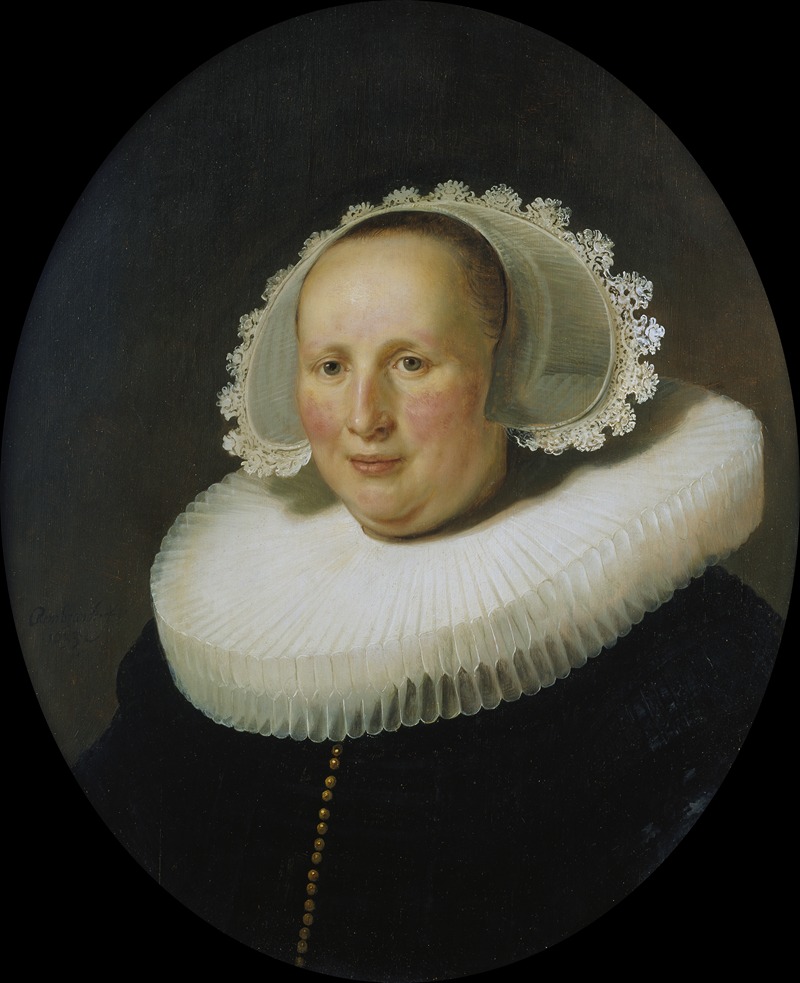
Portrait of Maertgen van Bilderbeecq
Rembrandt van Rijn
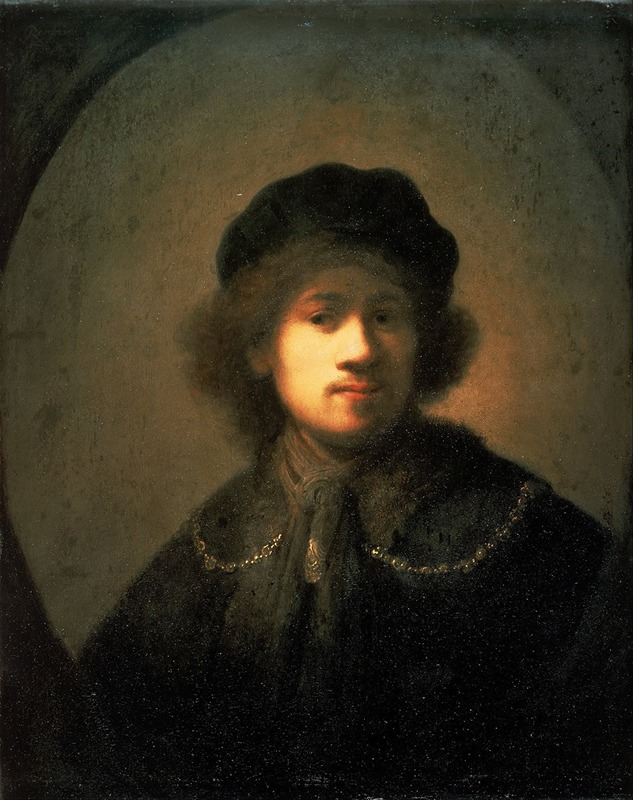
Portrait of the Artist as a Young Man
Rembrandt van Rijn