
The valley of the Shenandoah — History & Facts
Can paint confess what words never could? In The Valley of the Shenandoah, a landscape untouched by time whispers secrets of both beauty and madness, inviting viewers into its serene embrace. Look to the foreground where undulating hills gently cradle a sleepy river, the natural lines leading your eyes deeper into the expansive valley. The colors are rich yet earthy; soft greens blend with warm browns, while the sky above swirls with a vibrant mix of blue and white. Notice how the light bathes the landscape in a golden hue, both illuminating and obscuring the depth of the scene — a balance between clarity and chaos, as if the valley itself holds its breath, teetering on the edge of madness. Delve deeper into the composition, where scattered clouds seem to echo the tumultuous emotions lurking beneath the serene facade.
The gentle flow of the river juxtaposes the jagged peaks in the distance, hinting at an inner turmoil that belies the tranquil surface. This tension illustrates not only the beauty of nature but also the fragility of the human psyche, inviting contemplation of what lies beneath the calm exterior of everyday life. In 1864, during the American Civil War, Currier & Ives created this piece amidst the turmoil of a nation divided. Working in New York, they captured the American landscape at a time when patriotism clashed with the stories of loss and longing.
The artwork reflects a yearning for peace and connection with the land, evoking both a nostalgic reverie and an undercurrent of unrest that echoes through the ages.
More Artworks by Currier & Ives.
Browse all →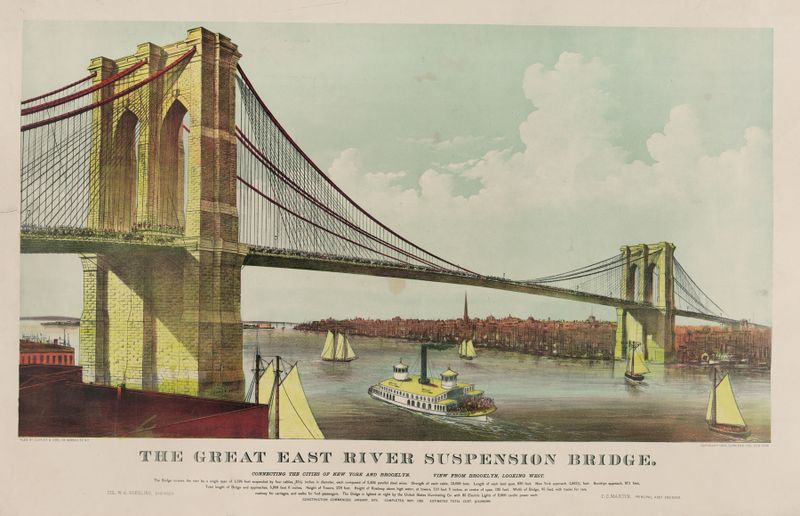
The great East River suspension bridge; connecting the cities of New York and Brooklyn View from Brooklyn, looking west.
Currier & Ives.
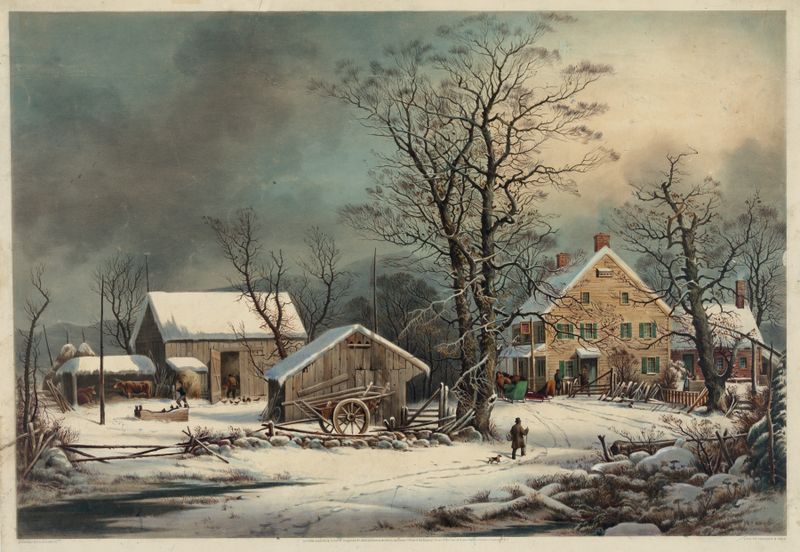
Winter in the country; a cold morning
Currier & Ives.
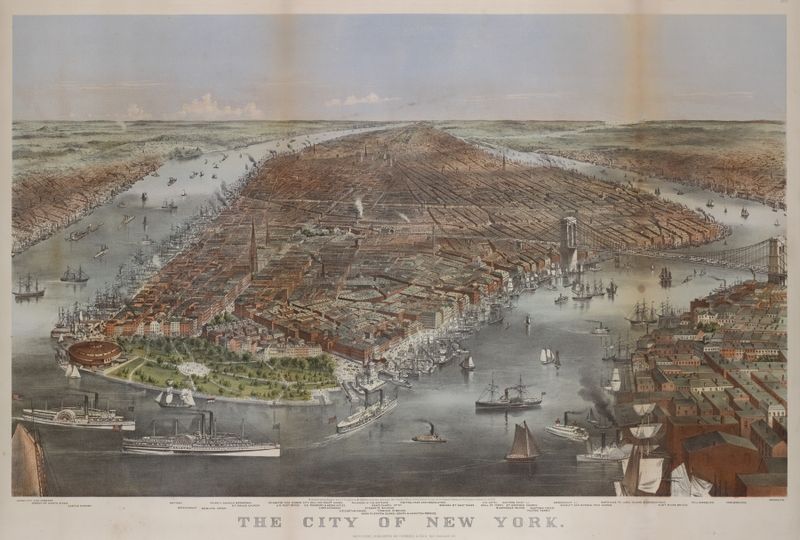
The City of New York
Currier & Ives.
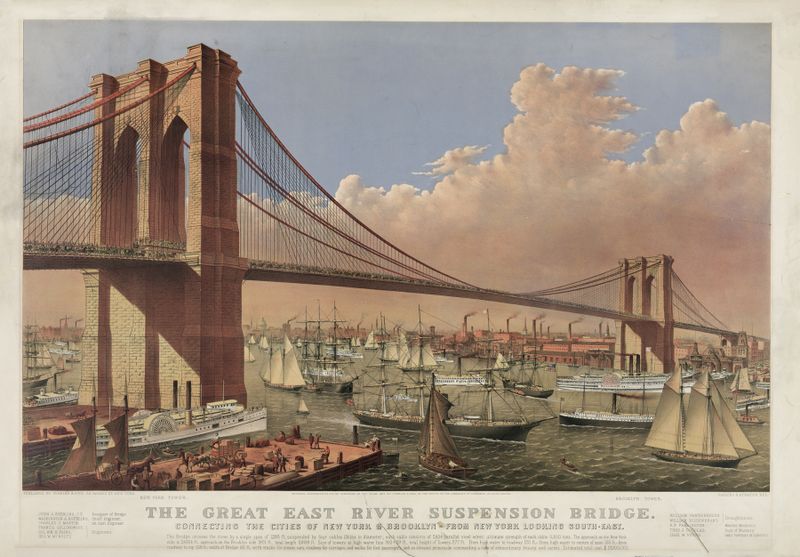
The great East River suspension bridge; connecting the cities of New York & Brooklyn From New York looking south-east.
Currier & Ives.
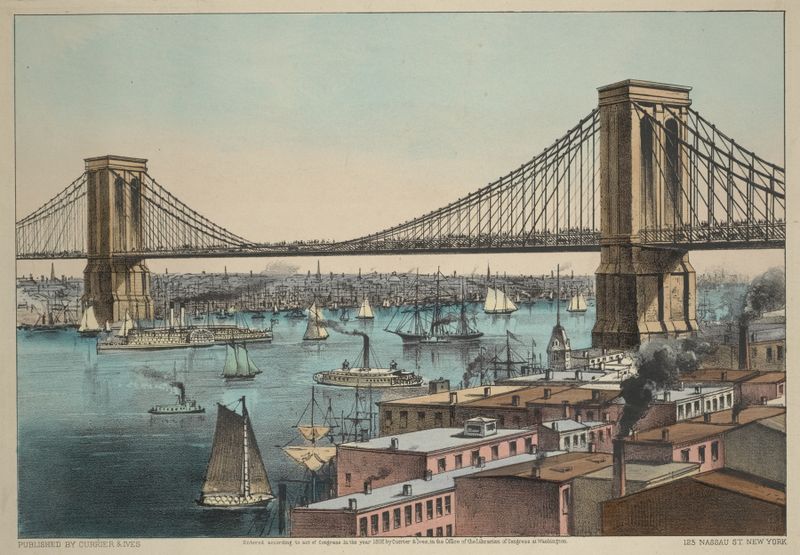
The Great East River Bridge. To connect the cities of New York & Brooklyn
Currier & Ives.
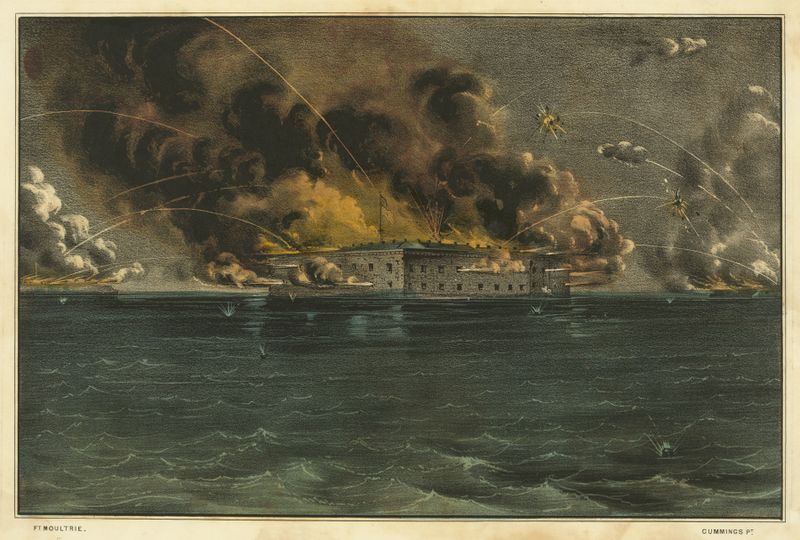
Bombardment of Fort Sumter, Charleston Harbor; 12th & 13th of April, 1861
Currier & Ives.
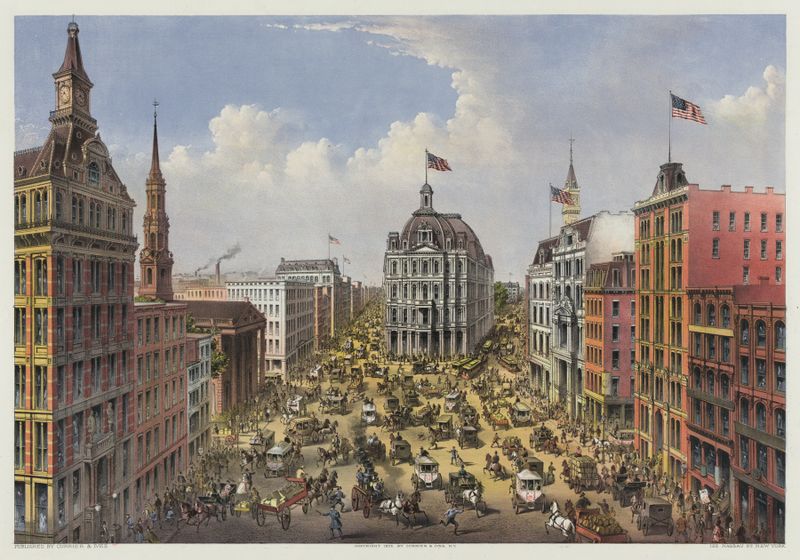
Broadway, New York; From the western union telegraph building looking north
Currier & Ives.
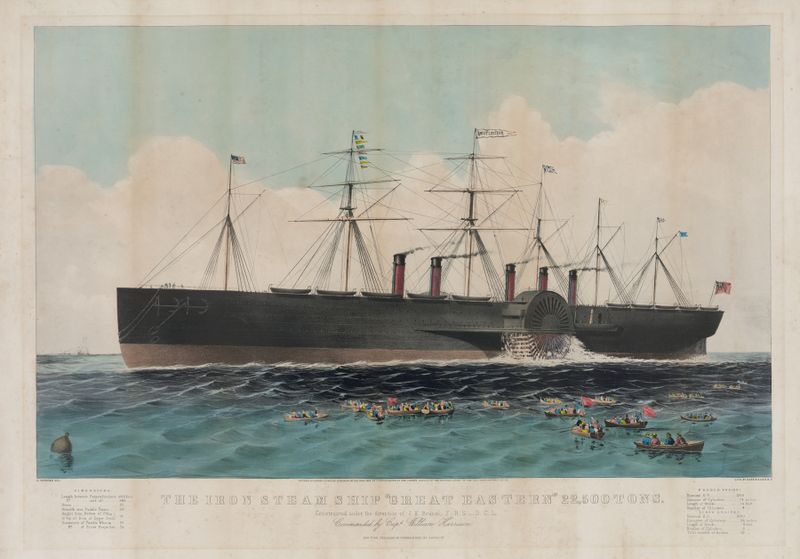
The iron steam ship ‘Great Eastern’ 22,500 tons; constructed under the direction of I.K. Brunel, F.R.S. — D.C.L. commanded by Capt. William Harrison
Currier & Ives.
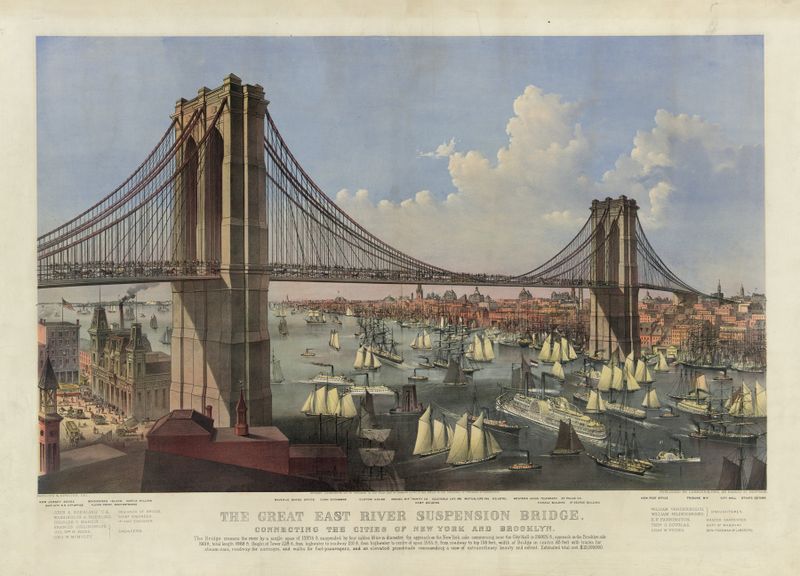
The great East River suspension bridge–Connecting the cities of New York and Brooklyn
Currier & Ives.
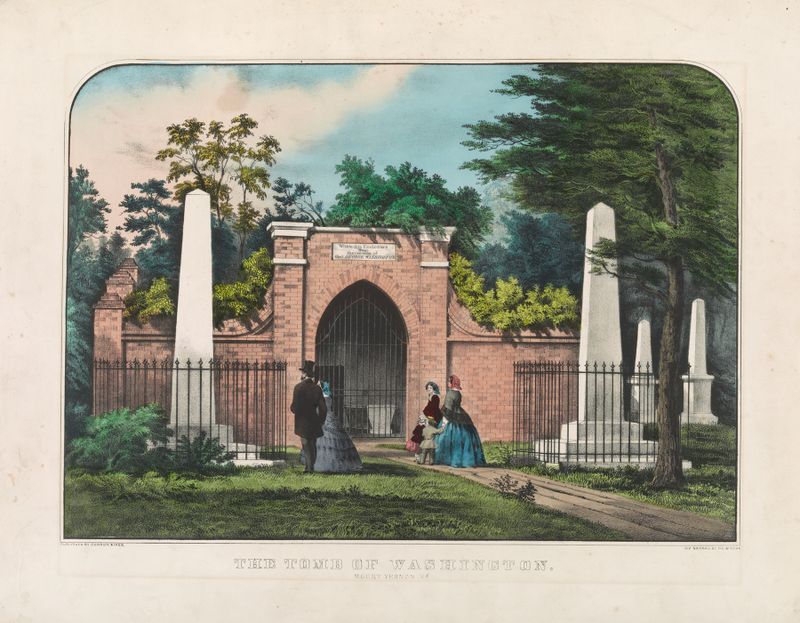
The tomb of Washington; Mount Vernon, Va.
Currier & Ives.





