
The Valley of the Tay — History & Facts
In the soft interplay of light and shadow, the truth of the moment is unveiled, laid bare before us. Look to the foreground, where the gentle curve of the river breaks the horizon, its surface mirroring the whispering clouds above. The verdant hills cascading into the distance draw the eye, their rich greens punctuated by touches of ochre and rust, suggesting the fleeting nature of the seasons. Notice how the brushwork captures not just the landscape, but the emotions it evokes—each stroke pulsating with a heartbeat that resonates through the tranquil setting. The contrast between the vibrant land and the expansive sky speaks of both serenity and impending change, mirroring the duality of life itself.
Small flecks of color mingle in the foliage, hinting at the constant cycles of growth and decay, while the stillness of the water offers a moment of reflection—perhaps an invitation to consider our own truths. The artist’s deliberate choice to embrace these elements reminds us that nature, while beautiful, is also a witness to the struggles and joys of existence. Created in 1931, this work emerged during a time when David Young Cameron was deeply engaged with capturing the Scottish landscape. The interwar years were marked by both societal change and artistic exploration, as artists sought to convey deeper truths through their work.
Cameron, known for his mastery in printmaking and painting, was absorbing the shifting dynamics of the world around him, translating those insights into his evocative representations of nature.
More Artworks by David Young Cameron
Browse all →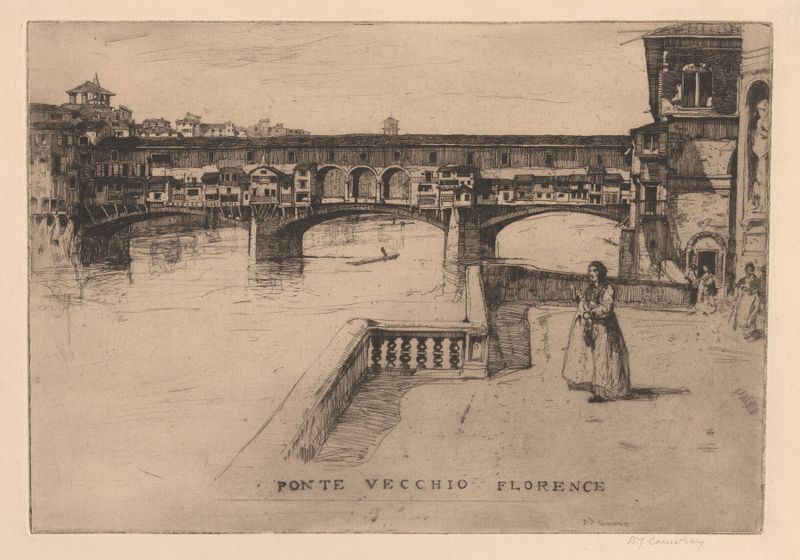
Ponte Vecchio
David Young Cameron

The Deanery, Winchester
David Young Cameron
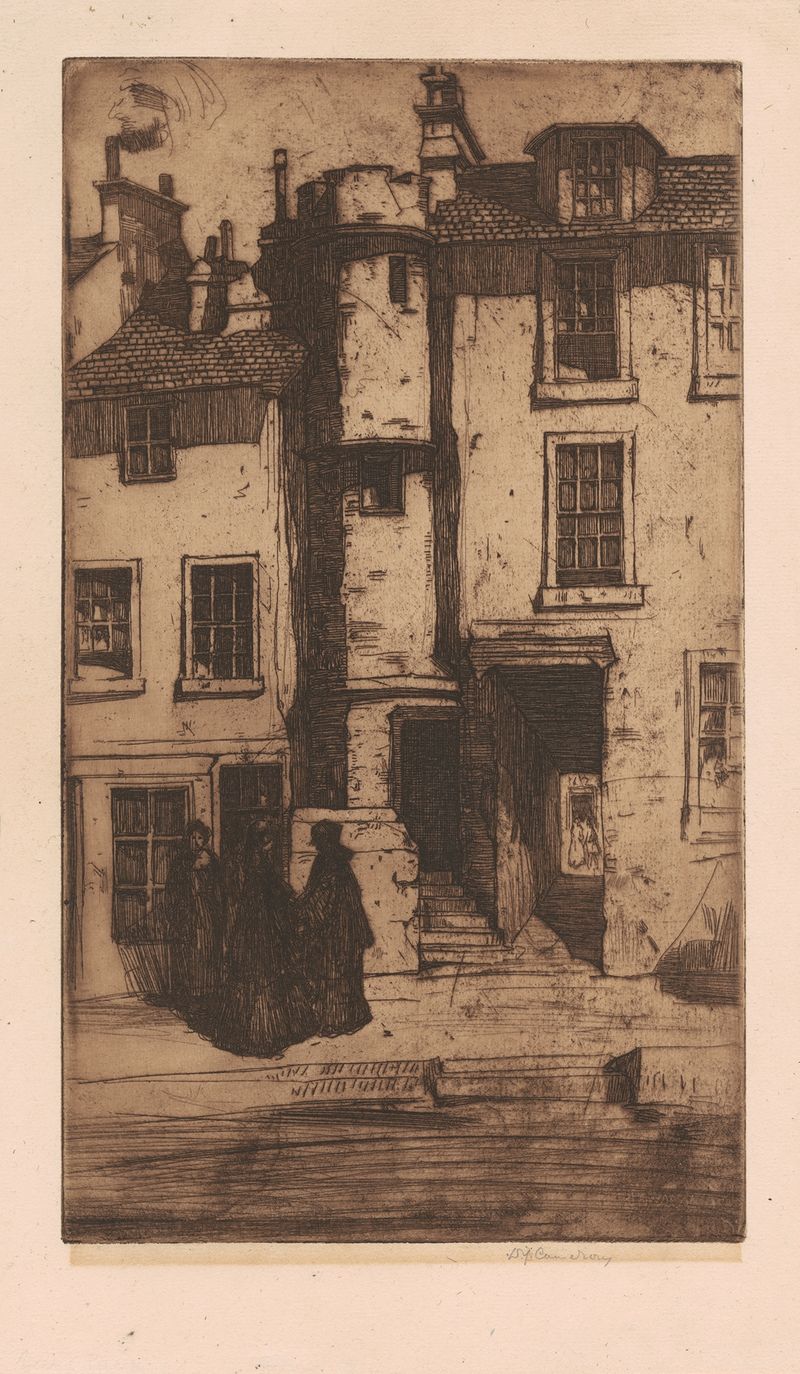
Old Houses, Stirling
David Young Cameron
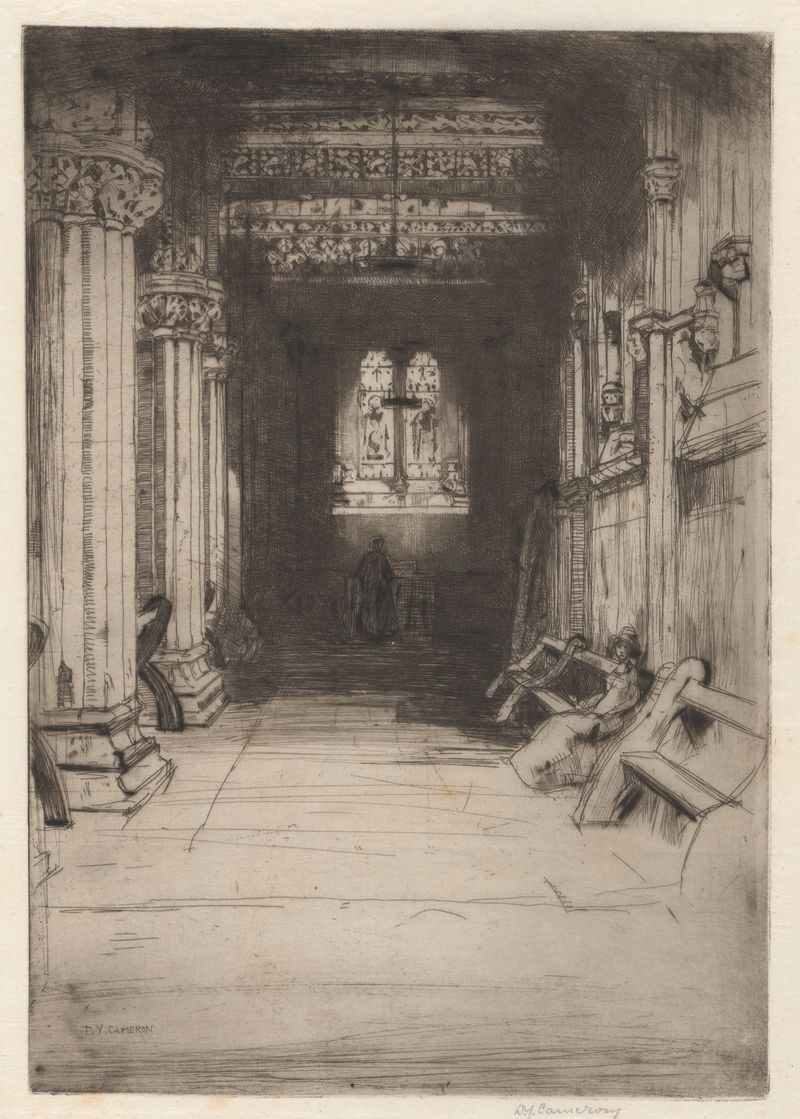
Rosslyn Chapel
David Young Cameron

The Old Museum, Beauvais
David Young Cameron
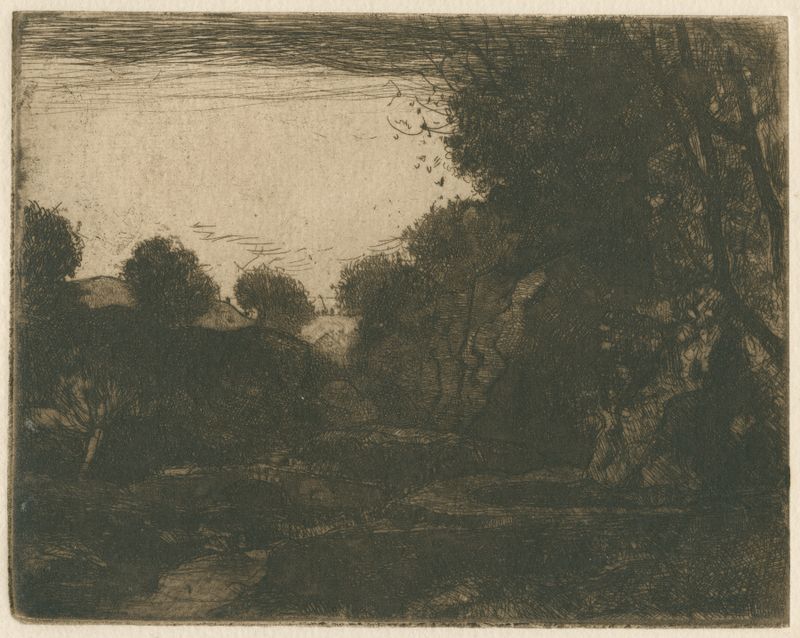
On the Bradford
David Young Cameron

The Smithy
David Young Cameron
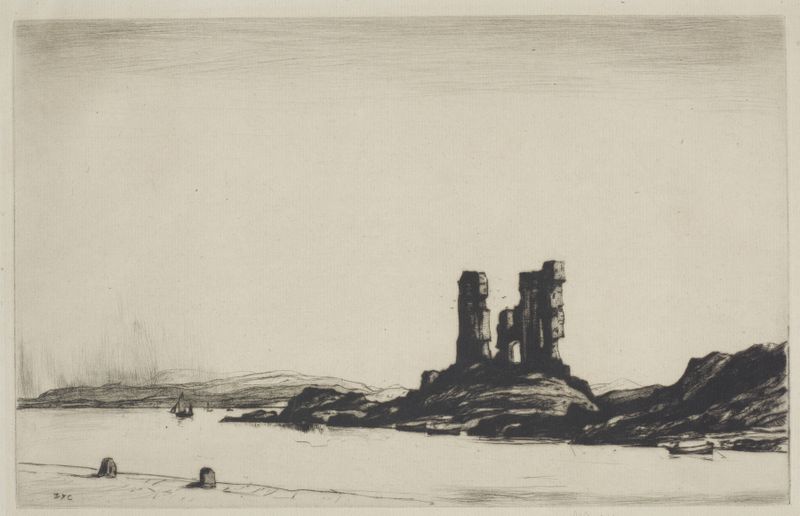
Castle Moyle
David Young Cameron
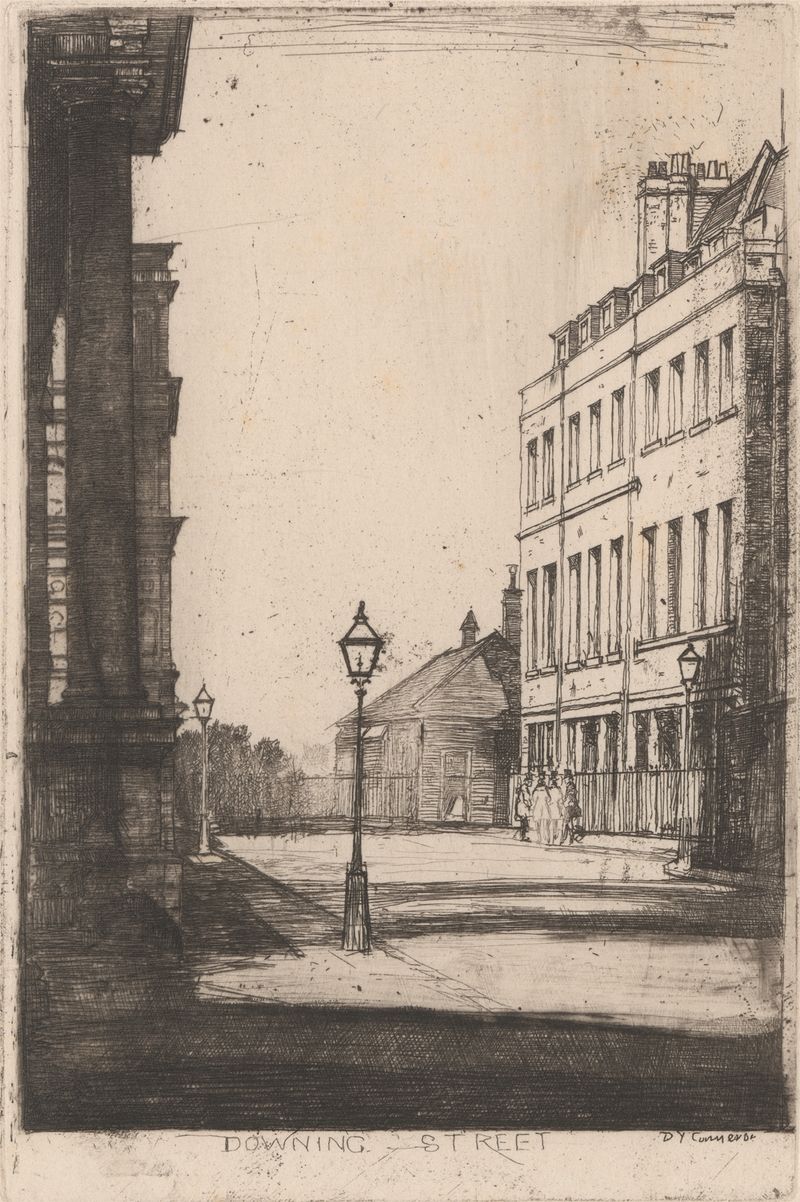
Downing Street
David Young Cameron

Glasgow Cathedral
David Young Cameron





