
The Victory of Charlemagne over the Avars near Regensburg — History & Facts
A golden horse rears in the chaos, catching the eye even before the angelic figure above commands attention. The entire field bristles with spears, banners, and armored bodies, each detail packed tight as if the painter wanted to capture every heartbeat of the battle. Light pours down in dramatic rays from the heavens, converging on the angel who hovers with sword and cross, a sign that this is no ordinary clash of armies but a moment charged with divine consequence.
The city walls and distant mountains frame the frenzy, while the sky, streaked with stars and smoke, turns the battlefield into a stage for both earthly struggle and celestial intervention. Every flag, every glint of armor, signals the gravity of the encounter, while the dense, almost mathematical arrangement of soldiers and weapons speaks to the order and chaos of war. Created in 1518 by Albrecht Altdorfer, this painting belongs to a world where history, legend, and faith were tightly interwoven. In the early sixteenth century, artists in the German lands were increasingly called upon to commemorate victories, saints, and rulers, often at the behest of city councils or noble patrons eager to assert their place in a shifting political landscape.
Works like this, dense with narrative and spectacle, were meant to awe and instruct, their details rewarding close study. The date places it at the dawn of the Reformation, when old certainties were being questioned and the past was being reimagined for new purposes. History has kept few traces of this specific painting’s journey, but its ambition and energy speak across the centuries—inviting you to lose yourself in its teeming, tumultuous world.
More Artworks by Albrecht Altdorfer

Landscape with Two Pines
Albrecht Altdorfer
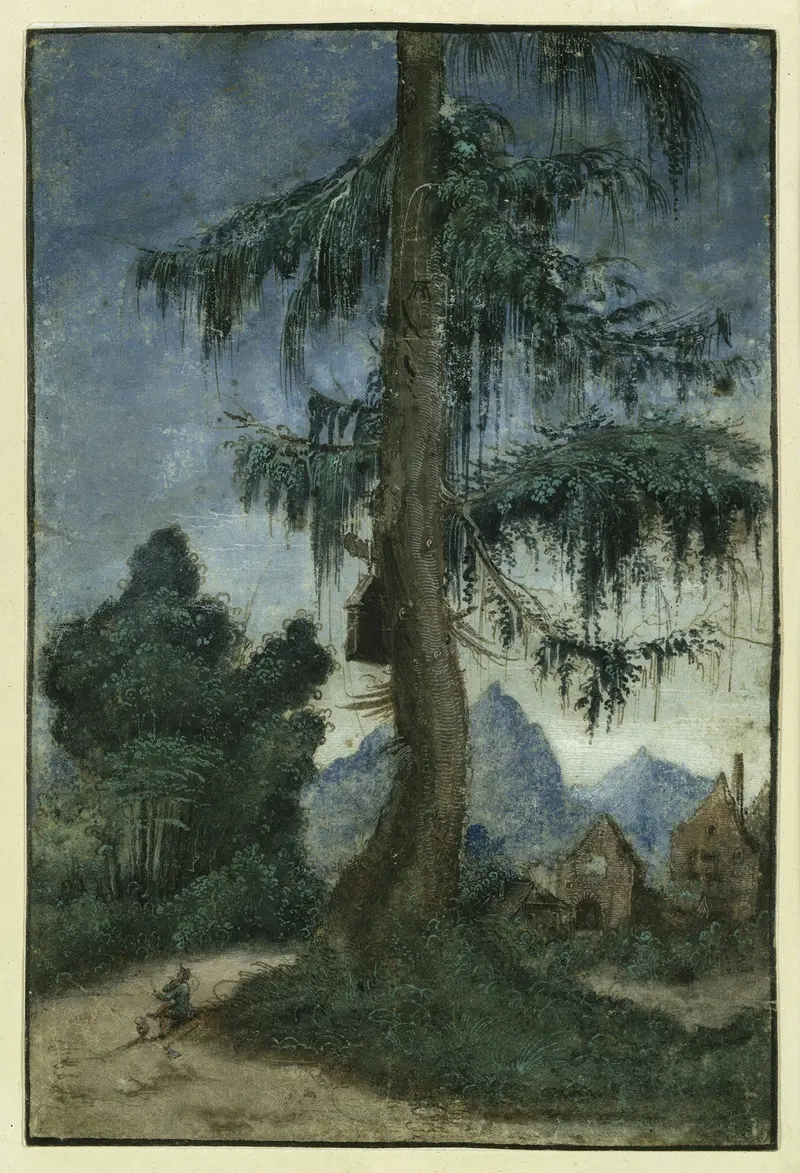
Landscape with spruce
Albrecht Altdorfer
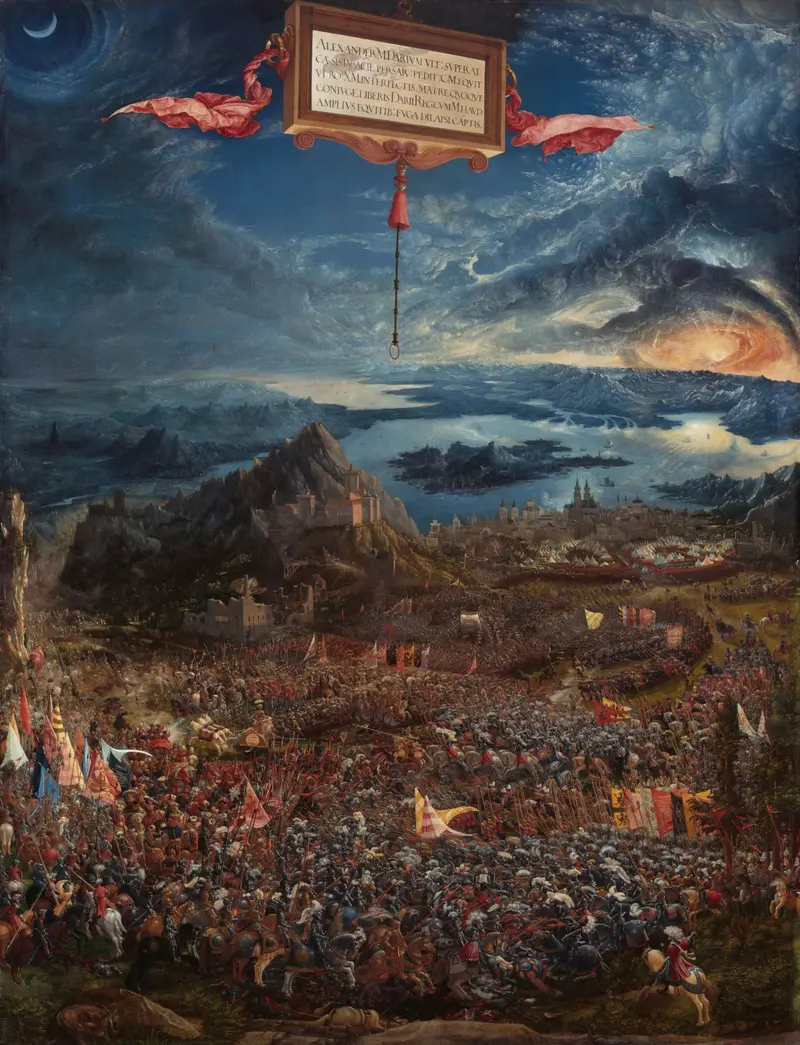
The Battle of Alexander at Issus
Albrecht Altdorfer
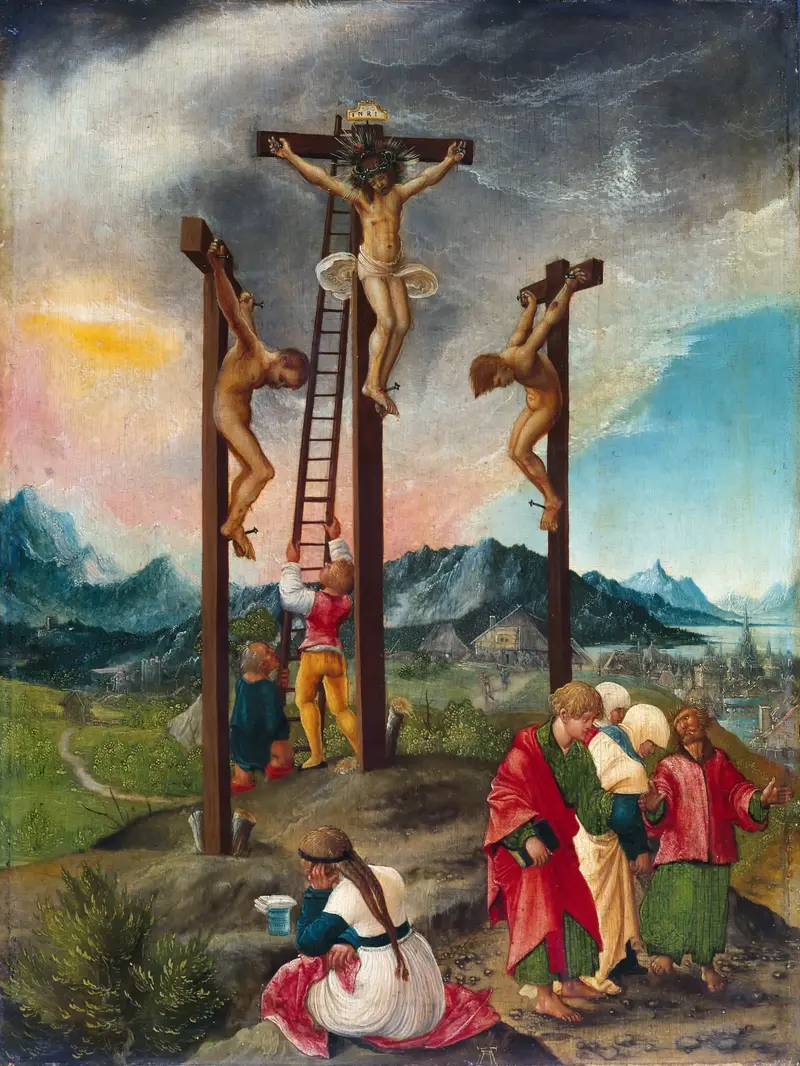
Christ on the Cross between the Two Thieves
Albrecht Altdorfer
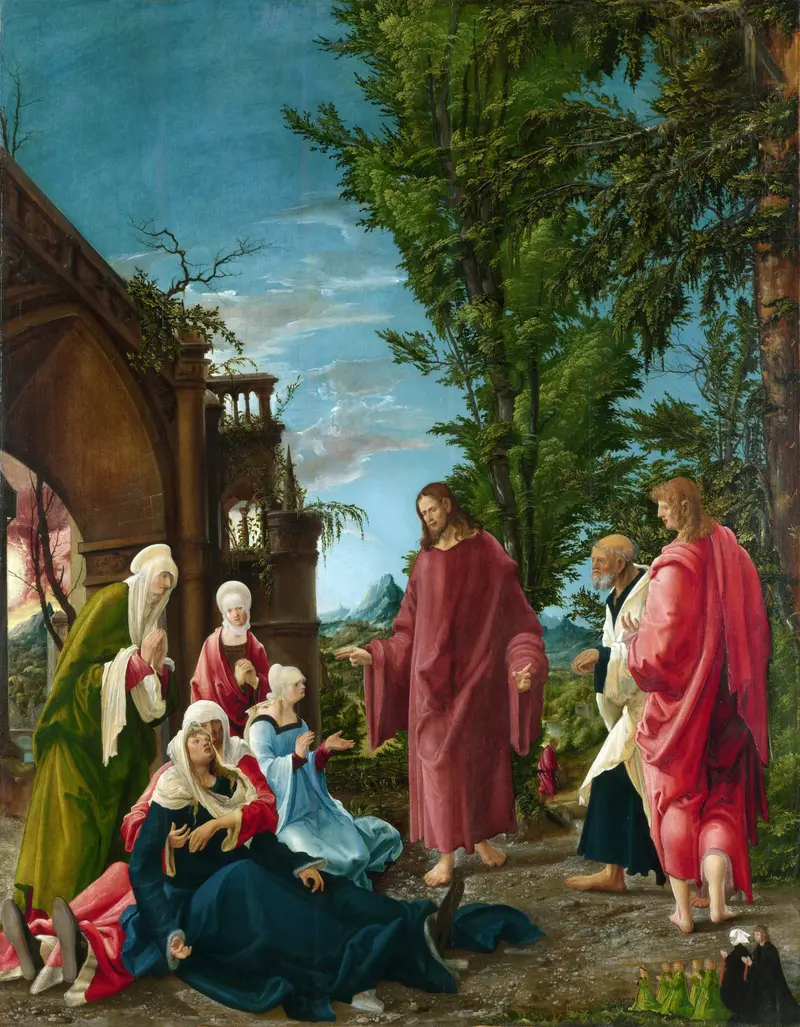
Christ Taking Leave of his Mother
Albrecht Altdorfer
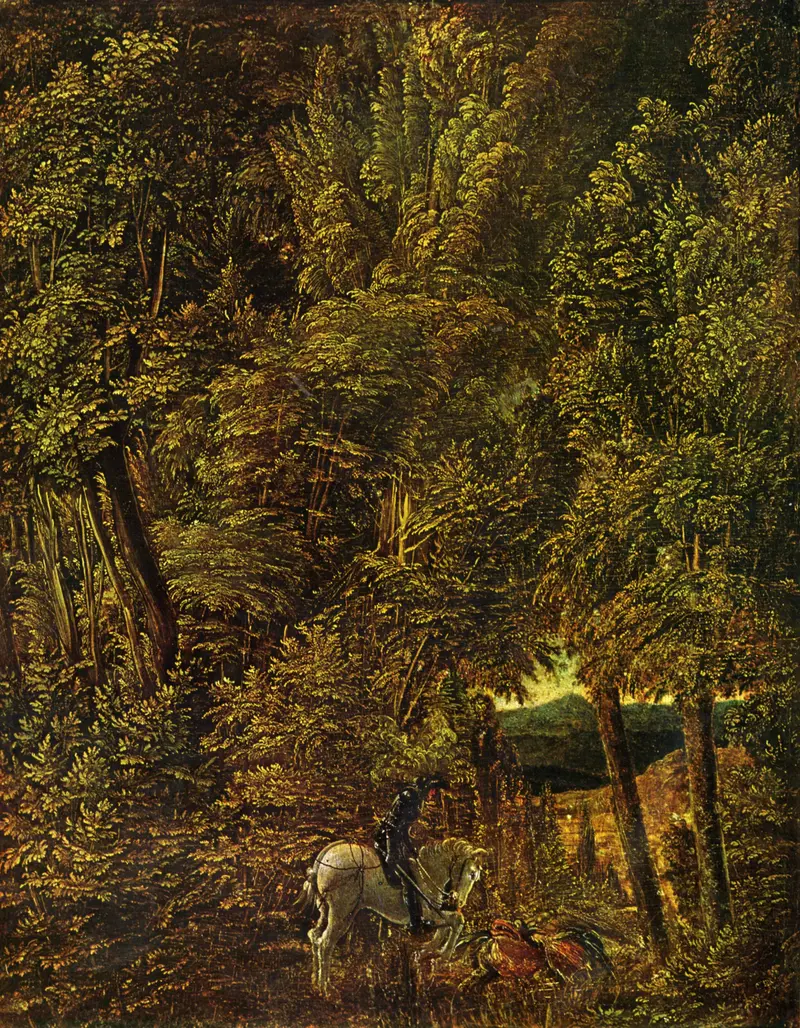
Countryside of Wood With Saint George Fighting the Dragon
Albrecht Altdorfer
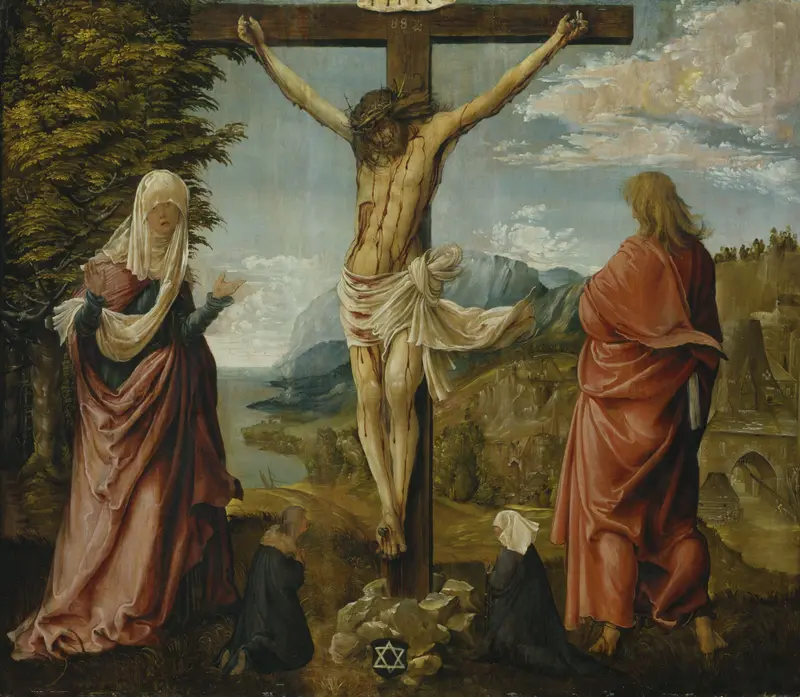
Crucifixion with Mary and John
Albrecht Altdorfer
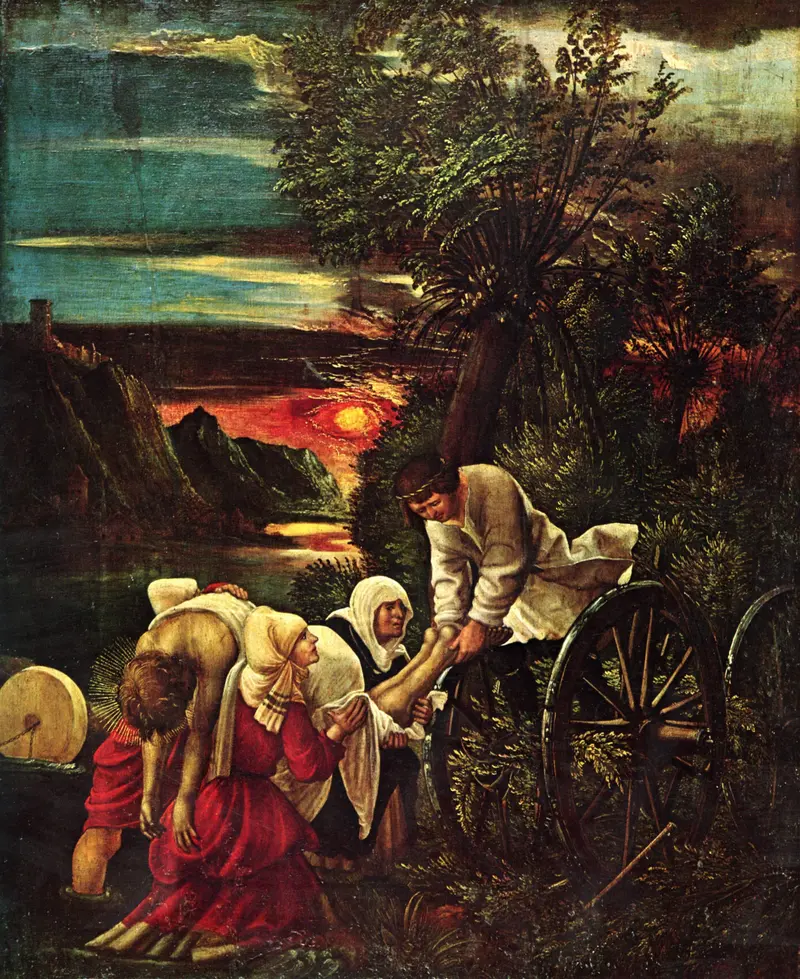
Finding of the Body of Saint Florian
Albrecht Altdorfer
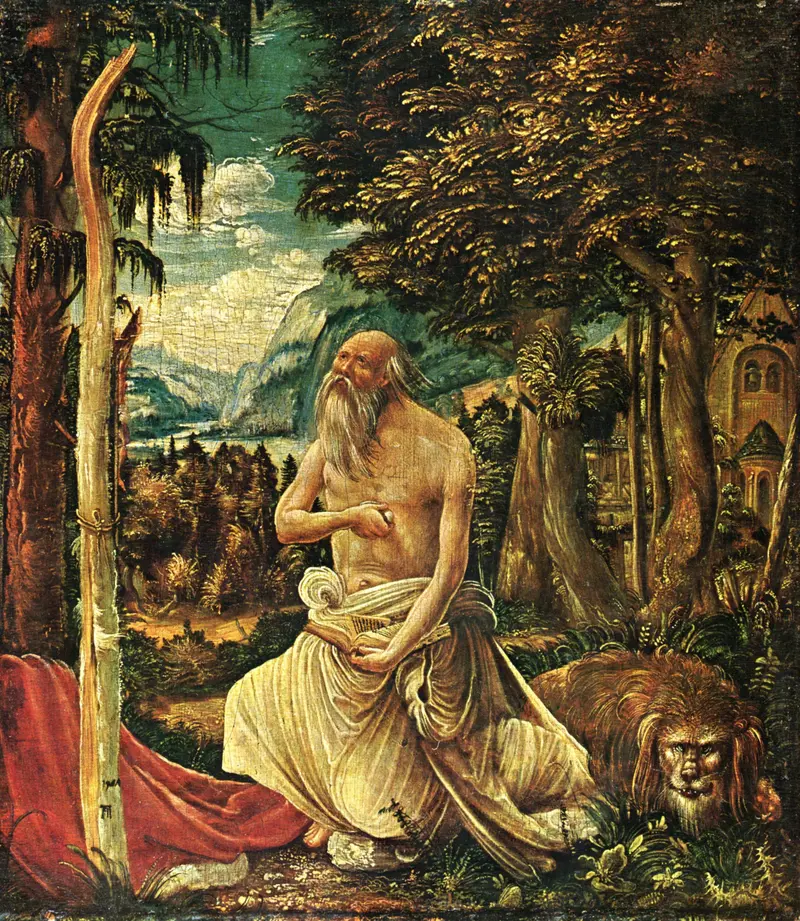
Penitent Hieronymus
Albrecht Altdorfer
Pilate Washing His Hands by Altdorfer
Albrecht Altdorfer





