
The Villa Pasino — History & Facts
Could a single brushstroke hold eternity? In The Villa Pasino, the artist captures the essence of faith through a landscape steeped in tranquility and hope. Look to the left at the villa's elegant façade, its soft earth tones blending with the surrounding greenery. Notice how the light bathes the scene, casting gentle shadows that accentuate the textures of the building and the inviting path leading to its entrance. The interplay of light and color draws the viewer's eye, while delicate brushwork evokes a sense of serenity, as if time itself pauses in reverence of this idyllic setting. Hidden within the lush landscape are layers of meaning—each element speaks to a deeper connection between humanity and nature.
The verdant trees surrounding the villa symbolize growth and renewal, suggesting that faith can thrive in even the most tranquil of settings. Meanwhile, the rustic path invites contemplation, implying that every journey towards enlightenment is both personal and universal. Together, these details form a poignant reminder of hope and the enduring spirit of belief. In 1854, the artist was entrenched in the flourishing art scene of Sweden, where Romanticism was influencing many.
Painting The Villa Pasino during this period, he sought to capture not just a landscape but the very idea of a refuge for the soul. As the world around him grappled with change, Palm's work stands as a testament to the power of faith—both in nature and in the moments of calm that allow for reflection.
More Artworks by Gustaf Wilhelm Palm
Browse all →
Venice, View Of The Rialto Bridge
Gustaf Wilhelm Palm
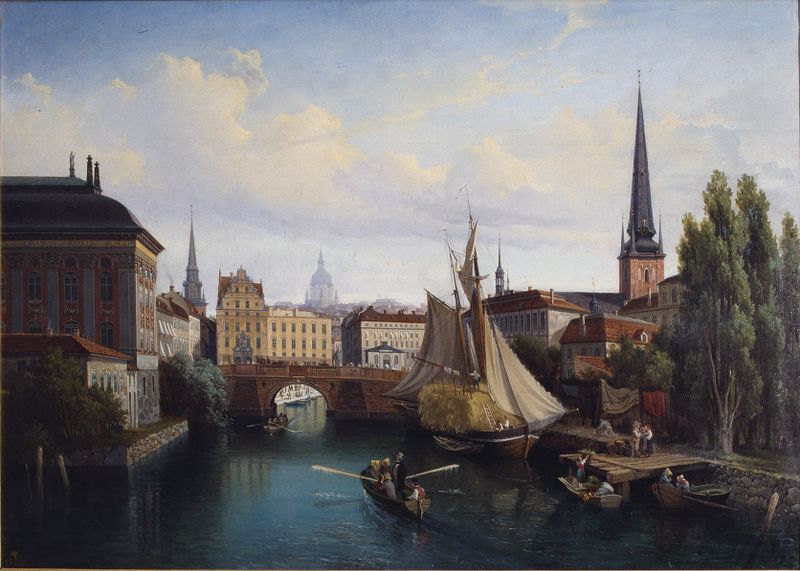
View of the Riddarholmskanalen, Stockholm, 1835
Gustaf Wilhelm Palm

In the Park, Frascati
Gustaf Wilhelm Palm

View of Canal Grande in Venice
Gustaf Wilhelm Palm
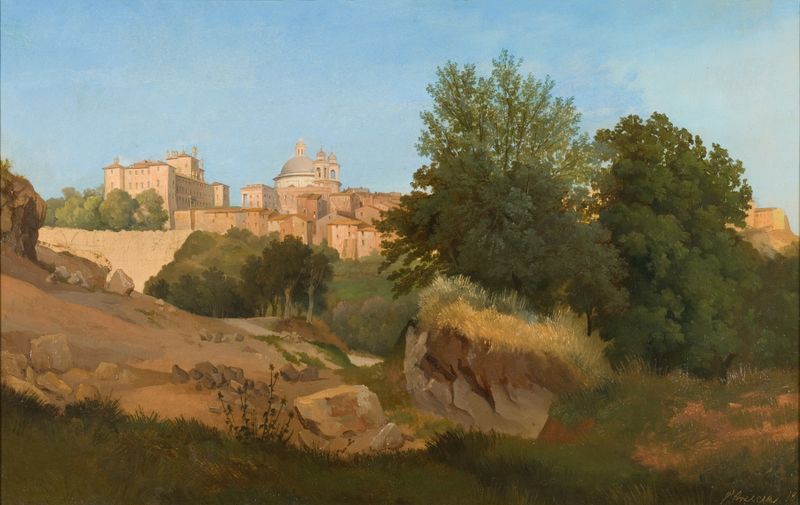
View of Ariccia
Gustaf Wilhelm Palm
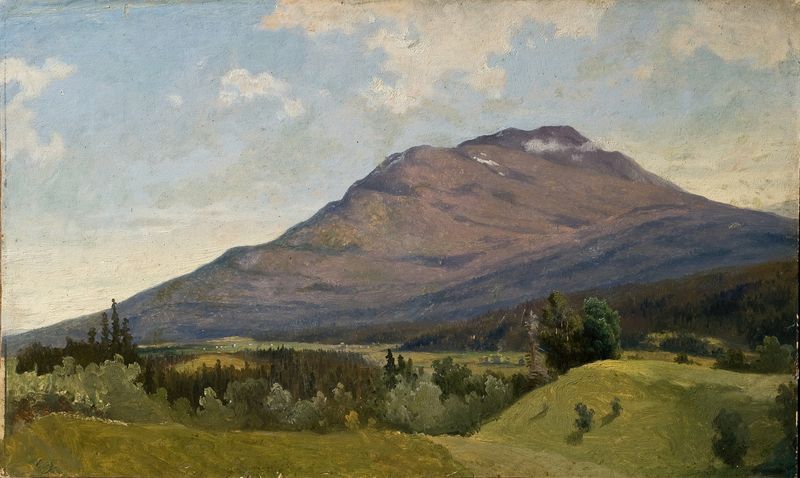
Summer Landscape with Mountain
Gustaf Wilhelm Palm

View of Rome with the Colosseum. Study
Gustaf Wilhelm Palm

View from the Albano Mountains. Study
Gustaf Wilhelm Palm

Cypresses. Study
Gustaf Wilhelm Palm

From Villa Borghese
Gustaf Wilhelm Palm





