
Venice, View Of The Rialto Bridge — History & Facts
Could beauty survive in a century of chaos? In a world swirling with turmoil, the timeless elegance of Venice stands resilient, a testament to both nature and humanity's creation. Look closely at the gentle arch of the Rialto Bridge, the focal point of the composition, where the curvature harmonizes with the soft ripples of the canal below. The light dances across the water's surface, casting reflections that shimmer with hues of blue and gold. Palm's use of soft pastels and delicate brushwork captures the serene atmosphere of this iconic landmark, while the busy figures on the bridge hint at life bustling beyond the stillness of the scene. The contrast between the tranquil water and the lively pedestrians evokes a profound tension — a juxtaposition of serenity against the backdrop of an ever-changing world.
Each character appears absorbed in their own story, their gestures conveying a sense of purpose that resonates against the calm. The warm colors of the buildings, set against the cool tones of the sky, suggest both warmth and melancholy, embodying the paradox of beauty amid impending chaos. Created around the turn of the 20th century, Gustaf Wilhelm Palm depicted this scene during a time of significant transition in art and society. Living in a century marked by technological advancements and the looming shadow of conflict, the artist sought to capture the essence of Venice as a refuge from the chaos of modernity.
This artwork reflects not only the romanticism of the era but also a desire to preserve the fleeting moments of beauty within a tumultuous landscape.
More Artworks by Gustaf Wilhelm Palm
Browse all →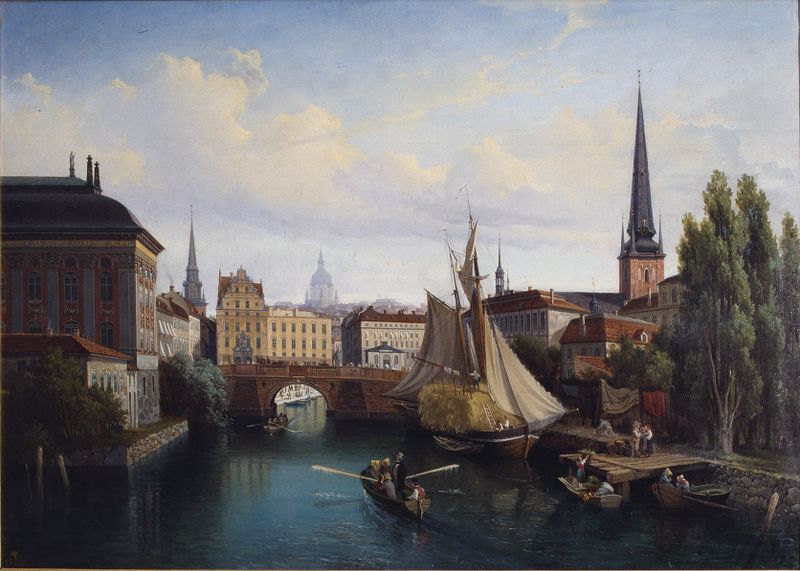
View of the Riddarholmskanalen, Stockholm, 1835
Gustaf Wilhelm Palm

In the Park, Frascati
Gustaf Wilhelm Palm

View of Canal Grande in Venice
Gustaf Wilhelm Palm
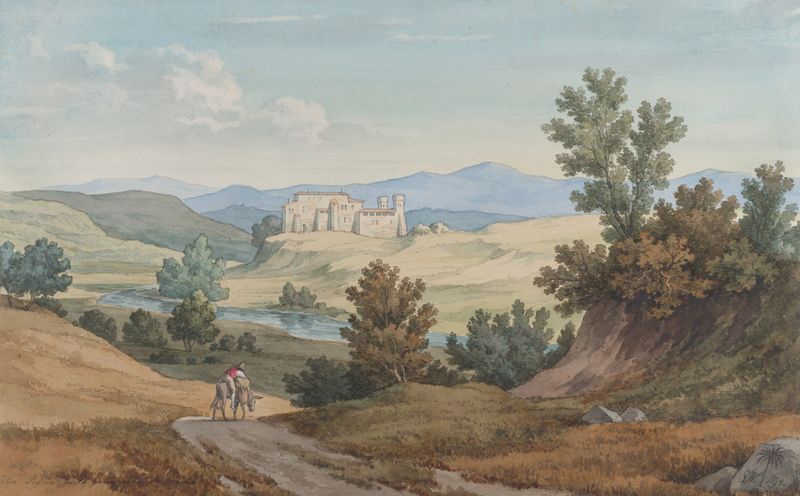
The Villa Pasino
Gustaf Wilhelm Palm
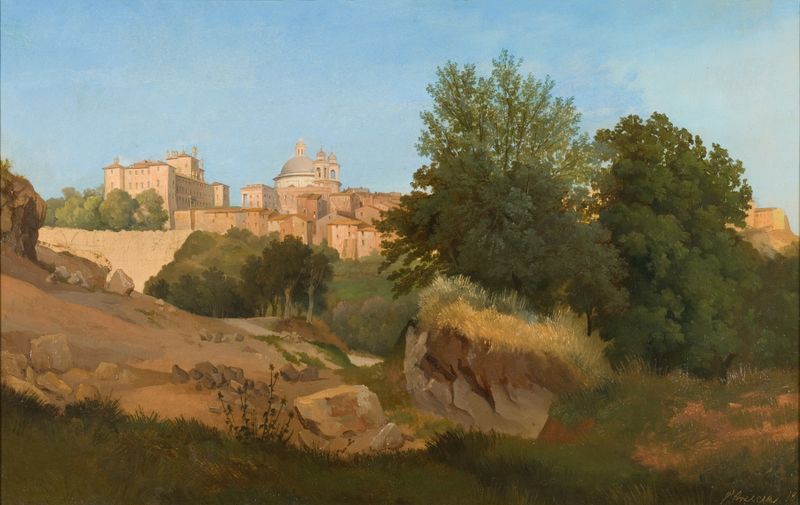
View of Ariccia
Gustaf Wilhelm Palm
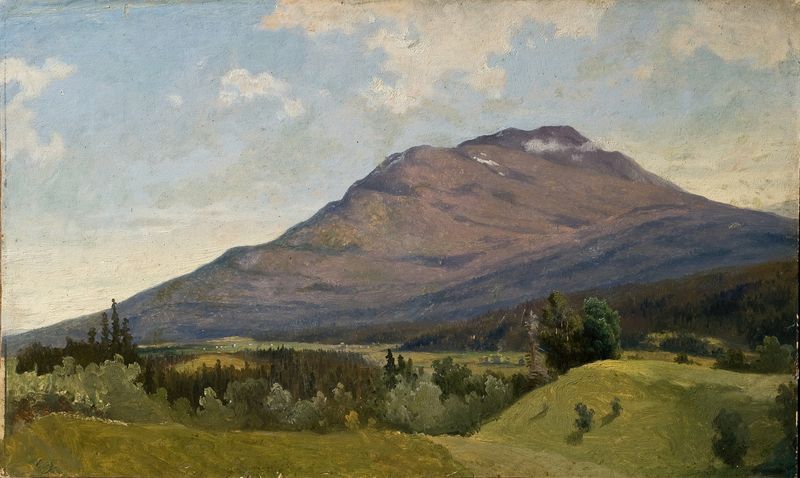
Summer Landscape with Mountain
Gustaf Wilhelm Palm

View of Rome with the Colosseum. Study
Gustaf Wilhelm Palm

View from the Albano Mountains. Study
Gustaf Wilhelm Palm

Cypresses. Study
Gustaf Wilhelm Palm

From Villa Borghese
Gustaf Wilhelm Palm
More Architecture Art
Browse all →
The statue of Liberty
Frédéric Auguste Bartholdi

View of Houses in Delft, Known as ‘The Little Street’
Johannes Vermeer

View of Houses in Delft, Known as ‘The Little Street’
Johannes Vermeer

The Cathedral in Rouen. The portal, Grey Weather
Claude Monet

The yellow house
Vincent van Gogh

The Church in Auvers-sur-Oise, View from the Chevet
Vincent van Gogh