
View of Rome with the Colosseum. Study — History & Facts
Could beauty survive in a century of chaos? The question lingers as we gaze upon the serene landscape that invites contemplation and reflection. Look to the left at the imposing silhouette of the Colosseum, its weathered arches stark against a golden sky. Notice how the light softly bathes the ancient ruins, illuminating the details of its crumbling stone—a poignant reminder of time's relentless passage. The brushstrokes are delicate yet deliberate, capturing the vibrancy of the city along the horizon, where the vivid colors of the buildings suggest life amidst the decay.
The composition is masterfully balanced, leading the eye across the canvas from the ruins to the tranquil blue of the Tiber, suggesting an eternal flow of history. Within this landscape, fragile beauty thrives in contrast with the bygone glory of the Colosseum. The lush greenery encroaching upon stone conveys nature's quiet reclamation, a tender assertion of life persisting amidst decay. Shadows hint at a deeper melancholy, reflecting the fragility of cultural heritage in a world that constantly shifts.
It evokes a sense of nostalgia for a past that, while grand, is also forever out of reach. In 1846, Palm painted this study during a period of significant change in Europe, where rapid industrialization began to reshape landscapes and societies. He found inspiration in the ruins that spoke to both the splendor and vulnerability of civilization. This was a time when artists sought to capture the essence of beauty, even as the world around them teetered on the brink of transformation.
More Artworks by Gustaf Wilhelm Palm
Browse all →
Venice, View Of The Rialto Bridge
Gustaf Wilhelm Palm
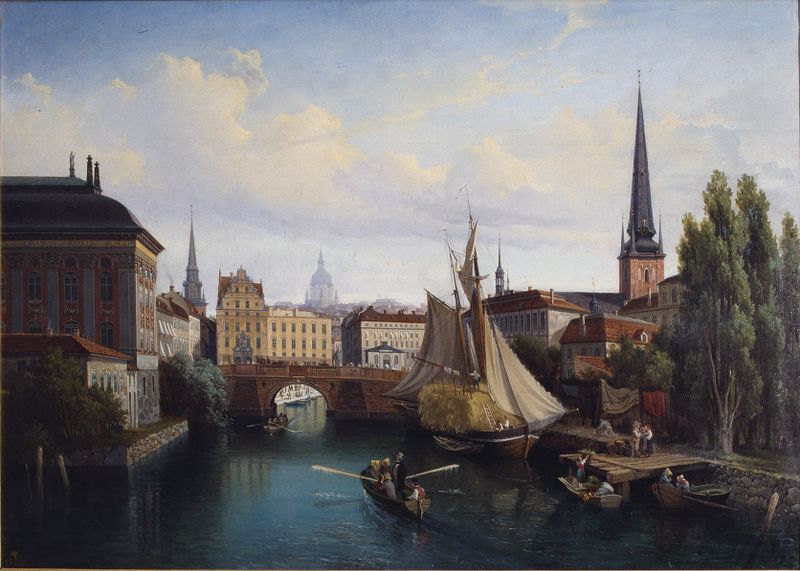
View of the Riddarholmskanalen, Stockholm, 1835
Gustaf Wilhelm Palm

In the Park, Frascati
Gustaf Wilhelm Palm

View of Canal Grande in Venice
Gustaf Wilhelm Palm
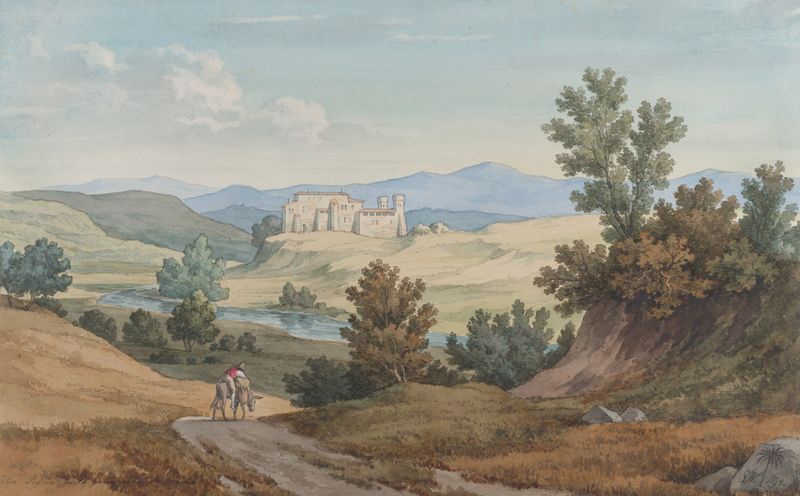
The Villa Pasino
Gustaf Wilhelm Palm
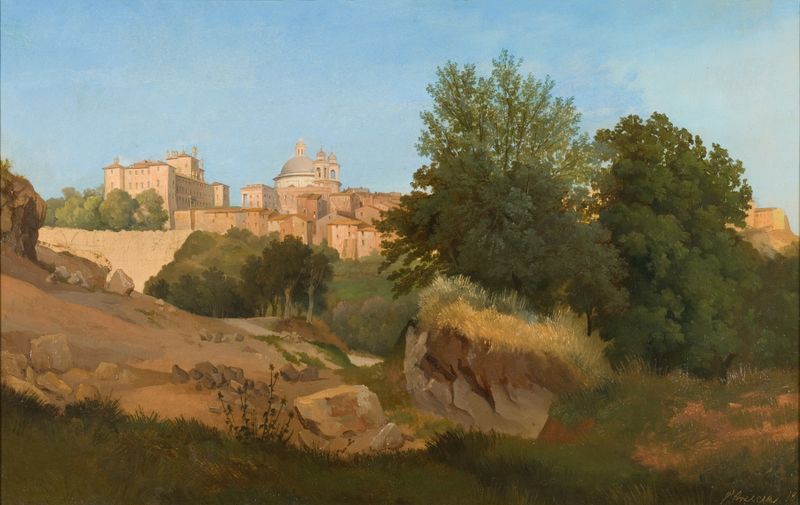
View of Ariccia
Gustaf Wilhelm Palm
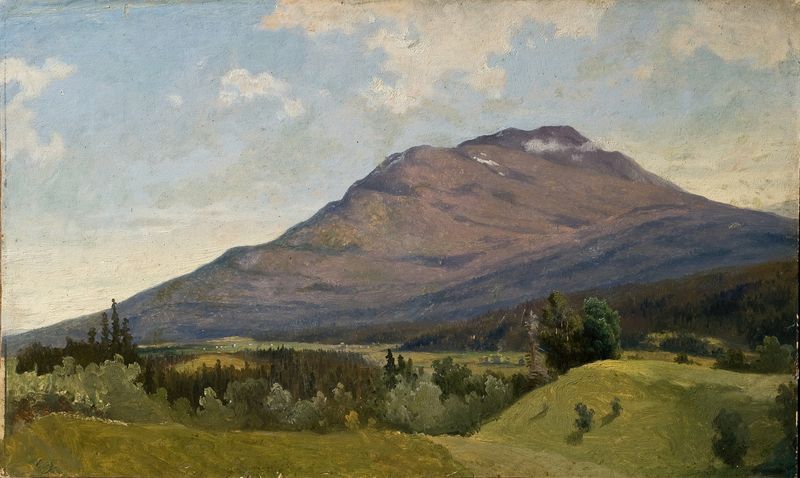
Summer Landscape with Mountain
Gustaf Wilhelm Palm

View from the Albano Mountains. Study
Gustaf Wilhelm Palm

Cypresses. Study
Gustaf Wilhelm Palm

From Villa Borghese
Gustaf Wilhelm Palm





