
View of Ariccia — History & Facts
Did the painter know this moment would outlive them? In View of Ariccia, the ephemeral beauty of a fleeting landscape is immortalized, revealing the tension between the transient and the eternal. Focus first on the expansive sky, where soft clouds caress the horizon, hinting at a late afternoon's glow. Look to the left, where the gentle undulations of the hills create a rhythmic dance, guiding the eye across the verdant expanse. The lush greens blend harmoniously with ochre tones, while dappled sunlight filters through the trees, casting delicate shadows that breathe life into the scene.
The painter's meticulous brushwork captures the texture of foliage and earth, drawing viewers into this serene tableau. Beyond the surface, the work speaks to a deeper contrast between nature's tranquility and the passage of time. The tranquil landscape serves as a reminder of life's fleeting moments, while the distant hills suggest permanence, symbolizing the enduring cycle of life and nature. The clouds, both beautiful and ominous, hint at change, evoking a sense of urgency in our fleeting experiences.
This duality resonates in the viewer's heart, inviting contemplation on what it means to capture a moment. In 1841, Gustaf Wilhelm Palm painted this piece while living in Sweden, immersed in the Romantic movement that celebrated the beauty of nature. During this period, artists sought to express deep emotions and personal experiences through their landscapes, as industrialization began to alter the natural world. The serenity of Ariccia provided a perfect backdrop for Palm to explore this tension between the idyllic past and an uncertain future.
More Artworks by Gustaf Wilhelm Palm
Browse all →
Venice, View Of The Rialto Bridge
Gustaf Wilhelm Palm
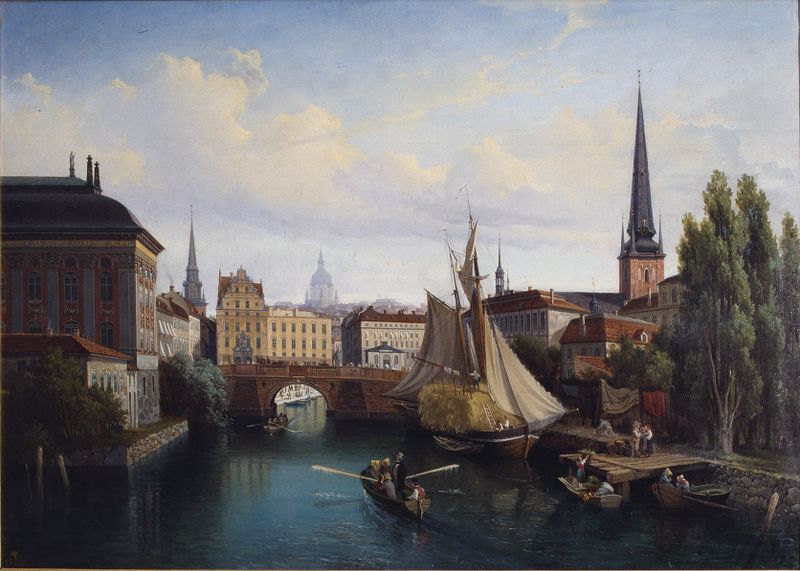
View of the Riddarholmskanalen, Stockholm, 1835
Gustaf Wilhelm Palm

In the Park, Frascati
Gustaf Wilhelm Palm

View of Canal Grande in Venice
Gustaf Wilhelm Palm
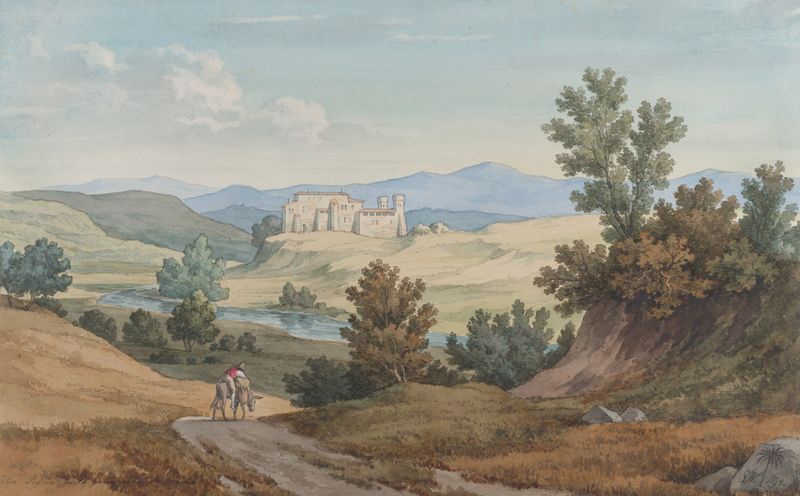
The Villa Pasino
Gustaf Wilhelm Palm
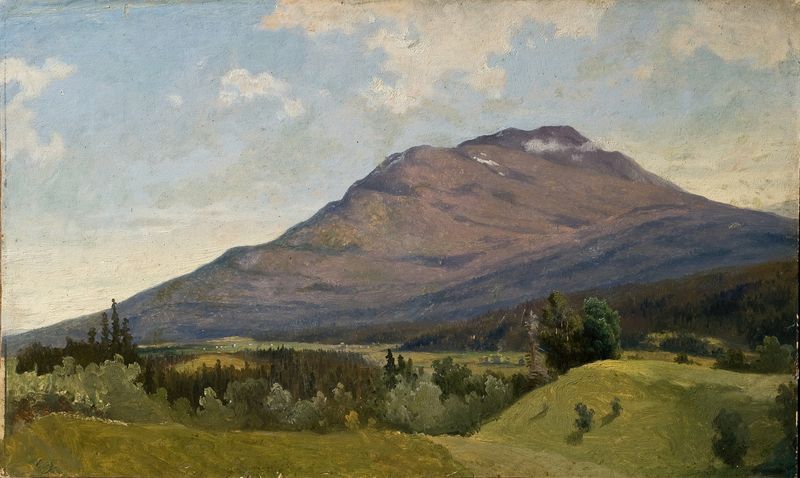
Summer Landscape with Mountain
Gustaf Wilhelm Palm

View of Rome with the Colosseum. Study
Gustaf Wilhelm Palm

View from the Albano Mountains. Study
Gustaf Wilhelm Palm

Cypresses. Study
Gustaf Wilhelm Palm

From Villa Borghese
Gustaf Wilhelm Palm





