
The Vision of Saint Jerome — History & Facts
The interplay of light and shadow in this 17th-century masterpiece invites us to ponder the depths of spiritual insight. It transcends the ordinary, revealing layers of meaning hidden within the vibrant hues and subtle tones. Look to the left, where luminous rays cascade onto Saint Jerome’s thoughtful face, illuminating the weariness etched in his features. Notice how the rich crimson of his robe contrasts with the muted earth tones of the background, drawing your eye to the figure while suggesting his connection to both the divine and the mundane.
The golden halo encircling his head radiates warmth, while the cool blues of the surrounding space evoke a solemn yet contemplative atmosphere, enveloping him in a quiet reverence. Delve deeper into the symbolism; the lion at his feet, a symbol of strength and companionship, hints at the transformative power of faith. The open book resting on his lap signifies knowledge, while the ink and quill nearby speak to the sacred duty of translation and communication. Each detail serves as a bridge between the temporal and the eternal, inviting reflection on the nature of enlightenment and the quest for truth. This artwork emerges from a time of great religious upheaval and artistic innovation.
Created in the 17th century, it reflects the Counter-Reformation's influence, wherein artists sought to convey profound spiritual messages. The artist, though unidentified, contributed to a tradition that valued clarity of expression and emotional depth, resonating with viewers who wrestled with their own beliefs during a pivotal moment in history.
More Artworks by Unidentified artist
Browse all →
Self-portrait with a Bandaged Ear and Pipe
Unidentified artist

Feast in the House of Levi
Unidentified artist
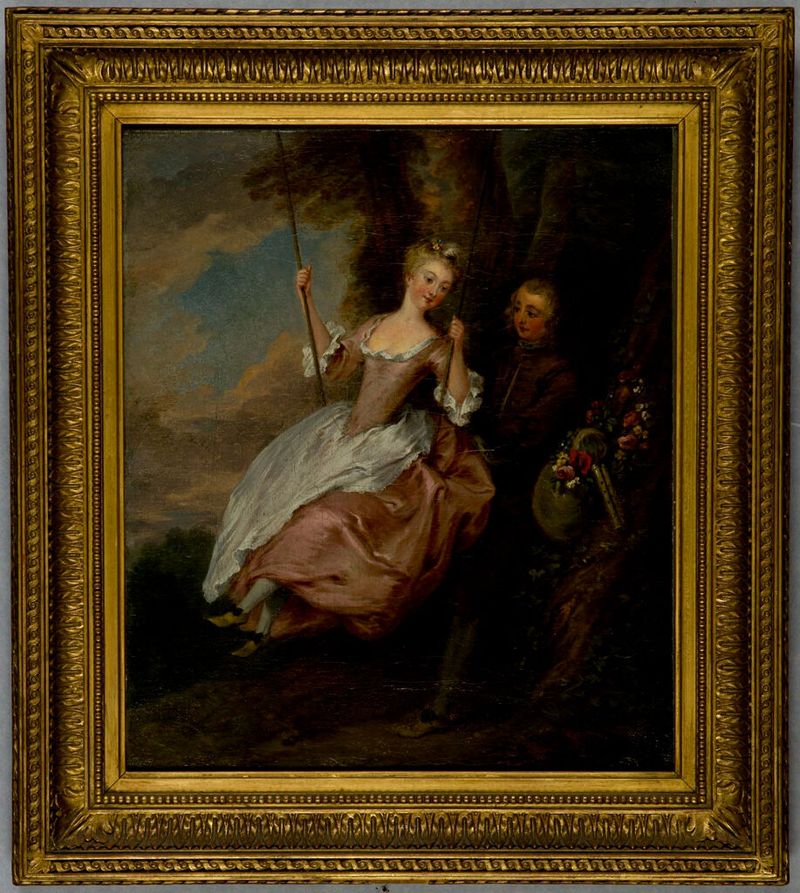
The Swing
Unidentified artist

Geoffrey Chaucer (1340?-1400)
Unidentified artist

Portrait of Michelangelo after the "Strozzi" original in the Uffizi Gallery
Unidentified artist
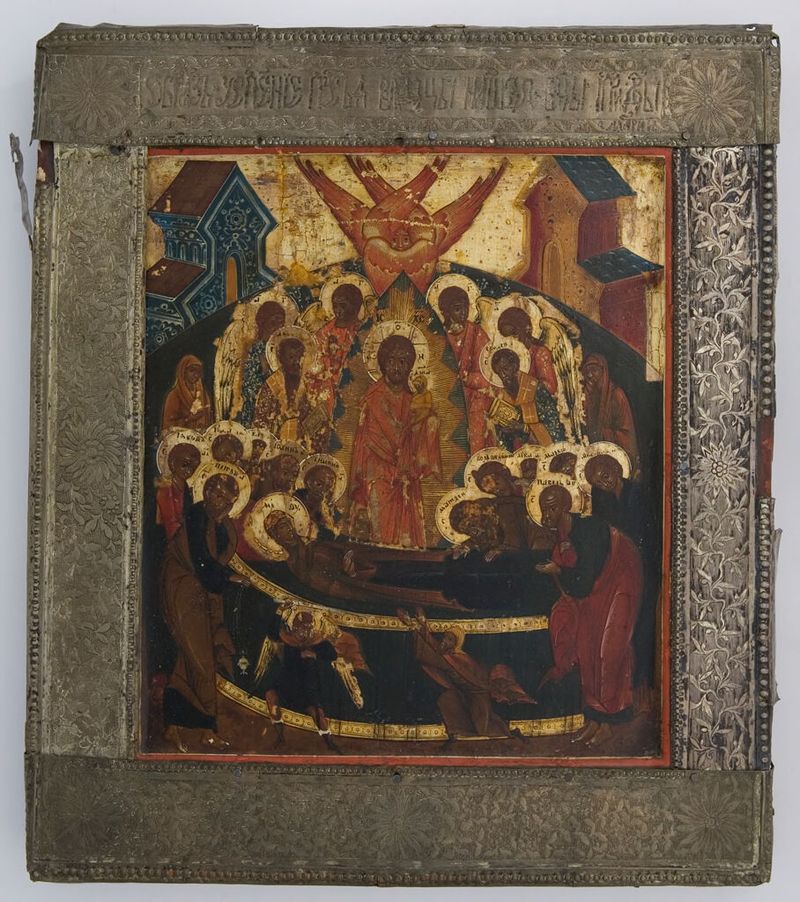
Dormition of the Virgin
Unidentified artist

Charles I (after a van Dyck painting in the Staatliche Museen, Gemaldegalerie, Dresden)
Unidentified artist

Madonna and Child
Unidentified artist

John Winthrop, the Younger (1606-1676)
Unidentified artist

Crucifix with the Virgin and Saint John the Evangelist, Christ the Redeemer, and a Praying Woman
Unidentified artist
More Religious Art
Browse all →
The Return of the Prodigal Son
Rembrandt van Rijn

The Garden of Earthly Delights
El Bosco

Count Orgaz’ funeral
El Greco

The Hundred Guilder Print: the central piece with Christ preaching, the plate arched
Rembrandt van Rijn

The Descent from the Cross
Rogier van der Weyden

The return of the prodigal son
Rembrandt van Rijn