The Voices of the Dunes — History & Facts
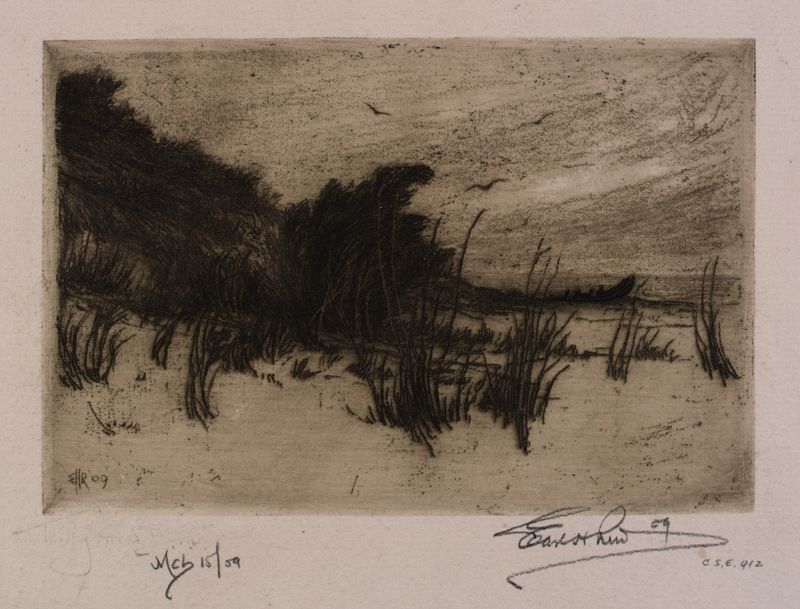
When did color learn to lie? The interplay of hues in this painting conjures a world where reality bends, revealing universal truths hidden beneath layers of vibrant deception. Begin your exploration at the center, where warm golds and deep browns swirl together, inviting your gaze into the undulating sands of the dunes. Notice how the brushstrokes dance across the canvas, each stroke a whisper, hinting at the winds that shape this landscape. The light, a soft caress, imbues the scene with an ethereal glow, blurring the boundaries between earth and sky, reality and imagination. As your eyes wander, consider the contrasting elements at play: the smooth curves of the dunes against sharper shadows that threaten to engulf them.
This tension speaks to the duality of existence—the comfort of the familiar versus the unsettling unknown. Hidden within the layers is a sense of quiet isolation, suggesting that while nature may be beautiful, it harbors echoes of solitude, an intrinsic truth about the human condition. Created in 1909, this work emerged during a time when Reed was exploring the nuances of color and form in a rapidly changing world. Living in the United States, he was influenced by both the Impressionist movement and the burgeoning modernist trends that challenged traditional perceptions of art.
The early 20th century was marked by a quest for artistic freedom, and in this piece, Reed captures the essence of that transformative period, reflecting on how color can both illuminate and obscure the truth.