Woods — History & Facts
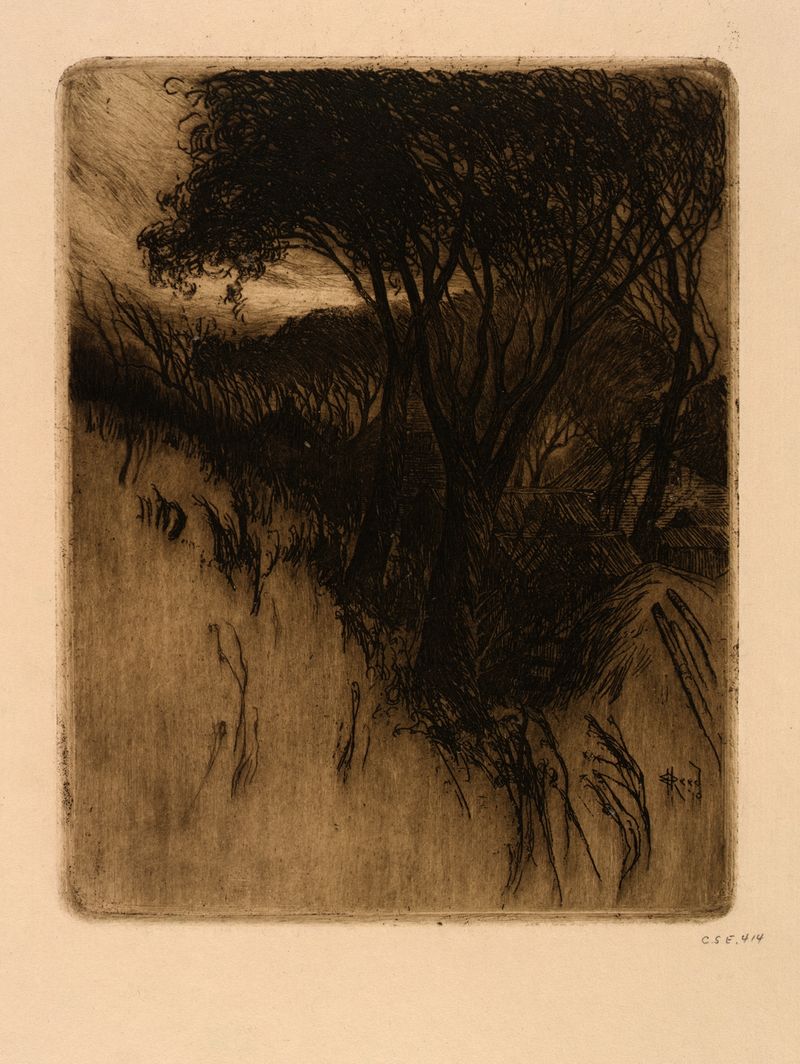
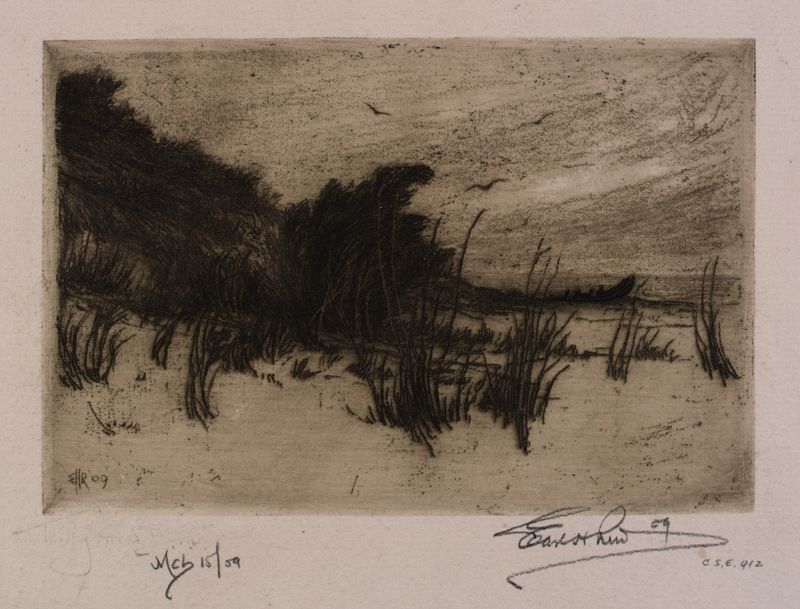
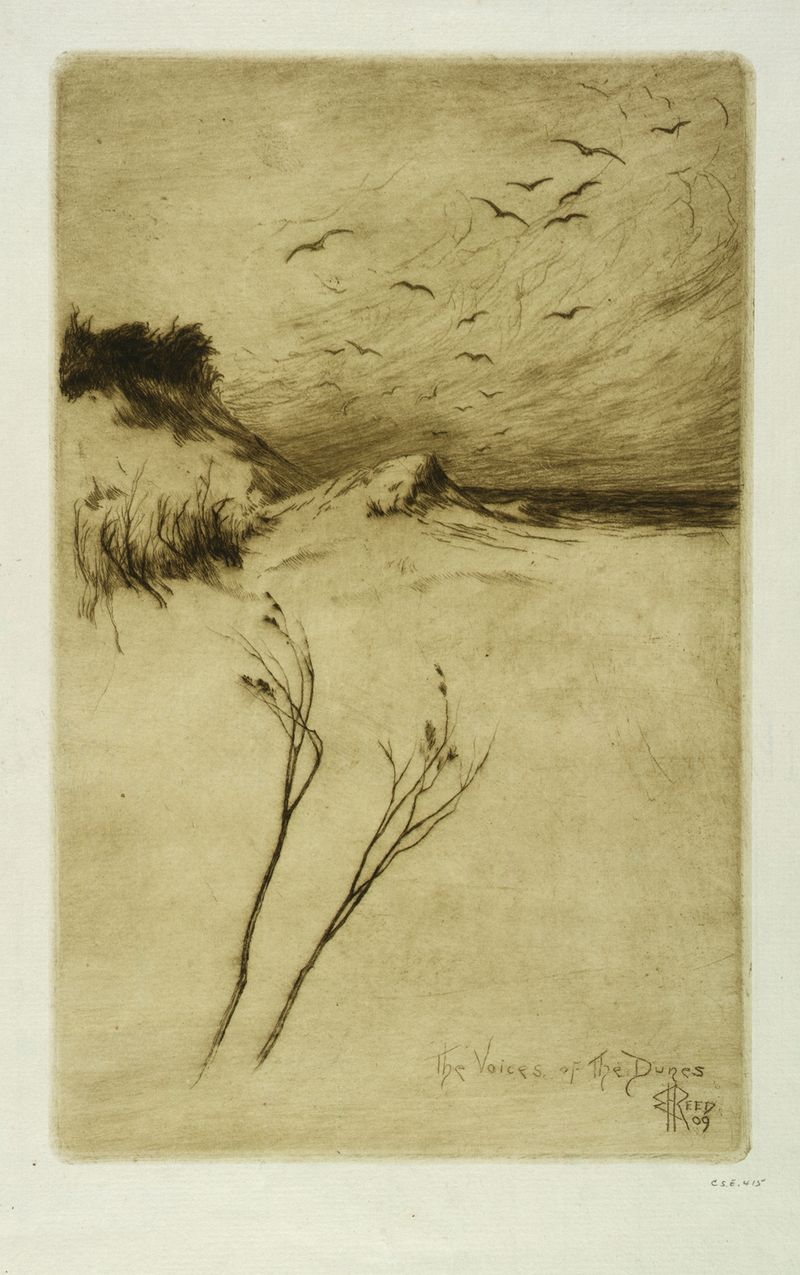
When did color learn to lie? In Woods, the vibrant palette speaks volumes, twisting reality into a vivid dreamscape that invites contemplation. Each hue wrestles with the truth of nature, creating a rich tapestry where the familiar becomes enchanting and enigmatic. Look to the left at the interplay of greens, where the foliage bursts with life, pulsating under dappled sunlight. Focus on the way the deep blues and ochres blend in the shadows, revealing depth and structure in the undergrowth.
The brushstrokes are fluid yet precise, illustrating an organic chaos that draws the eye deeper into the forest’s embrace. This intricate layering captures the essence of a moment frozen in time, allowing stillness to bloom amidst the vibrant chaos. The emotional tension in the work lies in its contrast between the serene beauty of nature and an underlying sense of disquiet. The bright colors evoke joy, yet the twisting forms hint at something more sinister—a reminder of the wildness that lurks just beyond the viewer’s gaze.
Small details, such as the darkened patches in the foliage, suggest the mysteries hiding in the woods, evoking a sense of curiosity and unease. Created in 1910, Reed painted Woods during a period when American artists were exploring the boundaries of Impressionism and its emerging successors. Living in New York City, he was influenced by the vibrant art scene, reflecting a growing interest in capturing the essence of nature as a personal experience. This work exemplifies the shift toward abstraction, ultimately redefining how landscapes could be perceived through the lens of emotion and color.