Twilight — History & Facts
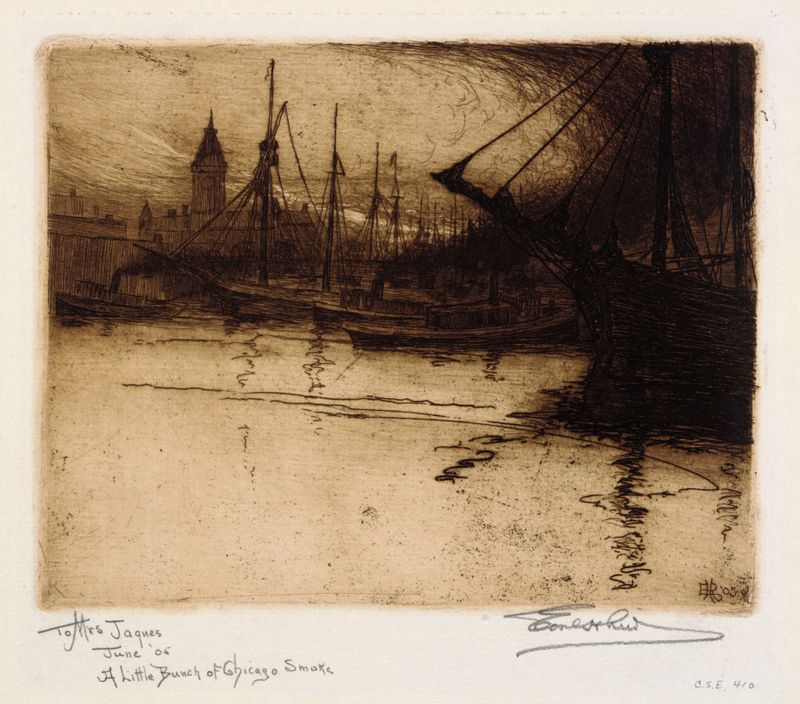
In the quiet moments of twilight, when day surrenders to night, a rebirth occurs that resonates deeply within our hearts. This transformation is captured within the strokes of the canvas, inviting us to step into a realm where the familiar dances with the ethereal. Look to the left of the composition, where the deepening indigo sky embraces hints of orange and gold, reminiscent of a day’s farewell. You’ll notice how the soft light of the waning sun spills gently across the horizon, casting elongated shadows that stretch towards the viewer, almost beckoning you closer.
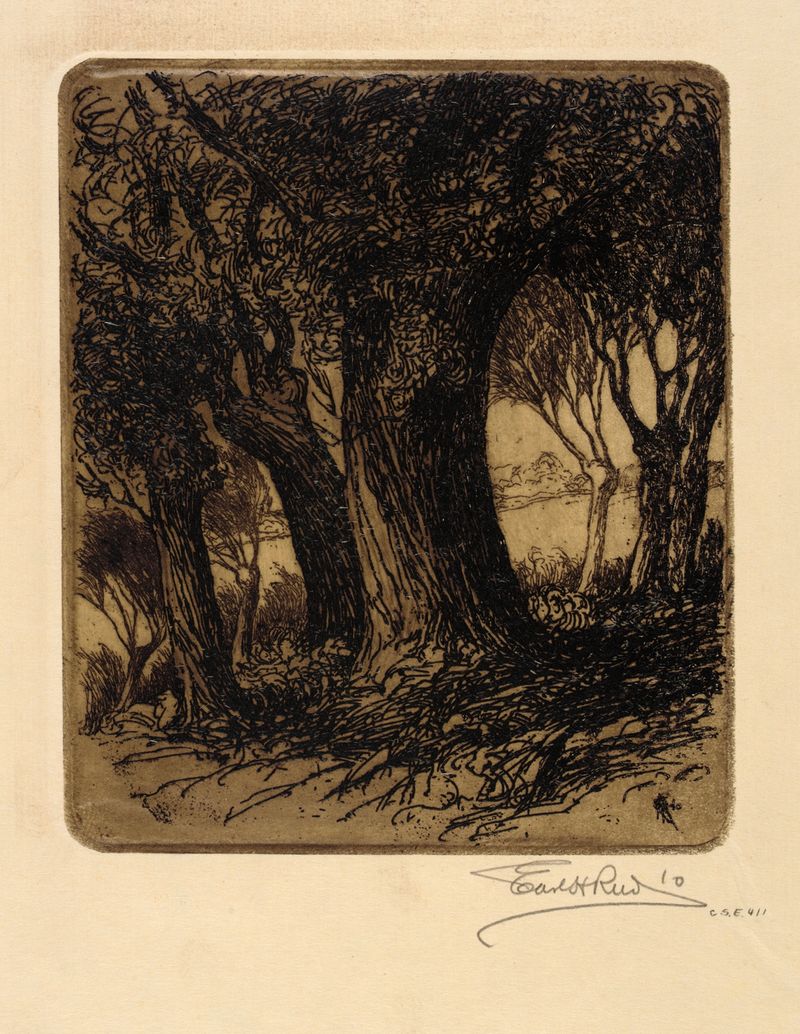
The brushwork is fluid, a seamless blend of colors that creates an ambiance of serenity, yet the sharp contrast between the vibrant sky and the darkening earth evokes a sense of tension—between the known and the unknown. Delve deeper and you’ll find more than just the beauty of a sunset; this artwork captures the essence of change. The fading light symbolizes endings, while its lingering warmth hints at hope and renewal. The silhouettes of trees stand as guardians of this transition, their stillness suggesting resilience and continuity in the face of impermanence.
Here, the artist deftly intertwines feelings of melancholy and optimism, allowing the viewer to experience a spectrum of emotions. In 1910, during a time of great artistic exploration in America, the creator of this piece found himself amidst a burgeoning movement seeking to capture the interplay of light and nature. Living and working in an era shaped by the influences of impressionism, he embraced the challenge of expressing ephemeral moments. This painting marks a pivotal moment in his career, embodying his aspirations to not only reflect the world around him but also to evoke the profound emotional truths hidden within it.